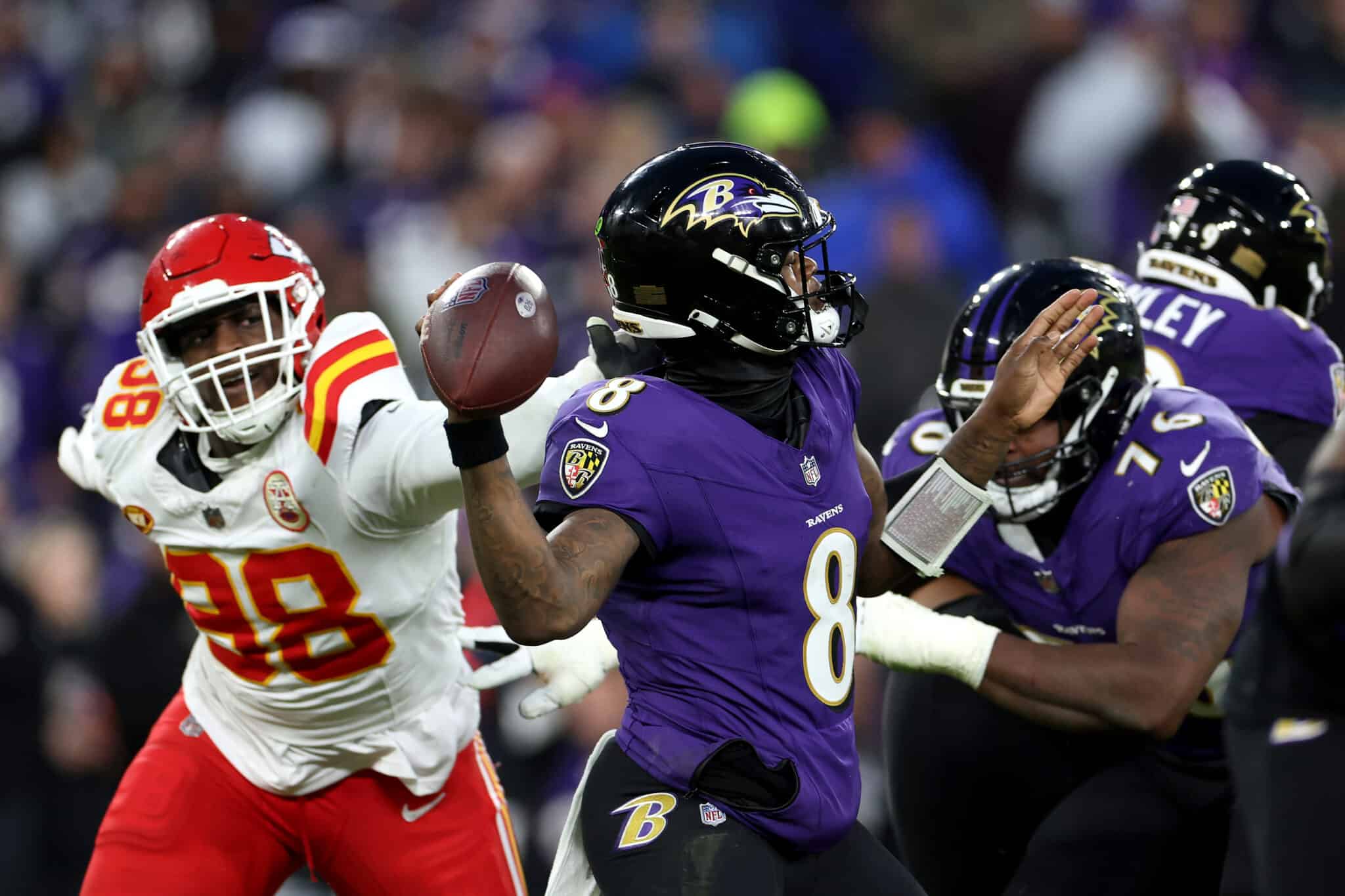
The AFC Championship is the final game of the American Football Conference postseason, determining which team earns the conference title and advances to the Super Bowl. The winner is awarded the Lamar Hunt Trophy, representing conference supremacy after a grueling multi-round playoff tournament involving the top seven teams from the regular season standings.
The Evolution and Purpose of the AFC Championship
The AFC Championship serves as the penultimate step in the National Football League (NFL) season for teams within the American Football Conference. Established in 1970 following the merger of the National Football League and the American Football League (AFL), the game was designed to create a unified path toward a singular world championship. Before the merger, the AFL had its own championship game, which determined who would face the NFL champion in what was then known as the AFL-NFL World Championship Game.
The trophy awarded to the winner is named after Lamar Hunt, the founder of the Kansas City Chiefs and a pivotal figure in the creation of the AFL. Hunt is credited with coining the term "Super Bowl," and his legacy is cemented in the conference title game. The game is not just a qualifying round; it is a major milestone in a franchise's history. For many organizations, winning the AFC title is a season-defining achievement that signifies they have bested 15 other conference rivals through a 17-game regular season and two preceding playoff rounds.
In the current 2026 landscape, the AFC remains known for its high-caliber quarterback play and tactical innovation. The conference has historically been home to some of the most dominant dynasties in professional sports, making the AFC Championship one of the most-watched sporting events annually, often rivaling the Super Bowl itself in terms of television viewership and local economic impact.
Qualification and Playoff Structure
To reach the AFC Championship, a team must navigate a rigorous qualification process. As of 2026, the NFL playoff structure includes seven teams from the AFC. This group consists of the four division winners (AFC North, South, East, and West) and three "wild card" teams—those with the best remaining records regardless of division.
The path to the conference title game follows a specific bracket:
- Wild Card Round: The #1 seed receives a "bye" (a week of rest), while the #2 seed plays #7, #3 plays #6, and #4 plays #5.
- Divisional Round: The #1 seed hosts the lowest remaining seed, while the other two winners from the Wild Card round face each other.
- AFC Championship: The two surviving teams from the Divisional Round meet.
Home-field advantage is a critical component of the AFC Championship. The game is played at the stadium of the participant with the higher seed. This provides a significant tactical benefit, as the home team benefits from familiar weather conditions, crowd noise that can disrupt the opposing offense's communication, and the absence of travel fatigue. In the event that two teams with the same seed from different divisions were to meet (which is mathematically impossible under current seeding rules but relevant for historical tie-breaking), the NFL uses a complex series of tie-breakers including head-to-head records and strength of schedule.
The Lamar Hunt Trophy and Post-Game Significance
Winning the AFC Championship entitles a team to the Lamar Hunt Trophy. This silver trophy, redesigned in 2010 by Tiffany & Co., features a hollowed-out football design that symbolizes the silver anniversary of the AFL. Unlike the Vince Lombardi Trophy (given to the Super Bowl winner), which is retired by the winning team every year, the Lamar Hunt Trophy is a permanent mark of conference excellence for that specific season.
The significance of this victory extends beyond the trophy case. The winning team receives a significant financial bonus for its players and coaching staff, as mandated by the NFL’s Collective Bargaining Agreement (CBA). Furthermore, the victory grants the organization a two-week window to prepare for the Super Bowl, involving massive media obligations, logistical planning for a neutral-site game, and the opportunity to cement their place in football history.
Historical Dominance and Iconic Dynasties
The history of the AFC Championship is characterized by periods of extreme dominance by a handful of franchises. Unlike the NFC, which has historically seen more parity, the AFC has often been ruled by "gatekeeper" teams that make frequent appearances in the title game.
The 1970s: The Steel Curtain and the Dolphins
In the early years following the merger, the Pittsburgh Steelers and Miami Dolphins dominated the conference. The Steelers, led by the "Steel Curtain" defense and quarterback Terry Bradshaw, appeared in several AFC Championships, winning four Super Bowls in that decade. The Dolphins also made history by completing the only perfect season in NFL history in 1972, a journey that required winning the AFC Championship over the Steelers.
The 1990s: Buffalo’s Four-Year Run
One of the most remarkable feats in AFC history occurred between 1990 and 1993, when the Buffalo Bills won four consecutive AFC Championships. Led by Jim Kelly, Thurman Thomas, and Bruce Smith, the Bills’ "K-Gun" offense was unstoppable within the conference, though they famously struggled to convert those AFC titles into Super Bowl rings.
The 2000s and 2010s: The Brady-Manning-Roethlisberger Era
For nearly two decades, the AFC Championship was almost exclusively occupied by three quarterbacks: Tom Brady (New England Patriots), Peyton Manning (Indianapolis Colts/Denver Broncos), and Ben Roethlisberger (Pittsburgh Steelers). Between 2003 and 2019, one of these three players represented the AFC in the Super Bowl in all but a few instances. The New England Patriots, in particular, set a record by appearing in eight consecutive AFC Championship games from 2011 to 2018.
The 2020s: The Kansas City Era
Entering the mid-2020s, the Kansas City Chiefs, led by Patrick Mahomes, have become the new standard for AFC success. Their ability to consistently host the championship game at Arrowhead Stadium has shifted the conference's center of gravity to the Midwest, challenging the historical records set by the Patriots and Steelers.
All-Time AFC Championship Performance Table
The following table highlights the most successful franchises in AFC Championship history as of the 2026 season.
| Franchise | AFC Championship Wins | Total Appearances | Notable Winning Era |
|---|---|---|---|
| New England Patriots | 11 | 15 | 2001–2018 |
| Pittsburgh Steelers | 8 | 16 | 1972–2010 |
| Denver Broncos | 8 | 10 | 1977–2015 |
| Kansas City Chiefs | 6 | 10 | 2018–2025 |
| Miami Dolphins | 5 | 7 | 1971–1984 |
| Las Vegas Raiders | 4 | 11 | 1970–2002 |
| Buffalo Bills | 4 | 6 | 1988–1993 |
Note: Statistics include performances through the 2025-2026 NFL playoffs.
Technical Game Rules and Overtime Procedures
The AFC Championship follows standard NFL rules, but postseason intensity often brings specific regulations into focus, particularly regarding overtime. Following a series of high-profile playoff games where the team losing the coin toss never had a chance to possess the ball, the NFL amended its postseason overtime rules.
In an AFC Championship game, if the score is tied at the end of regulation:
- Both teams are guaranteed a possession. Even if the team that receives the kickoff scores a touchdown, the opposing team is given an opportunity to match or exceed that score.
- Sudden Death: If the score remains tied after both teams have had one possession, the game enters a "sudden death" phase where the next score of any kind wins.
- Timing: Postseason overtime periods are 15 minutes. There are no "ties" in the AFC Championship; play continues until a winner is determined.
Additionally, the officiating crews for the AFC Championship are typically "all-star" crews. Rather than using a single officiating team that worked together during the regular season, the NFL selects the highest-rated individual officials at each position (Referee, Umpire, Head Linesman, etc.) to ensure the highest level of accuracy for this high-stakes game.
Financial and Cultural Impact
The AFC Championship is a massive economic engine. For the host city, the game brings in tens of millions of dollars in revenue through tourism, hospitality, and local spending. Because the game is hosted by the higher seed rather than at a pre-determined neutral site (like the Super Bowl), the economic windfall serves as a direct reward for the local community's support of the team throughout the year.
From a broadcasting perspective, the AFC Championship currently alternates between major networks like CBS and NBC, depending on the league’s rotating contract cycle. Advertisers pay premium rates, often exceeding $2 million for a 30-second spot, to reach the massive audience. For the fans, the "Championship Sunday" tradition—where the AFC and NFC titles are decided back-to-back—is considered by many to be the best day on the sports calendar, offering high-stakes football without the often distracting "spectacle" and high ticket prices of the Super Bowl.
Frequently Asked Questions
Who has won the most AFC Championships?
The New England Patriots hold the record for the most AFC Championship wins, with 11 titles. Most of these victories occurred during the era of head coach Bill Belichick and quarterback Tom Brady. The Pittsburgh Steelers and Denver Broncos follow with 8 wins each.
What is the difference between the AFC and NFC Championships?
The AFC (American Football Conference) and NFC (National Football Conference) are the two distinct conferences that make up the NFL. The AFC Championship determines the winner of the AFC, while the NFC Championship determines the winner of the NFC. The two winners then meet in the Super Bowl to compete for the league title.
Has a Wild Card team ever won the AFC Championship?
Yes, several Wild Card teams have won the AFC Championship and advanced to the Super Bowl. Notable examples include the 1980 Oakland Raiders, the 1997 Denver Broncos, the 2000 Baltimore Ravens, and the 2005 Pittsburgh Steelers. These teams had to win three consecutive road games to reach the Super Bowl.
What happens if the AFC Championship game ends in a tie?
A tie is not possible in the AFC Championship. The game will proceed into multiple 15-minute overtime periods until one team scores and wins according to the NFL’s postseason overtime rules, which guarantee both teams at least one possession.
Where is the AFC Championship game played?
The game is played at the home stadium of the highest-seeded team remaining in the playoffs. For example, if the #1 seed and #3 seed both win their Divisional round games, the AFC Championship is held at the #1 seed’s stadium.
Preparing for Championship Sunday
For fans planning to attend or watch the AFC Championship, preparation is key to enjoying the experience. If you are attending in person, monitor the weather closely, as AFC host cities like Kansas City, Buffalo, Cincinnati, and Baltimore are prone to extreme cold and snow in late January. Tickets generally go on sale to season ticket holders first, with a limited number reaching the secondary market (such as Ticketmaster or StubHub) shortly after the Divisional Round concludes.
If watching from home, ensure your broadcast or streaming service is verified. The AFC Championship is typically broadcast on CBS and can be streamed via Paramount+ or the NFL+ app. Setting up your viewing environment at least an hour before kickoff is recommended to catch the pre-game analysis, which often provides critical injury updates and tactical breakdowns that can influence the outcome of the game.