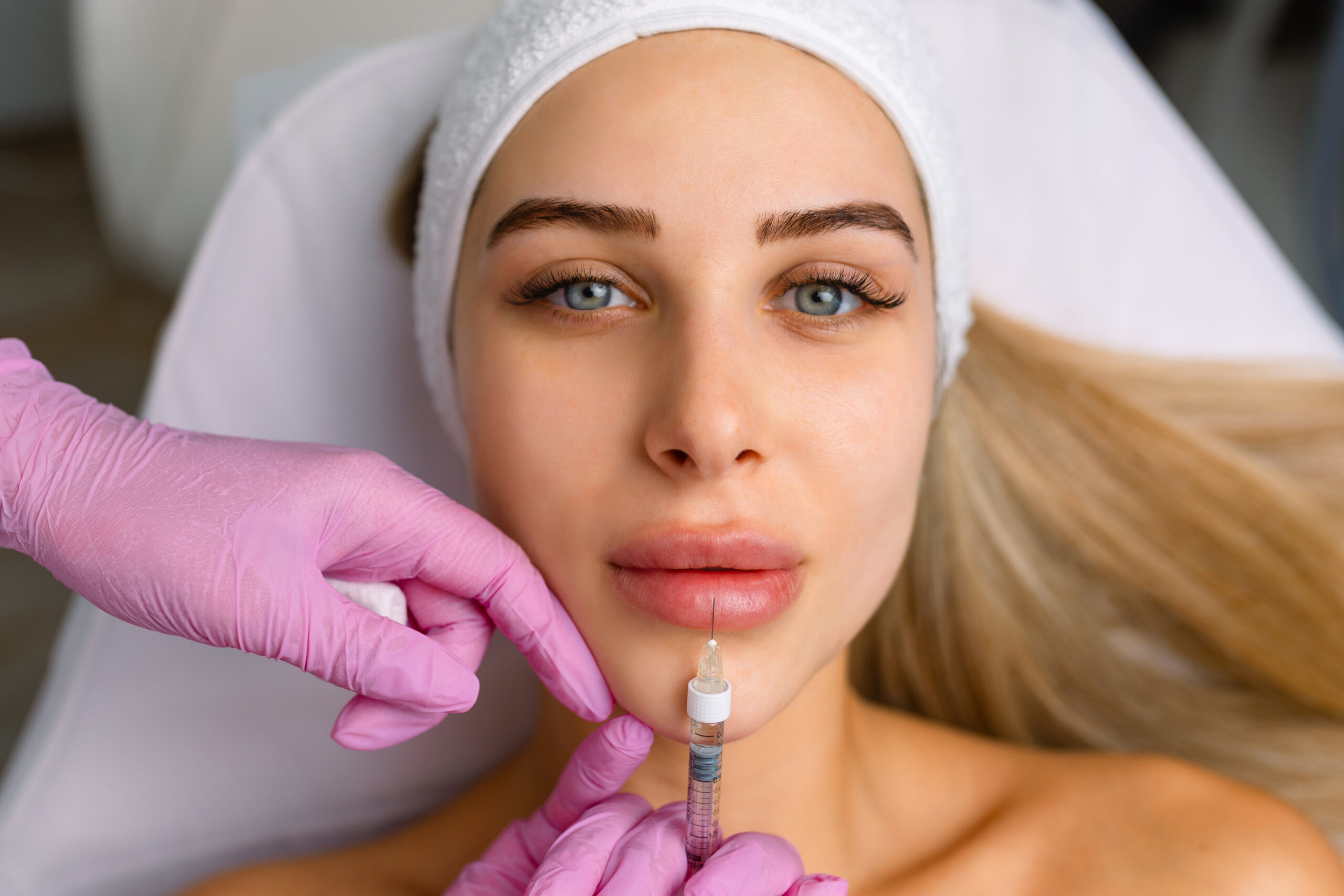
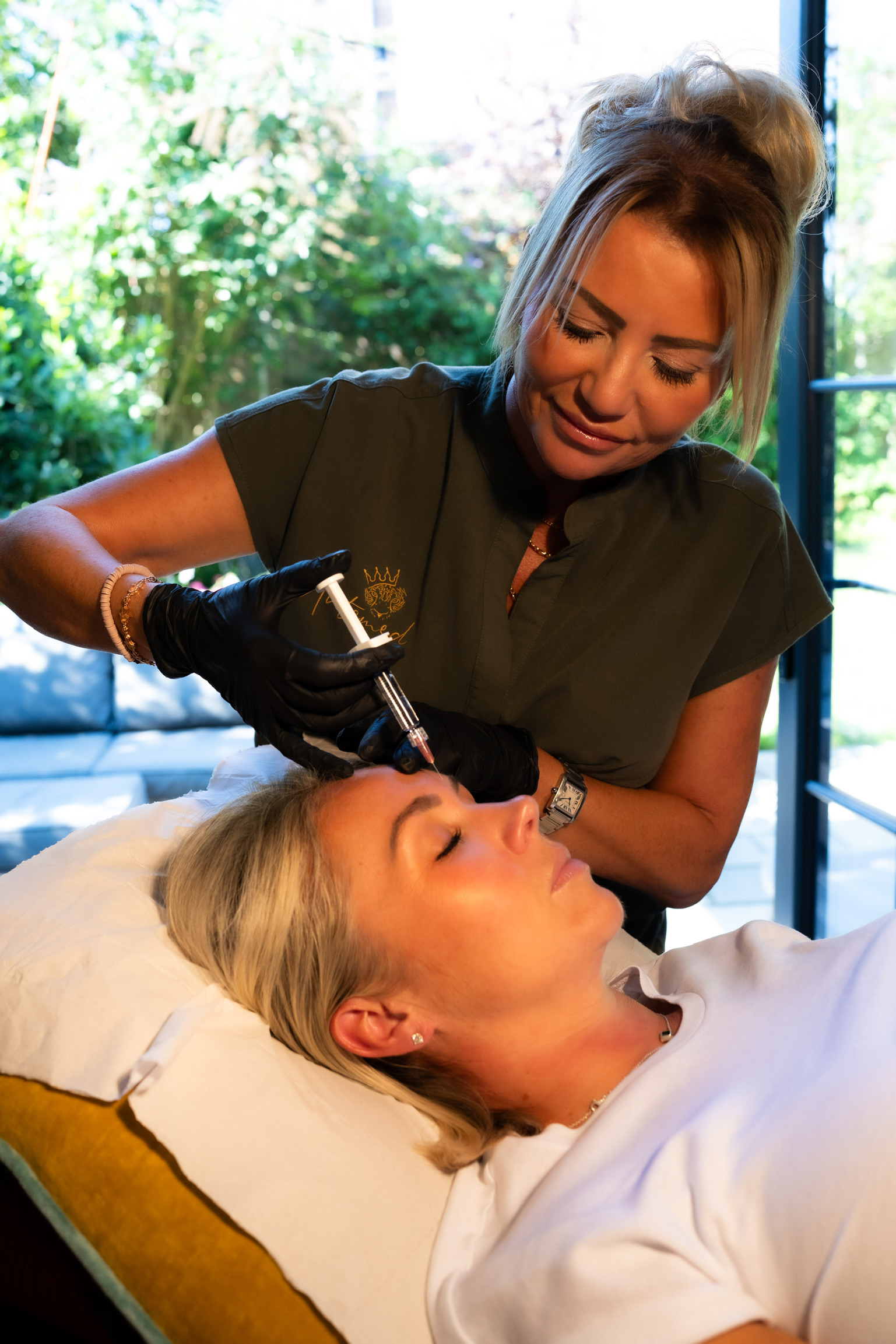
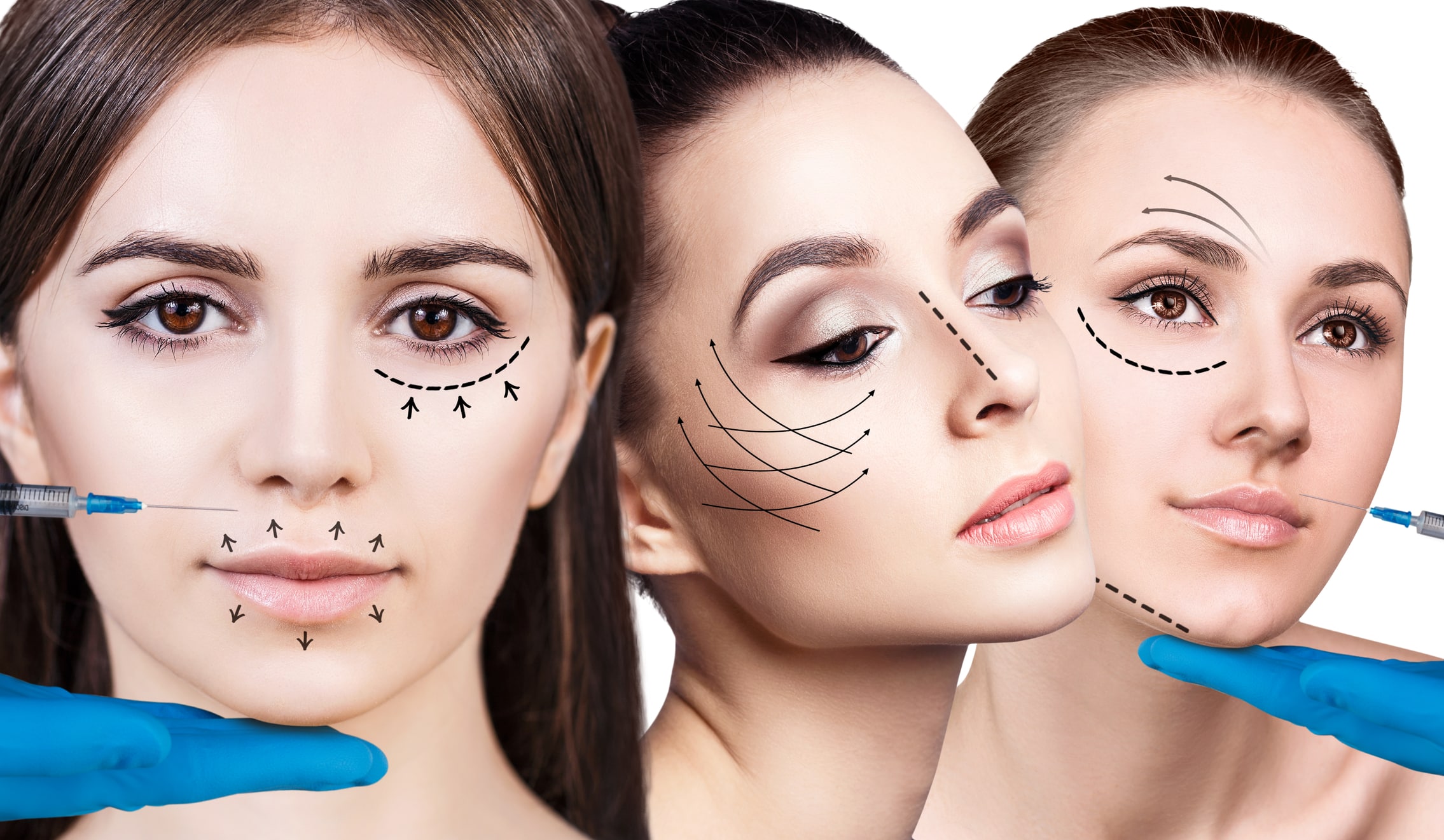
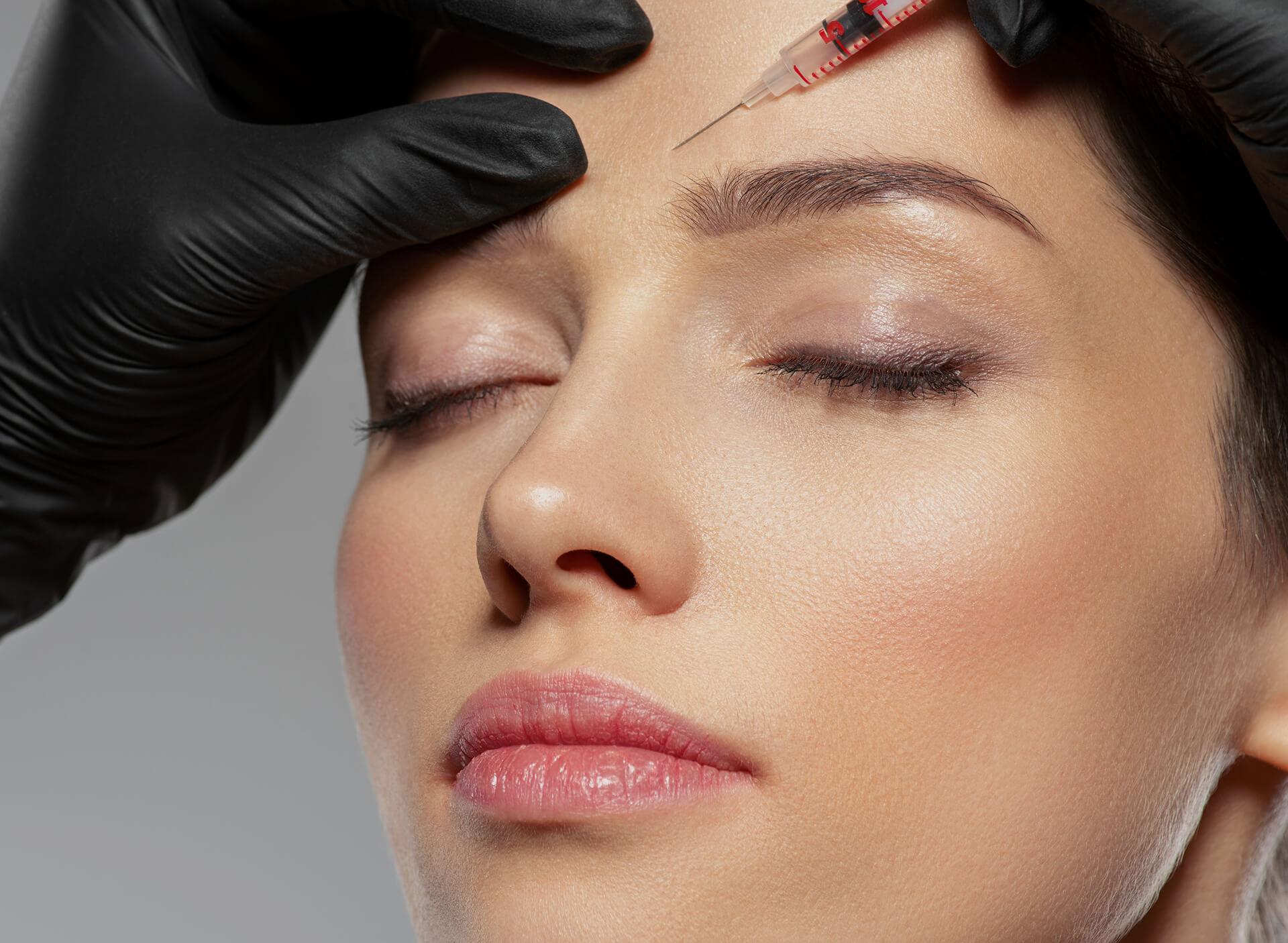
Aesthetic treatments encompass a broad range of non-surgical and minimally invasive medical procedures designed to enhance a person’s physical appearance. By utilizing advanced technologies such as neurotoxins, dermal fillers, medical-grade lasers, and regenerative biostimulators, these treatments address concerns like skin aging, volume loss, and body contouring without the significant downtime or risks associated with traditional plastic surgery.
Understanding the Scope of Modern Aesthetic Treatments
In 2026, the field of aesthetic medicine has shifted from "correction" to "prejuvenation" and "regenerative aesthetics." While traditional plastic surgery involves invasive cutting and repositioning of tissue, aesthetic treatments focus on improving the skin's quality and the underlying structural integrity through biological stimulation or localized physical modification.
These procedures are generally classified by their delivery method and the anatomical concern they address. The primary goal is usually to achieve a natural, refreshed appearance rather than an obviously "done" look. As technology has evolved, the line between medical skin care and surgical intervention has blurred, allowing practitioners to customize multi-modality plans that yield cumulative results over time.
For most patients, aesthetic treatments are not a one-time event but part of a long-term maintenance strategy. This shift is driven by the realization that aging is a multi-layered process involving bone resorption, fat pad migration, and the degradation of collagen and elastin. Modern protocols reflect this by combining different treatment types to address every layer of the face and body.
Primary Categories of Aesthetic Injectables
Injectables remain the cornerstone of the aesthetic industry due to their immediate results and high patient satisfaction rates. In 2026, the market is dominated by two distinct types of products: those that relax muscles and those that replace or stimulate volume.
Neuromodulators (Neurotoxins)
Commonly known by brand names like Botox, Dysport, Xeomin, and newer long-acting variants, neuromodulators work by temporarily blocking nerve signals to specific muscles. This prevents the muscle from contracting, which in turn smoothes the overlying skin and prevents the deepening of expression lines (dynamic wrinkles). In 2026, advanced techniques emphasize "micro-dosing" to maintain facial mobility while still softening the appearance of the forehead, crow’s feet, and glabella lines.
Dermal Fillers and Volumizers
Most modern fillers are composed of Hyaluronic Acid (HA), a naturally occurring sugar molecule in the body that attracts water. These are used to restore lost volume in the cheeks, lips, and under the eyes. However, the industry has seen a massive surge in the use of biostimulators like poly-L-lactic acid (PLLA) and calcium hydroxylapatite (CaHA). Unlike HA fillers, which provide instant volume, biostimulators trigger the body’s own fibroblasts to produce new collagen over several months, resulting in a more durable and structural improvement.
Polynucleotides and Exosomes
A significant development in 2026 is the mainstream adoption of regenerative injectables. Polynucleotides (derived from DNA fractions) and exosomes (signaling vesicles) are used to repair damaged skin cells at a molecular level. These treatments do not add volume; instead, they "bio-hack" the skin to improve elasticity, reduce inflammation, and accelerate healing, often used in conjunction with other more invasive procedures.
Energy-Based Devices and Skin Resurfacing
Beyond injectables, energy-based treatments use light, sound, or radio waves to transform the skin's surface and deeper layers. These technologies are essential for treating pigmentation, vascular issues, and skin laxity.
Laser Therapy (Ablative and Non-Ablative)
Lasers target specific chromophores in the skin, such as melanin (for sun spots) or hemoglobin (for redness). Ablative lasers, such as CO2, remove the top layer of skin to force a total renewal, whereas non-ablative lasers bypass the surface to heat the underlying tissue. In 2026, "hybrid" lasers that combine both wavelengths in a single pass have become the standard for reducing downtime while maximizing textural improvement.
Radiofrequency (RF) Microneedling
This treatment combines mechanical needling with thermal energy. As the needles penetrate the skin, they release RF energy, causing immediate tissue tightening and long-term collagen remodeling. It is currently one of the most effective non-surgical options for tightening the jawline and reducing the appearance of acne scars.
High-Intensity Focused Ultrasound (HIFU)
HIFU technology, such as Ultherapy, targets the SMAS layer—the same tissue layer addressed in a surgical facelift. By delivering focused ultrasound energy to precise depths, it creates thermal coagulation points that lift and tighten the skin from the inside out. It remains a preferred choice for patients looking for a "lunchtime lift" with no visible surface damage.
Comparative Overview of Common Aesthetic Treatments
The following table compares the most frequently requested aesthetic treatments in 2026, based on their primary function and typical patient experience.
| Treatment Type | Primary Goal | Target Area | Typical Longevity | Recovery Time |
|---|---|---|---|---|
| Neuromodulators | Smooth dynamic wrinkles | Forehead, eyes, jaw | 3–5 months | None (1 hour) |
| HA Fillers | Restore lost volume | Lips, cheeks, chin | 6–18 months | 1–3 days (swelling) |
| Biostimulators | Collagen production | Mid-face, neck, hands | 18–24 months | 2–4 days |
| Chemical Peels | Texture and pigment | Face, décolletage | Cumulative | 3–7 days (peeling) |
| RF Microneedling | Skin tightening | Face, neck, body | 12+ months | 2–5 days |
| IPL (Photo-facial) | Redness and sun spots | Face, hands | 6–12 months | None |
| Cryolipolysis | Fat reduction | Abdomen, flanks | Permanent (cells) | None (soreness) |
Safety, Regulation, and Practitioner Selection
As aesthetic treatments have become more accessible, the importance of clinical safety cannot be overstated. While these procedures are "non-surgical," they are medical interventions that carry inherent risks.
Qualifications and Training
In many jurisdictions in 2026, regulations have tightened regarding who can perform these procedures. It is essential to verify that your practitioner is a licensed medical professional—such as a Board-Certified Dermatologist, Plastic Surgeon, or a specialized Registered Nurse—operating under strict medical oversight. Unqualified "injectors" operating in non-clinical settings significantly increase the risk of complications like vascular occlusions or infections.
Managing Risks and Complications
Every aesthetic treatment has a side-effect profile. Common issues include bruising, swelling, and temporary asymmetry. However, more serious risks exist, such as:
- Vascular Occlusion: When filler is accidentally injected into a blood vessel, potentially leading to tissue necrosis. Professional clinics must always have "Hyaluronidase" (a dissolving agent) on hand.
- Post-Inflammatory Hyperpigmentation (PIH): A risk with laser treatments, especially in darker skin tones (Fitzpatrick scales IV-VI), if the device settings are incorrect.
- Nerve Weakness: A rare side effect of neuromodulators if the toxin migrates to unintended muscles.
The Consultation Process
A professional consultation is the most critical step. During this session, the practitioner should perform a full facial analysis, review your medical history (including autoimmune conditions or allergies), and discuss realistic expectations. You should receive a written "informed consent" document detailing the specific risks associated with the chosen treatment.
Pre-Treatment and Post-Treatment Protocols
The success of an aesthetic treatment depends heavily on how a patient prepares and recovers. Proper adherence to protocols minimizes side effects and enhances the longevity of the results.
Pre-Treatment Guidelines
To reduce the risk of bruising, patients are typically advised to avoid blood-thinning agents for 7–10 days before injectable treatments. This includes aspirin, ibuprofen, Vitamin E, and fish oil supplements. Alcohol should also be avoided for at least 24 hours prior to the appointment. For laser treatments, sun avoidance is mandatory for at least two weeks before the procedure to prevent burns.
Post-Treatment Care
Most non-invasive treatments allow for an immediate return to work, but certain activities must be restricted:
- Injectables: Avoid strenuous exercise and lying flat for 4–6 hours to prevent the product from migrating. Do not massage the treated area unless specifically instructed (as is sometimes the case with biostimulators).
- Energy-Based Devices: Prioritize skin barrier repair. Use gentle cleansers and medical-grade moisturizers. Strict sun protection (SPF 50+) is non-negotiable, as the "new" skin is highly susceptible to UV damage.
- Active Ingredients: Pause the use of Retinoids, Vitamin C, and AHAs for 3–5 days after a treatment to avoid irritation.
FAQs About Aesthetic Treatments
How much do aesthetic treatments typically cost in 2026?
Costs vary significantly based on the practitioner's expertise and the geographic location, but generally, neuromodulators range from $300 to $800 per session. Dermal fillers typically cost between $600 and $1,200 per syringe. Advanced energy-based treatments like RF Microneedling often cost between $700 and $1,500 per session, with most protocols requiring three sessions for optimal results.
At what age should I start getting aesthetic treatments?
There is no "perfect" age, as the decision depends on genetics, lifestyle, and skin concerns. However, the trend of "preventative Botox" often starts in the late 20s or early 30s to prevent deep lines from forming. Regenerative treatments and skin quality boosters are increasingly popular among all age groups to maintain the skin's biological health rather than just changing its appearance.
Are the results of these treatments permanent?
Most aesthetic treatments are temporary. Neuromodulators last a few months, while fillers can last over a year. Even "permanent" results, such as fat cell destruction via cryolipolysis, can be influenced by future weight gain. The aging process continues regardless of treatment, meaning maintenance sessions are required to preserve the desired aesthetic.
Can I combine different treatments in one session?
Yes, this is often encouraged and is known as "multi-modality stacking." For example, it is common to receive a neuromodulator for wrinkles and a filler for volume in the same appointment. Some clinics also offer same-day laser and injectable combinations, though certain energy-based devices may need to be spaced apart from fillers to avoid affecting the product's integration.
What is the "Golden Rule" for achieving natural-looking results?
The "less is more" approach is the standard in 2026. Natural results are achieved by addressing the face as a whole rather than focusing on a single wrinkle. By prioritizing skin health and structural support (biostimulation) over simply "filling" lines, practitioners can avoid the over-inflated or "frozen" look that was common in previous decades.
Planning Your Aesthetic Journey
If you are considering aesthetic treatments, the first step is to define your primary concerns—is it skin texture, sagging, or loss of volume? Researching the specific technologies mentioned in this guide will help you have a more productive conversation with a professional.
Always prioritize a clinic that offers a comprehensive skin analysis and emphasizes a long-term plan rather than a quick fix. In the rapidly evolving landscape of 2026, the best aesthetic outcomes are those that focus on health, harmony, and subtle enhancement. Your next action should be to book a formal consultation with a board-certified professional to establish a baseline for your skin health and discuss a customized treatment trajectory.