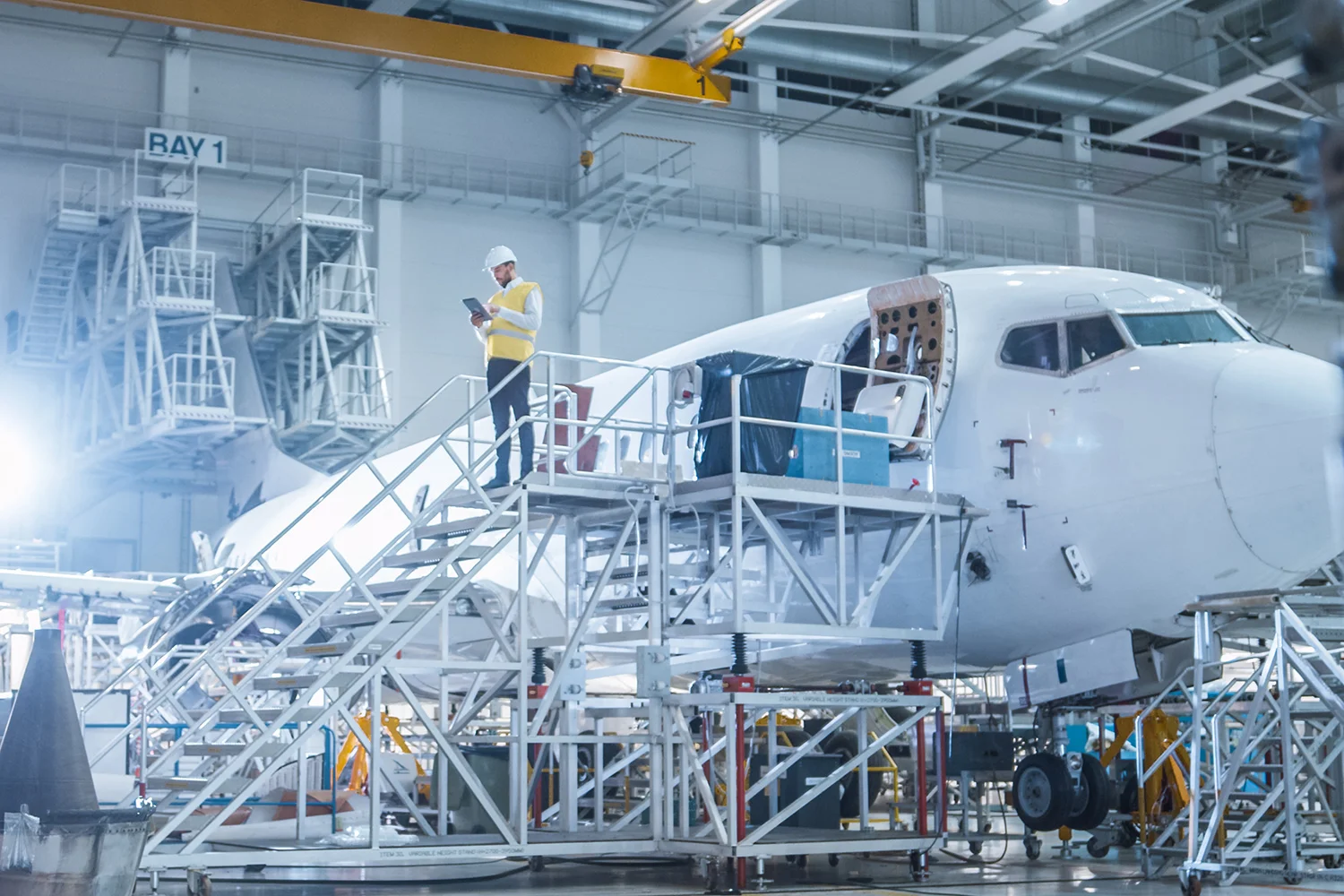
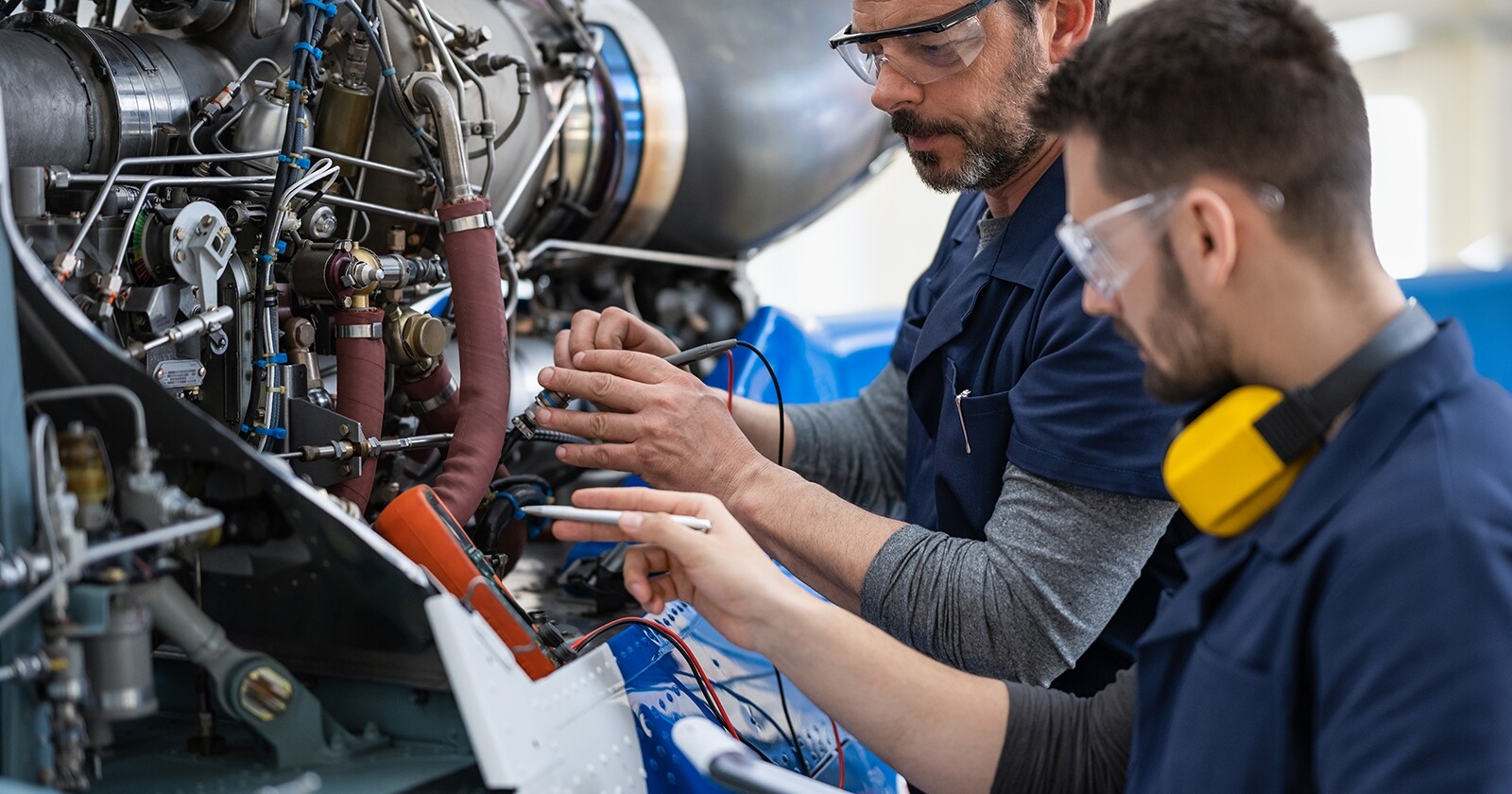
An aerospace engineer is a highly specialized professional who designs, develops, and tests aircraft, spacecraft, satellites, and missiles. In 2026, the role encompasses traditional mechanical engineering and advanced computational modeling, focusing on sustainable propulsion, autonomous flight systems, and the expanding infrastructure of the commercial space industry and global defense networks.
Defining the Aerospace Engineering Discipline
Aerospace engineering is a complex field that merges physics, mathematics, and material science to solve the challenges of atmospheric and orbital flight. While the core principles of lift, drag, thrust, and weight remain constant, the application of these principles has evolved significantly as we move through 2026. The field is generally divided into two primary, overlapping branches: aeronautical engineering and astronautical engineering.
Aeronautical engineering focuses specifically on vehicles that operate within the Earth’s atmosphere. This includes commercial airliners, military fighter jets, helicopters, and the rapidly growing sector of Unmanned Aerial Vehicles (UAVs) or drones. Engineers in this sub-discipline are currently prioritized by the global mandate for "Green Aviation," researching electric propulsion and hydrogen-fuel integration to meet carbon-neutrality targets set by international aviation bodies.
Astronautical engineering deals with the science and technology of spacecraft and launch vehicles that operate outside the Earth’s atmosphere. As of 2026, this branch has seen a massive influx of private capital and innovation due to the "NewSpace" movement. These engineers work on orbital mechanics, thermal control systems for deep-space missions, and the deployment of massive satellite constellations for global telecommunications.
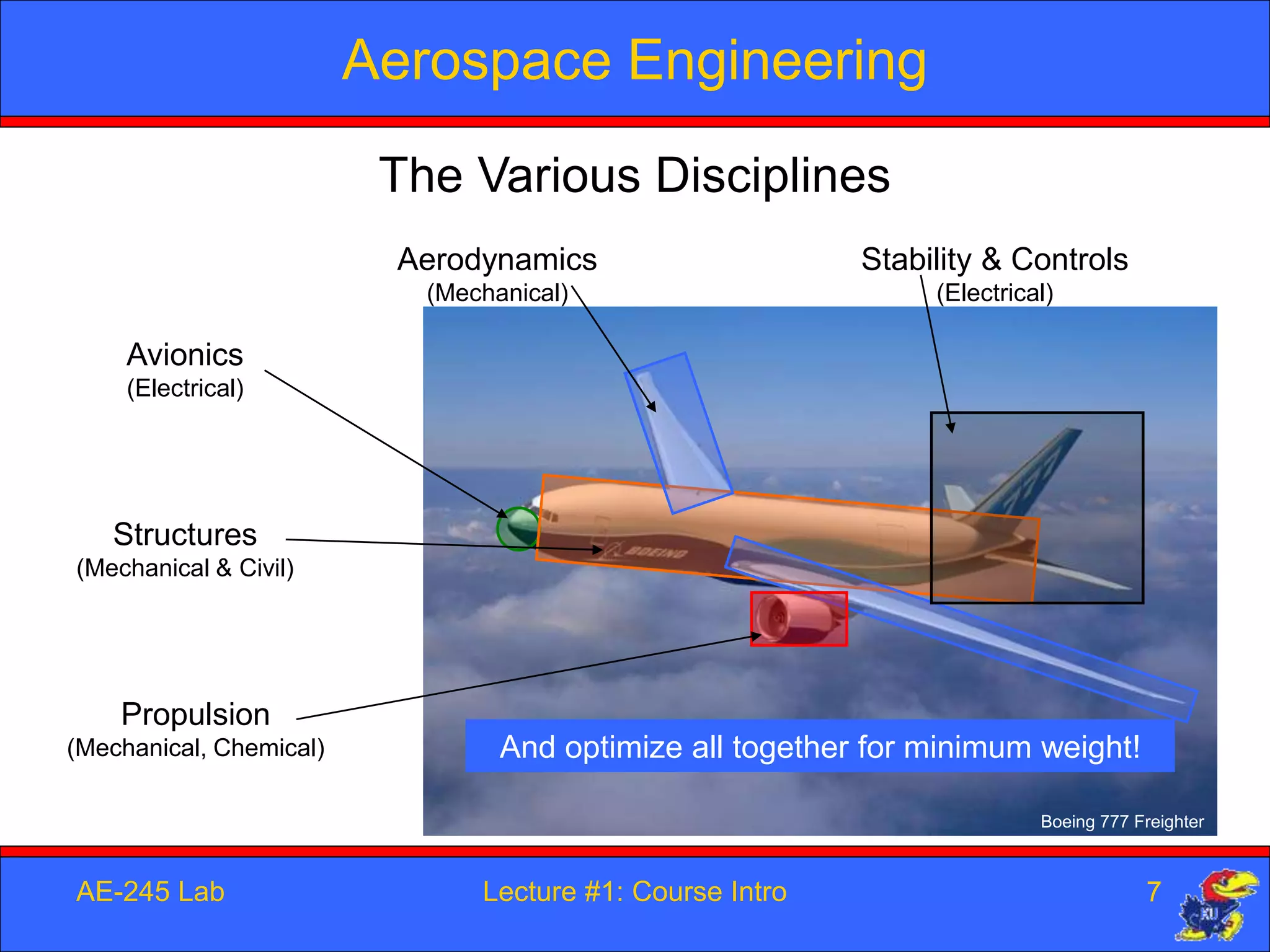
Beyond these two branches, aerospace engineers often specialize in specific subsystems. For example, a structures specialist focuses on the integrity of the airframe, ensuring it can withstand the immense pressures of supersonic flight or the vacuum of space. Meanwhile, a propulsion specialist designs engines—ranging from turbofans for regional jets to Hall-effect thrusters for deep-space probes.
Educational Pathways and Academic Prerequisites
Becoming an aerospace engineer in 2026 requires a rigorous academic foundation. The journey begins with a Bachelor of Science (B.S.) in Aerospace Engineering or a closely related field like Mechanical or Electrical Engineering. It is critical that the degree program is accredited by a recognized body, such as the ABET (Accreditation Board for Engineering and Technology), which ensures the curriculum meets the high standards necessary for professional practice and licensure.
The modern aerospace curriculum has shifted to include more emphasis on software integration and data science. While students still master thermodynamics, fluid mechanics, and structural analysis, they are now expected to be proficient in high-level programming and simulation.
Core Coursework and Training
- Mathematics: Mastery of calculus, differential equations, and linear algebra is mandatory for modeling flight dynamics.
- Aerodynamics: Studying how air interacts with solid objects, which is essential for designing efficient wing profiles and control surfaces.
- Materials Science: Learning about composite materials, high-temperature alloys, and the effects of radiation on materials in space.
- Systems Engineering: A critical 2026 skill set that focuses on how various complex subsystems—avionics, life support, and propulsion—work together as a single unit.
Many entry-level roles in the defense and space sectors now prefer or require a Master’s degree or specialized certifications in areas like orbital mechanics or cybersecurity for aerospace systems. Internships and co-op programs remain the most effective way for students to gain hands-on experience, often leading directly to full-time employment with major aerospace firms or government agencies like NASA or the European Space Agency (ESA).
Technical Competencies and Essential Toolsets
The day-to-day work of an aerospace engineer is heavily reliant on advanced software and simulation tools. In 2026, the industry has largely moved away from static CAD (Computer-Aided Design) toward "Digital Twins"—virtual replicas of physical assets that allow for real-time monitoring and predictive maintenance.
Computational Fluid Dynamics (CFD): Engineers use CFD software to simulate how air or combustion gases flow through and around vehicles. This reduces the need for expensive wind-tunnel testing during the early stages of design. Tools like Ansys Fluent or OpenFOAM are industry standards used to optimize fuel efficiency and reduce acoustic signatures.
Finite Element Analysis (FEA): This is used to predict how a component will react to real-world forces, vibration, and heat. By breaking a complex structure into millions of "finite elements," engineers can identify potential failure points in a spacecraft’s hull or an aircraft’s landing gear before a physical prototype is even built.
Model-Based Systems Engineering (MBSE): As aircraft and spacecraft become more software-defined, MBSE has become the dominant methodology. It allows engineers to manage requirements and design configurations across vast teams, ensuring that a change in the electrical system doesn't negatively impact the structural weight balance.
Programming Proficiency: Proficiency in Python, C++, and MATLAB is no longer optional. These languages are used for everything from automating simulation workflows to developing the flight control laws that govern autonomous drones and satellite positioning systems.
Primary Industry Sectors and Employers
The landscape for aerospace engineering employment in 2026 is diverse, ranging from legacy defense contractors to agile startups. The choice of employer often dictates the type of projects an engineer will handle and the level of security clearance required.
- Commercial Aviation: Companies like Boeing, Airbus, and Embraer continue to employ thousands of engineers. The current focus in this sector is the development of NextGen air traffic management systems and the integration of sustainable aviation fuels (SAF).
- Defense and Security: Major contractors such as Lockheed Martin, Northrop Grumman, and Raytheon Technologies work on classified projects, including hypersonic missiles, stealth technology, and integrated missile defense systems. These roles almost always require high-level government security clearances.
- Commercial Space (NewSpace): This is the fastest-growing sector in 2026. Companies like SpaceX, Blue Origin, and Relativity Space focus on reusable launch vehicles, lunar landers, and satellite deployment. The pace of work in this sector is often faster and more iterative than in traditional aviation.
- Government Agencies: Organizations like NASA and the FAA provide roles focused on research, safety regulation, and long-term exploration goals, such as the continued expansion of the Artemis program for lunar and Martian missions.
| Specialization | Primary Focus | Key Tools Used | Typical Project Types |
|---|---|---|---|
| Aerodynamics | Fluid flow and surface interaction | CFD (Ansys, Star-CCM+) | Wing design, drag reduction, fuel efficiency |
| Propulsion | Engine and thrust systems | MATLAB, Thermal modeling | Jet engines, rocket boosters, electric motors |
| Avionics | Electronic flight systems | C++, Python, MBSE tools | Navigation, communication, autopilot |
| Structures | Airframe and material integrity | FEA (Nastran, Abaqus) | Weight optimization, stress testing, composites |
| Guidance & Control | Stability and trajectory | Simulink, Control theory | Satellite positioning, missile guidance |
Salary Expectations and Job Market Trends in 2026
Aerospace engineering remains one of the highest-paying engineering disciplines. As of 2026, the demand for these professionals is driven by the retirement of a senior generation of engineers and the rapid expansion of satellite-based internet and global defense modernization.
In the United States, the median annual wage for aerospace engineers has climbed steadily, reflecting the specialized nature of the work. Entry-level engineers with a Bachelor’s degree can expect starting salaries between $85,000 and $105,000, depending on the region and the specific industry. Senior engineers, particularly those in "Principal" or "Lead" roles within the commercial space or defense sectors, often command salaries exceeding $180,000, plus bonuses and stock options.
Geographically, employment remains concentrated in specific hubs. In the U.S., California, Texas, Washington, and Florida remain the dominant states due to their proximity to major manufacturing plants, launch sites, and research centers. Internationally, France (Toulouse), Germany (Hamburg), and the UK (Bristol) are the primary nodes for European aerospace activity.
The job outlook is also influenced by the rise of Urban Air Mobility (UAM). The certification of electric Vertical Take-Off and Landing (eVTOL) aircraft for air-taxi services has created a surge in demand for engineers skilled in battery technology, electric propulsion, and urban noise mitigation.
Professional Certification and Regulatory Compliance
While a degree is sufficient for many entry-level positions, advancing to senior leadership or working as a consultant often requires becoming a Licensed Professional Engineer (PE). This process involves passing the Fundamentals of Engineering (FE) exam, gaining four years of relevant work experience, and finally passing the Principles and Practice of Engineering (PE) exam.
In 2026, regulatory compliance is more stringent than ever. Aerospace engineers must work within the frameworks established by the International Civil Aviation Organization (ICAO) and national bodies like the FAA. Every component designed must undergo a rigorous certification process to ensure it meets safety standards. This involves extensive documentation, traceability, and adherence to Quality Management Systems (QMS) such as AS9100.
For those in the defense sector, compliance with ITAR (International Traffic in Arms Regulations) is a daily reality. This means engineers must be careful about sharing technical data with non-U.S. persons, even within their own global companies, to protect national security interests.
The Future of Aerospace Engineering: Towards 2030 and Beyond
As we look toward the end of the decade, the role of the aerospace engineer is shifting from purely mechanical design to "intelligent system" orchestration. Several key trends are defining the future of the profession:
Hypersonic Flight: Developing vehicles capable of traveling at five times the speed of sound (Mach 5+) presents immense thermal and aerodynamic challenges. Engineers are currently working on scramjet engines and new ceramic-matrix composites that can survive the extreme heat generated at these speeds.
Orbital Manufacturing: With the decrease in launch costs, aerospace engineers are designing "space factories." These are automated platforms that utilize microgravity to create products that are impossible to manufacture on Earth, such as perfect fiber-optic cables or specific high-purity pharmaceuticals.
AI-Integrated Design: Artificial intelligence is being used to conduct "generative design." Engineers input specific constraints—such as weight, strength, and mounting points—and AI algorithms generate thousands of potential design iterations, often resulting in organic, highly efficient shapes that can only be produced via 3D printing (additive manufacturing).
Sustainable Propulsion: The push for net-zero aviation by 2050 is driving engineers to rethink the basic architecture of flight. This includes blended-wing-body aircraft and cryogenic hydrogen storage systems, which require a fundamental shift in how we view aircraft safety and fuel logistics.
Frequently Asked Questions
What is the difference between an aerospace engineer and a mechanical engineer?
Aerospace engineering is essentially a highly specialized branch of mechanical engineering. While mechanical engineers design a wide range of moving systems (from cars to HVAC), aerospace engineers focus exclusively on vehicles and systems that operate in demanding flight environments, requiring a deeper understanding of aerodynamics, orbital mechanics, and extreme-environment material science.
Is a security clearance required for all aerospace engineering jobs?
No, it is not required for all jobs, but it is very common. Most roles within defense (Lockheed Martin, Northrop Grumman) and some government-contracted space roles require a Secret or Top Secret clearance. However, many roles in commercial aviation (Airbus) and private satellite startups do not require a clearance, though they still require strict adherence to export control laws.
Can I become an aerospace engineer with an electrical engineering degree?
Yes, absolutely. Modern aircraft and spacecraft are "fly-by-wire" and "software-defined," meaning they rely heavily on complex electrical systems, sensors, and avionics. Many aerospace companies hire electrical engineers to design power distribution systems, communication arrays, and flight control computers.
What are the most important soft skills for an aerospace engineer in 2026?
Technical skill is a prerequisite, but communication and systems thinking are the most critical soft skills. Because aerospace projects are so large, no single person designs an entire aircraft. Engineers must be able to communicate effectively across multidisciplinary teams (e.g., explaining a structural limit to a software developer) and understand how their specific component affects the entire system.
How has 3D printing changed the role of aerospace engineers?
Additive manufacturing (3D printing) allows engineers to design complex, lightweight parts that were previously impossible to manufacture. This has shifted the focus toward "Design for Additive Manufacturing" (DfAM), where engineers optimize for weight reduction and part consolidation, such as printing an entire rocket engine injector as a single piece instead of assembling it from hundreds of parts.
Next Steps for Aspiring Aerospace Engineers
If you are considering a career as an aerospace engineer in 2026, the first step is to focus on a strong foundation in mathematics and physics. Aspiring students should seek out high school or early university programs that offer exposure to robotics, rocketry clubs (such as the TARC or IREC competitions), or coding bootcamps.
Once enrolled in an accredited university program, prioritize securing at least two internships. The aerospace industry values practical experience and familiarity with the specific software tools mentioned above. Finally, stay informed about the shifting regulatory and technological landscape by joining professional organizations like the American Institute of Aeronautics and Astronautics (AIAA). This network provides access to the latest research papers and peer-reviewed journals, which is essential for staying competitive in this fast-moving field.