Adventure safety encompasses the deliberate application of risk management strategies, technical preparedness, and environmental awareness to mitigate hazards during outdoor activities. By prioritizing rigorous planning, reliable communication protocols, and appropriate equipment maintenance, participants can minimize the likelihood of injury and ensure effective self-rescue or external extraction when emergencies occur.
The Foundation of Pre-Trip Risk Assessment
Effective adventure safety begins long before a physical journey commences. A systematic risk assessment serves as the primary barrier against preventable accidents. This process requires evaluating three distinct pillars: the objective environment, the human element, and external contingencies.
The environmental assessment involves analyzing weather patterns, terrain topography, and seasonal volatility. In 2026, explorers have access to high-resolution topographical mapping and real-time meteorological data, yet these tools cannot replace the necessity of field-based verification. Understanding the "go/no-go" criteria—the specific thresholds of wind speed, water levels, or temperature drops that necessitate canceling or rerouting an adventure—is essential.
The human element requires a brutal honesty regarding physical capability and technical proficiency. A common failure point is the "ambition gap," where a participant’s desire to complete a route exceeds their verified skill level. Conducting a pre-trip audit of personal competencies—such as navigation, rope work, or first aid—ensures that the group’s collective safety remains robust even if the most capable member is incapacitated.
Technical Equipment and Maintenance Protocols
Safety gear is only as reliable as its maintenance history. Every piece of equipment, from personal protective equipment (PPE) to communication devices, must undergo rigorous inspection. For life-safety hardware, such as climbing harnesses, carabiners, or personal flotation devices (PFDs), manufacturers provide specific service life mandates.
In 2026, it is standard practice to maintain a digital log of hardware usage. This practice allows for the retirement of gear based on fall-loading history or UV exposure rather than mere age. Always verify that your equipment meets current standards, such as those set by the UIAA (International Climbing and Mountaineering Federation) for climbing gear or relevant regional standards for maritime safety.
Recommended Safety Gear Verification Checklist
| Equipment Category | Inspection Criteria | Maintenance Frequency |
|---|---|---|
| Personal Protective Gear | Webbing integrity, stitching tension, buckles | Before every use |
| Communication Devices | Battery health, firmware updates, signal strength | Monthly / Pre-trip |
| Navigation Tools | Calibration, battery levels, map currency | Pre-trip |
| Emergency Medical Kits | Expiration dates of sterile supplies, medication | Quarterly |
Communication and Emergency Signaling
The ability to signal for help is the final tier of adventure safety. Reliance on mobile cellular networks is a common, high-stakes mistake in remote areas. A redundant communication strategy is mandatory for any adventure beyond immediate reach of civilization.
Satellite-based messaging devices have become the industry standard for two-way communication and SOS triggering. When using these devices, ensure that emergency contacts are updated and that the device is registered with the current service provider. Furthermore, traditional signaling methods—such as visual markers, signaling mirrors, or whistles—remain vital. Electronic devices can fail due to impact, water ingress, or temperature-induced battery degradation. Manual signaling methods serve as the critical backup in these scenarios.
Navigating Environmental Hazards and Medical Emergencies
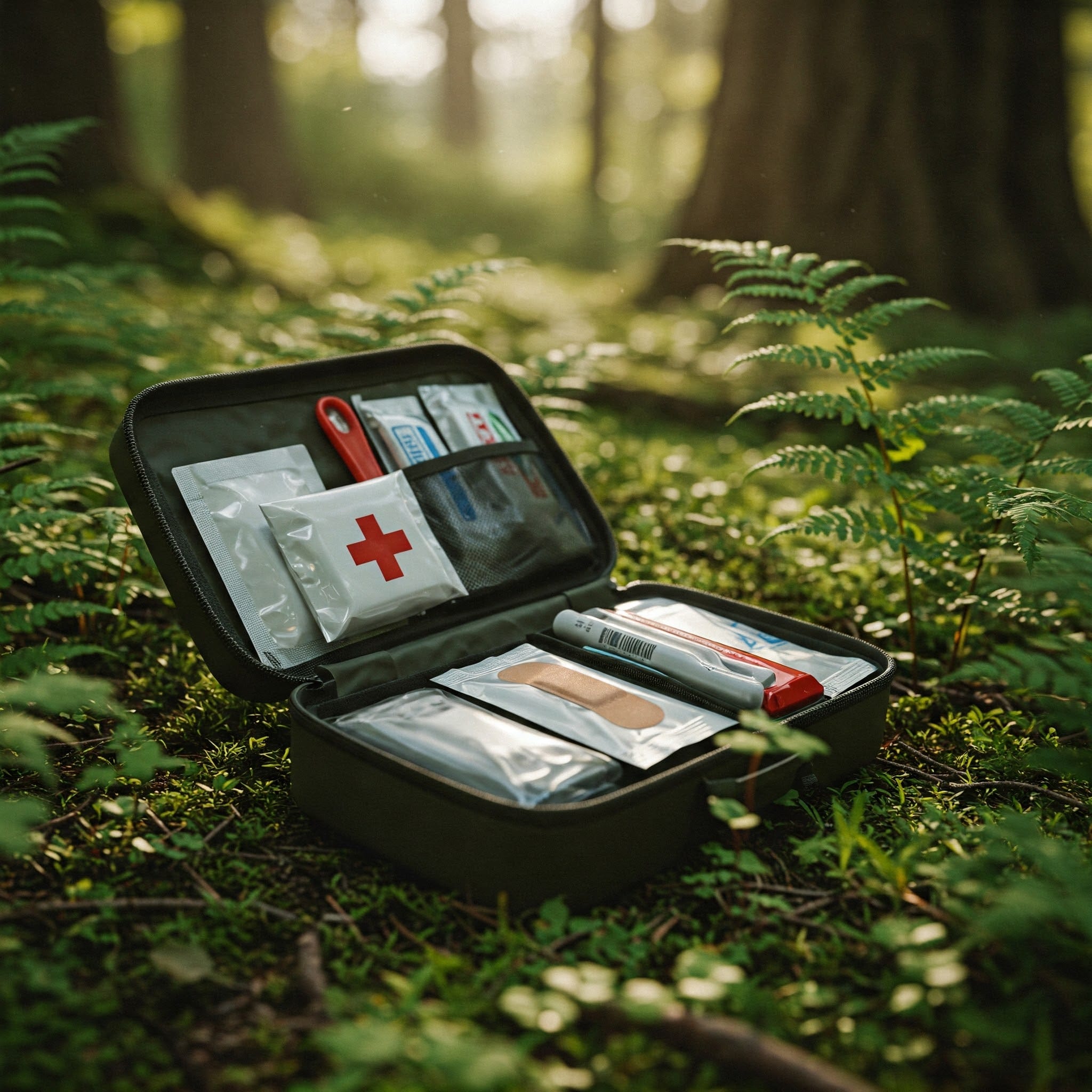
Medical preparedness on the trail requires both the possession of a well-stocked kit and the knowledge of how to use it. A standard wilderness first aid kit must be tailored to the specific environment and the duration of the trip. For instance, a high-altitude expedition requires different contingencies—such as pulse oximeters and protocols for altitude-related illnesses—compared to a lowland coastal trek.
Common mistakes in medical management often stem from a failure to stabilize the scene before administering aid. In any emergency, the order of operations must follow the "Scene Safety First" principle. Do not become a casualty while attempting to assist others. Establishing a perimeter, managing environmental exposure, and identifying the mechanism of injury are the precursors to any medical intervention.
Legal and Ethical Considerations in Wilderness Settings
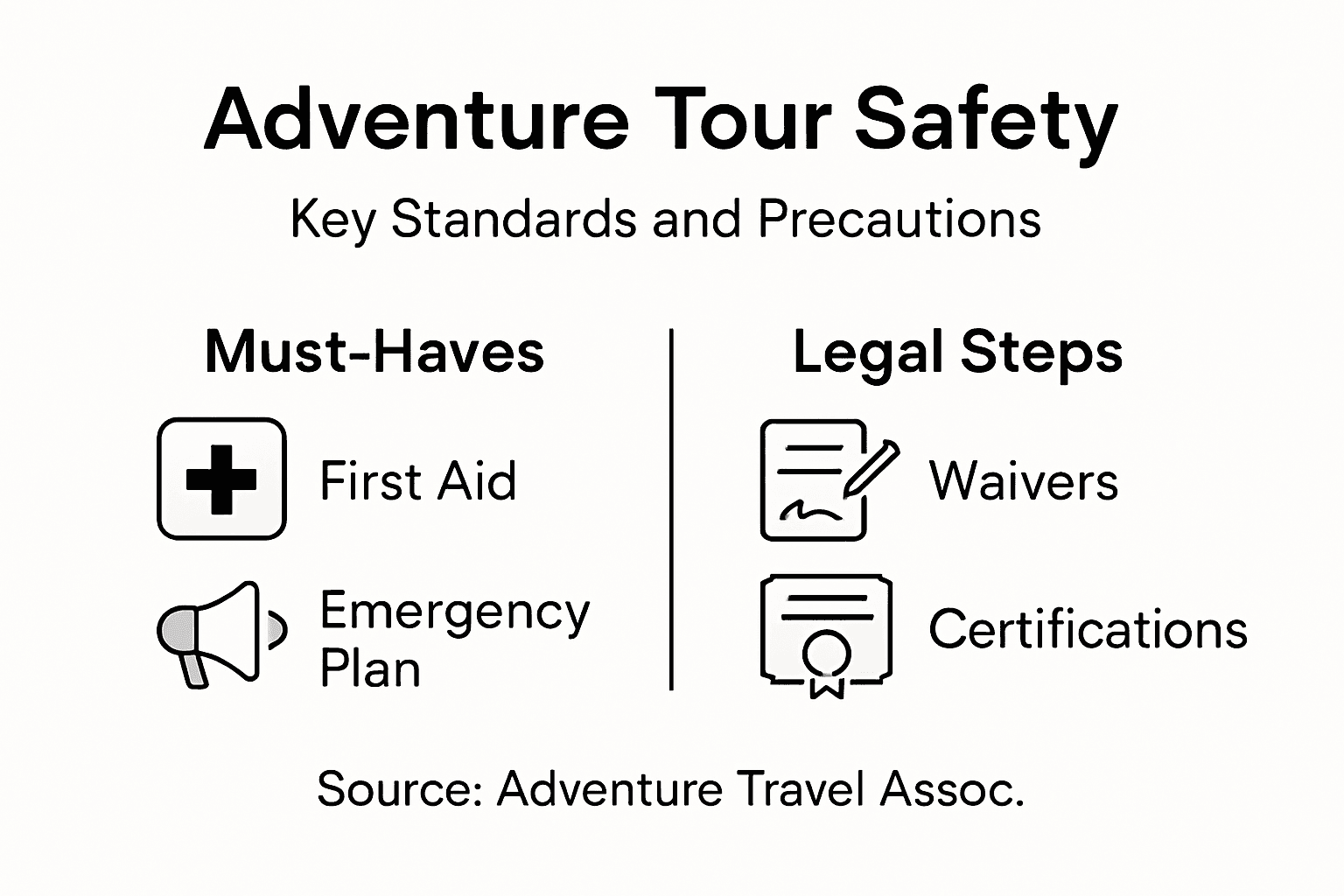
Adventure safety is not merely a personal responsibility; it often involves legal obligations. Many protected areas or international destinations require specific permits that include acknowledgment of inherent risks. Failure to adhere to these regulations can lead to fines or the forfeiture of search-and-rescue (SAR) support.
Furthermore, recognize the jurisdictional limits of rescue organizations. In some regions, SAR services are provided as a public utility, while in others, they may be private operations for which the subject is liable. Investigating whether your insurance policy includes emergency medical evacuation or search-and-rescue extraction coverage is a mandatory step for international or high-risk domestic excursions.
Managing Group Dynamics and Decision Fatigue
When working in teams, safety often collapses due to social pressures rather than environmental factors. "Summit fever" or the reluctance to voice concerns when a leader makes an questionable decision can result in catastrophe. Establishing a culture of open communication is a technical safety requirement.
Incorporate a "stop-work" authority within your group. This means any individual, regardless of rank or experience, has the absolute right to halt the progression of the adventure if they identify an unacceptable risk. This democratic approach to safety helps mitigate the effects of decision fatigue, which often sets in after long hours of exertion or exposure to harsh elements.
Frequently Asked Questions
What constitutes a reliable emergency signaling device in 2026?
A reliable device features two-way satellite communication, an integrated SOS button with a subscription-based rescue coordination service, and long battery life. Standalone satellite messengers are generally more reliable than smartphone satellite attachments due to their ruggedized design and dedicated antennas.
How often should I replace soft goods like ropes and harnesses?
Soft goods have an inherent service life determined by material degradation (nylon/polyester) and mechanical wear. While manufacturer guidelines vary, a typical "in-service" lifespan for climbing ropes is 5 to 10 years, even with light use. If a harness or rope suffers a major shock load or shows signs of chemical contamination, it must be retired immediately.
Should I take a professional training course before my trip?
Yes. Formal instruction in wilderness first aid (WFA) or wilderness first responder (WFR) protocols is highly recommended. These courses teach specialized assessment techniques for environments where professional medical help may be hours or days away.
What is the most common cause of preventable adventure accidents?
Inadequate trip planning and overestimating personal abilities are the most frequent root causes. Often, these failures manifest as being caught in adverse weather without proper shelter or failing to maintain a nutritional and hydration balance, which leads to impaired decision-making.
How can I verify the status of trail or area safety alerts?
Always check the official website of the land management agency overseeing your destination, such as a national park service or regional forest bureau. These sites provide the most accurate, real-time updates regarding closures, fire bans, or seasonal hazards that third-party apps may overlook.
Next Actions for Adventure Safety Planning
Before your next excursion, perform a "Safety Audit" of your itinerary. Identify your three most likely failure points—such as navigation loss, equipment breakdown, or injury—and write down a specific, actionable response for each. Verify that your communication devices are fully charged and that you have shared your detailed "trip plan" with a reliable contact who knows exactly when to initiate a rescue request if you fail to check in. For complex expeditions, consider consulting a certified guide service to perform a professional risk assessment of your planned route.