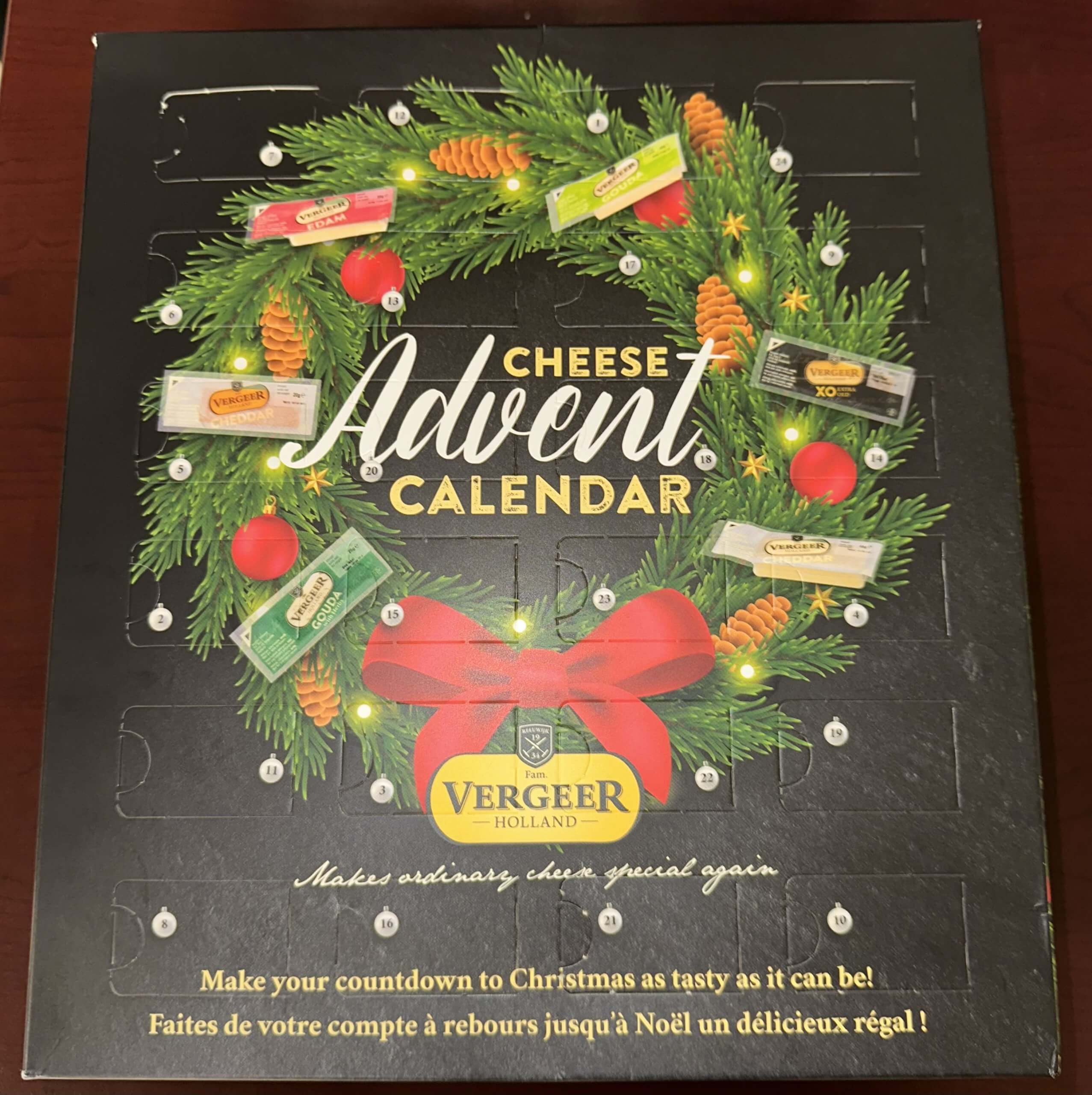
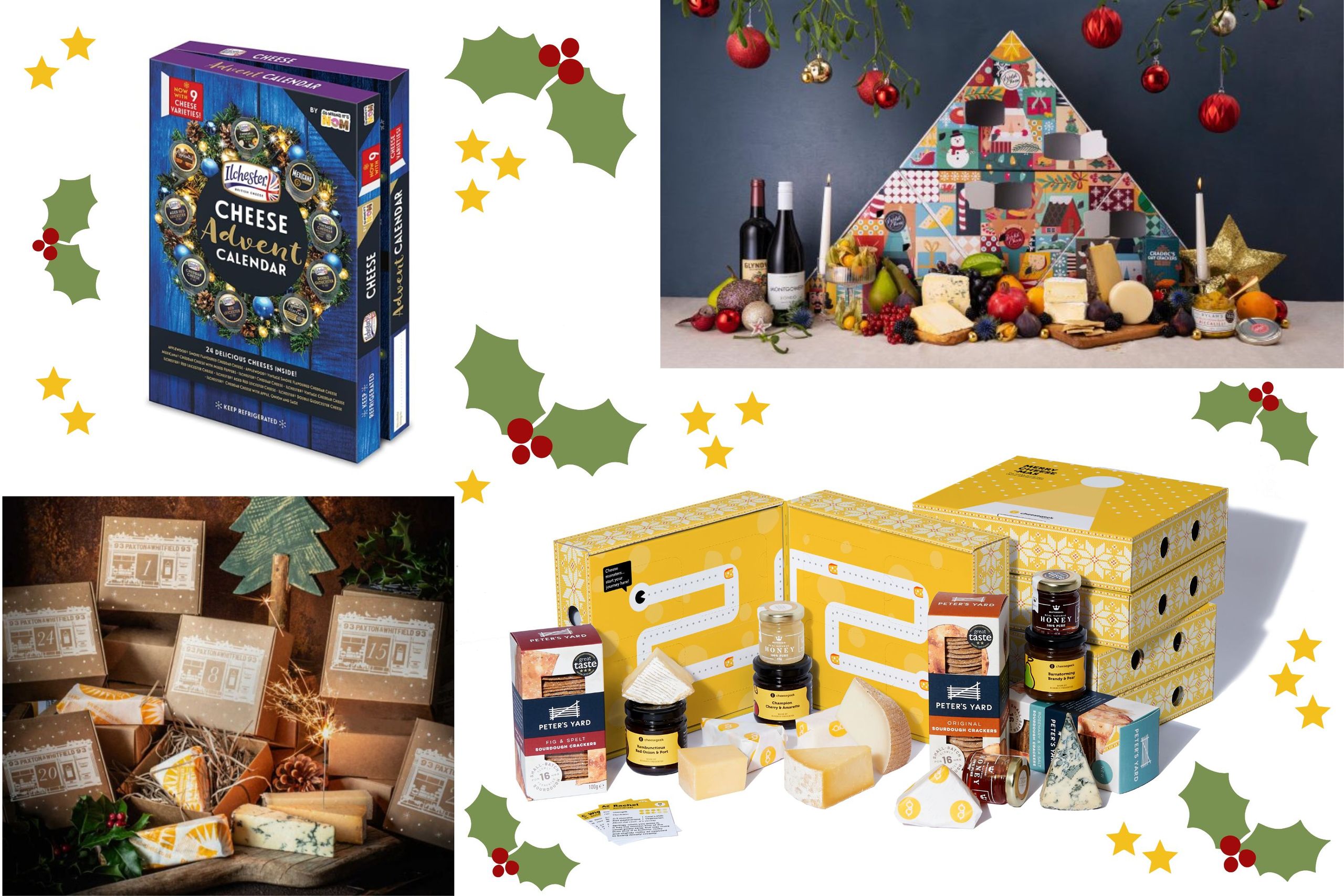
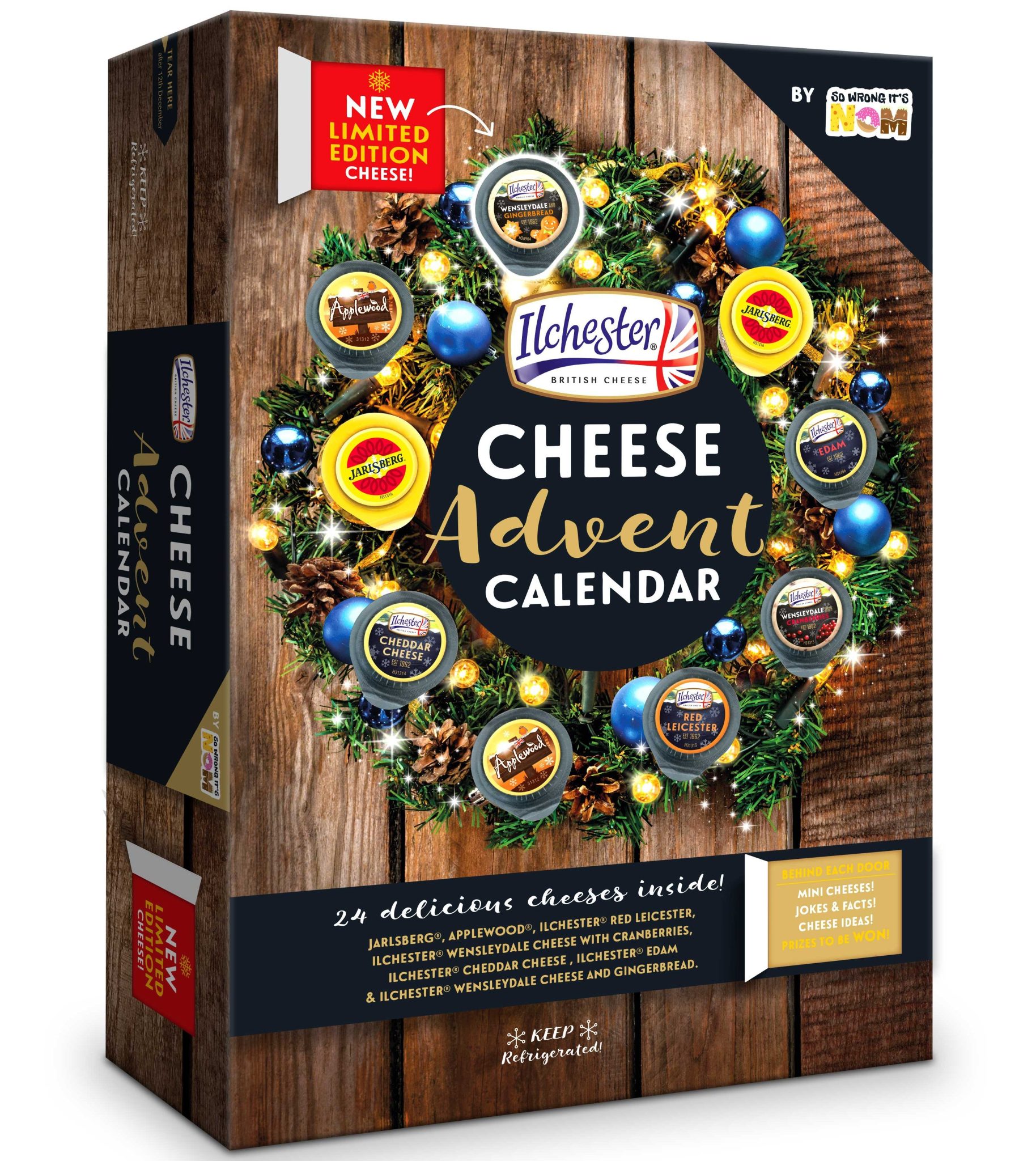
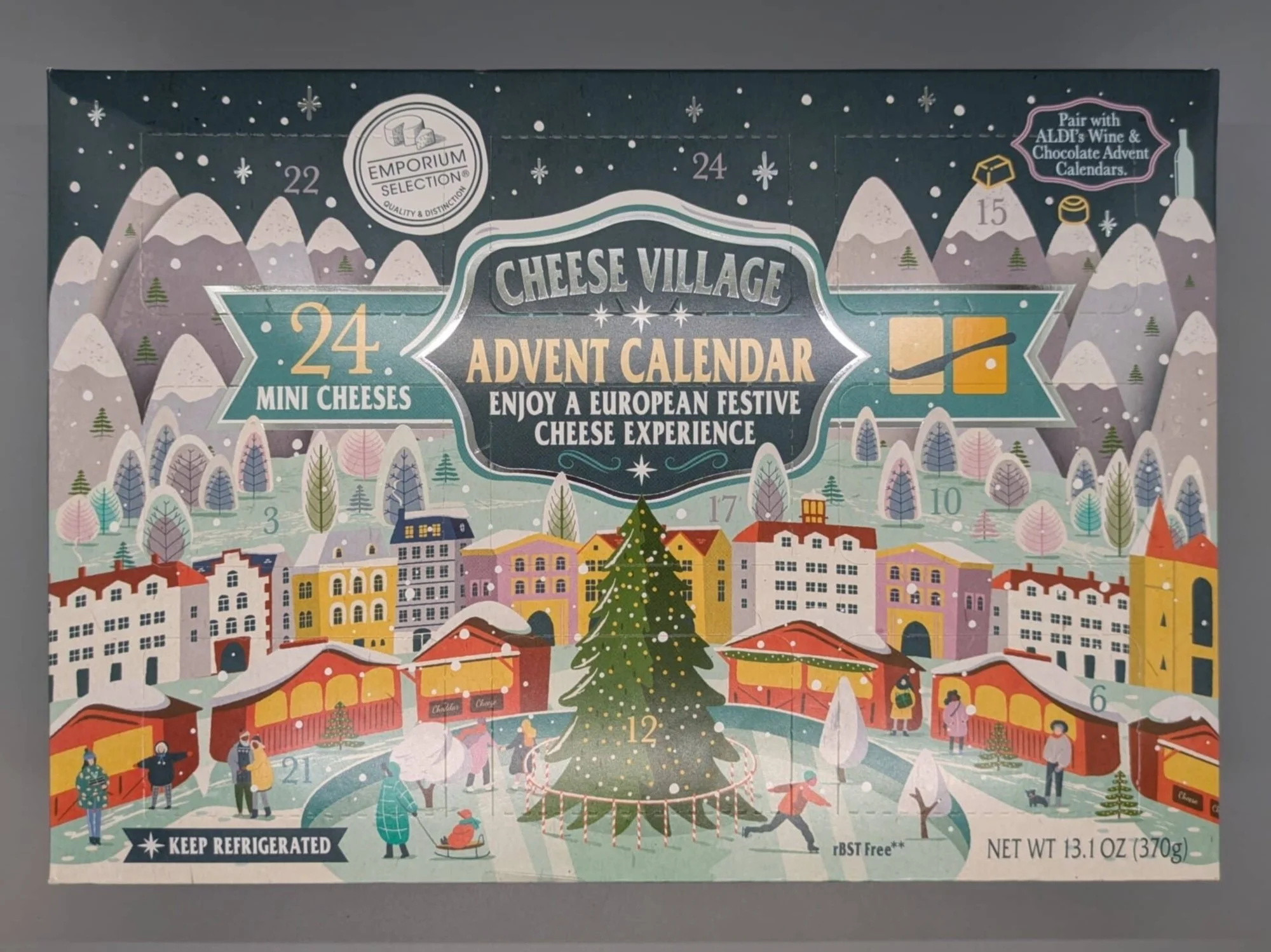
An advent cheese calendar is a curated seasonal product designed to count down the days until Christmas by providing a daily portion of gourmet cheese. Typically structured as a box with 24 individual compartments, these calendars feature a variety of artisanal, aged, or specialty cheeses, allowing consumers to experience a diverse tasting progression throughout December.
Defining the Advent Cheese Calendar
The advent cheese calendar has evolved from a traditional seasonal novelty into a sophisticated segment of the holiday food market. While conventional advent calendars are often associated with confectionery or toys, the cheese variant provides a savory alternative for enthusiasts of dairy products. These calendars are specifically engineered to maintain the integrity of artisanal food items during the holiday season.
At its core, a professional-grade cheese calendar is a refrigerated or shelf-stable shipping and storage unit that separates individual cheese portions to prevent cross-contamination of flavors and textures. The physical construction often involves a heavy-duty cardboard outer shell housing a plastic or bio-polymer tray. Each numbered door corresponds to a single, individually wrapped serving, typically ranging from 20 to 30 grams per piece.
Prerequisites and Storage Requirements
Before purchasing, it is critical to understand the storage requirements, as these dictate the longevity and quality of the product. Most commercially available advent cheese calendars require consistent refrigeration. Because these products contain perishable dairy, they are subject to cold-chain logistics requirements.
When you receive your calendar, the immediate priority is to transfer it to a refrigerator set between 1°C and 4°C (34°F to 39°F). Avoid storing the calendar near the back of the refrigerator, where temperatures can fluctuate, or near strong-smelling foods, as cheese is porous and can absorb ambient odors. If the calendar is marketed as "shelf-stable," it has likely undergone specialized heat treatment or vacuum-sealing processes. However, once the individual daily unit is opened, it should be consumed immediately for optimal flavor profile and safety.
Step-by-Step Usage Guide
Using an advent cheese calendar effectively involves a systematic approach to tasting and storage. Follow these steps to ensure you maintain the quality of the product from December 1st through December 24th.
- Preparation and Placement: Once the package arrives, ensure the seal is intact. Check for any damage to the external housing, as compromised packaging can lead to premature spoilage of internal components. Place it in the coldest, most stable part of your refrigerator.
- The Daily Ritual: Each morning or evening, open only the door corresponding to the current date. Resist the temptation to open multiple doors simultaneously, as breaking the seal on one compartment can expose neighboring cheeses to air and moisture, accelerating the drying process for the remaining pieces.
- Temperature Conditioning: For the best experience, remove the cheese portion from the refrigerator 15 to 30 minutes before consumption. Cheese served directly from a cold environment has suppressed aromatics and a harder, less palatable texture. Allowing it to reach room temperature (approximately 18°C to 20°C) allows the fats to soften and the flavor notes to bloom.
- Pairing and Consumption: Treat each daily serving as an independent tasting event. If the calendar includes pairing suggestions, follow them to experience the intended flavor profile. Cleanse your palate with plain water or a neutral cracker between bites if you are tasting multiple types of cheese.
Comparing Calendar Specifications
When selecting an advent cheese calendar, it is helpful to understand the variation in product offerings. The following table illustrates the common differences found across high-end and standard retail options in the 2026 market.
| Feature | Standard Retail Calendar | Artisan/Gourmet Calendar |
|---|---|---|
| Cheese Variety | Mostly processed or semi-hard | Raw milk, aged, and PDO cheeses |
| Portion Size | Consistent (20g) | Variable (20g–40g) |
| Storage | Refrigerated | Refrigerated or Cold-Ship |
| Documentation | Basic ingredients list | Tasting notes & pairing guides |
| Pricing Tier | Mid-range | Premium/Specialty |
Managing Sensory Expectations and Safety
The consumption of various cheese types—including goat, sheep, and cow milk varieties—presents different sensory profiles. Users should expect a progression in intensity. Often, these calendars start the month with milder, approachable cheeses like young cheddars or creamy bries and move toward more pungent, complex flavors like blue cheeses or aged Goudas as the month progresses.
From a safety perspective, verify the expiration date upon purchase. While the calendar is designed for the December season, always check that the "Best Before" date extends through at least December 26th. If you observe any mold that is not part of the intended cheese type (such as fuzzy, non-blue mold on a hard cheese) or if the packaging is bloated or torn, do not consume that specific unit.
For individuals with lactose intolerance or specific dietary allergies, scrutinize the ingredient list on the external packaging. Most reputable manufacturers provide a comprehensive index of ingredients for every day of the calendar, which is vital for identifying potential allergens such as nuts, gluten (if crackers are included), or specific dairy proteins.
Troubleshooting Common Issues
- Dry or Crumbly Cheese: This is often a result of temperature fluctuations. If the calendar was stored in a refrigerator door, move it to the main shelf.
- Excessive Moisture: If the cheese feels overly wet upon opening, it may be due to condensation caused by moving the product between different ambient temperatures. Allow the open piece to rest for a few extra minutes to stabilize.
- Missing Information: If a calendar does not include a guide, it is standard practice for the manufacturer to host a digital tasting guide on their official website. Search by the brand name and the specific year (2026) to locate the digital version of the product manual.
Frequently Asked Questions
Can I freeze the advent cheese calendar to make it last longer?
No, freezing is generally discouraged for artisanal cheeses included in these calendars. The freezing process alters the moisture content and crystalline structure of aged cheeses, often resulting in a mealy or crumbly texture upon thawing. These products are formulated for immediate consumption within the 24-day window.
Are these calendars suitable for children?
Generally, yes, but be aware that many artisan cheese calendars include unpasteurized or strong-flavored cheeses, such as Roquefort or washed-rind varieties, which may have complex profiles that are less appealing to young palates. Always check the included tasting guide for details on the specific varieties provided.
Do I need to buy crackers or wine separately?
Most advent cheese calendars focus exclusively on the dairy product. While some premium sets include a small amount of pairing accoutrements, the vast majority require you to provide your own accompaniments. If you wish to pair them, choose neutral-flavored water crackers to avoid overpowering the delicate flavors of the cheese.
How do I dispose of the packaging correctly?
In 2026, most manufacturers have moved toward recyclable or compostable materials. Check the markings on the back of the calendar. Typically, the outer cardboard box is recyclable, while the plastic individual trays may need to be sorted based on your local municipal recycling guidelines.
Next Steps for Enthusiasts
To fully maximize your experience, start by researching the specific producer before your purchase. Determine if the calendar features internationally recognized Protected Designation of Origin (PDO) cheeses, which ensures the product was manufactured according to strict regional standards. By understanding the provenance of the selections, you can elevate your daily countdown from a simple snack to an educational culinary journey. If you find a particular cheese you enjoy, keep the tasting notes provided by the manufacturer to help you identify similar profiles for future, non-seasonal purchases.