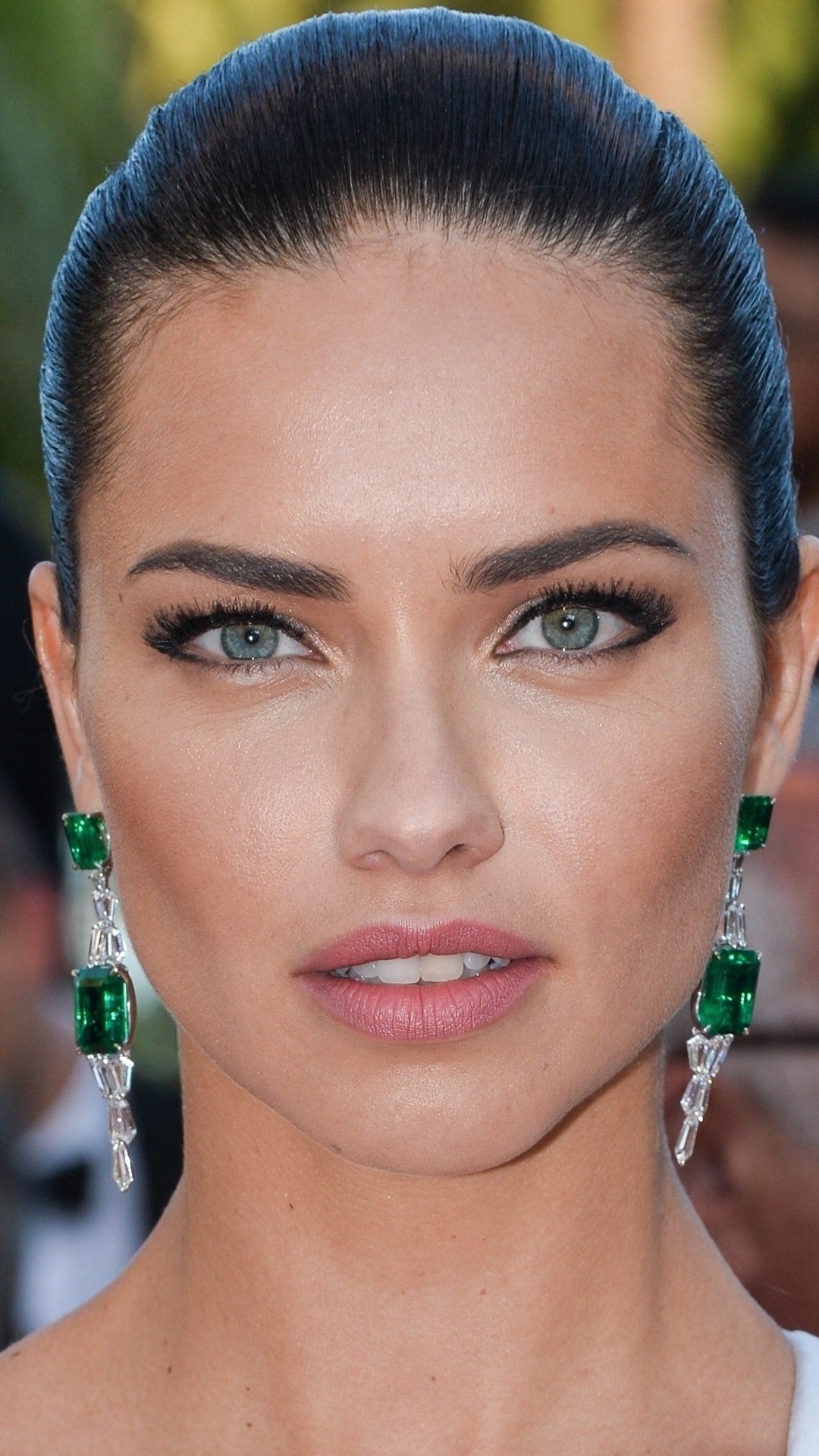
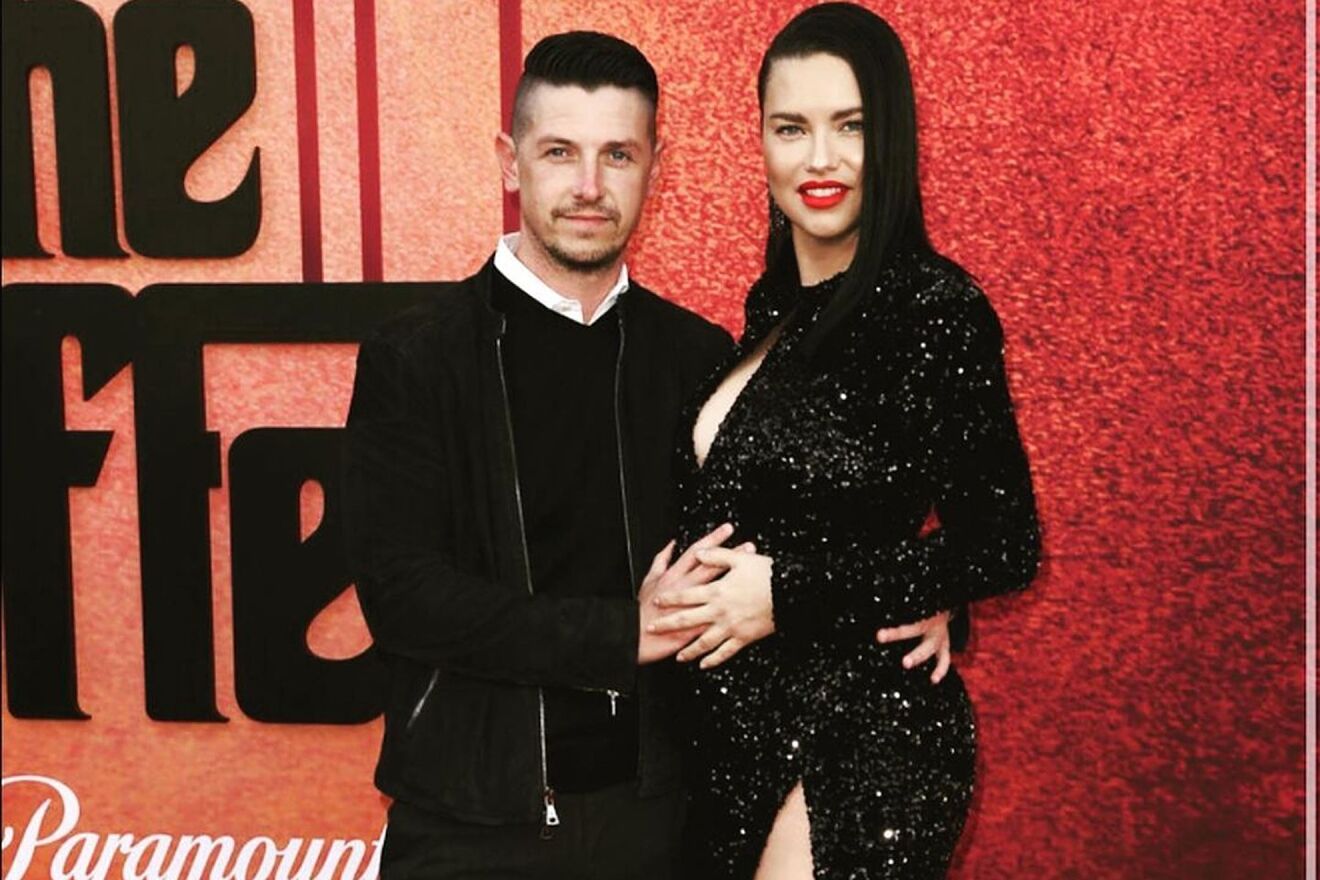
Adriana Lima is an internationally recognized Brazilian supermodel whose career has spanned over three decades, marked by her long-standing tenure as a Victoria’s Secret Angel and her consistent presence in global high-fashion advertising. Beyond her runway work, she has cultivated a distinct public persona, transitioning from a commercial fashion icon to a multifaceted entrepreneur and media personality.
The Early Career and Global Rise
Born in Salvador, Bahia, in 1981, Adriana Lima entered the fashion industry after winning the "Supermodel of Brazil" competition at age 15. Her rapid ascent was defined by a classic aesthetic that appealed to both luxury high-fashion houses and mass-market commercial brands. By the late 1990s, she moved to New York City and signed with Elite Model Management, quickly securing bookings with publications such as Vogue and Harper’s Bazaar.
Her rise to prominence was solidified through an aggressive expansion into television and commercial branding. In 2000, she became a spokesmodel for Maybelline New York, a partnership that brought her face to a global consumer demographic. This early commercial success established a blueprint for her career: balancing prestige editorial work with high-visibility, mainstream brand representation.
The Victoria’s Secret Era
The most defining period of Lima’s career began in 1999 when she walked her first Victoria’s Secret Fashion Show. In 2000, she was officially contracted as a Victoria’s Secret Angel. This role elevated her from a successful fashion model to a household name and a global pop-culture fixture.
For nearly two decades, Lima remained the brand's most recognizable face. Her tenure involved extensive global travel for product launches, fronting the company's major marketing campaigns, and opening the annual televised fashion show on multiple occasions. Analysts often cite the Victoria’s Secret era as the peak of the "supermodel" branding model, where individual models became the primary vehicles for brand identity. Lima’s longevity within the organization provided her with a degree of professional stability rare in the fashion industry, allowing her to negotiate lucrative contracts and maintain a consistent public image.
Branding and Public Persona
Lima’s public persona is frequently analyzed through the lens of her ability to pivot between different segments of the entertainment industry. While her early career focused on conventional beauty standards, her later career has emphasized personal advocacy and lifestyle branding.
Her public image has been shaped by:
- Charitable Engagement: Lima has frequently utilized her platform for philanthropic efforts, including working with the St. Luke Foundation for Haiti and various programs aimed at supporting children in her native Brazil.
- Athletic Branding: Long before "wellness" became an industry staple, Lima integrated her personal interest in boxing and high-intensity fitness into her public identity. This transition allowed her to maintain relevance by pivoting from a "product" (a model for lingerie/cosmetics) to a "practitioner" (a health-conscious athlete).
- Media Presence: Through guest roles in television series and her recurring role as a brand ambassador for high-profile luxury entities, she has successfully curated an image of both accessibility and exclusivity.
Comparison of Career Phases
The following table outlines the distinct shifts in Lima's professional focus throughout her career trajectory, illustrating how she managed her transition from runway model to public personality.
| Career Phase | Primary Domain | Strategy | Key Partnership/Focus |
|---|---|---|---|
| Emerging (1996–1999) | Editorial Fashion | Portfolio Development | Elite Model Management |
| Peak Angel (2000–2018) | Commercial/High Fashion | Mass Brand Association | Victoria’s Secret |
| Diversification (2019–Present) | Entrepreneurship/Media | Lifestyle Advocacy | Independent Branding |
Strategic Professional Evolution
As of 2026, Lima’s professional activities have shifted toward long-term brand ambassadorships and curated media projects. Rather than participating in the traditional, high-frequency fashion show circuits, she focuses on selective, high-impact collaborations.
This evolution is typical for models who maintain their stature over two decades. By limiting her exposure, she increases the perceived value of her appearances. Furthermore, her focus on, and alignment with, beauty and wellness brands—rather than just seasonal fashion houses—reflects a strategic move to align with shifting consumer interests toward "clean beauty" and holistic personal health.
Navigating the Industry: Considerations for Success
For individuals looking to understand the mechanics of long-term branding in the modeling industry, Lima’s career offers several replicable insights regarding longevity and reputation management:
- Platform Utility: Models who thrive for decades often link their image to a stable, long-term partner (such as a major cosmetic or apparel brand) to ensure consistent exposure.
- Adaptability: Lima successfully moved from print and runway to video and social media by shifting the narrative around her image to include personal interests, such as boxing, which resonates with wider, non-fashion-focused audiences.
- Boundary Maintenance: Maintaining a public persona requires strict control over how personal life is presented. Lima has historically limited the extent to which her private life dictates her public professional image, focusing instead on her professional work as a model and philanthropist.
Frequently Asked Questions
What was the duration of Adriana Lima's tenure as a Victoria’s Secret Angel?
Adriana Lima held the title of Victoria’s Secret Angel from 2000 to 2018. During this 18-year period, she participated in numerous television specials and international campaigns, making her the longest-running Angel in the company’s history.
How did Adriana Lima transition her career after leaving high-fashion runway shows?
Following her departure from the core Victoria’s Secret circuit, Lima transitioned into selective, high-profile ambassadorships and invested in personal brand-building through social media and wellness-focused advocacy. This shift emphasizes quality of partnership over the quantity of runway appearances.
What is the significance of the "cyan" reference in relation to her public persona?
In the context of fashion and media, "cyan" is often associated with the specific color-grading used in high-contrast editorial photography. While not a formal moniker, the association refers to the visual aesthetic commonly seen in early-2000s fashion photography, which heavily featured Lima in high-saturation, vibrant, and stylized imagery.
How has social media changed the management of Adriana Lima’s image?
Social media allows for direct communication with a global audience, removing the reliance on third-party editorial gatekeepers. For a figure like Lima, this enables the direct promotion of personal values, fitness routines, and brand endorsements, granting her greater autonomy over her public narrative compared to the early years of her career.
Does Adriana Lima currently participate in high-fashion modeling?
As of 2026, she maintains a presence in the industry through high-profile campaigns and appearances, though she is no longer a full-time participant in the standard seasonal fashion week circuit. Her current focus remains on legacy partnerships and selective editorial work.
Next Actions for Industry Analysis
To further analyze the impact of figures like Adriana Lima, researchers should focus on the financial reports of the brands she has represented, specifically the correlation between her campaign launches and the brands' quarterly revenue growth during the early 2000s. Additionally, examining the digital footprint of her later brand partnerships provides insight into how luxury marketing has pivoted from traditional television/print media to integrated influencer-style digital campaigns. For those interested in the business of modeling, evaluating the terms of long-term ambassadorship contracts remains the most effective way to understand the economic structure of professional modeling in the 21st century.