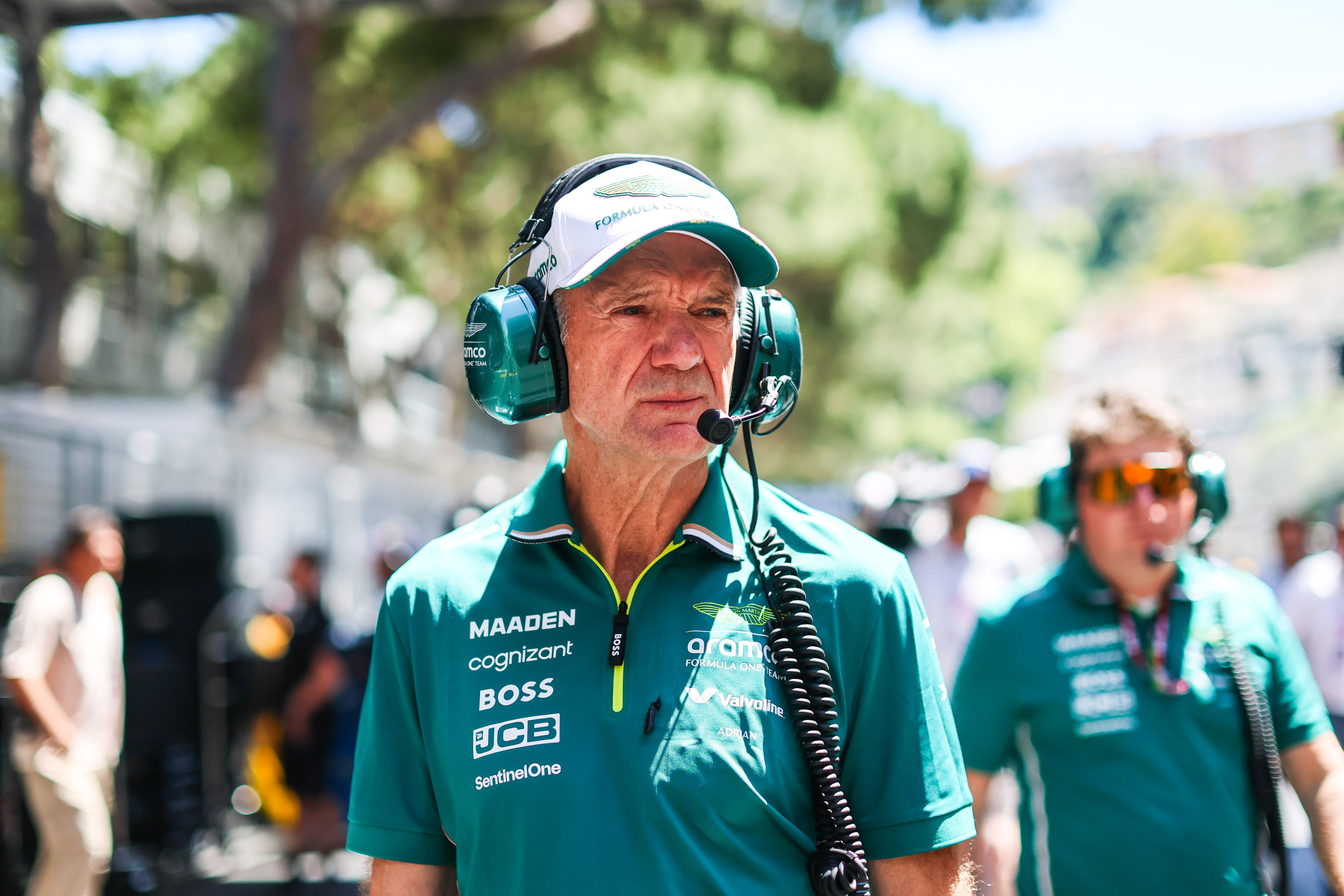
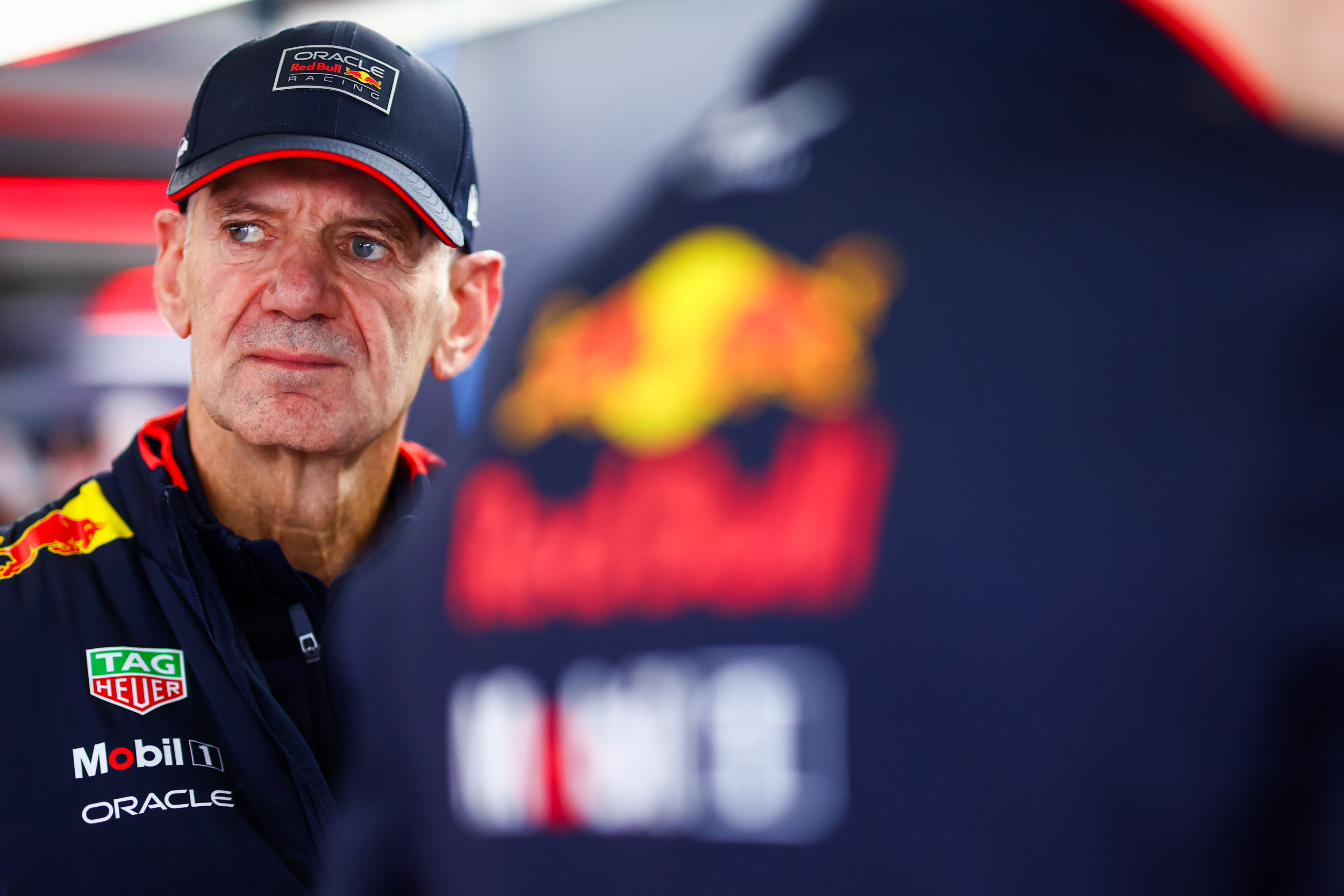
Adrian Newey is the most successful technical officer in Formula 1 history, having designed championship-winning cars for Williams, McLaren, and Red Bull Racing. Renowned for his expertise in aerodynamics and "ground effect" physics, he has secured over 25 world titles across his career, fundamentally shaping the technical evolution of modern grand prix racing.
As we progress through the 2026 Formula 1 season, the influence of Adrian Newey remains the sport's most significant technical talking point. Following his high-profile transition from Red Bull Racing to Aston Martin in early 2025, the racing world has watched closely to see how the "man who can see air" adapts to a new environment and the sport's radical 2026 regulatory overhaul. Newey’s career is not merely a list of statistics; it is a narrative of how one individual's understanding of fluid dynamics can outpace the most advanced supercomputers in the world.
The Foundations of an Aerodynamic Genius
Adrian Newey’s journey began with a childhood obsession with scale models and a deep-seated desire to understand how machines interact with the atmosphere. He attended Southampton University, where his senior thesis focused on ground-effect aerodynamics—a topic that would prove prophetic decades later when F1 returned to ground-effect floors in 2022.
Newey’s professional career started in IndyCar with March Engineering, where his designs for the March 85C and 86C won the Indianapolis 500. This early success established a pattern that would define his life: an uncanny ability to find "grey areas" in technical regulations that others overlooked. When he moved to Formula 1 with the Leyton House team (formerly March) in the late 1980s, his cars were often faster than their budgets suggested, catching the eye of the sport's giants.
His design philosophy has always been characterized by extreme packaging and aerodynamic efficiency. While most modern engineers rely almost exclusively on Computational Fluid Dynamics (CFD) and Computer-Aided Design (CAD), Newey famously continues to use a manual drawing board and pencil. This "analog" approach allows him to visualize the holistic flow of air around a car in a way that granular digital simulations sometimes miss, bridging the gap between theoretical physics and the practical realities of a racing chassis.
Dominance at Williams and McLaren
The 1990s marked Newey’s ascent to legendary status. Joining Williams in 1991, he partnered with Patrick Head to create a series of cars that were technologically lightyears ahead of the competition. The Williams FW14B, featuring active suspension, traction control, and semi-automatic gearboxes, remains one of the most sophisticated racing cars ever built.
Under Newey’s technical direction, Williams secured several Drivers' and Constructors' Championships with legends like Nigel Mansell, Alain Prost, and Damon Hill. However, the search for greater autonomy led him to McLaren in 1997. There, he immediately designed the MP4/13, which propelled Mika Häkkinen to back-to-back world titles in 1998 and 1999. His time at McLaren was defined by narrow-track regulations where he managed to maintain high downforce levels despite the restricted dimensions of the cars, proving that his genius was not dependent on any single set of rules.
The Red Bull Dynasty: Building a Powerhouse
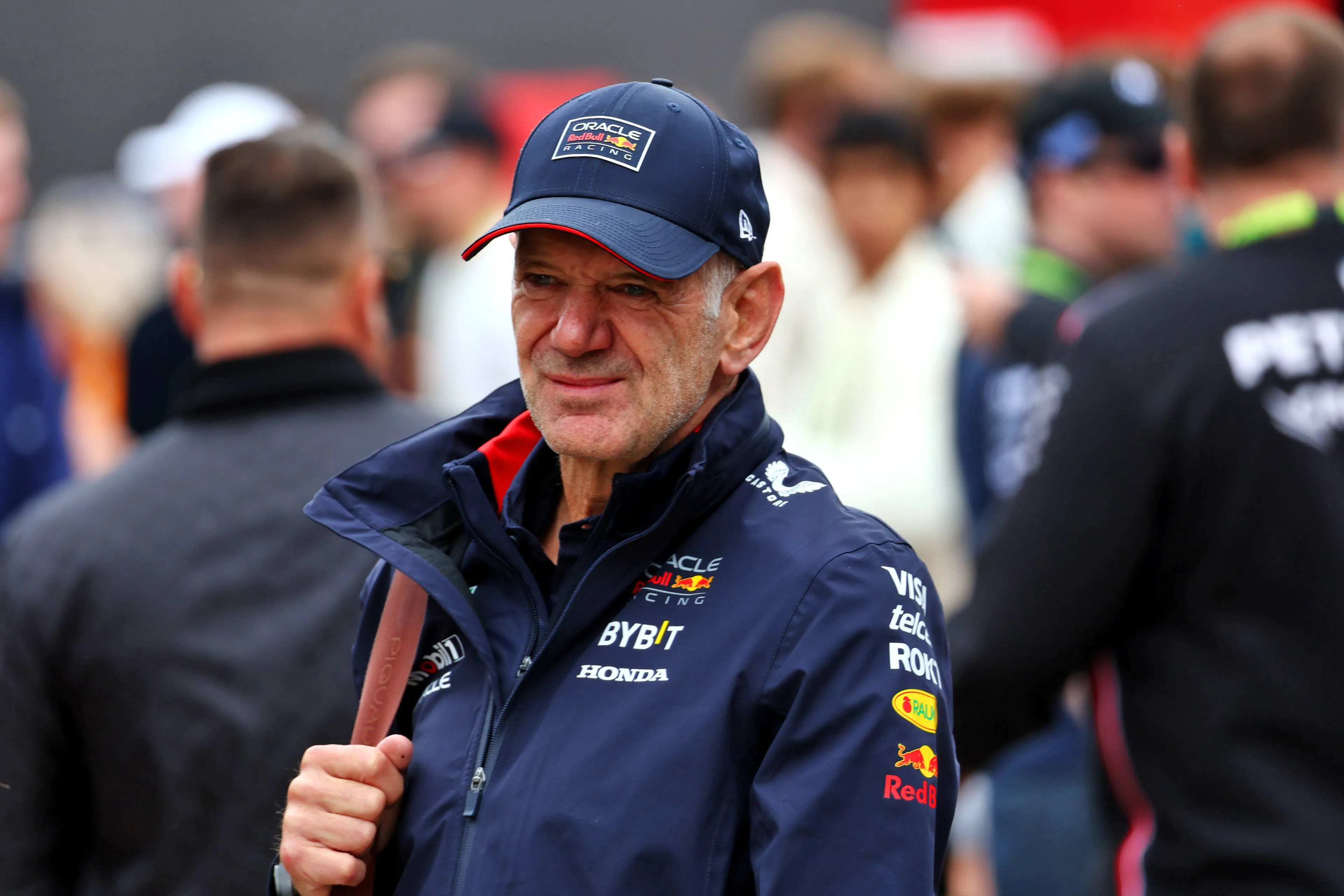
Perhaps Newey’s greatest achievement was transforming Red Bull Racing—a team born from the remains of the struggling Jaguar outfit—into a multi-year champion. Joining in 2006, Newey was given the freedom to build a technical department from the ground up. This era showcased his ability to manage large-scale engineering projects while maintaining his hands-on design role.
The results were transformative:
- The Vettel Era (2010–2013): Newey perfected the "blown diffuser" concept, using engine exhaust gases to create downforce even at low speeds. This led to four consecutive double world championships for Sebastian Vettel and Red Bull.
- The Verstappen Era (2022–2024): When F1 introduced ground-effect regulations in 2022, Newey’s university expertise came full circle. While other teams struggled with "porpoising" (a violent bouncing motion at high speeds), Newey’s RB18 and its successor, the RB19, were masterclasses in mechanical platform stability and under-floor airflow.
The RB19, in particular, became the most dominant car in F1 history, winning 21 out of 22 races in the 2023 season. This success underscored Newey’s unique ability to interpret complex aerodynamic requirements while ensuring the car remained "driveable" for the pilot at the limit.
Adrian Newey’s Championship Legacy
The following table outlines the primary championship-winning chassis designed or heavily influenced by Adrian Newey throughout his tenure in Formula 1.
| Team | Chassis Model | Year(s) | Primary Driver(s) | Key Technical Innovation |
|---|---|---|---|---|
| Williams | FW14B | 1992 | Nigel Mansell | Active Suspension & Aero Packaging |
| Williams | FW15C | 1993 | Alain Prost | Electronic Driver Aids |
| Williams | FW18/FW19 | 1996-1997 | Hill / Villeneuve | Low Center of Gravity |
| McLaren | MP4/13 | 1998 | Mika Häkkinen | Narrow-Track Aero Efficiency |
| Red Bull | RB6 - RB9 | 2010-2013 | Sebastian Vettel | Blown Diffuser & Coanda Effect |
| Red Bull | RB18 | 2022 | Max Verstappen | Ground Effect Floor & Suspension |
| Red Bull | RB19 | 2023 | Max Verstappen | Drag Reduction System (DRS) Efficiency |
The Move to Aston Martin and the 2026 Regulations
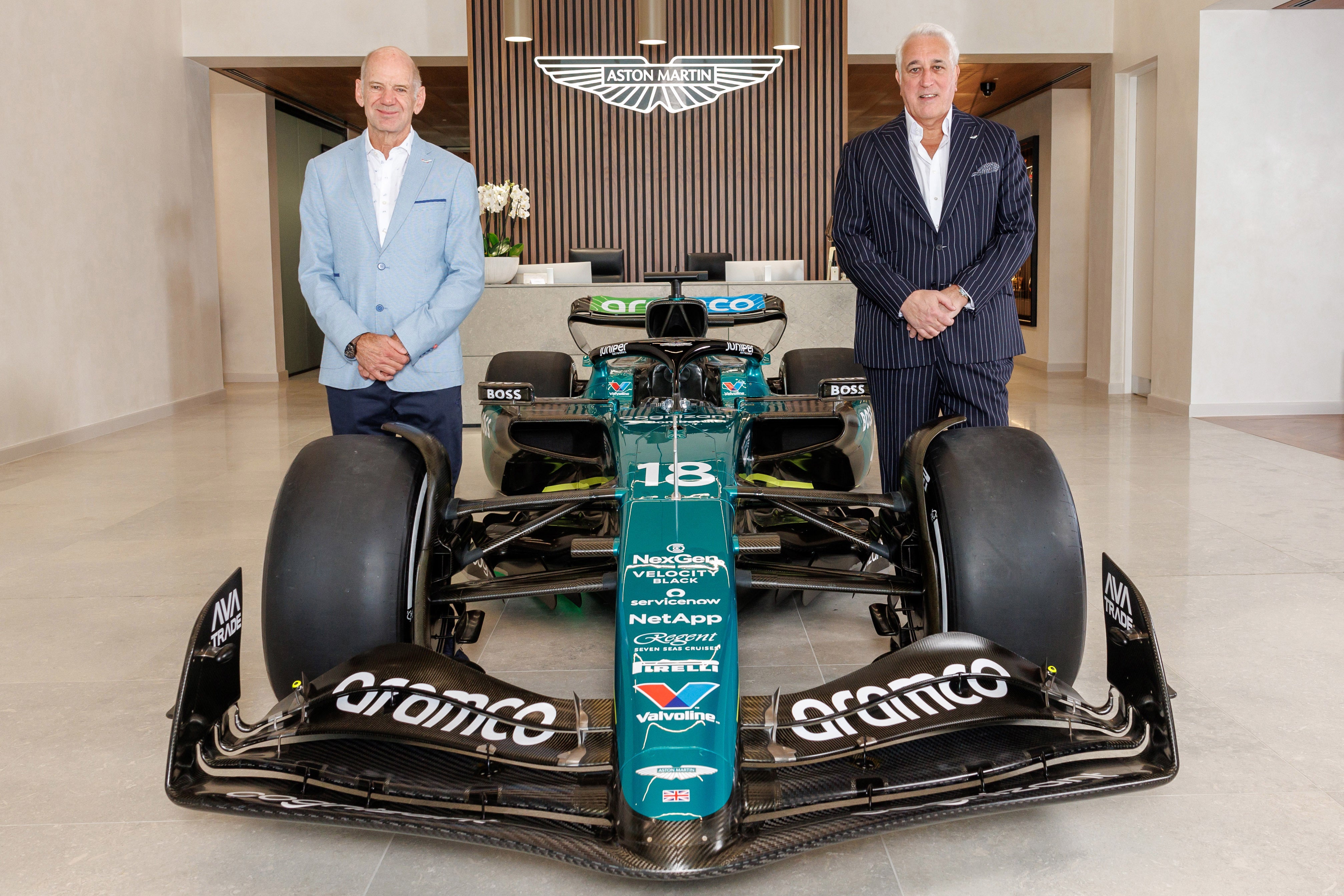
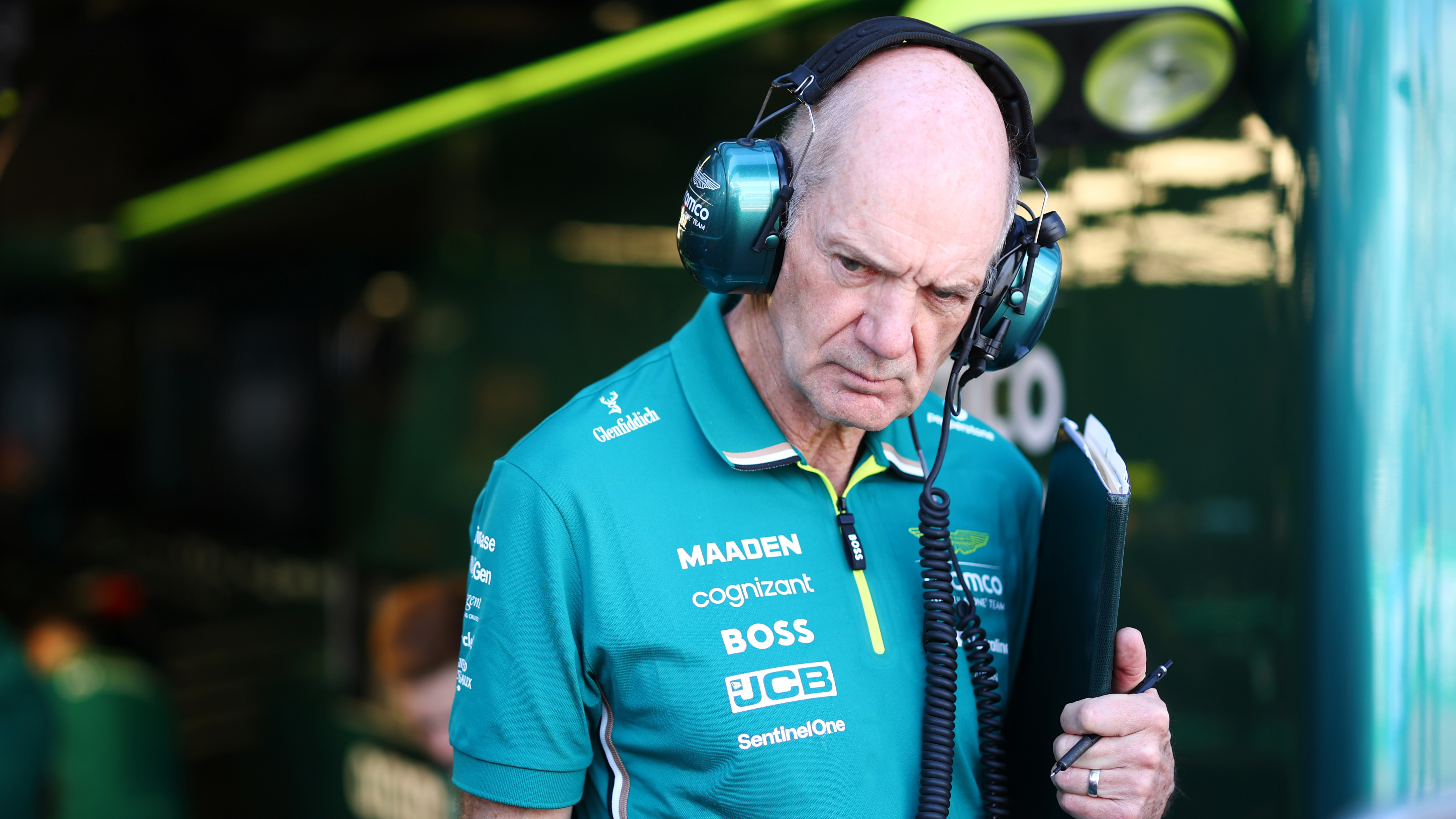
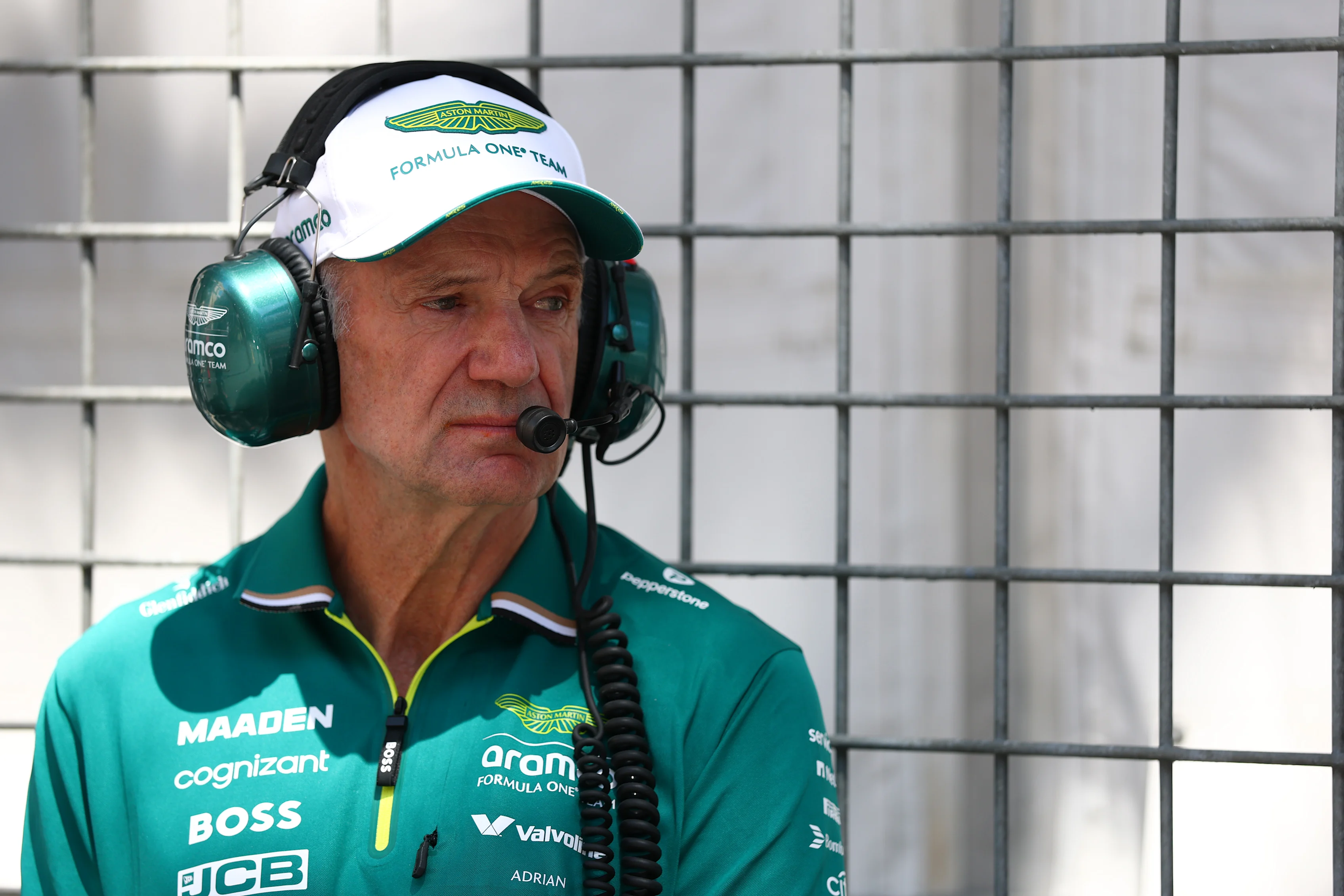
In May 2024, Red Bull Racing confirmed that Adrian Newey would be departing the team after nearly two decades. This sparked a massive bidding war among the top teams on the grid. In September 2024, it was officially announced that Newey would join Aston Martin Aramco Formula One Team as Managing Technical Partner, starting in March 2025.
As we stand in 2026, the impact of this move is the central focus of the championship. Newey joined Aston Martin specifically to spearhead the development of the 2026 car, which operates under a completely new set of power unit and aerodynamic regulations. These "Active Aero" rules, which involve moveable front and rear wings to balance drag and downforce, play directly into Newey’s strengths in aerodynamic sensitivity.
Furthermore, Newey’s arrival at Aston Martin coincided with the team’s move into a state-of-the-art wind tunnel and factory complex in Silverstone. For the first time in his career, Newey has been tasked with integrating a new works engine partnership—this time with Honda—into a chassis of his own design. The 2026 season represents Newey’s first real opportunity to prove that his success can be replicated in a fourth distinct F1 environment.
Beyond the Grid: Hypercars and Engineering Projects
Adrian Newey’s influence extends beyond the 200mph world of Grand Prix racing. His desire to create the "ultimate road car" led to the development of the Aston Martin Valkyrie, a collaboration between Red Bull Advanced Technologies and Aston Martin. The Valkyrie is essentially an F1 car with two seats and headlights, utilizing extreme ground-effect tunnels to produce levels of downforce previously thought impossible for a road-legal vehicle.
Continuing this trend, Newey led the design of the Red Bull RB17, a track-only hypercar unveiled in its final form in 2024/2025. The RB17 serves as a "greatest hits" of Newey’s career, featuring a naturally aspirated V10 engine and active aerodynamics that bypass the restrictive rules of Formula 1. These projects demonstrate his versatility as an engineer; he is just as capable of designing a high-performance carbon-fiber tub for a road car as he is a front wing for a racing car.
Frequently Asked Questions
Why did Adrian Newey leave Red Bull Racing?
While various factors contributed, reports and interviews indicated a desire for a new challenge after nearly 20 years at Red Bull. The internal friction within the team during early 2024 and the opportunity to lead a project at Aston Martin with a new wind tunnel and a fresh works partnership with Honda were primary drivers for his departure.
How many world championships has Adrian Newey won?
As of the start of the 2026 season, Adrian Newey has been the technical lead for cars that have won 13 Drivers' Championships and 12 Constructors' Championships. This total spans his time at Williams, McLaren, and Red Bull Racing, making him the most decorated engineer in the history of the sport.
Does Adrian Newey really still use a drawing board?
Yes, Newey is famous for his preference for the drawing board over CAD software. While his designs are eventually digitized by a team of engineers for manufacturing and CFD testing, the initial concepts, aerodynamic surfaces, and overall packaging are hand-drawn by Newey himself. He believes this allows for a more fluid and creative design process.
What is Adrian Newey’s educational background?
Adrian Newey graduated with a First Class honors degree in Aeronautics and Astronautics from the University of Southampton in 1980. His specialized education in airflow and lift-to-drag ratios provided the scientific foundation for his later innovations in ground-effect aerodynamics in Formula 1.
How much is Adrian Newey’s salary at Aston Martin?
While official figures are private, reputable sports journalism outlets have reported that Newey’s multi-year contract with Aston Martin is worth approximately £30 million ($39 million) per year, including bonuses and potential shareholding options. This makes him one of the highest-paid individuals in Formula 1, including drivers.
Monitoring the 2026 Technical Race
For fans and analysts looking to understand the future of the sport, the performance of the Aston Martin chassis in the 2026 season is the ultimate benchmark for Newey’s current standing. To stay updated on technical developments, readers should follow the official Formula 1 technical analysis and Aston Martin F1's technical updates.
The key metrics to watch are the car’s efficiency in high-speed corners and its ability to manage the "Active Aero" transitions without losing balance—areas where Newey has historically outperformed all rivals. Whether Newey can lead a fourth team to glory remains the most compelling narrative in the pinnacle of motorsport.