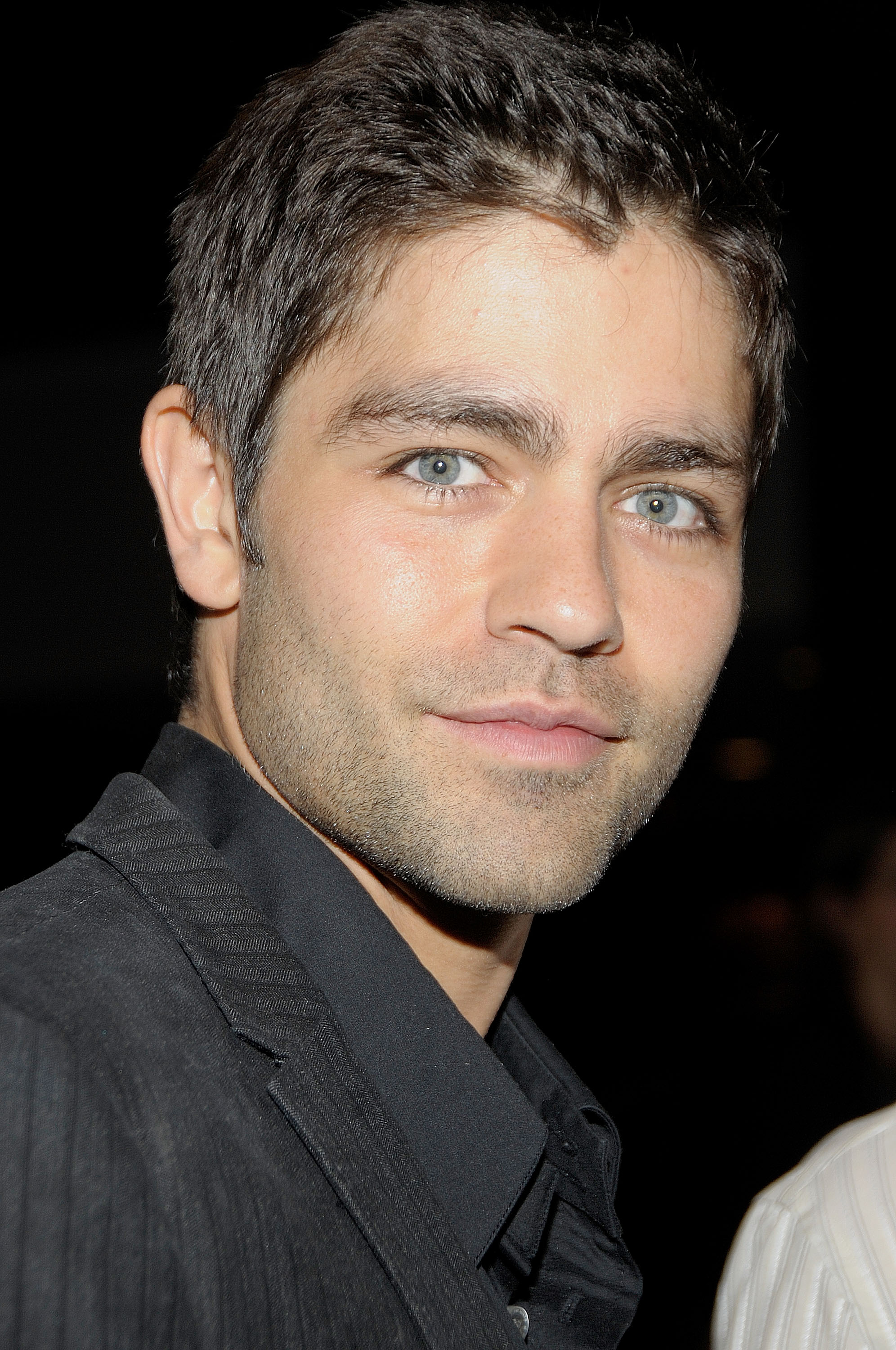
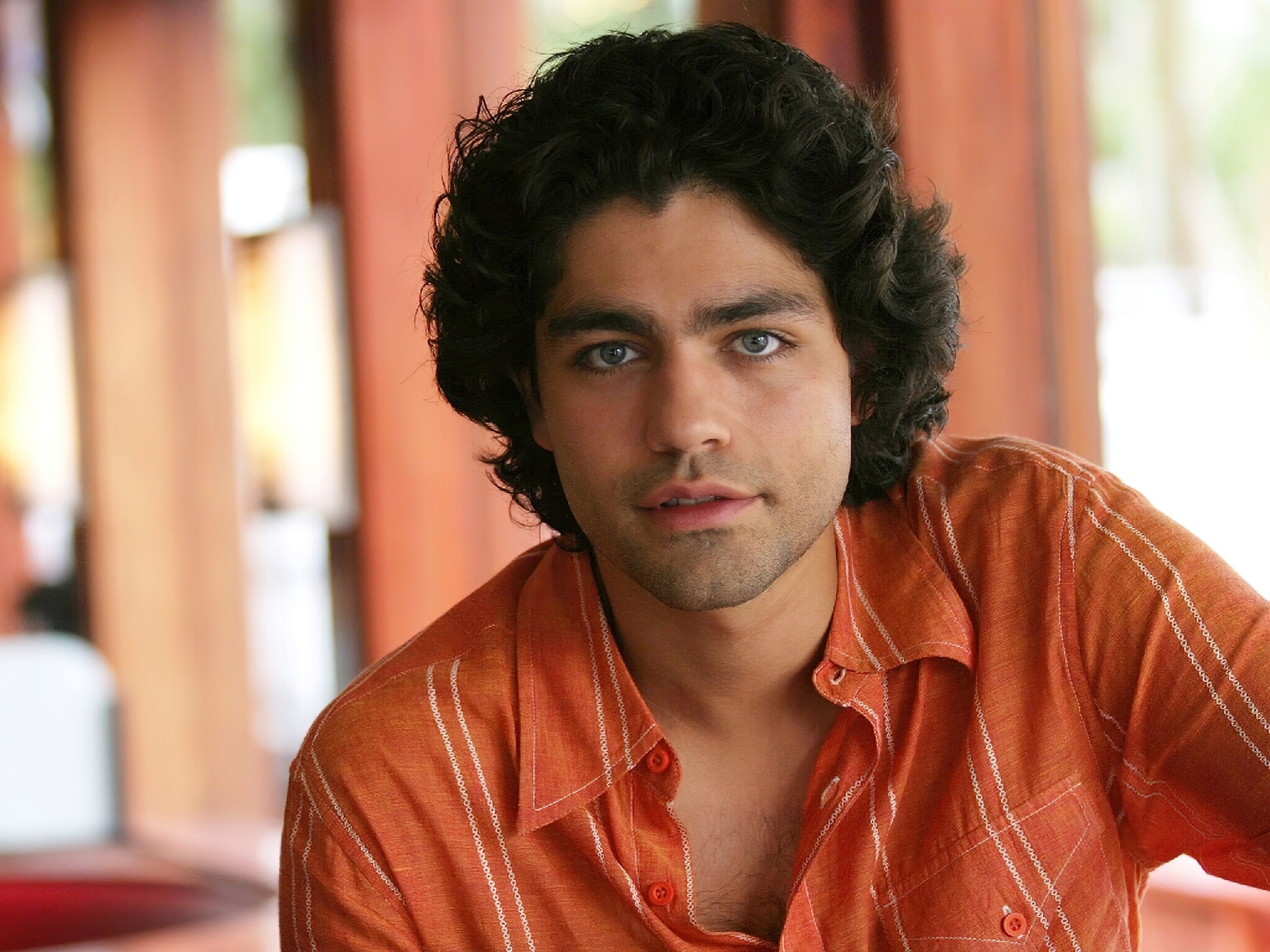
Adrian Grenier is an American actor, producer, and environmentalist best known for his portrayal of Vincent Chase in the HBO series Entourage. By 2026, his legacy has evolved significantly beyond Hollywood; he is now a prominent figure in regenerative agriculture and sustainability, living a self-sufficient lifestyle on his farm in Texas.
The Hollywood Genesis and the "Entourage" Effect
For nearly a decade, the name Adrian Grenier was synonymous with the excess and glitz of Hollywood. Born on July 10, 1976, in Santa Fe, New Mexico, and raised in New York City, Grenier's early career featured notable roles in films like Drive Me Crazy and The Devil Wears Prada. However, it was his 2004 debut as Vincent Chase in Entourage that propelled him into the global spotlight.
The character of Vincent Chase represented the ultimate Hollywood dream: a rising star navigating fame, fortune, and friendship. While the show celebrated the fast-paced, high-consumption lifestyle of a movie star, the real Adrian Grenier began to feel a growing disconnect. By the time the series concluded and the subsequent 2015 film was released, Grenier was already laying the groundwork for a radical life change.
His time in the industry provided him with a platform, but it also exposed him to the environmental costs of modern celebrity culture. This realization served as the catalyst for his transition from a consumer-driven lifestyle to one rooted in conservation and land stewardship.
The Philosophical Pivot: The Birth of Earth Speed
The most significant shift in Grenier’s life occurred around 2020, when he decided to leave the bustle of Los Angeles for a farm outside of Austin, Texas. This was not merely a change in scenery; it was a fundamental shift in his relationship with time and the environment. He termed this new philosophy "Earth Speed."
Earth Speed is the antithesis of the "Hollywood hustle." It emphasizes living in harmony with the natural cycles of the planet rather than the artificial deadlines of the entertainment industry. For Grenier, this meant learning to grow his own food, managing soil health, and practicing regenerative agriculture. By 2026, his Texas homestead has become a living laboratory for sustainable practices, demonstrating that even those from privileged backgrounds can return to the land and contribute to ecological restoration.
Principles of Earth Speed:
- Presence: Prioritizing mindfulness and being physically present in one’s environment.
- Sustainability: Reducing waste and reliance on global supply chains.
- Regenerative Action: Moving beyond "doing no harm" to actively improving the health of the ecosystem.
- Community: Engaging with local farmers and neighbors to build resilient local food systems.
Environmental Advocacy and the Lonely Whale Foundation
Long before his move to Texas, Grenier was an active voice in environmental circles. In 2015, he co-founded the Lonely Whale Foundation, an organization dedicated to ocean conservation. The foundation became famous for its highly successful "#StopSucking" campaign, which targeted the use of single-use plastic straws.
The Lonely Whale Foundation focused on measurable impact through corporate partnerships and social media influence. Grenier’s role as a UN Environment Program Goodwill Ambassador further amplified these efforts. He used his visibility to bridge the gap between complex ecological data and public understanding. By 2026, the foundation’s work has expanded into broader plastic alternatives and educational programs that teach the next generation about the interconnectedness of land and sea.
His advocacy is characterized by a "solutions-based" approach. Rather than focusing solely on the devastation of climate change, Grenier highlights the opportunities for innovation and the psychological benefits of reconnecting with nature.
Regenerative Agriculture: Managing the Land in 2026
In his current role as a steward of his Texas acreage, Grenier has become a vocal proponent of regenerative agriculture. This method of farming seeks to reverse climate change by rebuilding soil organic matter and restoring degraded soil biodiversity. Unlike traditional industrial farming, which often depletes the land, regenerative practices focus on carbon sequestration and water retention.
On his farm, Grenier employs several key techniques:
- Rotational Grazing: Moving livestock frequently to prevent overgrazing and encourage diverse plant growth.
- No-Till Farming: Avoiding the disruption of soil structures to maintain the microbiome necessary for healthy crops.
- Composting: Utilizing farm waste to create nutrient-rich fertilizers, closing the loop on waste.
- Biodiversity: Planting a wide variety of native species to support pollinators and local wildlife.
This commitment to the land is not a hobby but a full-time endeavor. Grenier often shares the "unfiltered" side of farm life—the hard labor, the failed crops, and the physical exhaustion—to provide a realistic look at what it takes to live sustainably.
Balancing Media and Mission: Recent Projects
While the farm is his primary focus, Grenier has not completely abandoned the screen. However, his criteria for projects have changed dramatically. In 2021, he starred in the Netflix limited series Clickbait, which explored the dark side of social media and viral culture. The project aligned with his personal interest in the psychological impacts of technology.
In recent years leading up to 2026, his media work has shifted toward documentary production and "impact media." Through his production company, DuGood, he focuses on storytelling that promotes social and environmental change. He views media as a tool for "cultural engineering," aiming to shift the collective consciousness toward more responsible ways of living.
Comparison of Career Phases
| Feature | The Entourage Era (2004–2015) | The Earth Speed Era (2020–2026) |
|---|---|---|
| Location | Los Angeles / New York | Austin, Texas (Homestead) |
| Primary Focus | Acting and Celebrity Brand | Regenerative Farming and Activism |
| Environmental Role | Awareness Advocate | Land Steward & UN Ambassador |
| Philosophy | High-Consumption / Fast-Paced | Earth Speed / Sustainable / Slow |
| Media Output | Blockbusters & TV Dramas | Documentaries & Impact-Driven Media |
| Core Value | Professional Success / Fame | Ecological Integrity / Mindfulness |
The Business of Impact: Investing in the Future
Grenier’s transition is also reflected in his financial portfolio. He has become a significant impact investor, directing capital toward startups that prioritize the "triple bottom line": people, planet, and profit.
His investments often focus on:
- Clean Tech: Supporting innovations in renewable energy and waste reduction.
- Sustainable Apparel: Investing in companies that use recycled materials and ethical labor practices.
- Plant-Based Innovations: Encouraging the shift away from high-impact industrial meat production.
By aligning his investments with his values, Grenier demonstrates a holistic approach to sustainability. He argues that capitalism must be redirected to serve the environment if we are to survive the current climate crisis. This pragmatism has made him a respected figure in both the environmental community and the business world.
Frequently Asked Questions
Why did Adrian Grenier leave Hollywood?
Adrian Grenier moved to Texas to pursue a more authentic and sustainable lifestyle. He felt a growing disconnect between his environmental values and the high-consumption nature of the entertainment industry. His move allowed him to practice "Earth Speed," focusing on land stewardship and regenerative farming.
Is Adrian Grenier still acting?
Yes, but he is much more selective. In the mid-2020s, he focuses on "impact media" and projects that align with his personal philosophy. While he may take occasional roles in mainstream productions, his primary creative energy is directed toward documentaries and storytelling that addresses social and ecological issues.
What is the Lonely Whale Foundation?
The Lonely Whale Foundation is an organization co-founded by Grenier that focuses on ocean health. It is most famous for the "#StopSucking" campaign, which successfully advocated for the reduction of single-use plastic straws globally. The foundation continues to work on plastic-free initiatives and ocean education.
How can I learn about "Earth Speed"?
Earth Speed is a philosophy and content platform where Grenier shares his journey of reconnecting with nature. It includes insights into farming, mindfulness, and sustainable living practices. It serves as a guide for others looking to slow down and live more intentionally.
Does Adrian Grenier have a farm?
Yes, he manages a farm outside of Austin, Texas. He utilizes the land to practice regenerative agriculture, aiming to build soil health and create a self-sustaining ecosystem. He often documents the challenges and rewards of this lifestyle to inspire others toward land conservation.
Advancing Toward a Regenerative Future
For those inspired by Adrian Grenier’s journey, the most practical next step is not necessarily moving to a farm, but rather adopting the mindset of incremental sustainability. Grenier’s transition took years of conscious effort and a willingness to unlearn old habits.
To follow his lead, individuals can start by evaluating their own "speed" and consumption patterns. Supporting local farmers' markets, reducing single-use plastics, and educating oneself on soil health are accessible ways to participate in the movement. Grenier’s story serves as a powerful reminder that regardless of one’s past or profession, it is never too late to realign one's life with the needs of the planet. By prioritizing "Earth Speed" over "Industry Speed," we can all contribute to a more resilient and balanced future.