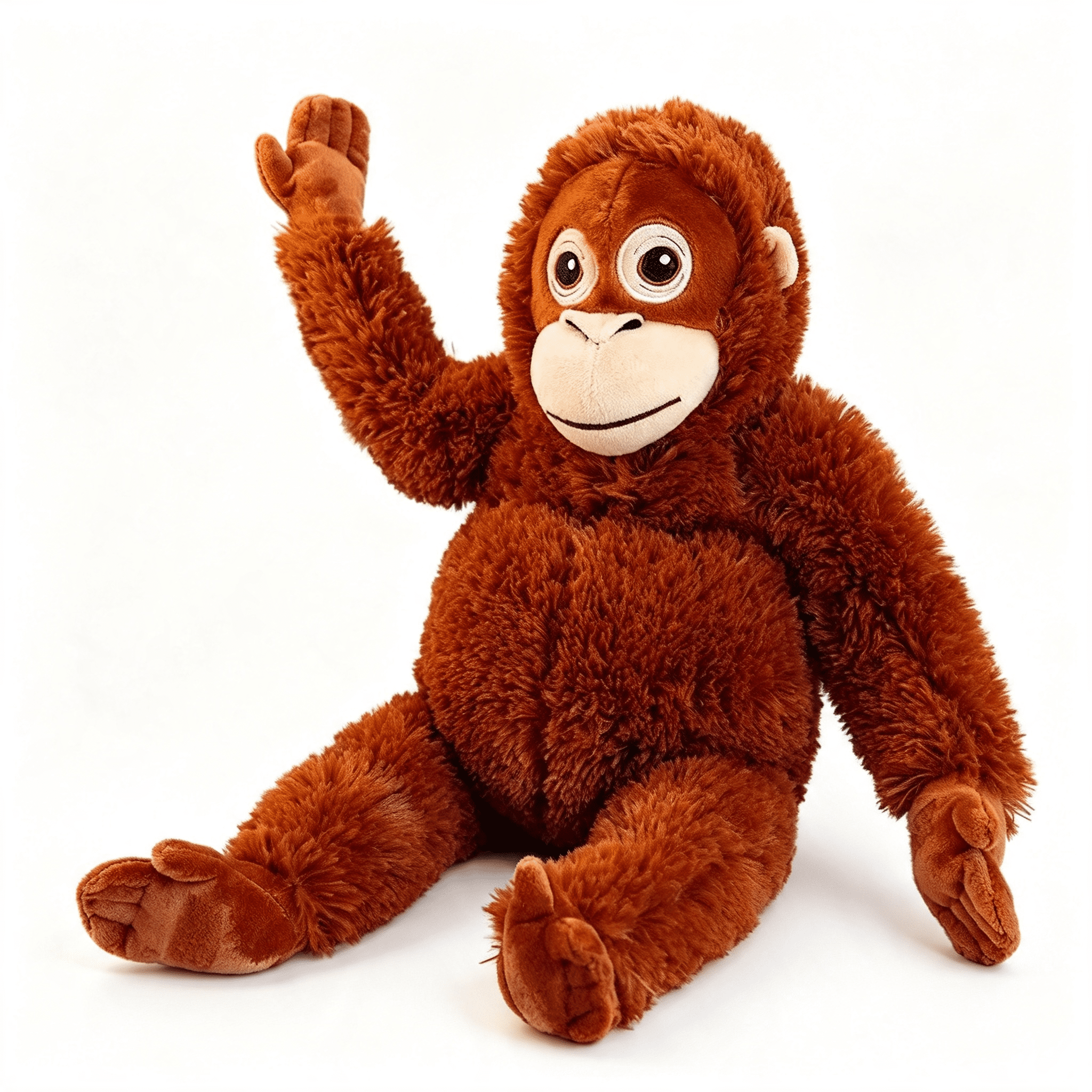
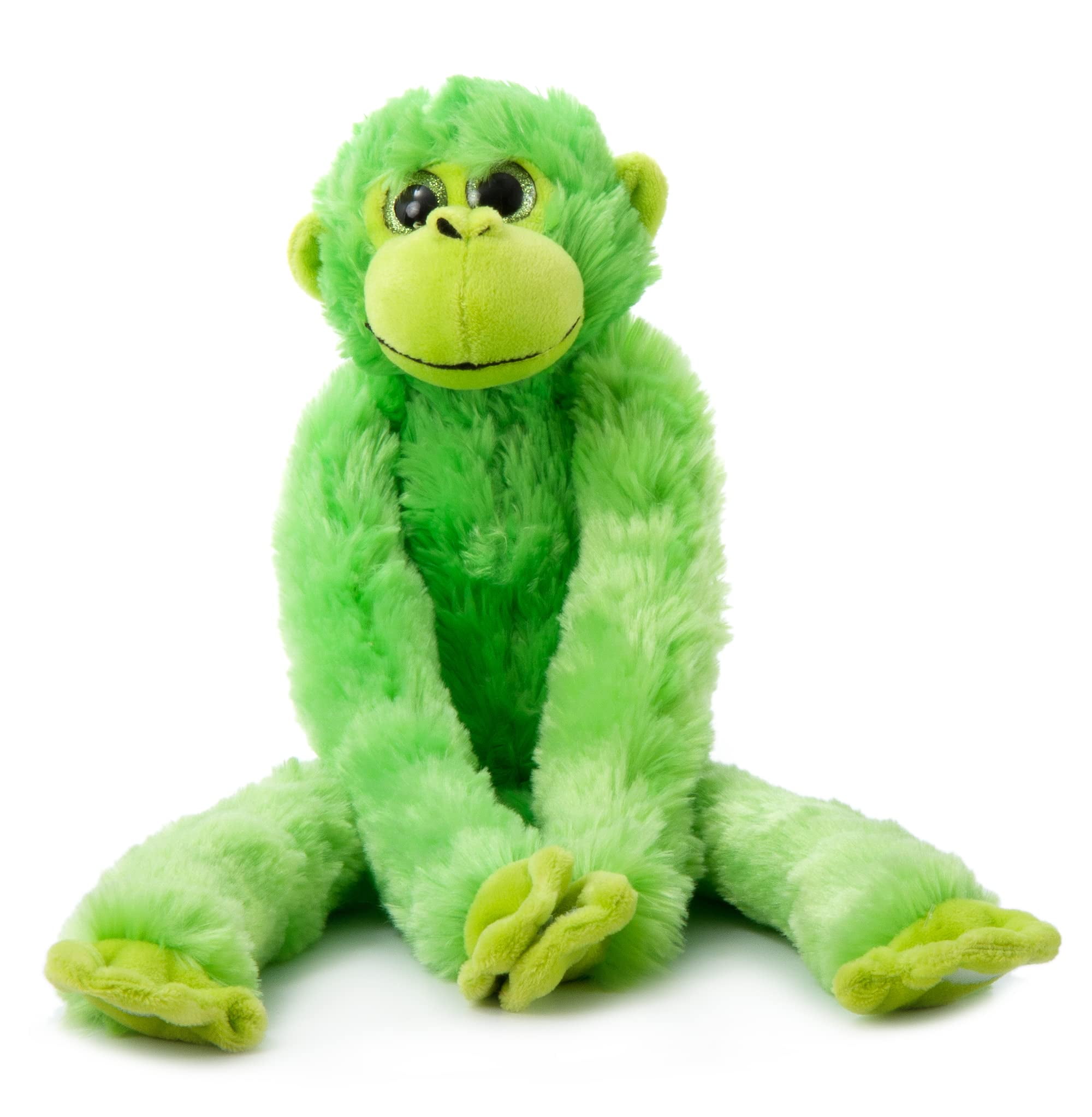
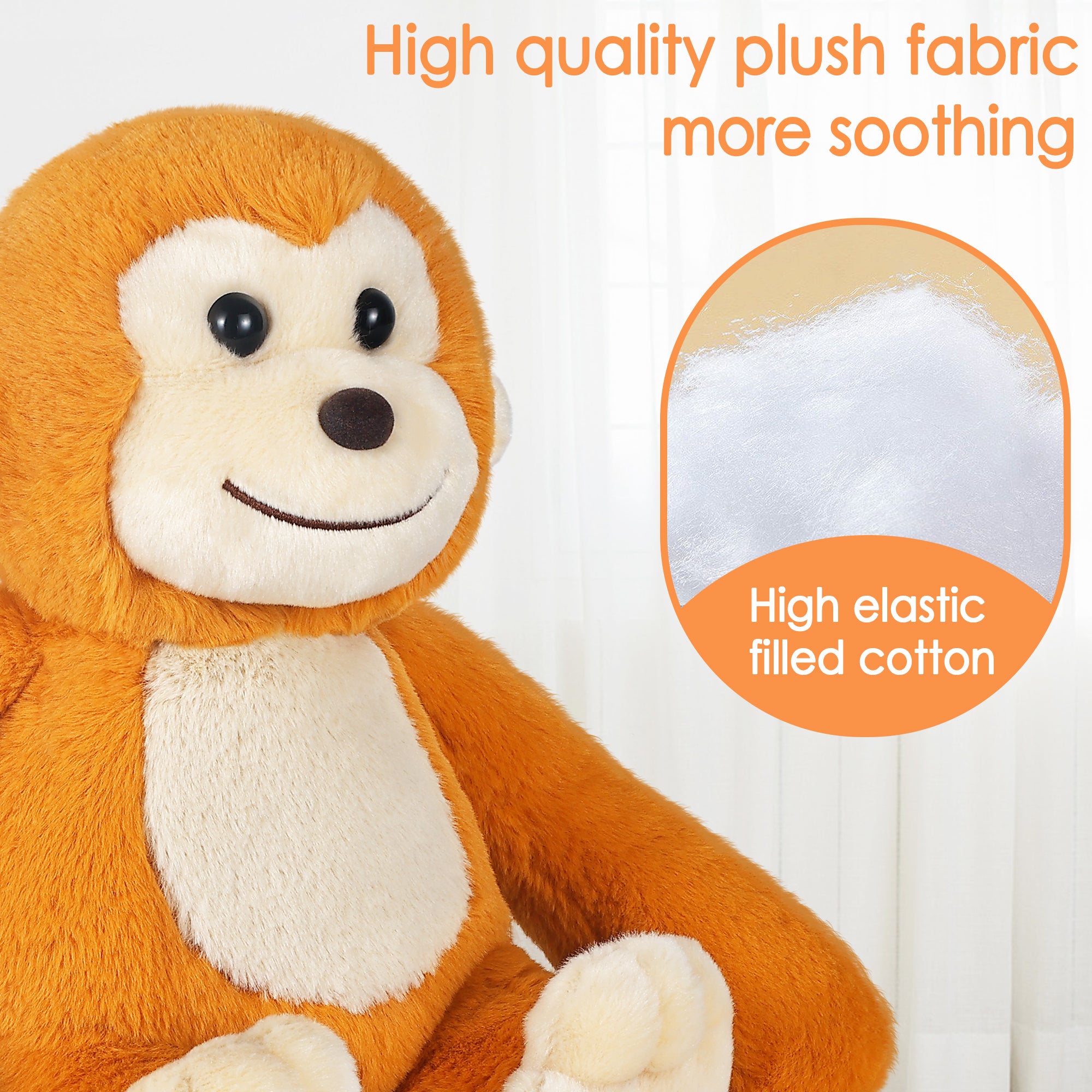
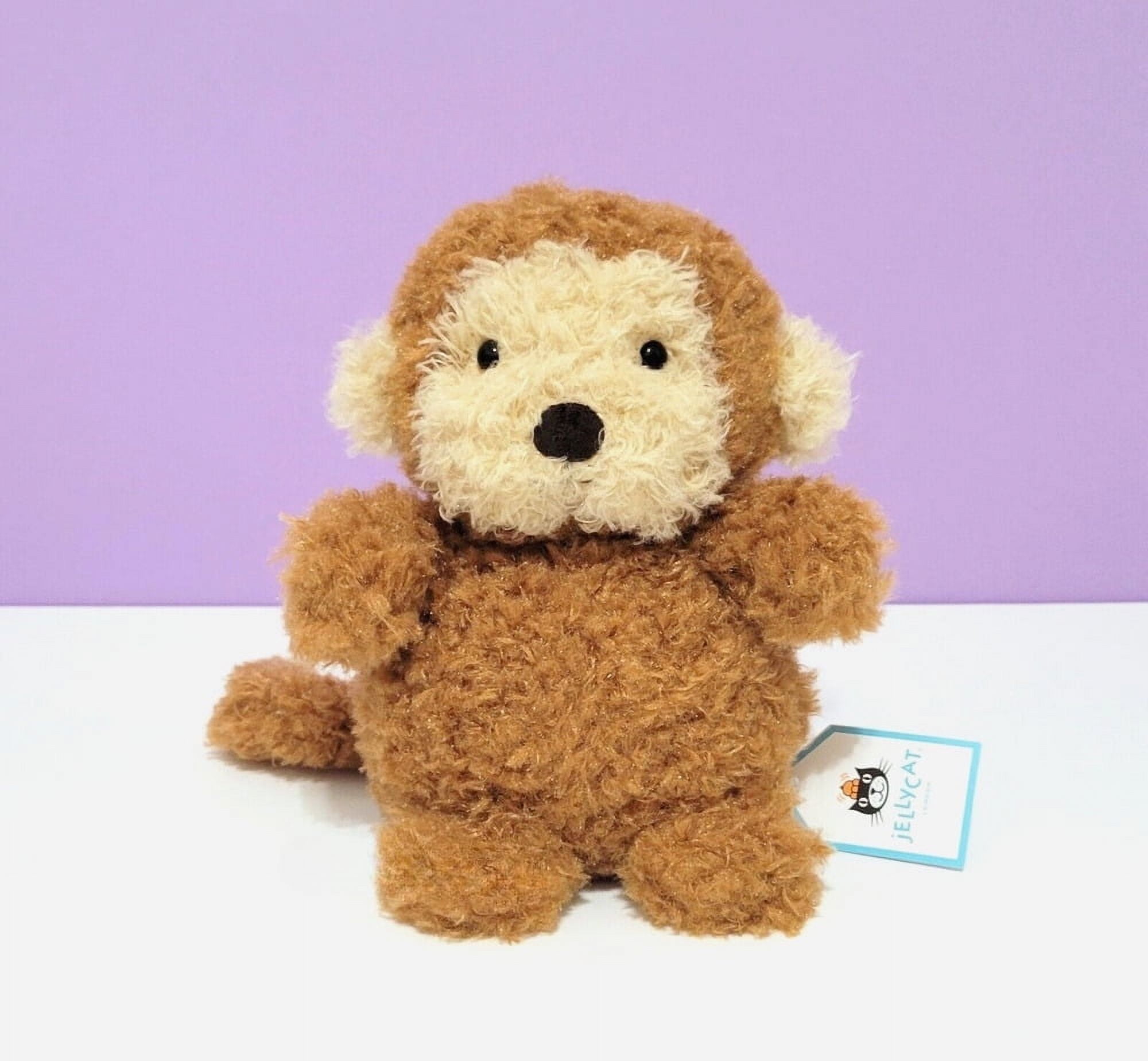
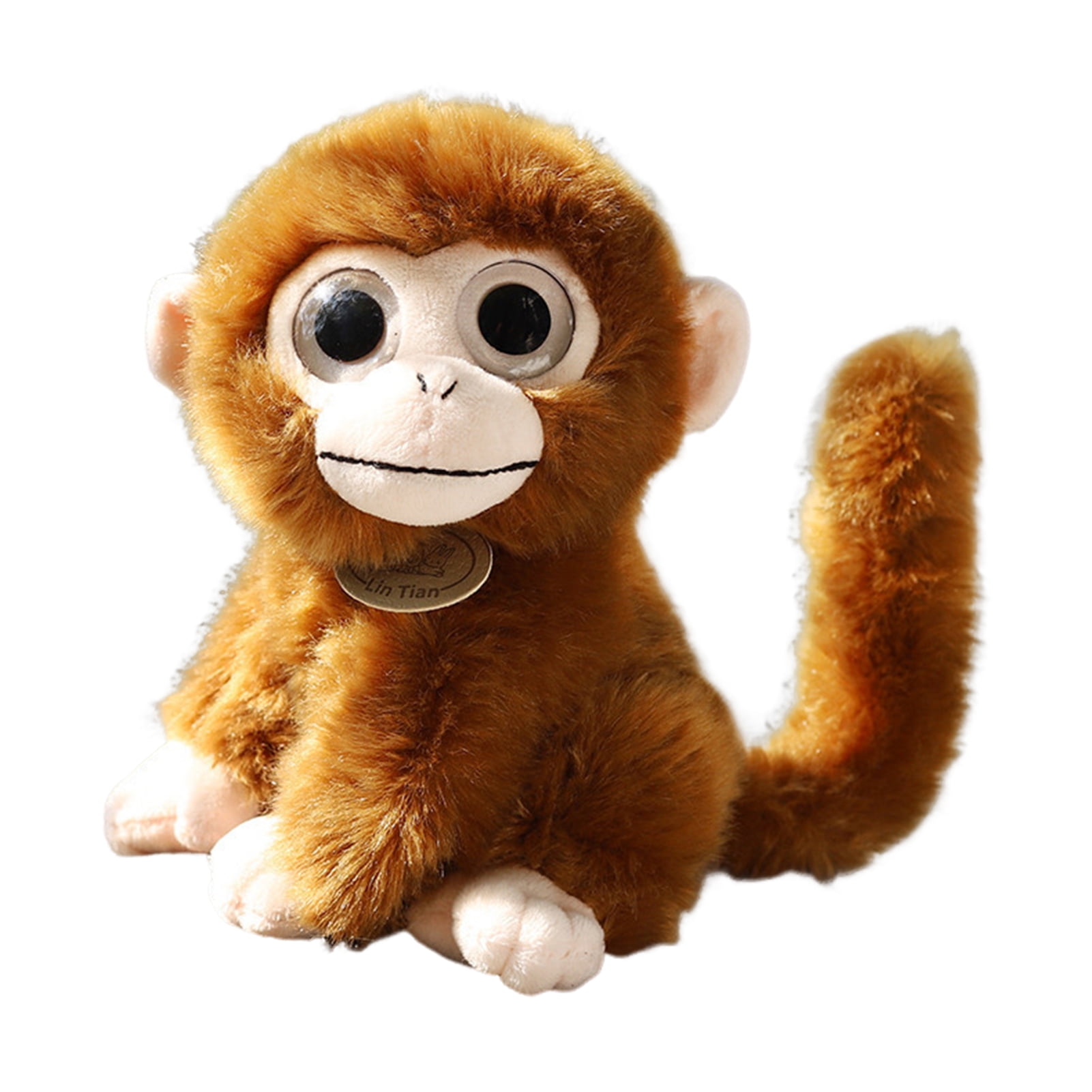
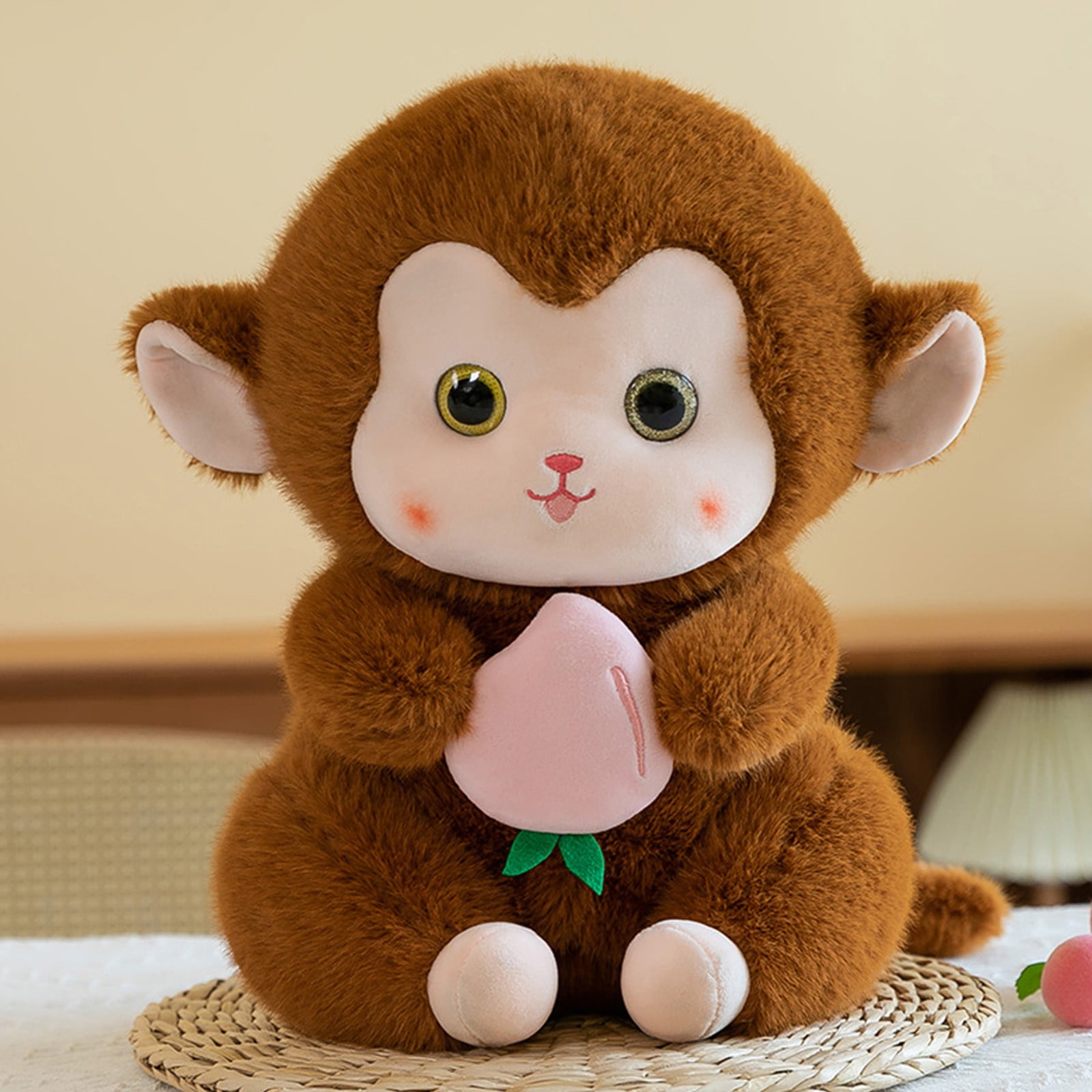
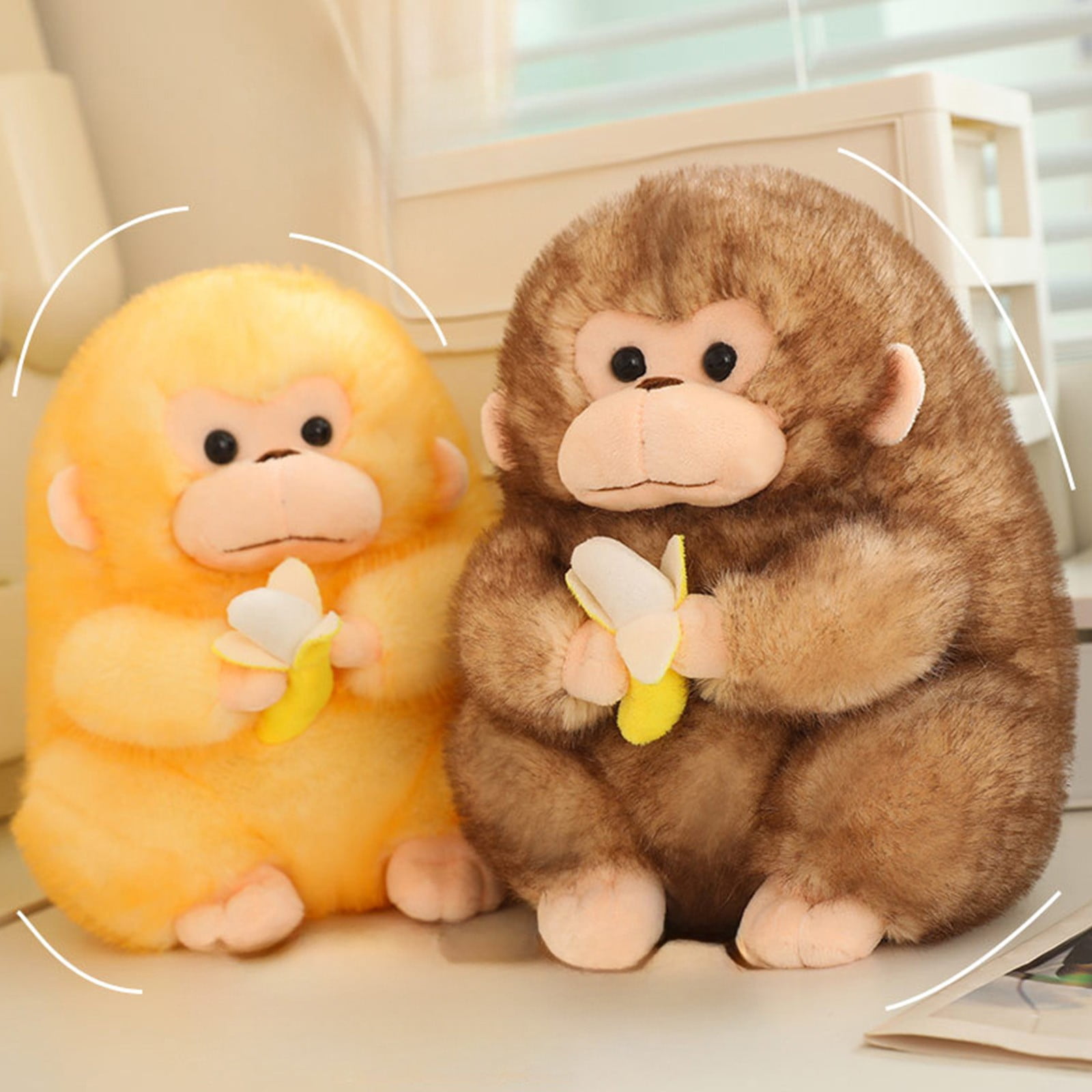
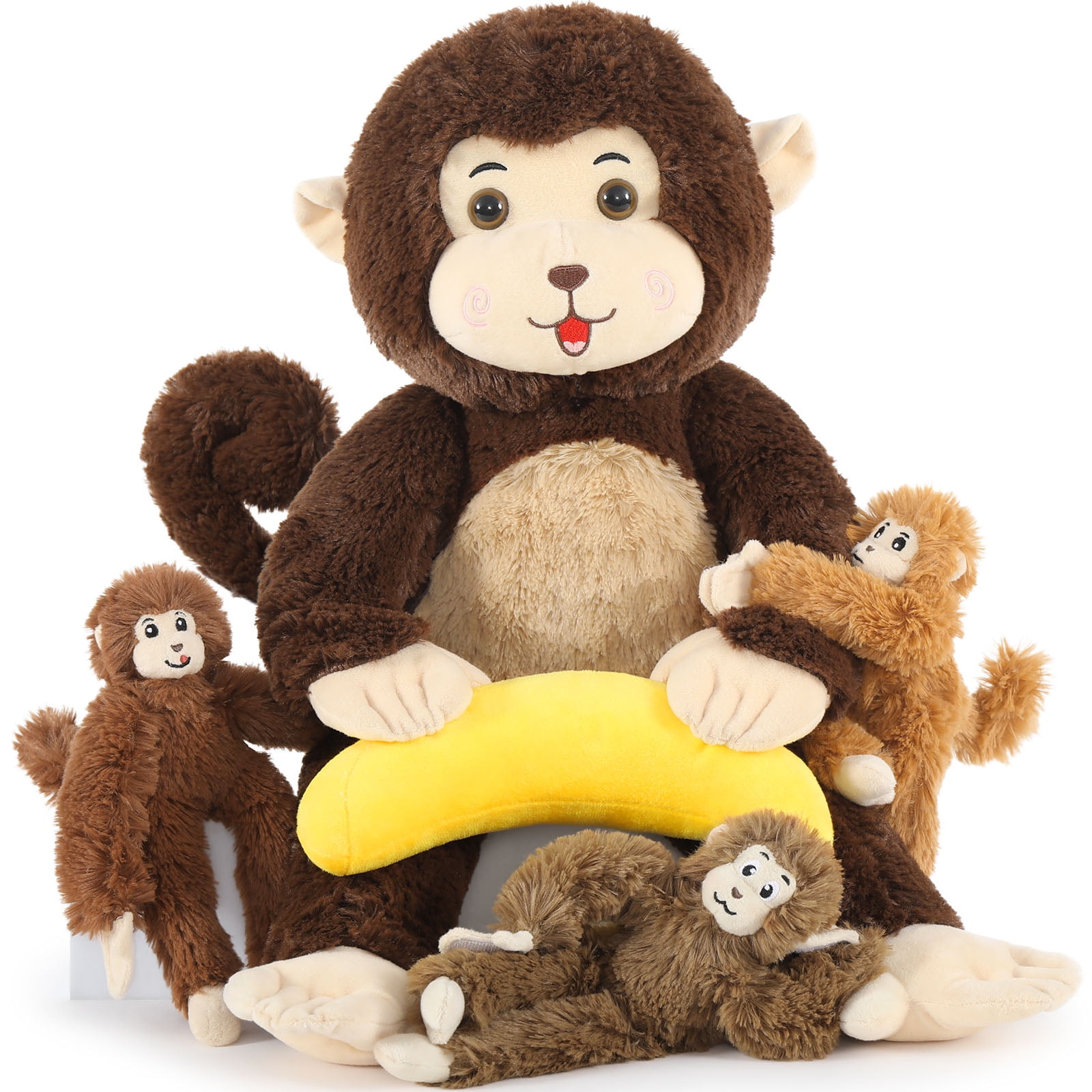
An adorable stuffed baby monkey with a pacifier is a specialized plush toy designed to provide comfort, sensory stimulation, and emotional security to infants and toddlers. These toys often feature magnetic or detachable pacifiers, soft hypoallergenic fabrics, and ergonomic designs that allow small hands to grip the monkey’s limbs easily, making them ideal transitional objects for early childhood development.
The market for plush toys has evolved significantly by 2026, with a heightened focus on multi-functional "soothers." Among the most popular variations is the baby monkey, a character that naturally appeals to children due to its expressive face and long, graspable limbs. When searching for the ideal cuddly companion, parents and gift-givers must balance aesthetic "cuteness" with rigorous safety standards, material integrity, and ease of maintenance. This guide explores the technical specifications, developmental benefits, and safety considerations essential for selecting a high-quality stuffed baby monkey in 2026.
The Psychological and Developmental Appeal of Monkey Plushies
Stuffed animals serve as more than just playthings; they are often a child’s first "transitional object." This term, coined by pediatrician and psychoanalyst Donald Winnicott, refers to an item that helps a child transition from the oral relationship with the mother to genuine object-relationships. A monkey plush, specifically one equipped with a pacifier, serves this role by providing a consistent source of comfort that remains available when a parent is not physically present.
The monkey form is particularly effective for infants. Unlike spherical or blocky stuffed animals, monkeys have long, slender arms and legs. This anatomical feature aligns with the "palmar grasp reflex" found in newborns. As babies develop fine motor skills, the ability to hook a finger around a monkey’s arm or tail provides a sense of agency and physical security. Furthermore, the inclusion of a pacifier—either as a functional silicone attachment or a plush decorative element—targets the infant’s natural rooting and sucking instincts, creating a comprehensive soothing station.
By 2026, child psychologists emphasize the importance of "sensory layering" in toys. A high-quality monkey plush will often combine different textures: smooth satin on the inner ears, fuzzy faux-fur on the body, and a firm, medical-grade silicone for the pacifier. This variety encourages tactile exploration, which is critical for cognitive development in the first 24 months of life.
Key Features and Material Specifications
When evaluating an "adorable stuffed baby monkey," the internal and external materials determine both the toy’s longevity and its safety. In 2026, consumer preference has shifted heavily toward sustainable and non-toxic components.
Fabric and Exterior Textures
The most common material for high-end plush toys is "minky" fabric, a type of ultra-soft polyester that retains its texture after multiple washes. However, organic cotton velour has gained significant market share for parents concerned about synthetic fibers. The "fur" of the monkey should be "low-pile" to prevent shedding, which can be an inhalation hazard for newborns.
The Pacifier Mechanism: Magnetic vs. Physical Attachment
There are three primary ways a pacifier is integrated into a stuffed monkey:
- Integrated (WubbaNub Style): The pacifier is permanently sewn into the monkey’s mouth. This prevents the pacifier from being lost but requires the entire toy to be replaced if the silicone nipple becomes damaged.
- Magnetic Attachment: Popular in "Reborn" doll circles and high-end plush, a magnet is sewn inside the monkey’s head behind the mouth, and a matching magnet is on the pacifier. This allows for an "adorable" look where the monkey appears to be sucking on the pacifier, but it can be removed for cleaning.
- Velcro or Loop Attachment: A small fabric loop or Velcro strap allows any standard pacifier to be attached to the monkey’s hand or mouth. This is the most versatile option, as it allows parents to use the child's preferred pacifier brand.
Internal Fillings
In 2026, manufacturers are required to disclose the specific nature of "poly-fill." High-quality monkeys use virgin polyester fibers or recycled PET (rPET) stuffing. Some toys include "beans" or "pellets" in the base to help the monkey sit upright. These pellets must be enclosed in a secondary inner mesh bag to ensure that even if a seam bursts, the pellets do not become a choking hazard.
Safety Standards and Regulatory Compliance
Safety is the most critical factor when choosing a plush toy for a child. In the United States and Europe, toys must meet specific regulatory hurdles that have become increasingly stringent.
- ASTM F963 (USA): This is the gold standard for toy safety. It covers everything from flammability to the "small parts" test. For a monkey with a pacifier, the pacifier must be large enough that it cannot be swallowed, and any detachable parts must withstand a specific amount of "pull force" without breaking.
- EN71 (Europe): Similar to ASTM, this regulation ensures the toy is free from toxic chemicals like phthalates and heavy metals. By 2026, EN71 also includes stricter limits on "migratory" chemicals in plastics used for pacifiers.
- BPA and Phthalate-Free: If the pacifier is functional (meant for the child’s mouth), it must be made of 100% food-grade silicone, free from Bisphenol A (BPA) and phthalates.
Warning: Always inspect the "eyes" of the stuffed monkey. "Safety eyes" (plastic pegs snapped into place) are generally secure, but for infants under 12 months, embroidered eyes are the safest choice as they eliminate the risk of a plastic component detaching and becoming a choking hazard.
Comparison of Popular Monkey Plush Styles
The following table compares the three most common configurations of stuffed monkeys with pacifiers available in 2026 to help you decide which fits your specific needs.
| Feature | Integrated Pacifier (Soother) | Magnetic Pacifier Monkey | Attachment-Based Monkey |
|---|---|---|---|
| Primary Use | Sleep aid/soothing for infants | Decorative/Roleplay for toddlers | Versatile utility for all ages |
| Pacifier Type | Sewn-in medical silicone | Removable via internal magnet | User-provided pacifier |
| Washability | Machine washable (delicate) | Spot clean only (due to magnets) | Machine washable (remove pacifier) |
| Safety Age | 0+ months | 3+ years (due to magnets) | 0+ months |
| Customization | Low (fixed nipple shape) | Medium (change pacifier color) | High (use any brand/shape) |
| Durability | High (fewer moving parts) | Medium (magnet can shift) | High (simple loop design) |
Maintenance and Hygiene: Keeping the Cuddly Toy Clean
Because these toys are frequently in contact with a child’s mouth and hands, they are magnets for bacteria, drool, and household dust. Proper maintenance is essential to prevent the buildup of allergens.
- Frequent Inspection: At least once a week, inspect the seams of the monkey, especially around the neck and the pacifier attachment point. If you see loose threads or stuffing leaking, repair it immediately or discard the toy.
- Laundering: Most plush monkeys in 2026 are "machine washable." However, to preserve the "adorable" softness of the fur, place the monkey in a mesh laundry bag. Use a "Free and Clear" detergent to avoid irritating the infant’s skin. Wash on a cold, gentle cycle.
- Drying: Avoid high heat, which can "singe" synthetic fibers and make them feel scratchy. Air drying is best, but you can use a "no heat" or "air fluff" setting in the dryer for 15-20 minutes to restore the plushness.
- Sanitizing the Pacifier: If the pacifier is detachable, it should be sterilized separately in boiling water or a steam sterilizer. If it is sewn in, use a pacifier wipe or a damp cloth with mild soap to clean the silicone surface after every use.
The Role of Visual Aesthetics: What Makes a Monkey "Adorable"?
The "cuteness" of a stuffed monkey is often a result of "neoteny"—the presence of juvenile features in an adult or an object. To maximize the visual appeal, designers in 2026 focus on specific proportions:
- Large Eyes: Wide-set, large eyes mimic the proportions of a human infant, triggering a nurturing response in both children and adults.
- Rounded Limbs: Soft, rounded edges rather than sharp angles make the toy appear more approachable and "cuddly."
- Blush and Facial Details: Many 2026 models include subtle airbrushed "blush" on the cheeks or a small, embroidered smile that remains visible even when the pacifier is in the monkey's mouth.
- Proportional Head: A slightly oversized head relative to the body (the "bobblehead" effect) is a classic hallmark of adorable plush design.
Frequently Asked Questions
Are magnetic pacifiers safe for all children?
No, toys with magnetic pacifiers are generally not recommended for children under the age of three or for households where someone has a pacemaker. If a magnet were to become dislodged and swallowed, it could cause serious internal injury. For infants, a sewn-in or loop-attached pacifier is much safer.
Can I replace the pacifier on a WubbaNub-style monkey?
Technically, no. These are designed as single units for safety reasons. Attempting to cut off the pacifier and sew on a new one can compromise the integrity of the toy and create a choking hazard. If the pacifier is worn out or damaged, it is time to replace the entire toy.
How do I stop the plush monkey from smelling like sour milk?
Plush toys that are used during feeding or for soothing often absorb odors. Regular washing is the best preventative measure. For a quick refresh between washes, you can place the monkey in a sealed bag with a small amount of baking soda, shake it, let it sit for an hour, and then thoroughly vacuum or brush out the powder.
What is the best age to introduce a stuffed monkey with a pacifier?
While many of these toys are rated for "0+," the American Academy of Pediatrics (AAP) recommends keeping all soft objects, including plush toys, out of a baby's sleep area until at least 12 months of age to reduce the risk of SIDS. These toys are excellent for supervised playtime or "tummy time" from birth, but should not be left in a crib overnight for newborns.
Why does my monkey plush lose its softness after washing?
This usually happens because of heat or too much detergent. High heat melts the microscopic ends of synthetic fibers, causing them to clump together (pilling). Using a fabric softener can also create a waxy buildup that makes the fur feel greasy rather than soft. Stick to cold water and minimal, gentle soap.
Selecting Your Monkey Companion
When you are ready to make a purchase, prioritize a toy that balances the "adorable" aesthetic with practical functionality. For a newborn, look for an attachment-based monkey that allows you to swap in the specific pacifier brand the baby prefers (such as Soothie or Mam). For an older toddler who enjoys imaginative play, a monkey with a magnetic pacifier offers a more interactive experience.
Always verify that the manufacturer provides a Children’s Product Certificate (CPC) or its 2026 equivalent, confirming that the toy has been tested by a third-party laboratory. By choosing a monkey made from high-quality rPET or organic materials, you ensure that the toy is not only a source of comfort for the child but also a responsible choice for the environment. A well-chosen stuffed baby monkey can become a cherished heirloom, surviving the rigors of childhood to remain a soft reminder of early years.