Finger tattoo cover-ups require strategic planning due to limited space and high skin turnover. Successful designs often utilize bold lines, intricate patterns like mandalas, or delicate botanical wraps to mask existing ink. By working with a specialist, you can transform faded or unwanted tattoos into a fresh, stylish piece that blends seamlessly with your personal aesthetic.
Understanding the Complexity of Finger Tattoo Cover-Ups
Finger tattoos are notoriously difficult to maintain and even more challenging to cover up. The skin on our hands is unique; it is thinner than the skin on most other parts of the body and is constantly in motion. In 2026, tattoo artists continue to highlight that the high rate of cell regeneration in the fingers leads to faster fading and "blurring" of lines compared to a forearm or back piece. When you decide to cover an existing finger tattoo, you are not just working with a small canvas, but a canvas that has already been saturated with pigment.
The primary challenge with a finger cover-up is the lack of "real estate." Unlike a thigh or shoulder, where an artist can expand the design to distract from the old ink, a finger provides only a few square centimeters of space. Therefore, the new design must be incredibly efficient. It needs to be dark enough to mask the old pigment but detailed enough to look like an intentional piece of art rather than a solid black smudge. Women seeking "adorable" designs often want something feminine and light, which contrasts with the traditional cover-up rule of "going bigger and darker." Achieving this balance requires a sophisticated understanding of color theory and line weight.
Popular Design Strategies for Hiding Finger Ink
When selecting a design to hide old ink, the goal is to use complexity to your advantage. Simple shapes rarely work for cover-ups because the old lines will peek through the negative space. Instead, look for designs with internal texture and overlapping elements.
Botanical and Floral Wraps
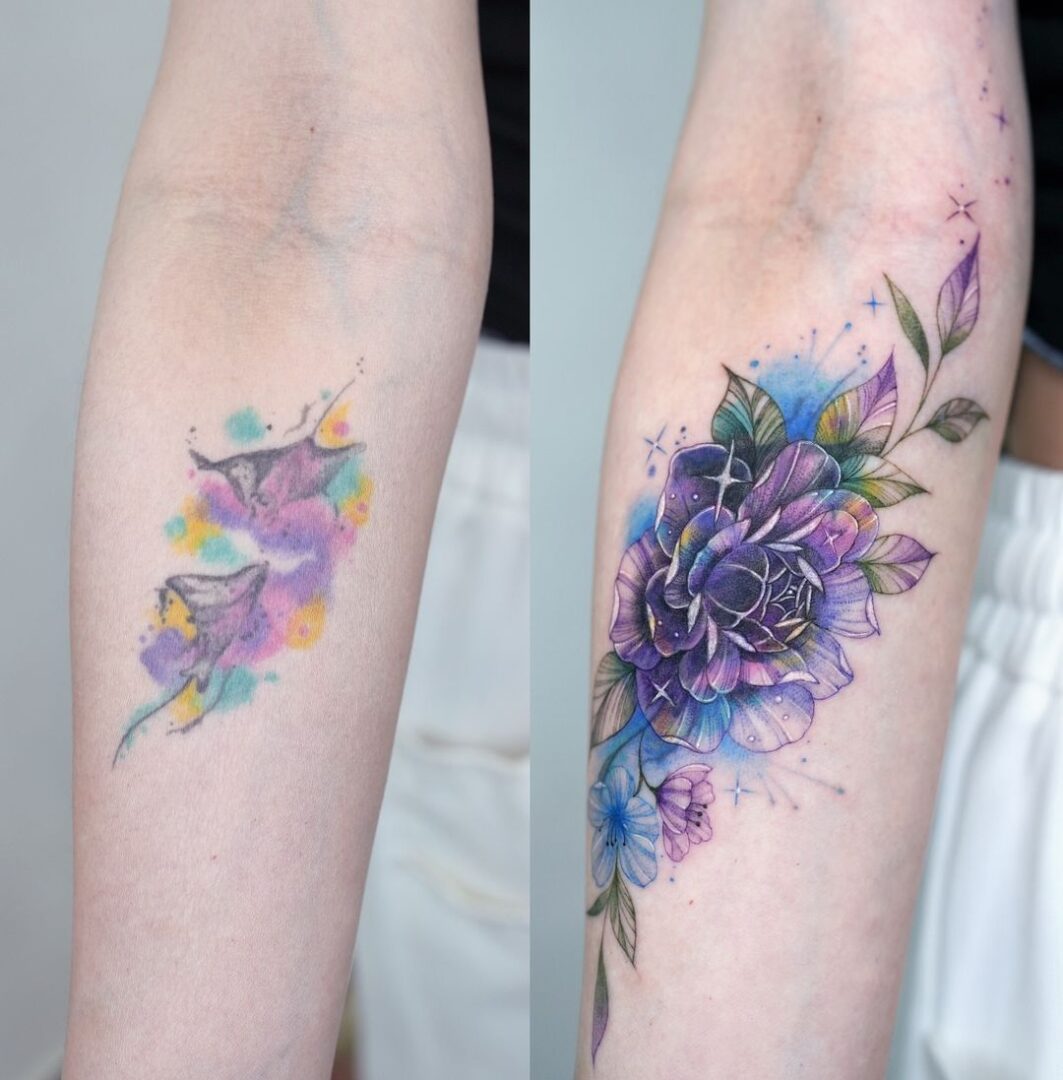
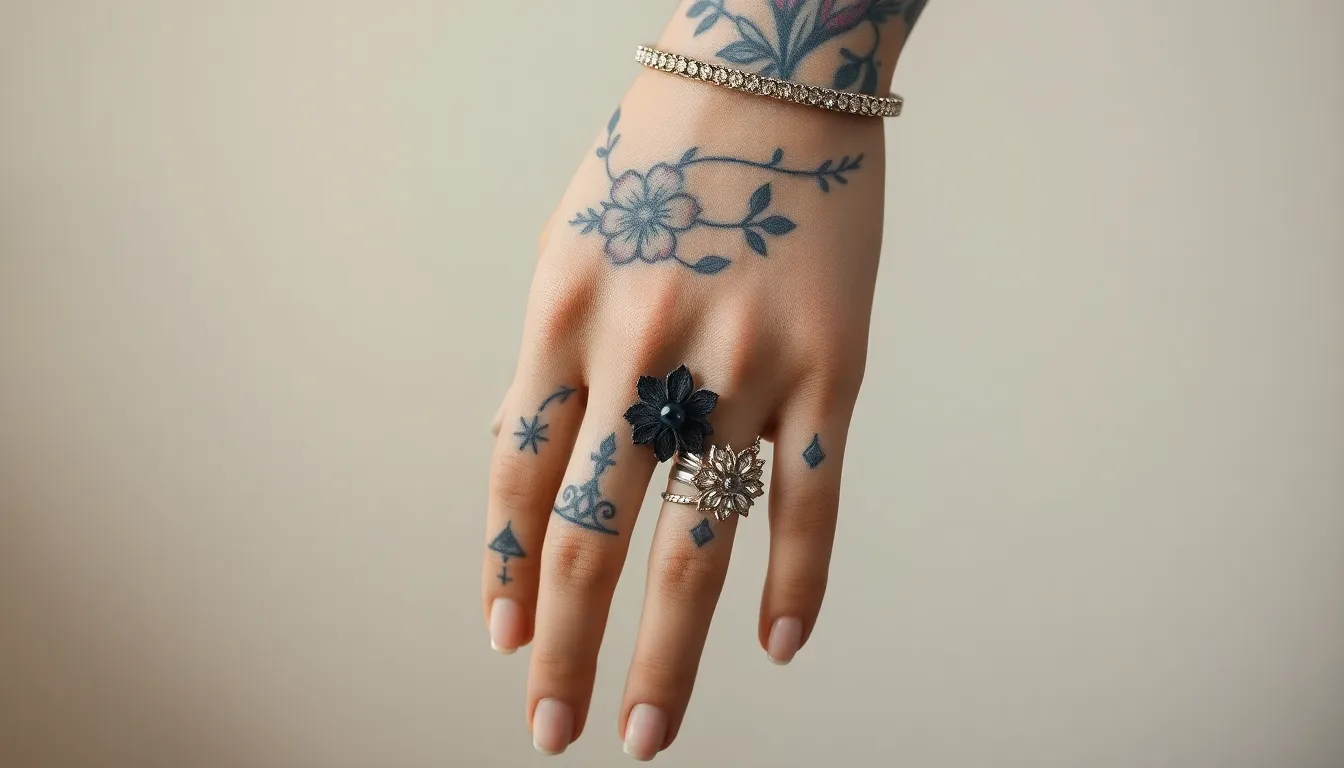
Botanical designs are among the most popular choices for women in 2026. Tiny vines, leaves, and micro-flowers can wrap around the finger, using the natural curves of the digit to hide old letters or symbols. The organic shapes of leaves are perfect for masking irregular "blowouts" (where ink has spread under the skin). By using different shades of green or deep floral tones, an artist can create depth that makes the old tattoo virtually invisible.
Ornamental and Mandala Styles
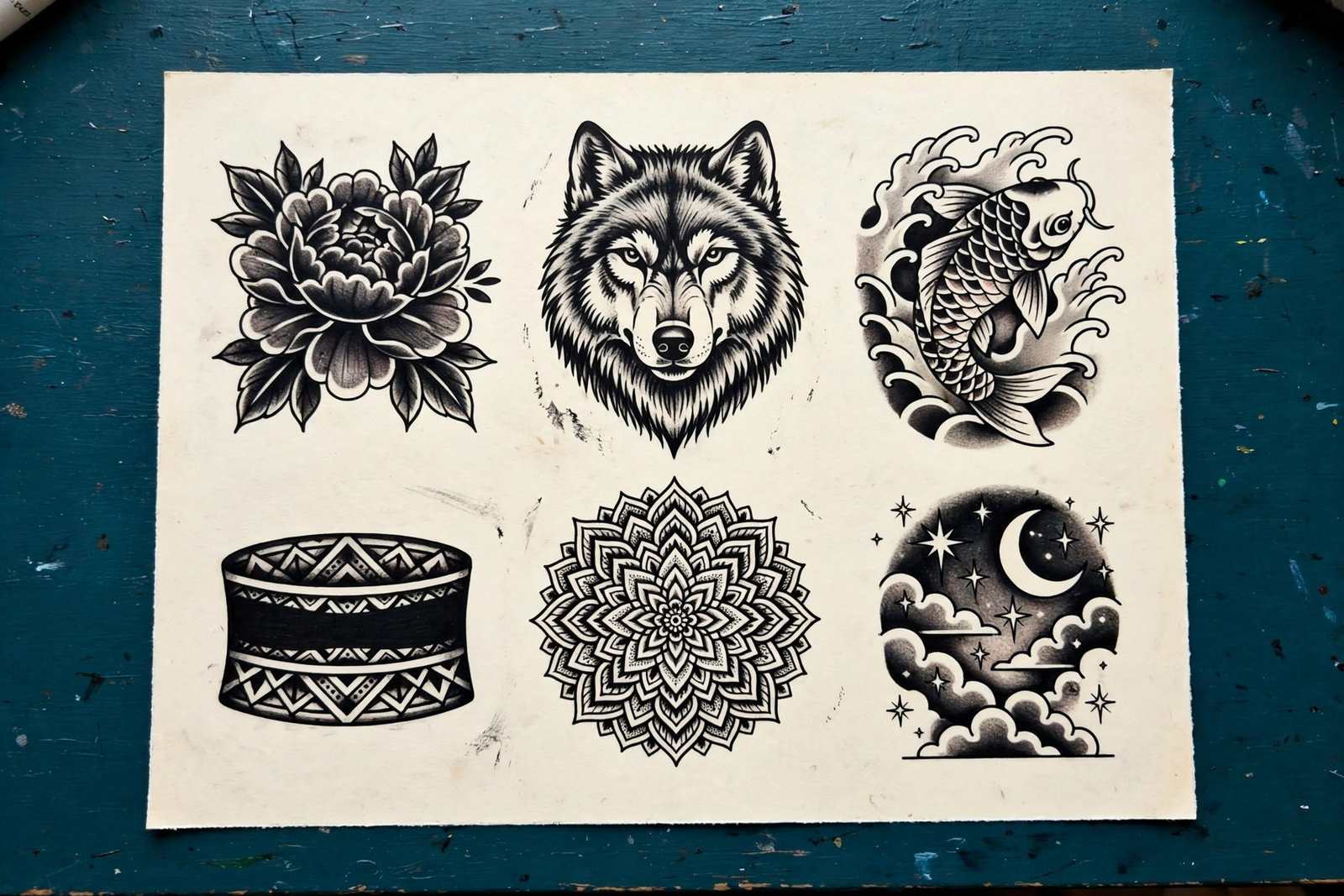
Mandala-inspired designs are excellent for cover-ups because they rely on dense, repetitive patterns. The symmetry of a mandala can be centered directly over the old tattoo. Because these designs use a lot of "stippling" (dot work) and varying line thicknesses, the eye is drawn to the new, crisp pattern rather than the faded shadow underneath. These are often considered "adorable" because they mimic the look of fine jewelry or henna.
Celestial Themes
Small crescents, sunbursts, and clusters of stars are effective for covering tiny dot tattoos or small initials. To make these work as cover-ups, artists often use a "glow" effect—shading around the celestial body—to provide the necessary opacity to hide the previous work. A dark navy or deep purple background can be used to create a "night sky" effect that completely blacks out the old ink while still looking delicate.
Technical Considerations: Ink Saturation and Color Choice
In the world of professional tattooing, cover-ups are governed by the laws of pigment mixing. You cannot simply put a "skin-toned" ink over a black tattoo to erase it; the darker pigment will always eventually rise to the surface. To successfully hide old ink on a finger, the new ink must be darker or use complementary colors to neutralize the old ones.
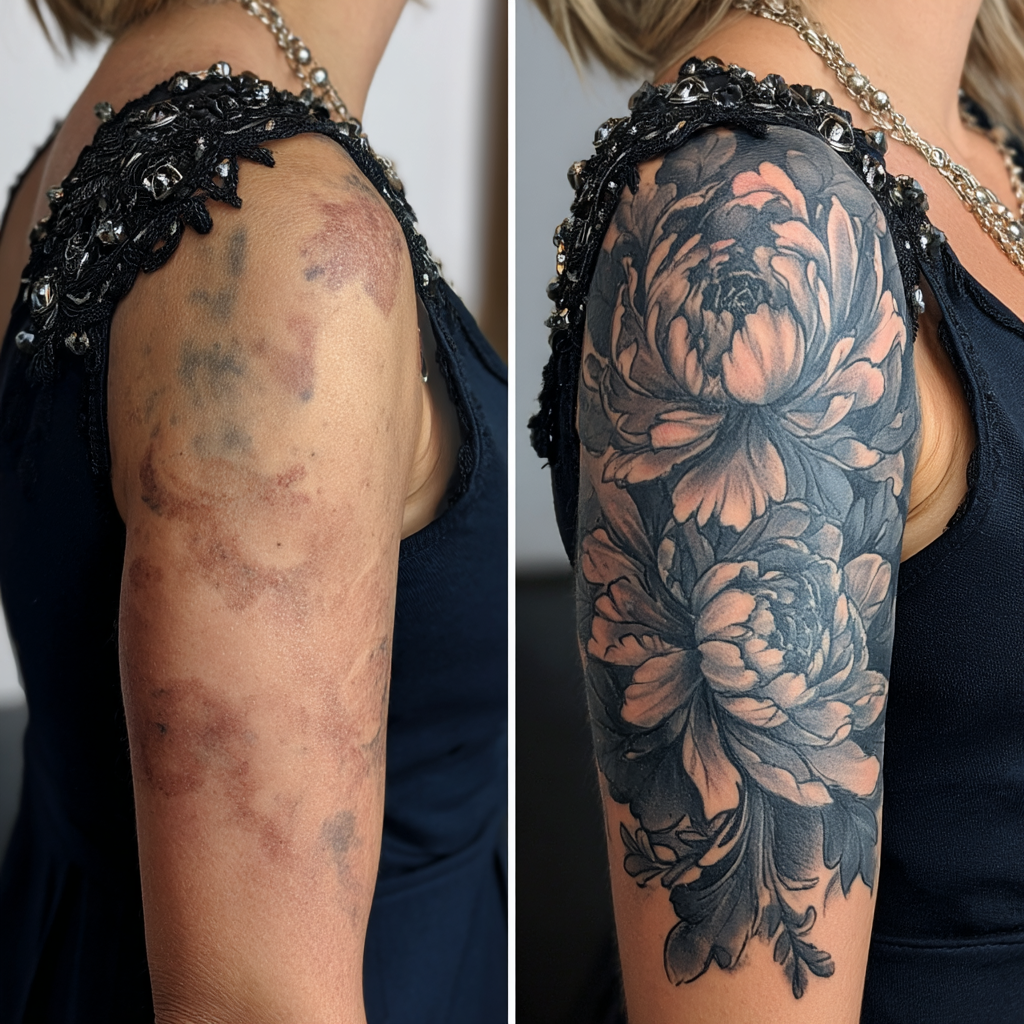
In 2026, many artists use specialized "cover-up" pigments that have a higher concentration of solids. For a finger tattoo that has turned a blue-grey color, using warm tones like deep magenta, burnt orange, or rich brown can help neutralize the cool tones of the old ink. If the original tattoo is very dark, a "blast-over" technique might be used. A blast-over doesn't try to hide the old tattoo completely but instead places a bold, high-contrast design directly over it, allowing the old ink to act as a background shadow. This creates a stylish, "grungy" aesthetic that is currently trending among women who want a more modern look.
| Design Style | Coverage Ability | Aesthetic Vibe | Best For |
|---|---|---|---|
| Botanical Vines | Moderate | Delicate/Organic | Faded initials or small symbols |
| Dot-work Mandalas | High | Intricate/Jewelry-like | Darker, blurred line work |
| Geometric Bands | High | Bold/Modern | Ring-finger "wedding" tattoo covers |
| Celestial Clusters | Low-Moderate | Whimsical/Tiny | Very small dots or thin lines |
| Animal Silhouettes | Moderate | Cute/Illustrative | Irregularly shaped old tattoos |
The Role of Laser Lightening Before a Cover-Up
Sometimes, an old finger tattoo is simply too dark or too saturated to be covered with an "adorable" or "light" design. In 2026, it is common practice for tattoo artists to recommend one or two sessions of laser tattoo removal before attempting a cover-up. This process is known as "lightening" or "fading for cover."
By lightening the original ink, you expand your design options significantly. Instead of being forced into a solid black geometric band, you might be able to achieve a delicate lavender sprig or a fine-line butterfly. While this adds to the cost and timeframe of the project, it ensures that the final result is exactly what you want, rather than a compromise. According to the American Academy of Dermatology, laser treatments should always be performed by qualified professionals to minimize scarring, especially on sensitive areas like the fingers where the skin is thin.
Selecting the Right Artist for Finger Work
Not all tattoo artists are comfortable with finger tattoos, and even fewer specialize in finger cover-ups. When searching for a professional, look for a portfolio that specifically includes "before and after" photos of hand and finger work.
A skilled artist will assess the "scar tissue" of your old tattoo. If the previous artist pressed too hard, there might be raised tissue that will catch the light differently even if the color is covered. A senior technical artist will know how to use "distraction" techniques—placing high-detail areas away from the scar tissue—to make the finger appear smooth. In 2026, digital mock-ups are standard; your artist should be able to take a photo of your finger and overlay the new design digitally so you can see exactly how the old ink will be obscured before the needle ever touches your skin.
Maintenance and Long-Term Care for Finger Ink
Once you have successfully covered your old ink with a stylish new design, the work isn't over. Finger tattoos require more maintenance than any other placement. Because we use our hands for everything—washing dishes, typing, applying skincare—the ink is under constant assault from friction and UV rays.
To keep your cover-up looking "adorable" and crisp:
- Strict Sun Protection: Use a high-SPF sunstick specifically on your fingers whenever you are outdoors. UV rays are the primary cause of ink breakdown.
- Moisturization: Keep the skin hydrated, but avoid over-saturating a new tattoo with heavy ointments, which can pull the ink out during the healing phase.
- Avoid Submerging: During the first two weeks of healing, avoid soaking your hands in water. This is particularly difficult with finger tattoos but essential for preventing the ink from "falling out."
- Touch-up Planning: Accept that a finger cover-up will likely need a touch-up within the first year. Most reputable artists in 2026 include one free touch-up for finger work because they understand the volatility of the area.
Frequently Asked Questions
Do finger cover-up tattoos hurt more than the original?
The pain level for a finger cover-up is generally similar to the original tattoo, though it may be slightly more sensitive if there is existing scar tissue. The fingers are high in nerve endings and low in fat, making them one of the more painful spots for tattooing. However, since finger tattoos are usually small, the process is quick, typically lasting between 30 to 90 minutes.
How much does a stylish finger cover-up usually cost?
In 2026, most specialized artists charge a flat "minimum" for finger work, often ranging from $150 to $300, regardless of how small the design is. This covers the cost of specialized single-use needles and high-pigment inks required for the hands. If laser lightening is required beforehand, expect to add $100-$200 per session.
Can you cover a black tattoo with a colored design?
You can cover black ink with color, but the color must be dark and highly saturated. Deep purples, blues, and dark greens work best. Pastel colors or yellow will not hide black ink; the black will simply show through the lighter pigment once the tattoo has finished healing.
How long should I wait between my last tattoo and the cover-up?
You must wait until the original tattoo is completely healed and the skin has settled, which usually takes at least 3 to 6 months. If you have had laser lightening, most professionals recommend waiting 8 to 12 weeks after your last laser session before tattooing over the area to ensure the skin has fully recovered its structural integrity.
Will a finger cover-up eventually blur like the old one?
All finger tattoos will eventually experience some degree of softening or blurring due to the nature of the skin on the hands. However, by choosing an experienced artist who understands depth and uses modern, stable inks, a cover-up can remain legible and stylish for many years. Regular sun protection is the most significant factor in preventing premature blurring.
Recommended Next Actions for Your Tattoo Refresh
If you are ready to move forward with an adorable finger cover-up, your first step should be a physical consultation with a specialist. Photos can be misleading; an artist needs to see the texture of your skin and the exact shade of the existing ink in person. Prepare for your consultation by gathering 3-5 reference images of styles you like, but remain open to the artist's suggestions regarding "line weight" and "opacity." Remember that a cover-up is a collaboration between your aesthetic desires and the physical realities of pigment. By prioritizing design complexity and professional expertise, you can successfully turn a source of regret into a stylish piece of wearable art.