Adoption records are the legal and medical documents created during the transfer of parental rights and responsibilities. Accessing these records in 2026 typically involves navigating a landscape of state-specific laws, mutual consent registries, or court petitions. Depending on the jurisdiction, adult adoptees may access original birth certificates or non-identifying medical histories to bridge gaps in their personal heritage.
Understanding the Different Types of Adoption Records
When searching for information regarding an adoption, it is essential to distinguish between the various types of documentation maintained by state agencies, private organizations, and courts. These records are generally categorized based on the level of detail they provide and who is permitted to view them.
Non-Identifying Information
Non-identifying information provides a general overview of the birth parents and the circumstances of the adoption without revealing their specific identities. In 2026, most jurisdictions mandate that this information be made available to adult adoptees upon request. This data usually includes:
- Medical History: Significant health conditions, hereditary diseases, and cause of death (if applicable) for birth parents and grandparents.
- Physical Descriptions: Height, weight, eye color, hair color, and general appearance.
- Social History: Education levels, occupations, religion, and ethnic background.
- Circumstances of Placement: The general reasons why the child was placed for adoption, often recorded at the time of relinquishment.
Identifying Information
Identifying information includes the data that leads to the direct identification of birth parents, such as full names, last known addresses, and dates of birth. Access to this information is the most legally complex aspect of adoption records. While many states have moved toward "open" records, others still require the consent of the birth parents or a court order demonstrating "good cause."
The Original Birth Certificate (OBC)
The Original Birth Certificate is the document issued at the time of birth, listing the biological parents. Once an adoption is finalized, this record is usually sealed and replaced by an Amended Birth Certificate, which lists the adoptive parents as the legal parents. For many adoptees, obtaining the OBC is the primary goal of their search, as it serves as the definitive record of their biological origin.
Legal Access and the State of Openness in 2026
The legal framework surrounding adoption records has shifted significantly over the last several decades. As of 2026, the trend toward transparency continues, but the United States remains a patchwork of different legislative approaches. Understanding where your adoption was finalized is the first step in determining your rights to access.
Unrestricted Access States
In these jurisdictions, adult adoptees (usually aged 18 or 21) have a statutory right to request and receive their original birth certificates without a court order or birth parent consent. These states operate on the principle that an individual’s right to their own identity and medical history outweighs the historical preference for secrecy.
Compromise and Restricted States
Some states allow access but with specific caveats. For example, a state might allow access to records unless a birth parent has filed a "Disclosure Veto." These vetoes allow biological parents to remain anonymous even if the state laws otherwise favor openness. Other states may provide the OBC but redact the names of birth parents who have requested privacy.
Sealed Record States
In a minority of jurisdictions, all adoption records remain sealed by default. In these areas, the only path to identifying information is through a court order. To be successful, an applicant must usually prove a "compelling need," such as a life-threatening medical condition that requires genetic information or a bone marrow match that can only be found through biological relatives.
Step-by-Step Guide to Accessing Your Adoption Records
Navigating the bureaucracy of adoption records requires patience and a methodical approach. Because records are kept at the state or county level rather than a central federal database, the process varies by location.
1. Identify the Jurisdiction and Agency
The first step is to determine exactly where the adoption was finalized. This is usually the county and state where the adoptive parents resided at the time. You should also identify the agency that handled the placement. If the agency was private and has since closed, its records are typically transferred to the state’s social services department or a designated successor agency.
2. Request Non-Identifying Information
Regardless of the state's laws on identifying information, start by requesting a "non-identifying social and medical history." This is often a standardized form available through the state’s Department of Human Services or Vital Statistics office. This document provides immediate context and may contain clues that assist in a broader search.
3. Register with Mutual Consent Registries
Most states maintain a Mutual Consent Registry. This is a system where both adoptees and birth parents can register their desire for contact. If both parties "match" in the system, the registry facilitates the exchange of identifying information. This is often the fastest and least expensive way to obtain records, as it bypasses the need for legal petitions.
4. Search for an Original Birth Certificate
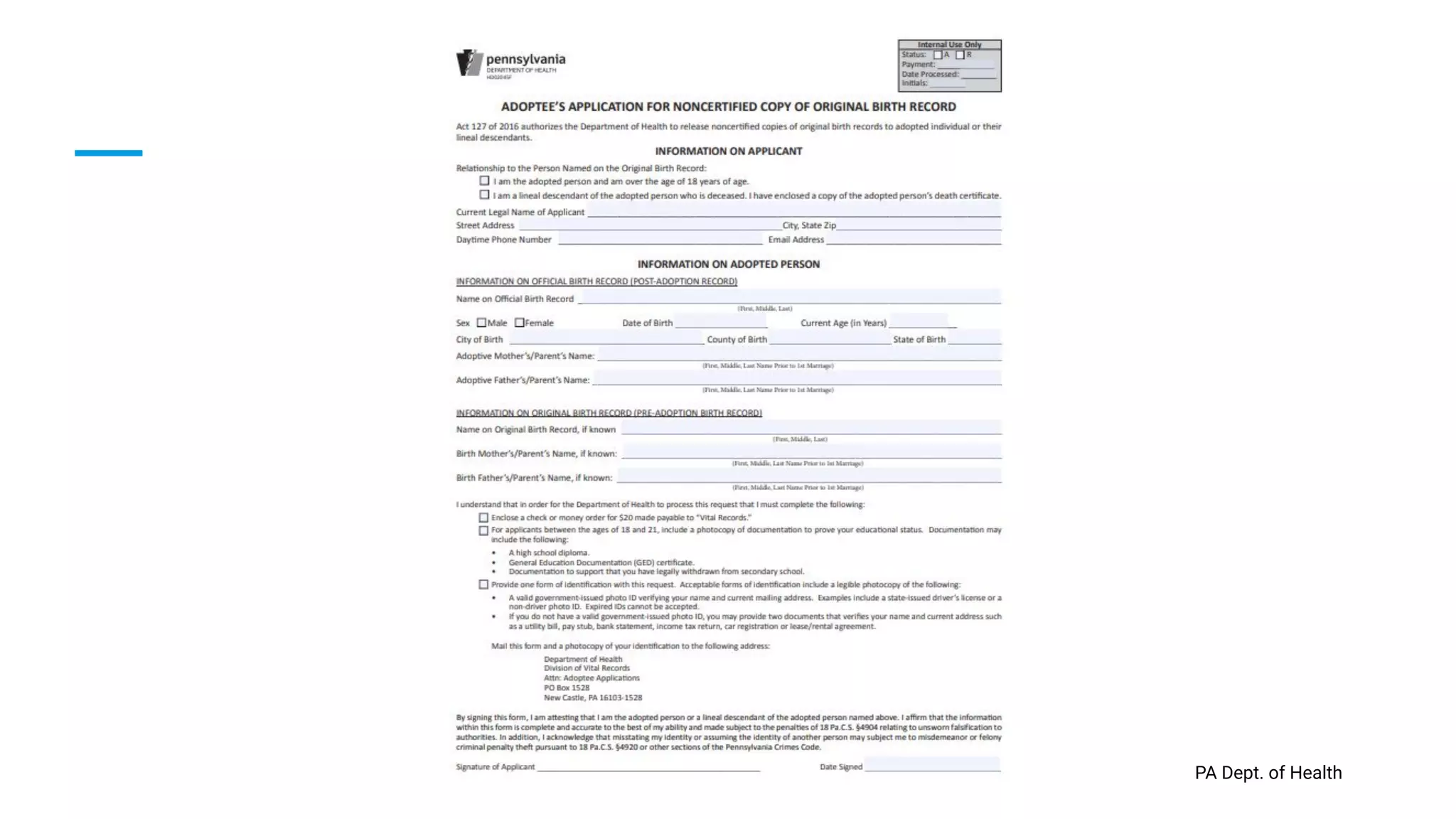
Check the current statutes of the state of birth. In 2026, many states have online portals where adult adoptees can order their OBC by providing proof of identity and paying a processing fee. If the state is "closed," you will need to proceed to the next step.
5. Petition the Court for a Search or Release
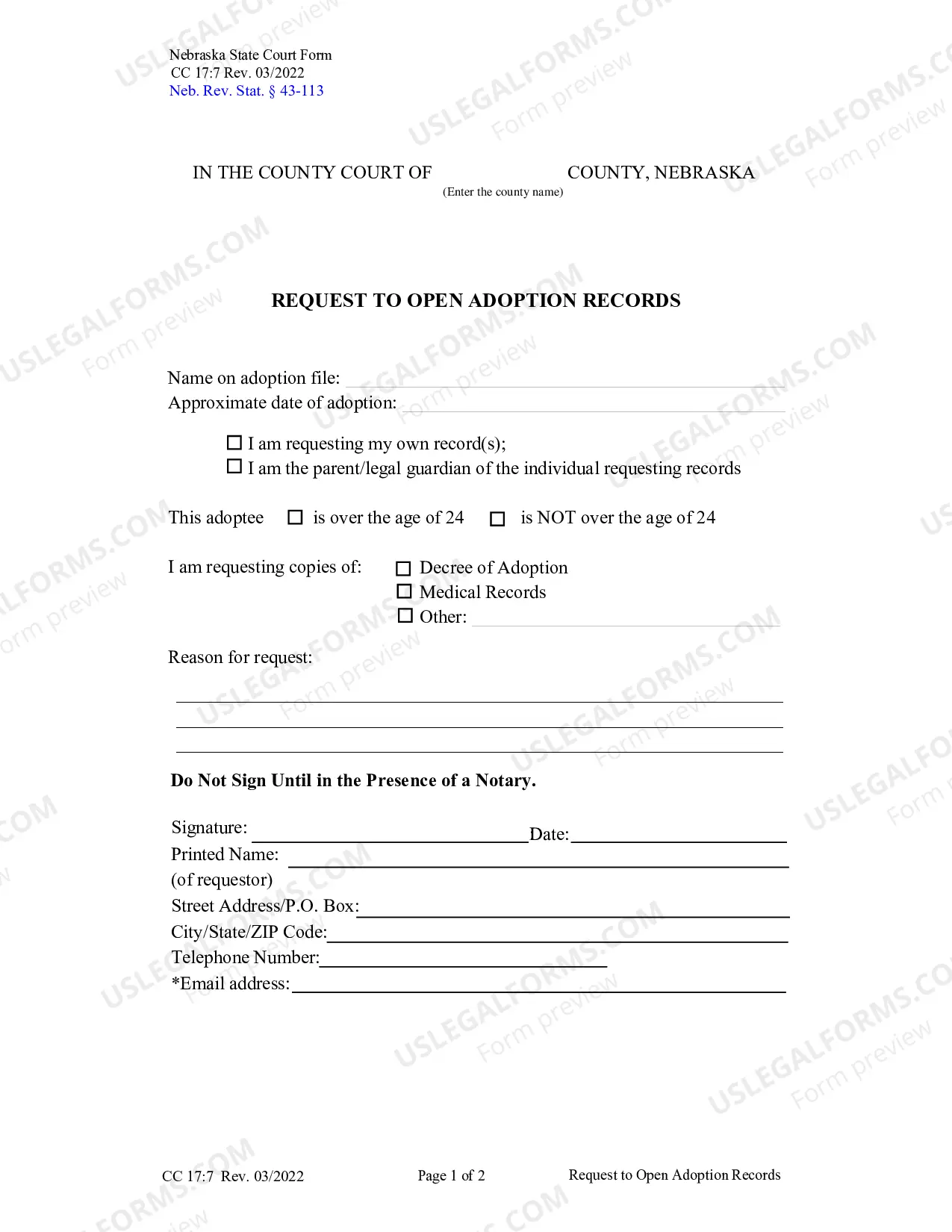
If records are sealed and no registry match exists, you can petition the court that finalized the adoption. The court may appoint a Confidential Intermediary (CI). A CI is a trained professional authorized to view the sealed file, locate the birth parents, and ask if they consent to the release of their information or to direct contact.
Comparison of Record Access by Jurisdiction Type
The following table outlines the general characteristics of record access levels across different legal environments in 2026.
| Access Type | Description | Typical Requirements | Primary Documents Provided |
|---|---|---|---|
| Unrestricted | Full access to original records for adult adoptees. | Valid ID; minimum age (18 or 21); processing fee. | Original Birth Certificate (OBC); Court Decree. |
| Partial / Veto-Based | Access is granted unless a party has filed a privacy objection. | Search of "Disclosure Veto" files; valid ID. | OBC (may be redacted); Medical History. |
| Registry-Only | Information released only if both parties opt-in. | Registration with state database; notarized forms. | Identifying names; current contact info. |
| Sealed | Records are closed by default; requires judicial intervention. | Petition for "Good Cause"; Court hearing. | Varies by judge; often limited to medical info. |
Overcoming Obstacles: When Records are Sealed
Even in 2026, many individuals encounter "brick walls" where records are inaccessible due to archaic laws or missing documentation. When traditional legal routes fail, alternative methods must be employed to gather information.
The Use of Confidential Intermediaries
A Confidential Intermediary (CI) acts as a bridge between the sealed past and the present. Unlike a private investigator, a CI is recognized by the court system. Their role is not to "break" the seal, but to act as a neutral third party who can respect the privacy of the birth parents while fulfilling the adoptee's request for information. If a birth parent is deceased, many states allow the CI to release the records to the adoptee automatically.
Searching Private and Hospital Records
Sometimes, information is not in the court file but in the records of the hospital where the birth occurred. While medical privacy laws (like HIPAA) are strict, an adoptee may be able to access their own medical records from their birth, which might contain the name of the biological mother.
Legal "Good Cause" Petitions
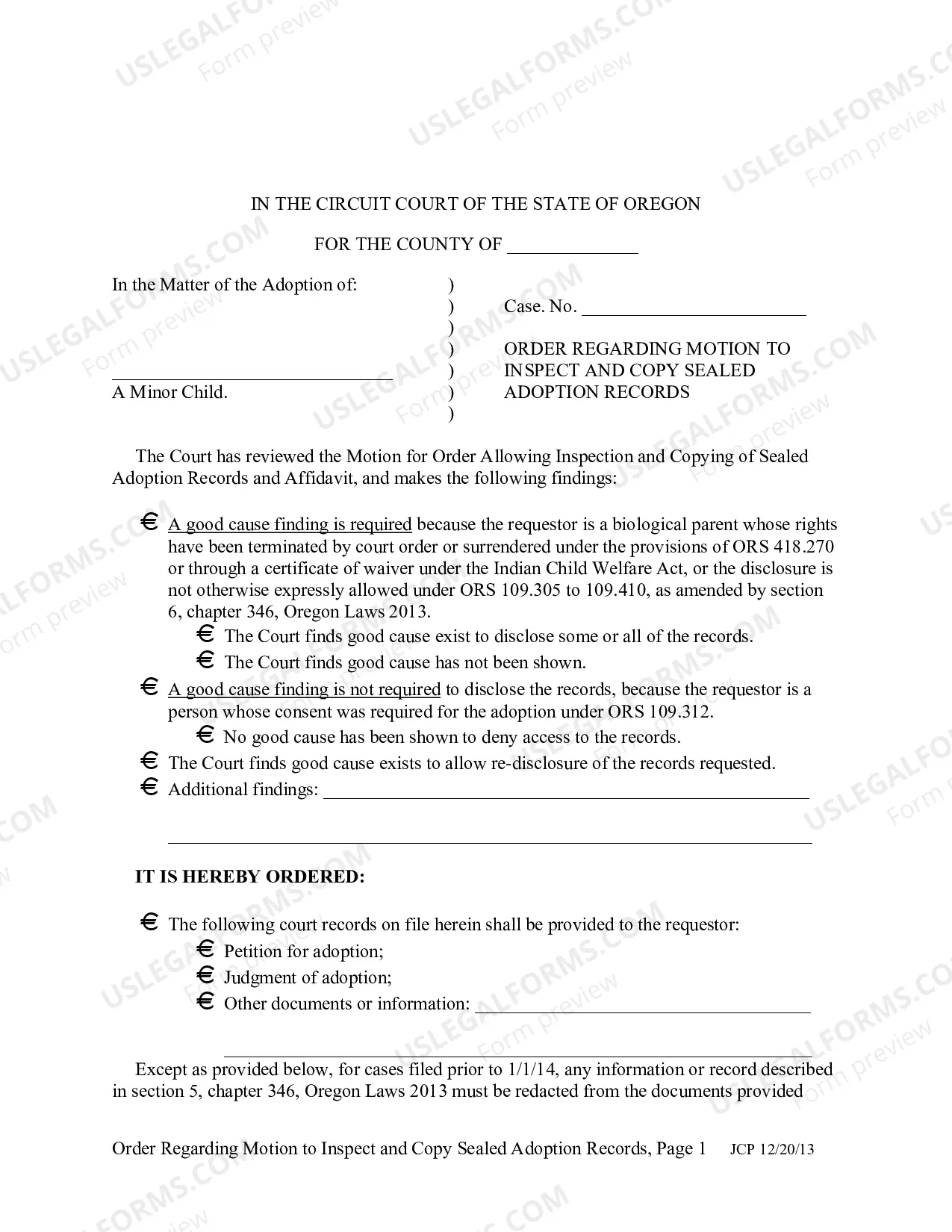
To "crack" a sealed record via a court petition, the burden of proof is on the petitioner. In 2026, courts are increasingly sympathetic to "medical necessity." If you can provide a letter from a physician stating that certain genetic markers or family history are required for your ongoing care, the court is much more likely to unseal the records.
The Role of DNA Testing and Digital Databases in 2026
The landscape of adoption search has been fundamentally altered by the rise of consumer DNA testing. While not "official records" in the legal sense, genetic databases often provide the information that sealed court records hide.
Bypassing Sealed Records
When a state refuses to open a birth certificate, DNA testing through services like AncestryDNA or 23andMe often reveals "matches" with biological relatives. By using genetic genealogy, an adoptee can triangulate their biological parents by looking at matches with second or third cousins. In 2026, these databases are so large that nearly every person of Western descent has enough relatives tested to be identifiable.
Integrating DNA with Official Records
Once a biological parent is identified via DNA, the official adoption record becomes a tool for verification rather than discovery. Knowing a birth mother's name allows an adoptee to file a more specific court petition or registry application, often speeding up the legal recognition of the relationship.
Ethical Considerations
It is important to remember that while DNA testing can bypass sealed records, it does not provide the legal benefits of an official adoption record, such as inheritance rights or the ability to correct a birth certificate. Furthermore, "surprise" DNA discoveries can be traumatic for birth parents who expected lifelong anonymity, making the use of intermediaries or professional searchers advisable.
Frequently Asked Questions
How long does it take to receive adoption records?
The timeframe varies significantly based on the type of request. Non-identifying information typically takes 4 to 8 weeks to process. If you are petitioning a court or using a Confidential Intermediary, the process can take 6 months to a year, depending on how difficult it is to locate the parties involved and the court's current backlog.
Is there a fee for accessing adoption records?
Yes, most states charge administrative fees. A simple request for a birth certificate usually costs between $15 and $50. More intensive services, such as hiring a court-appointed Confidential Intermediary, can cost between $300 and $1,000, depending on the jurisdiction and the extent of the search required.
Can a birth parent block me from seeing my records?
In states with "Disclosure Vetoes" or "Contact Preferences," a birth parent can legally file a document that prevents the state from releasing their identifying information. However, these vetoes usually do not prevent the release of non-identifying medical history or the fact that an adoption took place.
What if the adoption agency has gone out of business?
If a private agency closes, state law requires them to transfer their records to a state authority, such as the Department of Social Services or a specific state archive. You can contact your state’s adoption program manager to find out which entity now holds those specific files.
Can I access records if the adoption was international?
International adoption records are much more complex, as they involve the laws of two different countries and the U.S. Department of State. Accessing these records often requires contacting the original orphanage or the central authority of the country of origin under the Hague Adoption Convention guidelines.
Recommended Next Steps for Your Search
If you are beginning the process of seeking adoption records in 2026, your first action should be to secure all "home" documentation. This includes your amended birth certificate, any paperwork your adoptive parents may have kept, and any known details about the hospital or agency involved.
Once you have the basics, contact the Vital Statistics office in the state of your birth to inquire about the current status of their adoption laws. Because legislation changes frequently, ensure you are looking at the most recent 2026 guidelines. Simultaneously, consider registering with the International Soundex Reunion Registry (ISRR), a long-standing non-profit mutual consent registry that serves as a vital resource for connecting biological families outside of official state channels.