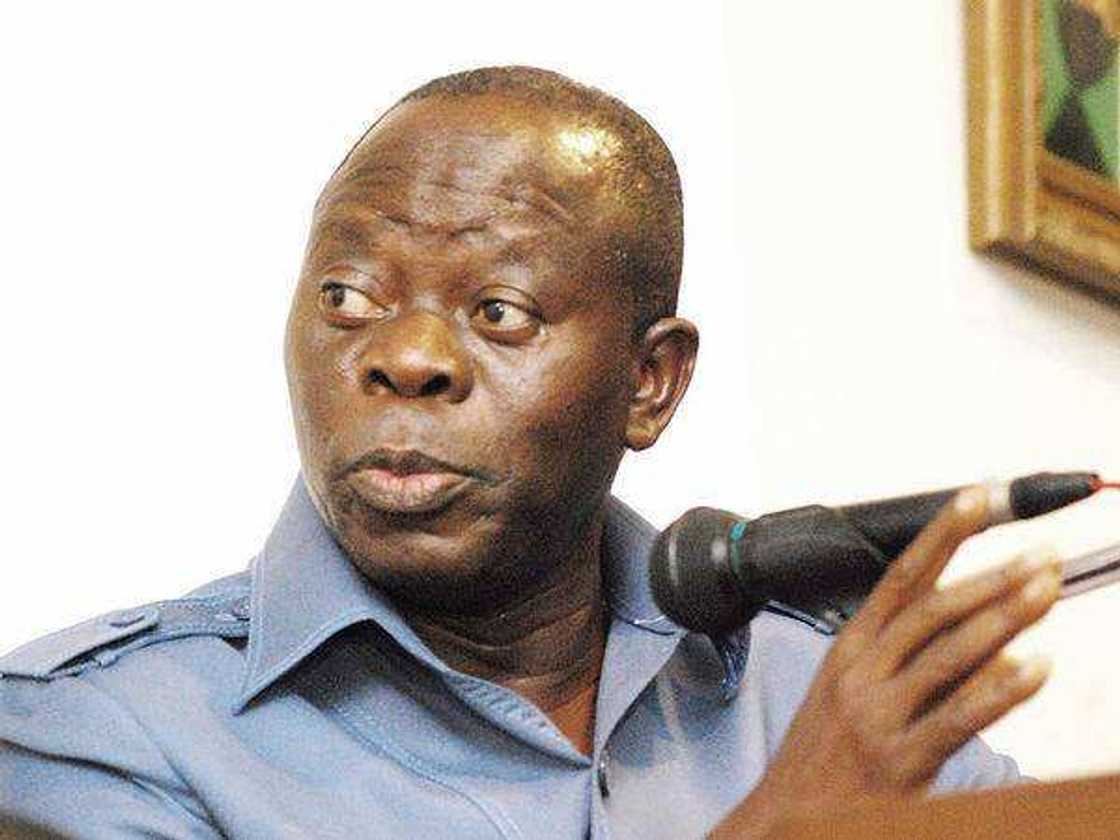
As of 2026, Adams Oshiomhole’s estimated net worth is positioned between $15 million and $50 million. This valuation stems from his multi-decade career spanning labor union leadership, two terms as the Executive Governor of Edo State, the National Chairmanship of the APC, and his current legislative role in the Nigerian Senate, alongside substantial real estate holdings and a lucrative executive pension.
Adams Aliyu Oshiomhole remains one of the most influential figures in Nigerian politics. His journey from a textile mill worker to a "comrade" labor leader, and eventually to a political powerhouse, provides a unique case study in wealth accumulation within the Nigerian socio-political landscape. Understanding his fortune requires looking beyond a simple salary figure to the complex intersections of public office, legislative allowances, and long-term asset appreciation.
The Foundation of Wealth: From the Factory Floor to the NLC
Adams Oshiomhole’s financial journey did not begin with inherited wealth. His early career in the 1970s was rooted in the textile industry in Kaduna, where he earned a modest wage as a worker. However, his transition into labor unionism through the National Union of Textile, Garment and Tailoring Workers of Nigeria (NUTGTWN) marked the beginning of his rise in influence.
By the time Oshiomhole became the President of the Nigeria Labour Congress (NLC) in 1999, he was no longer a factory worker but a high-profile negotiator. While labor leaders in Nigeria do not officially earn salaries comparable to corporate CEOs, the role provides significant perks, international travel allowances, and access to powerful networks. His tenure at the NLC (1999–2007) served as the "social capital" phase of his wealth building, where he cultivated the nationwide name recognition necessary to launch a successful gubernatorial bid.
Executive Earnings: The Edo State Governorship (2008–2016)
The most significant leap in Oshiomhole’s net worth occurred during his eight-year tenure as the Governor of Edo State. In Nigeria, the remuneration for a state governor is multifaceted, consisting of the official salary and the much-discussed "security votes."
Official Salary and Allowances
According to the Revenue Mobilisation Allocation and Fiscal Commission (RMAFC), a state governor’s basic salary is relatively modest (approximately N2.2 million annually). However, when adding various allowances for motor vehicles, personal assistants, domestic staff, and entertainment, the total package increases significantly. Over eight years, these cumulative earnings formed a steady foundation for his personal liquidity.
The Impact of Security Votes
A critical component of how high-ranking Nigerian officials "make" their fortune is the management of security votes. These are monthly allocations provided to governors for the maintenance of peace and security within their states. These funds are largely discretionary and, unlike other budgetary line items, are not subject to standard auditing processes. While Oshiomhole often advocated for transparency, the sheer volume of these funds—often running into hundreds of millions of Naira monthly—remains a focal point of discussions regarding gubernatorial wealth in Nigeria.
Legislative Income and Political Leadership Roles
Following his governorship, Oshiomhole moved into two high-stakes roles: the National Chairman of the All Progressives Congress (APC) and subsequently a Senator of the Federal Republic.
- APC National Chairmanship: While this is a party position rather than a government one, it carries immense financial influence. Managing a ruling party involves overseeing massive campaign budgets and party dues.
- The Nigerian Senate (2023–2026): As a Senator representing Edo North, Oshiomhole benefits from what is widely considered one of the most lucrative legislative pay structures in the world. Beyond the basic salary, Nigerian Senators receive substantial quarterly "running costs" and allowances for constituency projects. These funds are designed to facilitate legislative work but significantly bolster the net worth of the officeholder through administrative control.
How Oshiomhole Saves and Sustains His Fortune: The Pension Factor
One of the most effective ways Adams Oshiomhole has "saved" his fortune is through the Edo State Governor’s Pension Law. This legislation ensures that his lifestyle remains funded by the state long after his tenure ended.
In 2016, shortly before Oshiomhole left office, the Edo State House of Assembly passed an amendment to the "Pension Rights of the Governor and Deputy Governor Law." This law provides an ex-governor with:
- A New Home: A house in any location of their choice in Nigeria (valued at hundreds of millions of Naira).
- Full Salary for Life: A pension equivalent to 100% of the basic salary of the incumbent governor.
- Medical Coverage: Free medical care for the former governor and their immediate family.
- Transport and Security: Provisions for three vehicles (replaceable every five years), a cook, a steward, and security detail.
By having these major life expenses (housing, healthcare, and transport) covered by the state, Oshiomhole is able to preserve his private capital, allowing his investments to grow untouched.
Real Estate and Physical Assets
A significant portion of Oshiomhole’s wealth is tied up in luxury real estate. His most notable property is his sprawling country home in Iyamho, Edo State. This estate, which features modern architectural designs, multiple guesthouses, and extensive recreational facilities, is estimated to be worth several billion Naira.
Additionally, Oshiomhole holds properties in Abuja, the nation's capital, where real estate values have seen exponential growth over the last decade. High-end properties in areas like Maitama or Asokoro serve as both a residence and a high-yield investment, as land value in these zones rarely depreciates.
| Asset Category | Estimated Significance | Details |
|---|---|---|
| Real Estate | Very High | Country home in Iyamho, Abuja residences, and potential offshore holdings. |
| Legislative Earnings | High | Salary and "running cost" allowances as a sitting Senator (2023–2026). |
| Executive Pension | Moderate/Long-term | Lifetime salary, housing, and healthcare provided by Edo State. |
| Investments | Moderate | Private equities and business interests in the Nigerian industrial sector. |
| Political Capital | High | Influence within the APC providing access to high-level economic opportunities. |
Investment Strategy and Business Interests
While Oshiomhole is primarily known as a politician, his background in labor and industry has likely influenced a private investment portfolio. Sources familiar with his financial trajectory suggest interests in the manufacturing and agricultural sectors, although many of these are managed through proxies or private companies to comply with Nigerian code of conduct laws for public officers.
His "saving" strategy is characterized by the conversion of political influence into tangible assets. By investing in real estate and maintaining a presence in the Senate, he ensures a continuous cash flow that exceeds his personal expenditures, especially given the state-funded perks of his former office.
Challenges to the Fortune: EFCC and Legal Scrutiny
The accumulation of such vast wealth by a former "comrade" has not been without controversy. Over the years, various petitions have been filed with the Economic and Financial Crimes Commission (EFCC) regarding the source of Oshiomhole's funds, particularly concerning the cost of his Iyamho estate.
However, Oshiomhole has consistently maintained his innocence, attributing his wealth to his long career and prudent management of resources. As of 2026, no legal judgment has successfully challenged the legitimacy of his primary assets, allowing his net worth to remain stable in the eyes of financial analysts.
Frequently Asked Questions
What is Adams Oshiomhole's primary source of income in 2026?
His primary official source of income is his salary and the extensive allowances associated with being a Senator of the Federal Republic of Nigeria. This is supplemented by his lifetime pension as a former Governor of Edo State.
Does Adams Oshiomhole own businesses?
While he does not publicly manage a specific corporation, Oshiomhole is believed to have diversified investments in real estate and the Nigerian industrial sector, often managed through private investment vehicles to maintain compliance with public service regulations.
How much does Oshiomhole's Iyamho mansion cost?
Estimates for the Iyamho estate vary, but real estate experts value the property and its surrounding infrastructure at over N2.5 billion. It serves as a primary residence and a significant portion of his fixed asset portfolio.
Is the Edo State pension law still active?
Yes, despite various public debates regarding "double emoluments" for former governors who are now in the Senate, the Edo State pension law remains a legal framework that provides for Oshiomhole’s housing, security, and medical needs.
How did Oshiomhole's wealth change after becoming APC Chairman?
His tenure as APC National Chairman (2018–2020) increased his political "net worth" more than his liquid assets. However, the role provided access to high-level economic networking, which often translates into lucrative investment opportunities in the Nigerian context.
Strategic Financial Management in Public Office
To understand how Adams Oshiomhole makes and saves his fortune, one must look at the lifecycle of a high-ranking Nigerian politician. The wealth is built through executive power, expanded through legislative allowances, and preserved through state-sponsored pensions.
For those analyzing his financial status, the key takeaway is the Asset Conversion Model: turning years of political service into a self-sustaining ecosystem of real estate and legal entitlements. As he continues his tenure in the Senate through 2026, his net worth is likely to follow an upward trajectory, bolstered by the rising value of his property holdings and the consistent influx of legislative benefits.