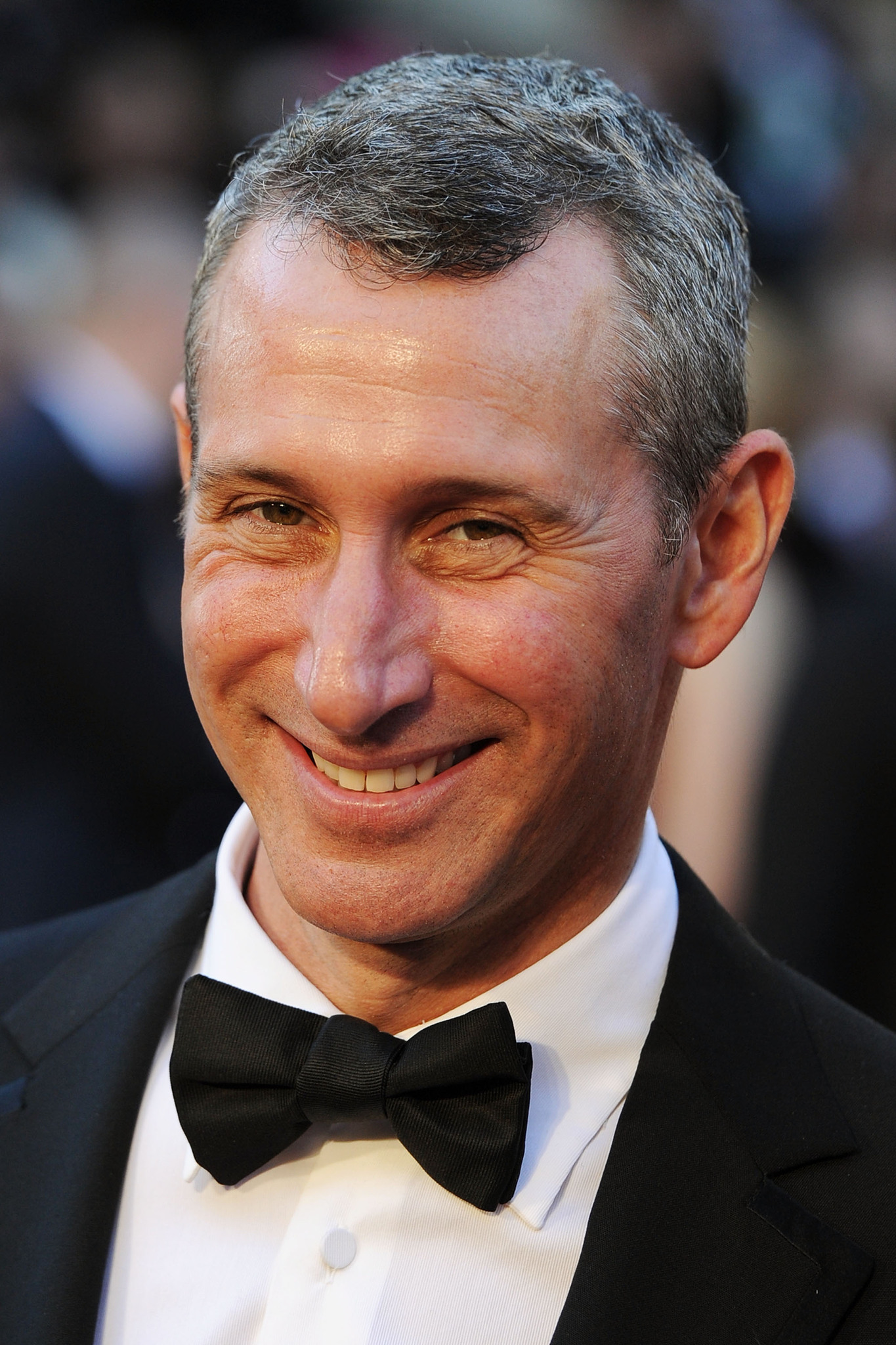
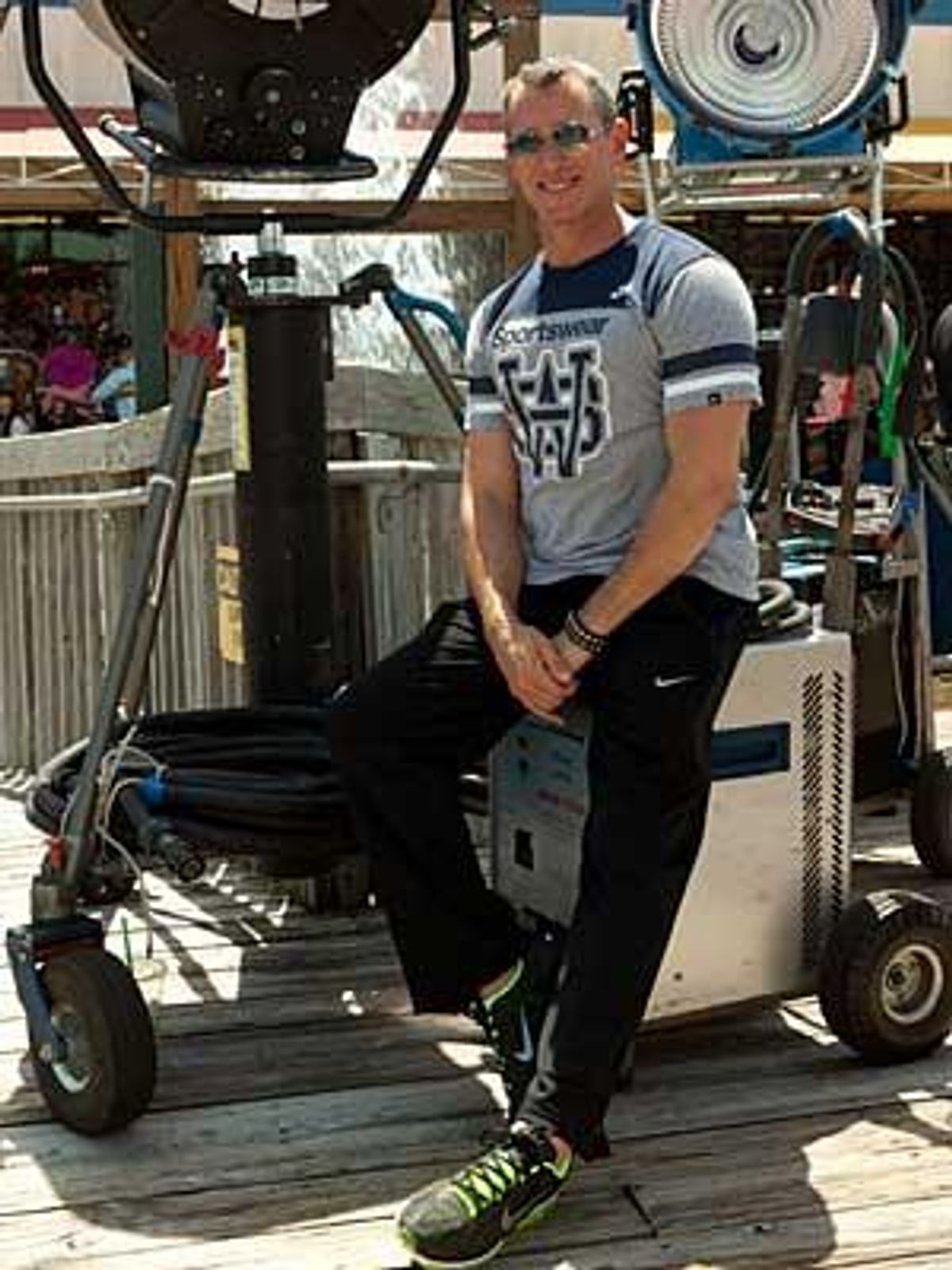
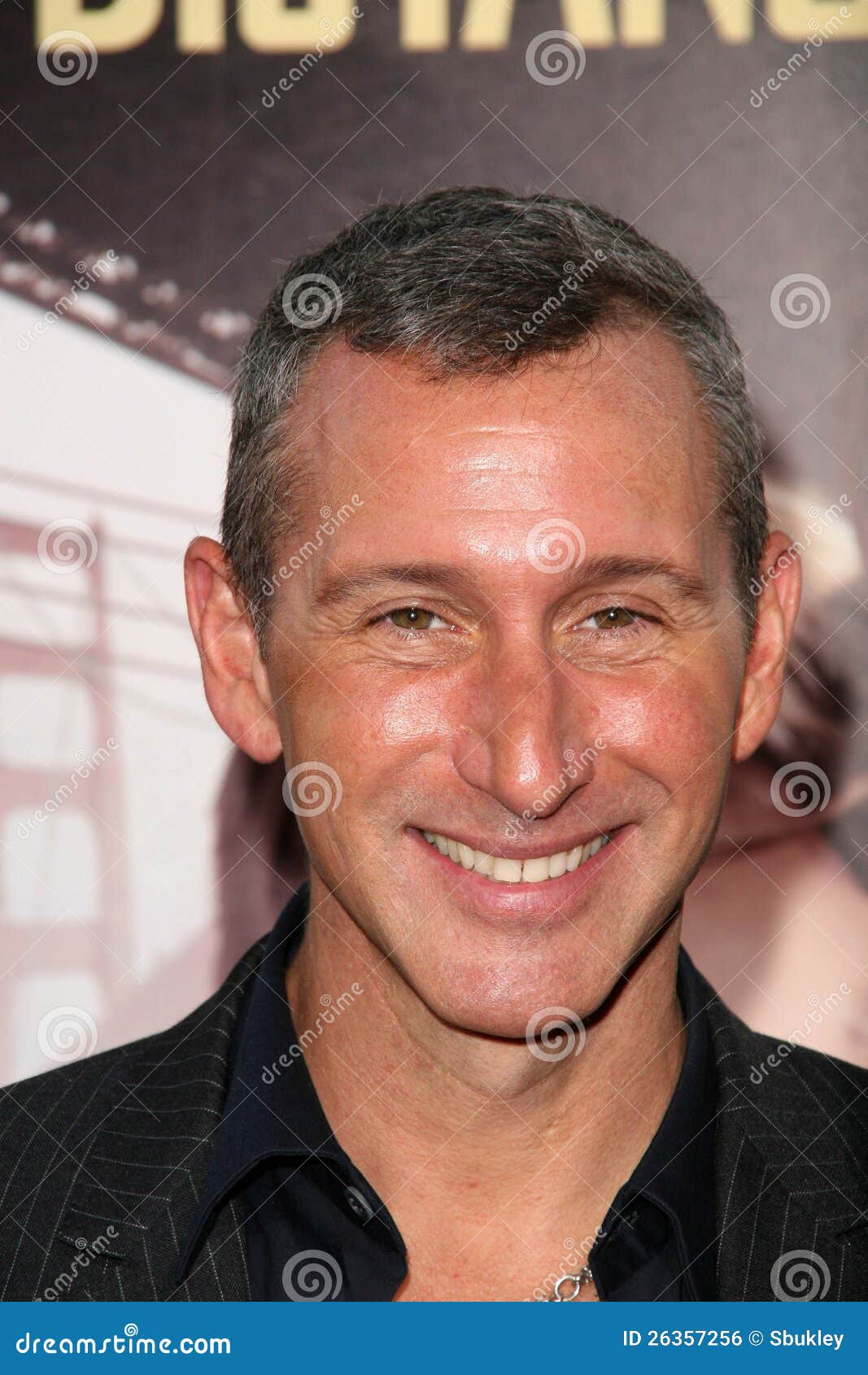
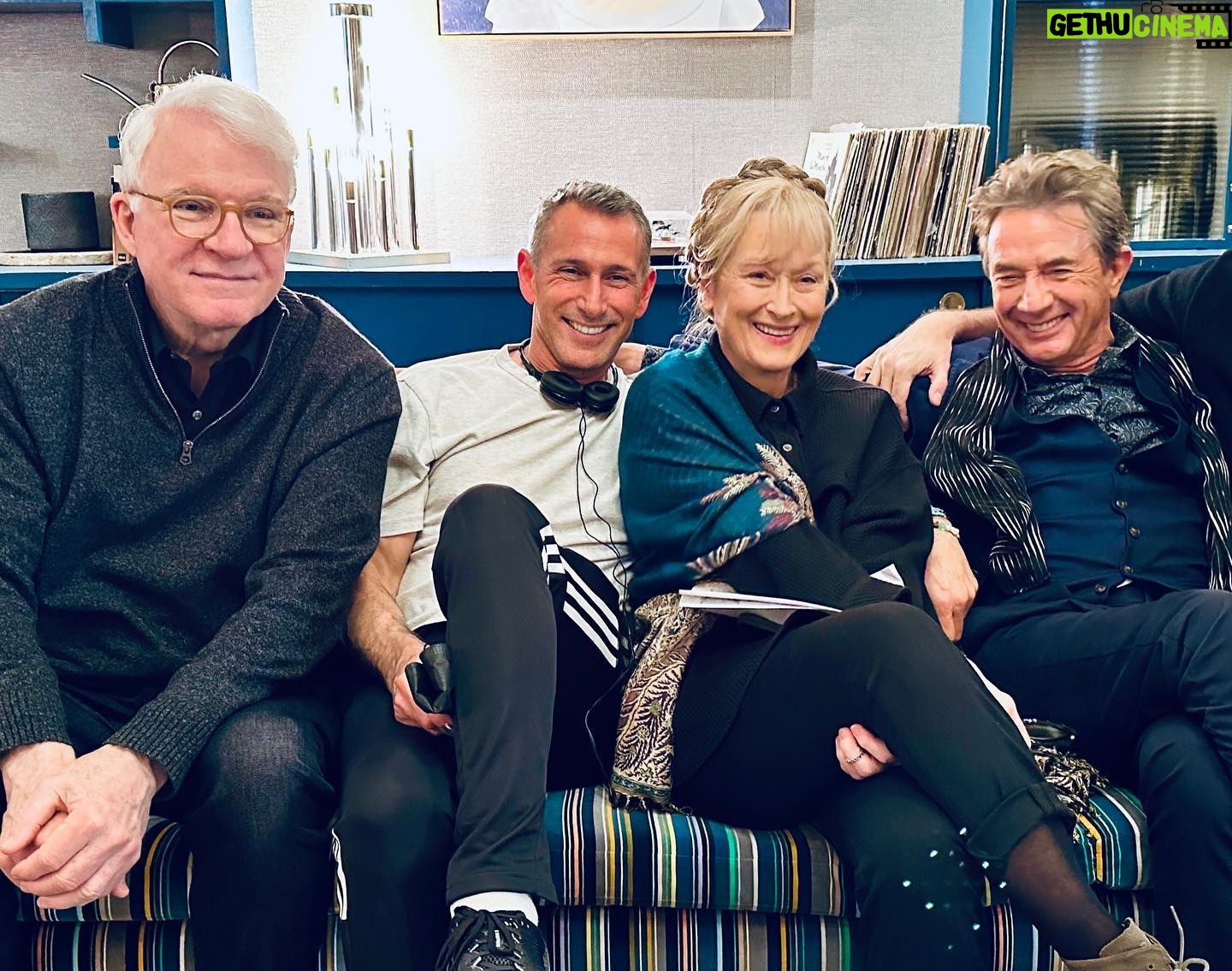
Adam Shankman is a preeminent American film director, producer, dancer, and choreographer who has profoundly shaped the modern musical and romantic comedy genres. Best known for directing the 2007 film adaptation of Hairspray and producing the Step Up franchise, his work bridges the gap between technical dance precision and mainstream commercial storytelling.
In the landscape of 2026, Adam Shankman stands as a veteran "hyphenate" whose influence extends across four decades of Hollywood history. His career trajectory serves as a blueprint for creative professionals moving from technical performance roles—specifically dance—into the highest echelons of film production and direction. Shankman’s ability to translate the kinetic energy of movement into cinematic language has made him a go-to creator for projects requiring high-stakes emotional resonance and complex physical staging.
The Foundations of Movement: Early Life and Choreography
Born in 1964 in Los Angeles to a family with deep roots in the entertainment industry, Shankman’s path was paved with an early immersion in the arts. However, his rise was not a product of nepotism but of rigorous training. After a brief period at The Juilliard School, which he left to pursue professional dance opportunities, Shankman established himself as a prominent dancer in music videos and stage shows.
During the late 1980s and early 1990s, Shankman worked with some of the biggest names in the music industry, including Paula Abdul and Janet Jackson. This era was pivotal for dance in media, as the music video format was at its zenith. Choreographing for artists like Whitney Houston and The B-52's allowed Shankman to develop a signature style: one that prioritized joy, accessibility, and high-energy synchronization.
His transition into film choreography was a natural progression. He was responsible for the iconic dance sequences in films like The Addams Family (1991) and Boogie Nights (1997). Perhaps most notably for fans of cult television, Shankman choreographed the musical episode of Buffy the Vampire Slayer, titled "Once More, with Feeling." This project demonstrated his ability to integrate song and dance into established narrative universes without losing the core identity of the characters—a skill that would later define his directorial career.
Transitioning to the Director’s Chair: Rom-Coms and Drama
The shift from choreographer to director is a path few travel successfully, yet Shankman navigated it by focusing on character-driven narratives. His directorial debut came with The Wedding Planner (2001), starring Jennifer Lopez and Matthew McConaughey. The film was a massive commercial success, debuting at number one at the box office and establishing Shankman as a director who could handle major stars and mainstream romantic sensibilities.
Following this, Shankman showcased his versatility with A Walk to Remember (2002), an adaptation of the Nicholas Sparks novel. This project moved away from the glossy aesthetics of the romantic comedy into the realm of "tear-jerker" drama. The film was instrumental in launching Mandy Moore’s acting career and proved that Shankman could manage delicate, emotionally heavy material just as effectively as high-tempo dance numbers.
Throughout the early 2000s, Shankman’s directorial output was prolific. Films like Bringing Down the House (2003) and The Pacifier (2005) solidified his reputation as a "studio-safe" director—someone capable of delivering box-office hits that appealed to broad family audiences. While these films were not always critical darlings, they were financial powerhouses, granting Shankman the "creative capital" necessary to pursue his true passion: the big-screen musical.
The Musical Masterpiece: Hairspray and Its Aftermath
In 2007, Shankman directed the film adaptation of the Broadway musical Hairspray, based on the 1988 John Waters film. This remains perhaps his most significant contribution to cinema. Shankman didn't just direct the film; he also served as the choreographer, ensuring that the movement and the camera work were perfectly synchronized.
Hairspray was a critical and commercial triumph. It managed to preserve the campy, subversive spirit of the original while making the story’s themes of racial integration and body positivity resonate with a contemporary 21st-century audience. The casting of John Travolta in drag as Edna Turnblad was a bold choice that paid off, and the film’s vibrant, saturated color palette became a benchmark for modern musical aesthetics.
The success of Hairspray led to other high-profile musical projects, including Rock of Ages (2012). While Rock of Ages faced more mixed reviews than Hairspray, it demonstrated Shankman’s willingness to experiment with different musical eras—in this case, the 1980s hair metal scene. His work in the musical genre is characterized by a "camera-as-dancer" philosophy, where the cinematography is treated as an extension of the choreography itself.
Offspring Entertainment and the Production Powerhouse
Beyond the director's chair, Adam Shankman is a formidable producer. Along with his sister, Jennifer Gibgot, he founded Offspring Entertainment. This production company has been responsible for some of the most culturally significant dance films of the last twenty years, most notably the Step Up franchise.
The Step Up films (starting in 2006) were instrumental in revitalizing the dance movie genre. By focusing on street dance, hip-hop, and contemporary styles, the franchise moved away from the classical ballet/jazz focus of older films, making dance feel relevant to a younger, more diverse audience. As of 2026, the Step Up series remains a touchstone for how to market dance-centric content to a global demographic.
Offspring Entertainment's portfolio includes a variety of successful titles:
- Step Up (2006): Launched the career of Channing Tatum.
- 17 Again (2009): A successful comedy starring Zac Efron.
- The Last Song (2010): Another Nicholas Sparks adaptation featuring Miley Cyrus.
- Disenchanted (2022): The long-awaited sequel to Enchanted, which Shankman directed for Disney+.
The partnership between Shankman and Gibgot is noted in Hollywood for its stability and consistent ability to identify "YA" (Young Adult) trends before they hit the mainstream.
Television Influence and Reality Competition
Shankman’s influence is not limited to the silver screen. He has been a pivotal figure in the reality television boom, specifically regarding dance. As a recurring judge and choreographer on So You Think You Can Dance (SYTYCD), Shankman provided technical critiques that were accessible to the general public. His presence on the show helped elevate the status of professional dancers, moving them from the background of music videos to the center stage of celebrity culture.
His television directing credits are equally impressive. He has directed episodes of Glee and Modern Family, applying his knack for timing and ensemble dynamics to the small screen. In 2010, Shankman reached a career pinnacle in television production when he co-produced the 82nd Academy Awards telecast with Bill Mechanic. The production was noted for its attempt to modernize the ceremony, incorporating more contemporary dance and a faster pace.
Legacy and Impact on LGBTQ+ Representation
As an openly gay man in Hollywood, Shankman has been a vocal advocate for LGBTQ+ rights and representation. His work often mirrors these values, emphasizing inclusivity, the breaking of social barriers, and the celebration of "the outsider." He has been a significant supporter of The Trevor Project, an organization focused on crisis intervention and suicide prevention for LGBTQ+ youth.
In 2026, Shankman is viewed not just as a filmmaker, but as a mentor to a new generation of queer creators in Hollywood. His success proved that a director could maintain a "family-friendly" brand while remaining authentic to their personal identity. He has navigated the shifts in Hollywood's corporate culture—from the dominance of physical media to the streaming wars—by remaining adaptable and focusing on the timeless appeal of music and movement.
Summary of Key Directorial and Production Works
The following table outlines the major projects that have defined Shankman's career and their impact on the industry.
| Year | Title | Role | Significant Impact |
|---|---|---|---|
| 2001 | The Wedding Planner | Director | Established him as a top-tier rom-com director. |
| 2002 | A Walk to Remember | Director | Proved his ability to handle serious dramatic adaptations. |
| 2006 | Step Up | Producer | Launched a multi-billion dollar dance franchise. |
| 2007 | Hairspray | Director/Choreographer | Revived the big-budget Hollywood movie musical. |
| 2010 | 82nd Academy Awards | Producer | Modernized the format of the Oscars telecast. |
| 2012 | Rock of Ages | Director/Choreographer | Brought 80s rock culture to the musical screen. |
| 2022 | Disenchanted | Director/Producer | Successfully helmed a major legacy sequel for Disney+. |
Frequently Asked Questions
What is Adam Shankman’s most successful film?
In terms of critical acclaim and cultural longevity, Hairspray (2007) is widely considered his most successful directorial work. However, from a financial perspective as a producer, the Step Up franchise has generated massive global revenue across five films and a television series.
Is Adam Shankman still active in 2026?
Yes. As of 2026, Shankman continues to produce through Offspring Entertainment. While he has moved into a more senior advisory and production role, he remains a key figure in musical theater development and legacy sequels for major studios like Disney and Warner Bros.
How did Adam Shankman start his career?
He began as a professional dancer and choreographer. His early breaks included performing in music videos for 1980s pop icons and choreographing the physical movement for films like The Addams Family. His reputation for being easy to work with and technically proficient led to his first directing job.
What is Adam Shankman's "Offspring Entertainment"?
Offspring Entertainment is the production company Shankman founded with his sister, Jennifer Gibgot. The company has an "overall deal" history with various studios and focuses on films that blend music, dance, and young adult themes.
Has Adam Shankman won an Oscar?
While he has not won an Academy Award for directing, he was nominated for an Emmy Award for his work producing the 82nd Academy Awards telecast. His films have received numerous nominations across the Golden Globes and SAG Awards.
Strategic Takeaways for Aspiring Creators
Adam Shankman’s career offers a specific lesson in lateral career movement. He did not wait for a directing opportunity to fall into his lap; he made himself indispensable as a choreographer first. By mastering a niche skill (choreography), he gained the trust of studio executives to handle entire productions.
For those looking to follow in his footsteps, the "Shankman Model" suggests:
- Master a Technical Craft: Whether it’s choreography, editing, or cinematography, having a foundational technical skill provides a safety net and a unique lens through which to direct.
- Focus on Collaborative Partnerships: His lifelong professional partnership with his sister, Jennifer Gibgot, allowed him to focus on the creative aspects of directing while she managed the complexities of production and development.
- Adapt to the Platform: Shankman transitioned seamlessly from music videos to film, from film to reality TV, and finally from theatrical releases to streaming platforms like Disney+.
To further explore the nuances of his directing style, viewers are encouraged to watch the "Making of" documentaries for Hairspray, which provide a detailed look at how he manages the intersection of song, dance, and narrative storytelling.