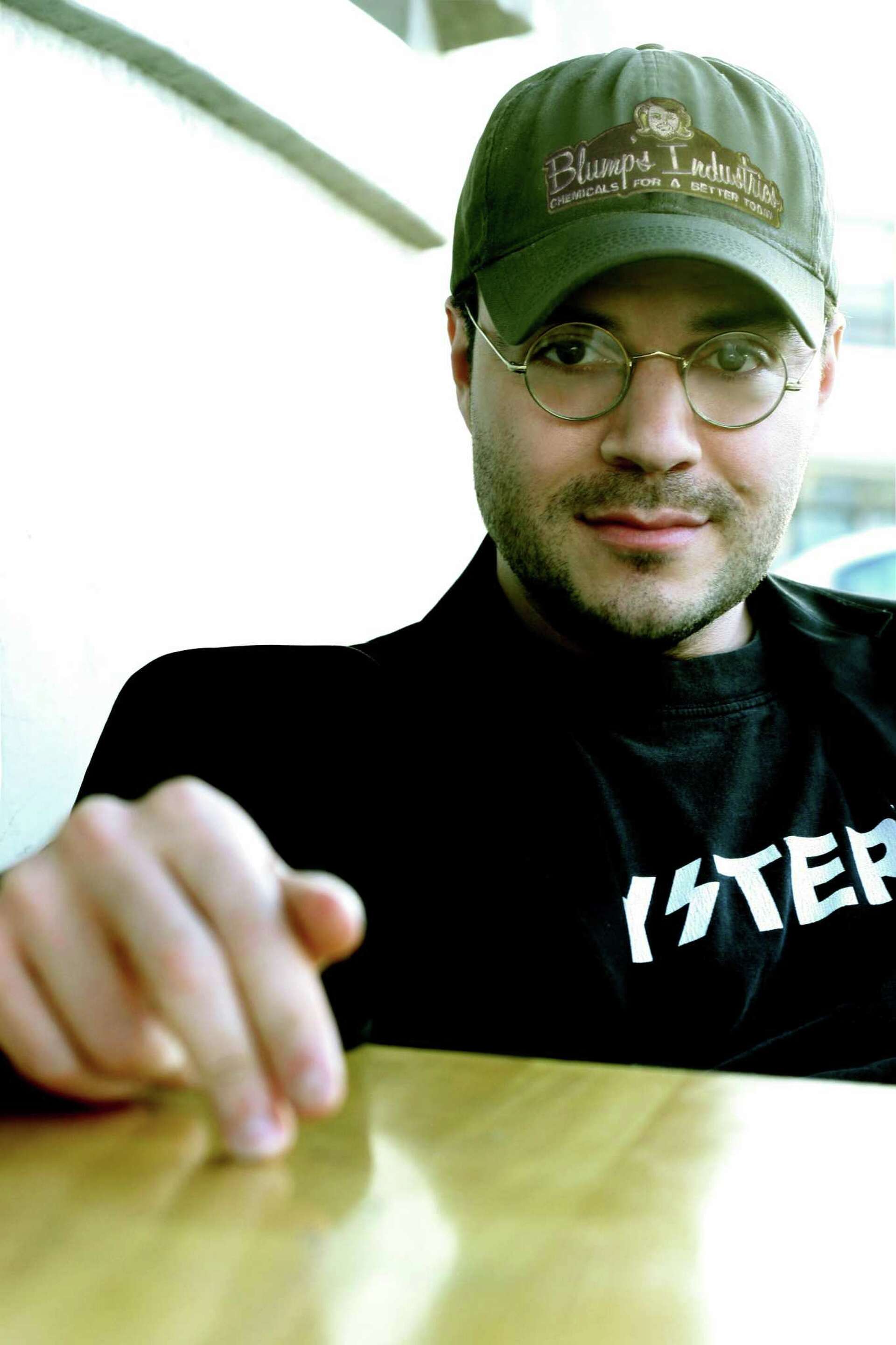
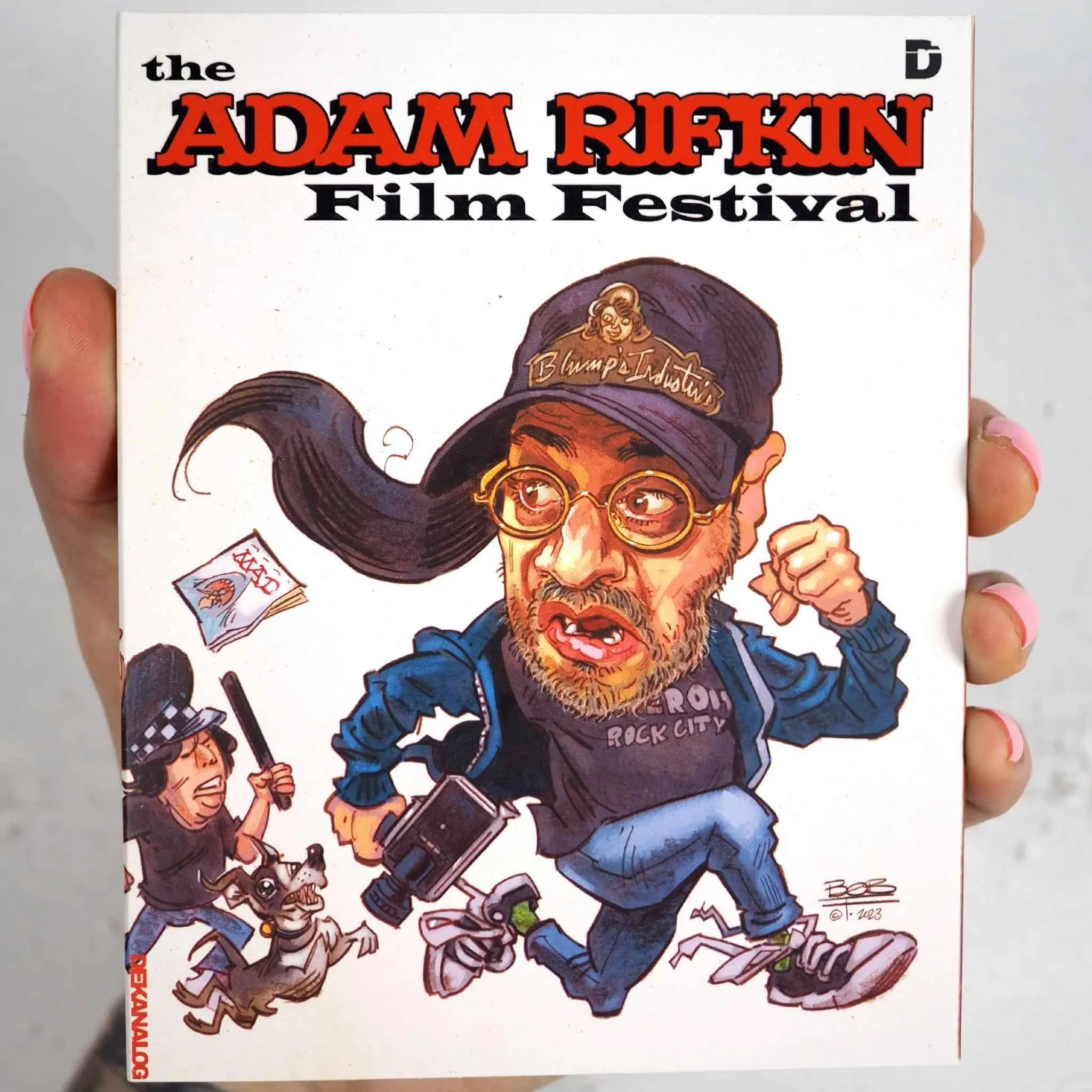
Adam Rifkin is a prolific American filmmaker, screenwriter, and producer recognized for his versatile career spanning cult comedies like Detroit Rock City, experimental projects like Look, and high-concept studio hits like Mouse Hunt. Since the late 1980s, Rifkin has balanced independent directorial ventures with a successful screenwriting career in the Hollywood studio system.
Across nearly four decades in the entertainment industry, Adam Rifkin has established himself as a "director’s director," known for his ability to pivot between vastly different genres—ranging from family-friendly blockbusters to gritty, experimental indie dramas. As of 2026, his body of work serves as a case study for navigating the shifting landscapes of theatrical releases, the DVD cult era, and the eventual transition to streaming-dominant distribution. To understand his impact on modern cinema, one must look at the specific intersections of his creative philosophy, his technical innovations, and his role as a writer for some of the most recognizable films of the late 90s and early 2000s.
Early Career and the Rise of an Indie Maverick
Adam Rifkin’s entry into Hollywood is a quintessential story of 1980s determination. Starting under the pseudonym Rif Coogan for early projects like The Invisible Kid (1988), he quickly demonstrated a penchant for high-concept storytelling. His early work was characterized by a raw, often irreverent energy that mirrored the burgeoning independent film movement of the time.
His first major breakthrough as a director came with Never on Tuesday (1988), which featured a slew of cameos from major stars like Charlie Sheen, Nicolas Cage, and Cary Elwes. This ability to attract high-profile talent to small-scale independent projects became a hallmark of his career. By the early 1990s, Rifkin moved into more mainstream territory with The Chase (1994), starring Charlie Sheen and Henry Rollins. The film, a satirical look at media sensation and police pursuits, showcased Rifkin’s ability to weave social commentary into high-octane action—a theme that would recur in his later experimental work.
During this period, Rifkin was often grouped with the "Class of the 90s" indie filmmakers, but he distinguished himself by not sticking to a single aesthetic. While others focused on gritty realism or postmodern dialogue, Rifkin was equally comfortable writing big-budget spectacles, establishing a dual-track career that provided him with financial stability and creative freedom.
The Screenwriter’s Influence: From Mouse Hunt to Small Soldiers
While many recognize Rifkin for his directorial work, his influence on the global box office is perhaps most significant through his screenwriting. In the late 1990s, Rifkin became a go-to writer for high-concept, family-oriented adventure films. This era of his career demonstrated his mastery of the "high-concept" pitch—stories that can be summarized in a single, compelling sentence.
- Mouse Hunt (1997): Directed by Gore Verbinski and written by Rifkin, this film was a commercial success that blended slapstick comedy with sophisticated visual effects. It remains a staple of late-90s family cinema.
- Small Soldiers (1998): Working with director Joe Dante, Rifkin contributed to the story of this tech-centric action film. The movie explored themes of military technology and consumerism, wrapped in a story about sentient action figures.
- Underdog (2007): Rifkin’s screenplay for the live-action adaptation of the classic cartoon continued his streak of successful family-oriented writing, proving his ability to modernize legacy intellectual property.
This "one for them, one for me" strategy—writing massive studio hits to fund or facilitate personal directorial projects—allowed Rifkin to remain prolific in an industry that often pigeonholes creators. It is a model many independent filmmakers in 2026 continue to emulate to sustain long-term careers.
Experimental Filmmaking and the Innovation of "Look"
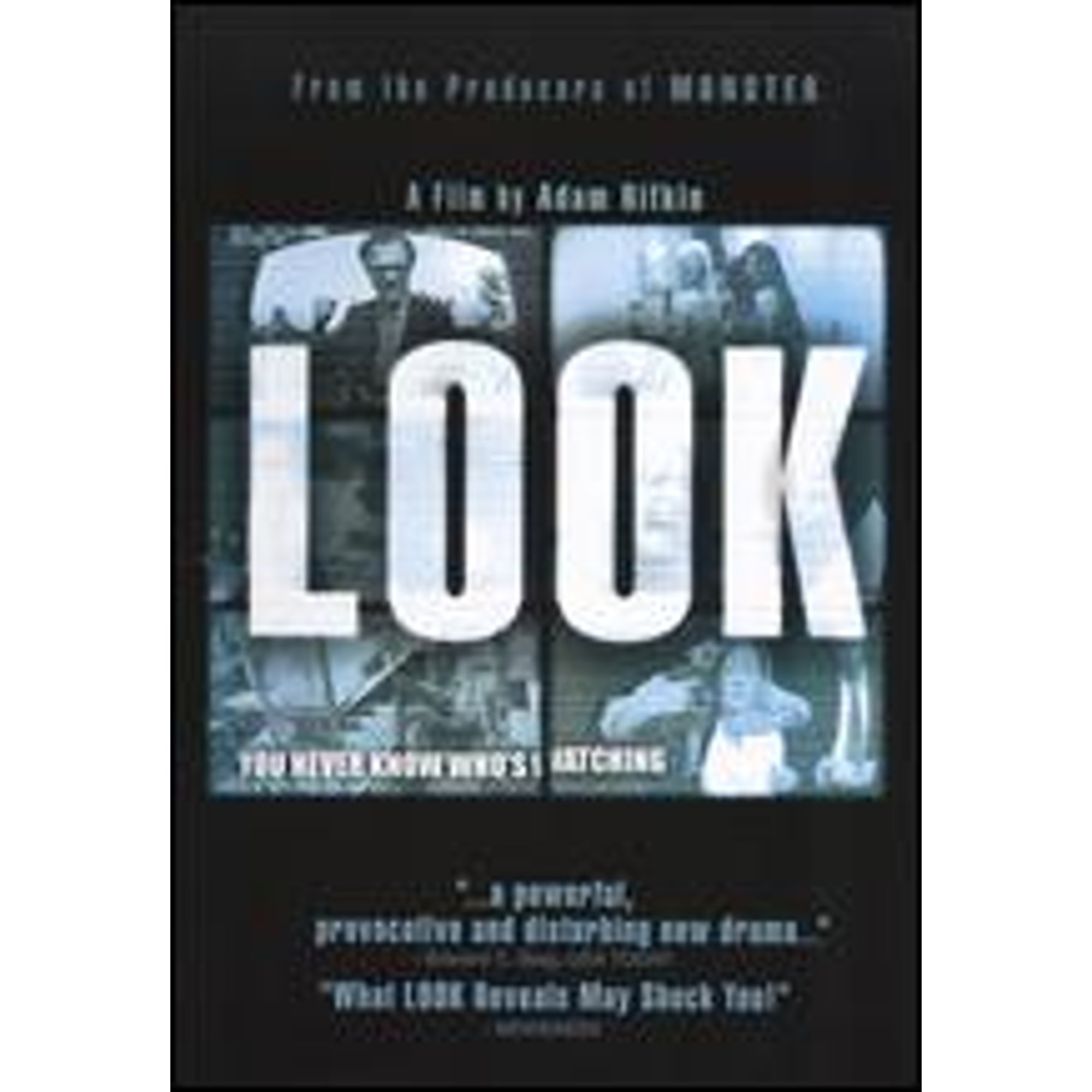
In 2007, Rifkin pivoted away from traditional narrative structures to create Look, arguably his most technically ambitious project. The film is unique because it is shot entirely through the perspective of surveillance cameras. In an era before the ubiquity of smartphones and social media "stories," Look was a prescient examination of privacy, voyeurism, and the silent observers of urban life.
The production of Look required a specialized approach to cinematography and editing. Rather than using traditional camera placements to capture performances, the "cameras" were positioned to mimic CCTV, ATM security feeds, and department store monitors. This forced the actors to perform within the environment rather than for the lens, resulting in a hauntingly realistic portrayal of mundane and criminal activities.
The film’s critical success led to a spin-off television series on Showtime in 2010, further exploring the lives of interconnected characters through the lens of a "surveillance society." For students of film, Look remains a primary text for studying how technical constraints can actually expand the narrative possibilities of a medium. It challenged the necessity of the "cinematic look" in favor of a raw, observational truth.
Directorial Highlights and Genre Versatility
Rifkin’s directorial filmography is a testament to his refusal to be categorized. He has directed everything from teen "hangout" movies to poignant character studies.
Detroit Rock City (1999)
Perhaps his most beloved cult film, Detroit Rock City follows four teenagers in 1978 on a quest to see a KISS concert. While it wasn't a massive box office hit upon release, it found a massive second life on home video and cable. The film captures a specific cultural zeitgeist, blending a coming-of-age story with the heavy metal subculture of the late 70s. Rifkin’s direction focused on the frenetic energy of youth, utilizing a soundtrack-heavy approach that influenced the "retro-nostalgia" genre for years to come.
The Last Movie Star (2017)
In a departure from his more comedic or experimental roots, Rifkin wrote and directed The Last Movie Star, starring Burt Reynolds in one of his final roles. The film is a meta-narrative about an aging Hollywood icon facing his own obsolescence. It is a deeply personal film that showcases Rifkin’s maturity as a storyteller. By casting Reynolds—a real-life icon—in a role that mirrored his own career decline, Rifkin blurred the lines between fiction and reality, creating a poignant tribute to the Golden Age of Hollywood.
Key Works in the Adam Rifkin Filmography
| Year | Title | Role | Notable Aspect |
|---|---|---|---|
| 1994 | The Chase | Director/Writer | Satirical action starring Charlie Sheen |
| 1997 | Mouse Hunt | Writer | Significant commercial success |
| 1999 | Detroit Rock City | Director | Cultural cult classic for KISS fans |
| 2007 | Look | Director/Writer | Shot entirely via surveillance cameras |
| 2011 | Chillerama | Dir/Writer (Segment) | Anthology horror-comedy tribute |
| 2017 | The Last Movie Star | Director/Writer | Burt Reynolds’ final major performance |
Disambiguation: The Two Adam Rifkins
When searching for "Adam Rifkin," users often encounter two distinct public figures. While this guide focuses on the filmmaker, it is important to briefly distinguish him from the tech entrepreneur.
The "other" Adam Rifkin is a well-known Silicon Valley figure, an engineer, and the co-founder of several startups, including Renkoo and PandaWhale. He is frequently cited by authors like Adam Grant as one of the most successful "networkers" or "givers" in the tech industry. While they share a name, their career paths are entirely separate. The filmmaker Adam Rifkin is primarily based in Los Angeles and is defined by his contributions to the visual arts and screenwriting.
Directorial Style and Recurring Themes
Despite the diversity of his genres, several themes recur throughout Adam Rifkin’s work. One of the most prominent is the critique of celebrity and media culture. From the media circus in The Chase to the fading stardom in The Last Movie Star, Rifkin is fascinated by how the public perceives individuals through a lens—whether that lens is a news camera or a security monitor.
Technically, Rifkin is known for economic storytelling. He often works within tight budgets, which has forced him to become creative with camera placement and editing. He is a proponent of the "guerrilla" style of filmmaking, often shooting on location and utilizing practical effects whenever possible. This DIY ethos has endeared him to the independent film community and has allowed him to maintain a steady output of work when larger studio projects are in development.
Furthermore, Rifkin often explores subcultures. Whether it is the KISS Army in Detroit Rock City, the world of amateur filmmakers in Giuseppe Makes a Movie (a documentary he produced), or the drive-in horror fans in Chillerama, he approaches these groups with an insider’s affection rather than an outsider’s mockery.
Frequently Asked Questions
What is Adam Rifkin's most famous movie?
While "most famous" depends on the audience, Detroit Rock City (1999) is widely considered his most enduring cult classic. However, from a commercial standpoint, his writing work on Mouse Hunt (1997) and Small Soldiers (1998) reached the largest global audiences.
How did Adam Rifkin film the movie Look?
The movie Look was filmed using a combination of actual surveillance equipment and high-definition cameras rigged to mimic the low-frame-rate, high-angle aesthetic of CCTV. Rifkin and his team spent months scouting locations that already had cameras to ensure the "surveillance logic" of the film felt authentic to the viewer.
Is Adam Rifkin still active in the film industry?
Yes, as of 2026, Adam Rifkin remains an active director and screenwriter. He has transitioned into the world of streaming and limited series, while also continuing to produce independent features and documentaries that focus on idiosyncratic characters and niche subcultures.
Did Adam Rifkin write Underdog?
Yes, Adam Rifkin is one of the credited screenwriters for the 2007 live-action/CGI film Underdog, produced by Walt Disney Pictures. This project showcased his ability to adapt existing intellectual property for a modern, younger audience.
What was Adam Rifkin's involvement in the movie Zoom?
Adam Rifkin wrote the screenplay for the 2006 superhero comedy Zoom, starring Tim Allen. The film is part of his mid-2000s body of work focused on family-friendly, high-concept entertainment within the studio system.
Recommendations for New Viewers
For those unfamiliar with Adam Rifkin's work, the best entry point depends on your preferred genre. If you enjoy nostalgic comedies, Detroit Rock City is the essential choice; it captures the spirit of the late 70s with a high-energy, rebellious tone. For viewers interested in experimental cinema, Look offers a unique, thought-provoking experience that remains highly relevant in our modern era of constant digital surveillance.
If you are looking for a poignant drama, The Last Movie Star provides a rare, vulnerable performance from Burt Reynolds and demonstrates Rifkin's skill as a sensitive writer-director. By exploring these three pillars—cult comedy, technical experimentation, and character-driven drama—viewers can appreciate the full breadth of one of Hollywood’s most adaptable and persistent creative voices.