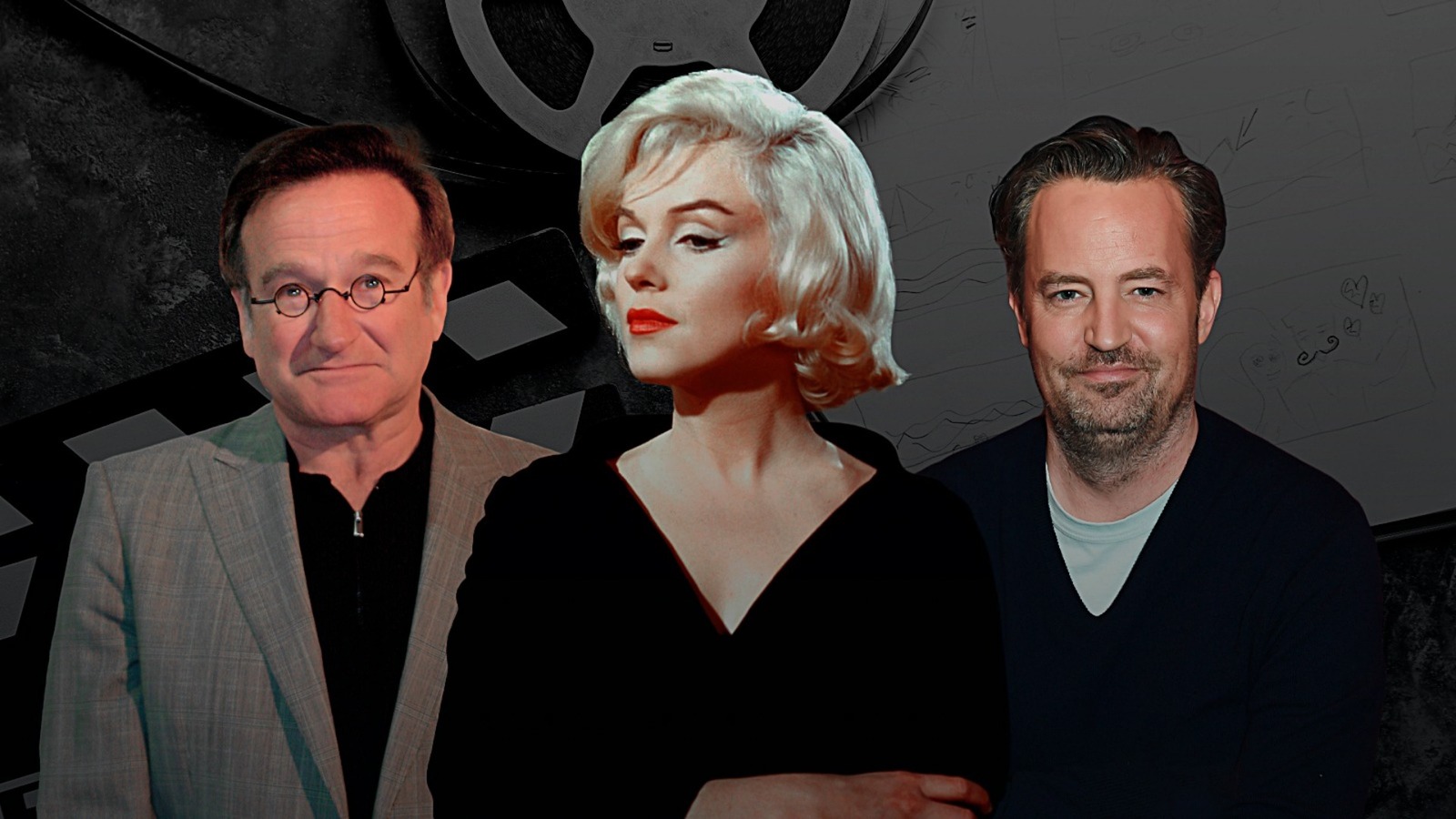
When actors participate in high-profile interviews, the discourse often transcends mere promotion of their latest projects to provide a rare window into the technical and psychological rigors of performance. These sessions function as masterclasses where stars reveal the granular secrets of character development, script analysis, and the sustained concentration required to deliver nuanced portrayals under the pressures of a production schedule.
The Evolution of the Actor Interview as a Pedagogical Tool
Historically, the actor interview was primarily a marketing instrument designed to drive box office sales or viewership. However, the media landscape of the 2020s has shifted toward a more craft-centric approach. Platforms ranging from long-form video podcasts to industry-standard roundtable discussions now prioritize "the process" over "the gossip." This evolution allows performers to dismantle the misconception that acting is merely an intuitive gift, instead highlighting it as a deliberate, repeatable technical skill.
When stars share their secrets in these environments, they are often deconstructing their own workflow. They describe the transition from initial script cold-reads to the final day of principal photography. By explaining how they utilize sensory memory, vocal modulation, and physical grounding, these actors provide a tangible map of their professional preparation. This shift reflects a growing audience appetite for transparency, where fans and aspiring professionals alike are interested in the mechanics of how a performance is constructed, rehearsed, and refined.
Decoding the Anatomy of Script Analysis
One of the most guarded "secrets" frequently discussed by acclaimed actors is the methodology behind script analysis. Most industry professionals emphasize that the text is not merely a collection of lines to be memorized, but a structural blueprint containing the psychological motivations of the character.
Actors often reveal that they work backward from the "objective"—what the character wants in a specific scene—to determine the subtext of their dialogue. The secret here lies in the refusal to play the emotion of a scene; instead, the actor focuses on the pursuit of the objective. When an actor is interviewed about a particularly complex role, they frequently explain how they identify the "beats" or shifts in intention within a single page of dialogue. This analytical rigor ensures that every facial expression or vocal inflection is tied to a logical narrative purpose rather than arbitrary emotional choices.
Technical Foundations: The Intersection of Psychology and Physicality
The physical manifestation of a character is a staple topic when actors discuss the secrets of their success. This goes beyond costume and makeup; it involves the deliberate alteration of body language, gait, and breath control.
Many performers describe the process of "finding the walk" of a character—a specific physical posture that informs the character's internal reality. In interviews, actors may discuss how they utilize techniques such as the Alexander Technique or Laban Movement Analysis to detach from their own natural physical habits. By controlling their breathing rhythms, actors can modulate their heart rate and vocal quality, which allows them to simulate physiological responses to high-stress situations convincingly. This technical control is what allows a performer to remain present and responsive to their scene partners, ensuring that the performance remains fluid and organic even when it is highly choreographed.
Comparing Approaches to Character Preparation
Different actors lean into varying schools of thought, and their interviews often highlight the tension between these methodologies. Understanding these differences helps explain why certain performances feel more internal and restrained, while others feel explosive and external.
| Approach | Primary Focus | Practical Application |
|---|---|---|
| Method Acting | Emotional recall and sensory memory | Utilizing personal experience to fuel character feelings |
| Classical Training | Vocal projection and physical precision | Focusing on external form and rhythmic text delivery |
| Meisner Technique | In-the-moment responsiveness | Prioritizing the reaction to the scene partner over internal planning |
| Intuitive/Organic | Instinctual connection to the script | Relying on spontaneous reactions and fluid improvisation |
This table illustrates that there is no singular "secret" to acting; rather, there is a spectrum of tools. Most professional actors interviewed in 2026 note that they employ a hybrid of these techniques, adapting their approach based on whether they are working in hyper-realistic cinema or stylized theatrical productions.
Navigating the Challenges of Long-Form Storytelling
In the modern era of limited series and multi-season streaming arcs, the demands on an actor's endurance have changed. Actors share secrets in interviews about how they sustain a character’s internal arc over several months of non-linear shooting. Unlike a stage play, where an actor can build an emotional arc chronologically, television and film often require the filming of the final scenes first.
The secret to maintaining consistency in this environment is the creation of a "character bible." This personal document, often referenced by actors in interviews, serves as a master record of the character’s history, secrets, and evolving motivations. By maintaining this document, the actor ensures that their performance remains anchored in a singular truth, even when the production schedule jumps between the beginning, middle, and end of the story. This practice of meticulous record-keeping is a vital, albeit unglamorous, part of the professional actor’s repertoire.
The Role of Collaboration and Listening
Perhaps the most common theme among top-tier actors is the insistence that acting is an act of listening. In professional interviews, stars frequently debunk the myth of the "lone genius" by crediting their performances to the atmosphere created by directors and fellow cast members.
The technical secret shared here is the cultivation of "presence." If an actor is thinking about their next line or their own performance quality, they are not listening. By focusing entirely on the partner's eyes or the nuance of their delivery, the actor can respond with genuine spontaneity. This collaborative mindset is essential for troubleshooting scenes that feel "flat" or uninspired. When a scene fails to ignite, actors often reveal that the remedy is simply to stop acting and start reacting, proving that the most advanced technical skill is often the simplest to name but the hardest to execute: genuine human connection.
Frequently Asked Questions
How do actors memorize large volumes of dialogue so quickly?
Most professionals use a process called "line-running" combined with an understanding of the character’s intent. Rather than memorizing the words in isolation, they memorize the thought process. By understanding why the character moves from point A to point B in their logic, the dialogue follows more naturally.
Why do some actors say they are "not acting" in an interview?
When an actor claims they are not acting, they are usually referring to a state of flow where the technique has become so integrated into their subconscious that the performance feels like an extension of their own self. It is a testament to the success of their preparation.
Do actors actually stay in character between takes?
This varies significantly by the individual and the production. Some actors find that staying in a psychological "headspace" helps them maintain intensity, while others prefer to "drop" the character to maintain their own mental health and interact normally with the crew. There is no industry standard for this.
How does an actor prepare for a scene that is emotionally draining?
Actors often utilize "trigger" work or controlled sensory memory to reach a state of vulnerability. They also establish clear boundaries and post-scene "reset" protocols to ensure that the emotional weight of the character does not impact their personal well-being after the cameras stop rolling.
Can viewers learn how to act just by watching these interviews?
While interviews offer invaluable insights into the mindset and tools of professional actors, they are supplementary. The art of acting requires consistent, practical application, often through scene study, workshops, and real-world experience, which cannot be fully replicated through observational learning alone.
Developing Your Own Practical Framework
If you are looking to apply the lessons shared by these professionals to your own creative work, the first step is to document your own process. Do not rely on memory. Start by creating a character brief that maps out your objective, the obstacles in your path, and the tactics you will use to overcome them. Use these interviews as a library of techniques to test—try the physicalization methods mentioned by one star or the script-analysis breakdown mentioned by another. By synthesizing these approaches into a framework that works for your unique sensibilities, you can move beyond simple mimicry and toward a disciplined, intentional practice. Consistency in your analysis and a commitment to active listening with your partners will serve as the foundation for your most compelling work.