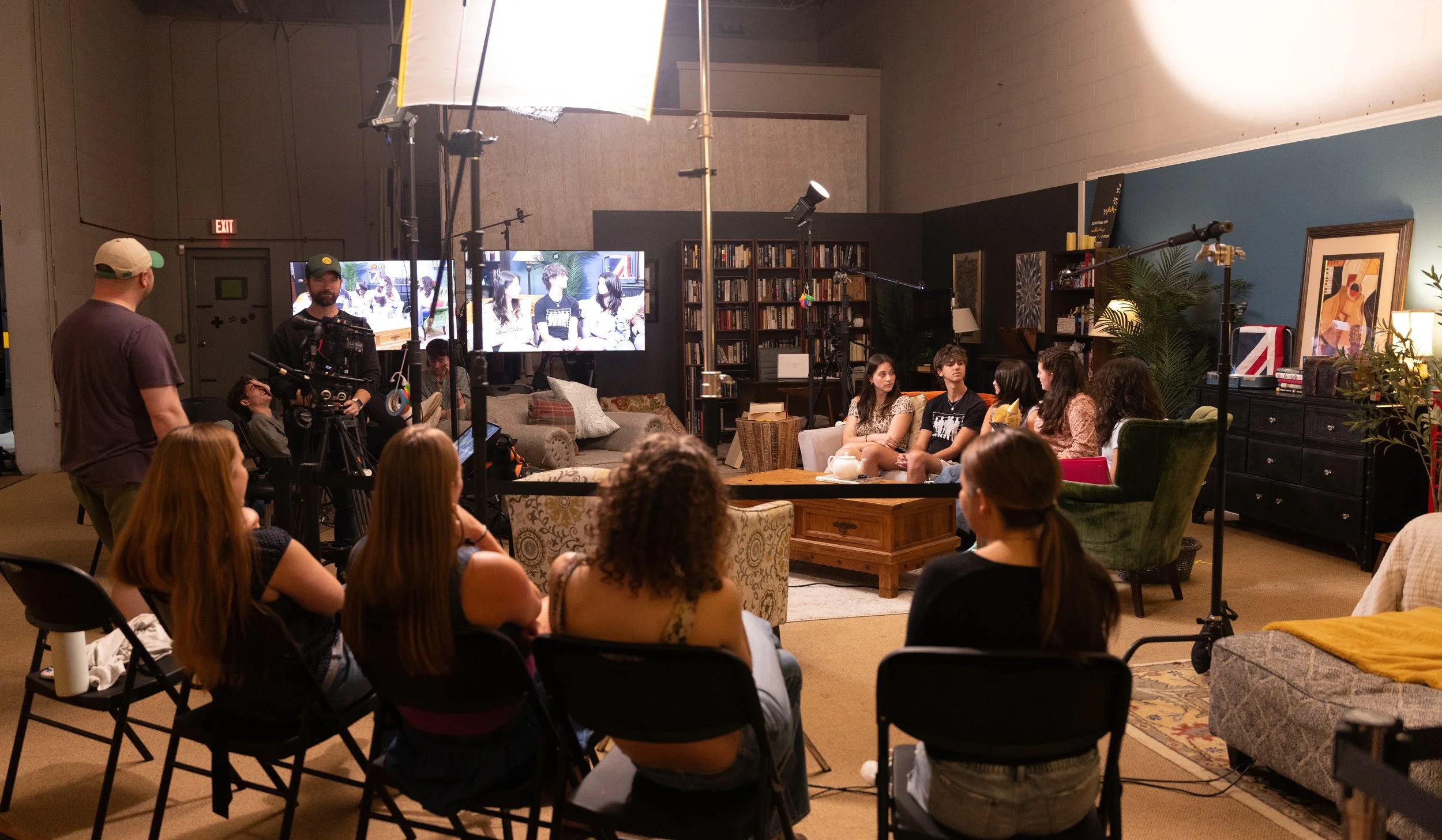
Actor training is a rigorous, multi-disciplinary process designed to equip performers with the psychological, physical, and vocal tools necessary to inhabit characters authentically and sustainably. Beyond innate talent, professional training provides the technical framework required to deliver consistent, repeatable performances across diverse media, including stage, film, television, and emerging digital environments.
The Foundation of Acting Methodologies
Modern actor training is rooted in a variety of established "methods," most of which evolved from the pioneering work of Konstantin Stanislavski at the Moscow Art Theatre. In 2026, the industry continues to prioritize performers who possess a strong technical foundation, allowing them to adapt to different directorial styles and medium requirements.
The Stanislavski System
The Stanislavski System serves as the bedrock for most Western actor training. It emphasizes the "Magic If"—the ability of an actor to believe in the possibility of the character's circumstances. Training involves identifying "Objectives" (what the character wants), "Obstacles" (what stands in their way), and "Actions" (the physical or psychological tactics used to achieve the objective). By focusing on the character's inner life and motivation, the actor avoids "indicating" or faking emotion, leading to a more organic performance.
The Meisner Technique
Developed by Sanford Meisner at the Neighborhood Playhouse, this technique focuses on "living truthfully under imaginary circumstances." The core of Meisner training is the Repetition Exercise, which is designed to shift the actor’s focus away from themselves and onto their scene partner. By 2026, Meisner training remains a staple because it develops heightened listening skills and spontaneous, instinctive reactions, which are critical for the close-up work required in modern film and high-definition television.
Method Acting (Strasberg) and the Adler Approach
Lee Strasberg’s "Method" often emphasizes "Affective Memory" or "Emotional Recall," where actors draw upon their own past experiences to fuel a character’s emotional state. Conversely, Stella Adler—who studied directly with Stanislavski—focused on the power of the imagination and deep script analysis. Adler believed that relying solely on personal trauma could be limiting and potentially damaging. Contemporary training programs often offer a synthesis of these approaches, teaching actors how to use their personal history safely while leveraging imaginative circumstances to expand their range.
Physical and Vocal Discipline: The Actor’s Instrument
An actor’s body and voice are their primary tools. Professional training programs dedicate significant hours to "tuning" this instrument to ensure clarity, power, and physical flexibility.
Vocal Training and Speech
Vocal training focuses on breath support, resonance, and articulation. Systems such as the Linklater Voice Method aim to "free" the natural voice by removing physical tensions that inhibit expression. In 2026, actors are also expected to be proficient in various dialects. Training involves learning the International Phonetic Alphabet (IPA) to break down sounds accurately, ensuring that a performer can convincingly portray characters from different geographical or social backgrounds without the accent feeling like a caricature.
Movement and Physicality
Physical training helps actors gain control over their presence and movement. Common disciplines include:
- The Alexander Technique: Focuses on posture and the release of unnecessary tension to improve efficiency of movement.
- Laban Movement Analysis: Provides a vocabulary for describing and performing different qualities of movement (e.g., "wring," "glide," "punch"), which helps in character physicalization.
- Stage Combat and Intimacy Training: These are now mandatory components of professional actor training. Stage combat ensures safety during choreographed violence, while Intimacy Coordination training establishes boundaries and consent for scenes involving physical touch or nudity, protecting the psychological well-being of the performers.
Institutional Training vs. Private Studio Models
Prospective actors in 2026 typically choose between two primary paths: degree-granting institutions (universities and conservatories) or private acting studios.
University and Conservatory Programs
A Bachelor of Fine Arts (BFA) or Master of Fine Arts (MFA) in Acting offers a structured, three-to-four-year immersive experience. Institutions like the Juilliard School, The Royal Academy of Dramatic Art (RADA), and Yale School of Drama provide comprehensive curricula covering everything from Shakespeare to modern screen acting. The primary advantage of these programs is the sheer volume of "floor time" and the networking opportunities provided by industry showcases at the end of the program.
Private Studios and Workshops
For those who cannot commit to a multi-year degree, private studios offer focused training in specific techniques. Studios such as the Sanford Meisner Center or the Lee Strasberg Theatre & Film Institute allow actors to dive deep into a single methodology. Additionally, modular workshops focusing on "Acting for the Camera" or "Self-Taping Mastery" have become essential in 2026 as the industry’s audition process has shifted almost entirely to digital submissions.
| Training Type | Duration | Primary Focus | Best For |
|---|---|---|---|
| BFA/MFA Degree | 3–4 Years | Comprehensive (Voice, Movement, Classics, Modern) | Career-starters seeking a deep, academic foundation. |
| Conservatory | 1–2 Years | Intensive, Performance-based | Actors wanting focused, non-academic professional prep. |
| Private Studio | Ongoing | Specific Technique (Meisner, Adler, etc.) | Working actors refining skills or learning a new method. |
| Workshop/Short Course | 1–6 Weeks | Niche Skills (Commercials, Self-Taping, MoCap) | Rapid skill acquisition for specific market needs. |
Digital Integration: Training for the 2026 Landscape
The technological landscape of 2026 has introduced new requirements for actor training. It is no longer sufficient to be "good on stage"; actors must understand the technical nuances of digital performance.
Performance Capture and Voiceover
With the expansion of high-fidelity gaming and virtual production, many actor training programs now include modules on Motion Capture (MoCap) and Performance Capture. Actors learn how to convey emotion through specialized suits and facial tracking rigs, requiring a heightened level of physical expression that differs from traditional film acting. Similarly, voiceover training now encompasses "Voice for AI," teaching actors how to provide source material for synthetic voices while understanding the legal and ethical implications of their digital likeness.
The Self-Tape and Remote Auditioning
As of 2026, the first round of casting is almost universally conducted via "self-tapes." Training now includes "Self-Tape Technical Literacy," where actors are taught how to manage lighting, sound engineering, and framing. A performance can be easily undermined by poor technical execution, making these skills just as vital as the acting itself. Actors are also trained in "Reader Skills," learning how to perform effectively with a partner who may be off-camera or even an AI-driven script reader.
The Business of Acting: Professional Preparation
Comprehensive training must bridge the gap between the classroom and the industry. Professional preparation involves understanding the mechanics of a career in the performing arts.
- Script Analysis: Actors must learn to read a script not just for story, but for "clues." This involves identifying the character's arc, the tempo of the scene, and the writer's specific rhythm.
- Marketing and Branding: In 2026, actors are often viewed as "micro-businesses." Training includes guidance on headshots, demo reels, and maintaining a professional social media presence that aligns with their "type" or casting bracket.
- Union Literacy: Understanding the role of organizations like SAG-AFTRA in the United States or Equity in the UK is crucial. Training programs often provide seminars on contracts, residuals, and workplace safety rights.
- Mental Resilience and Ethics: The industry is notoriously difficult. Modern training emphasizes mental health, teaching actors how to handle rejection and how to maintain a healthy work-life balance in a freelance environment.
Frequently Asked Questions
Is a formal degree required to become a professional actor?
While a degree from a prestigious institution can provide significant networking advantages and intensive training, it is not a legal or professional requirement. Many successful actors train at private studios or through consistent workshop attendance. The industry prioritizes the quality of the performance and professional reliability over academic credentials.
How much does professional actor training cost in 2026?
Costs vary wildly based on the path chosen. A BFA program at a private university can exceed $50,000 per year, while public universities may offer lower rates for in-state residents. Private studio classes typically range from $300 to $800 per month. Short-term specialized workshops for skills like stage combat or voiceover usually cost between $200 and $1,500 depending on the duration and equipment involved.
How long does it take to "finish" actor training?
Actor training is generally considered a lifelong process. While an initial intensive period of 2 to 4 years is common to establish a foundation, professional actors frequently return to classes or coaches throughout their careers to prepare for specific roles or to prevent their technique from becoming "stale."
What is "Intimacy Training," and why is it important now?
Intimacy training involves learning protocols for scenes that require physical or emotional vulnerability. It teaches actors how to establish "closed sets," use "modesty garments," and communicate boundaries with scene partners and directors. This training is essential for maintaining a safe, professional environment and preventing harassment or psychological distress on set.
Can I train as an actor online?
Yes, many aspects of actor training—such as script analysis, dialect work, and the business of acting—are well-suited to online platforms. However, most experts agree that "embodied" work like movement, stage combat, and partner-based techniques like Meisner are most effective when practiced in person to allow for real-time physical feedback and chemistry.
Developing a Training Regimen
For those beginning their journey in 2026, the most effective approach is to start with a broad foundational course to discover which methodology resonates most. Once a foundation is established, diversifying into specialized technical skills—such as on-camera technique and vocal resonance—is the next logical step.
A balanced training regimen should include a mix of "Process" (long-term technique building) and "Product" (auditioning and industry-ready skills). Regularly auditing classes at different studios can help an actor find a teacher whose language and approach click with their personal learning style. Above all, consistency is key; the "actor’s muscle" requires regular exercise to remain responsive and ready for the unpredictable demands of a professional career.