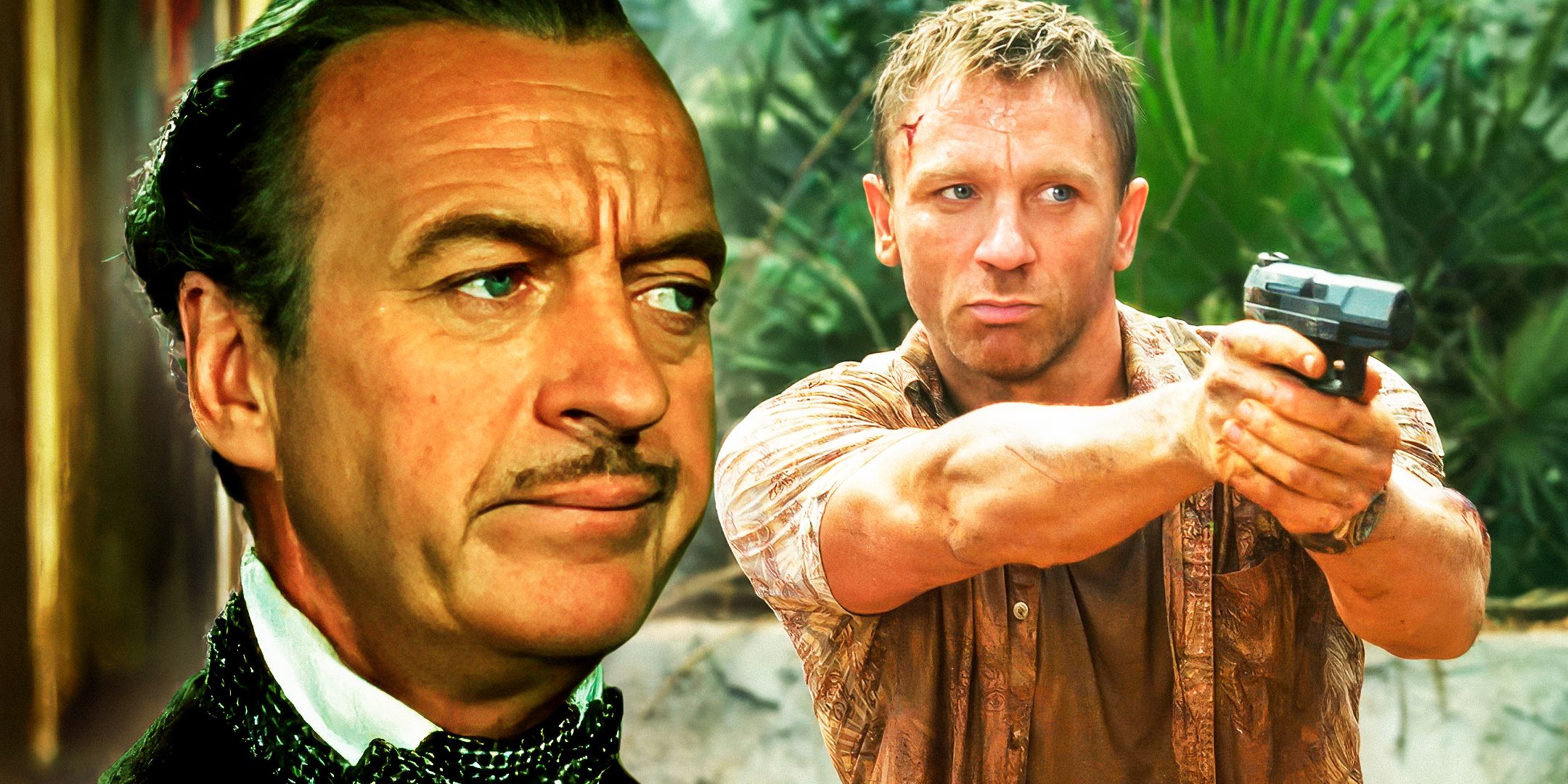
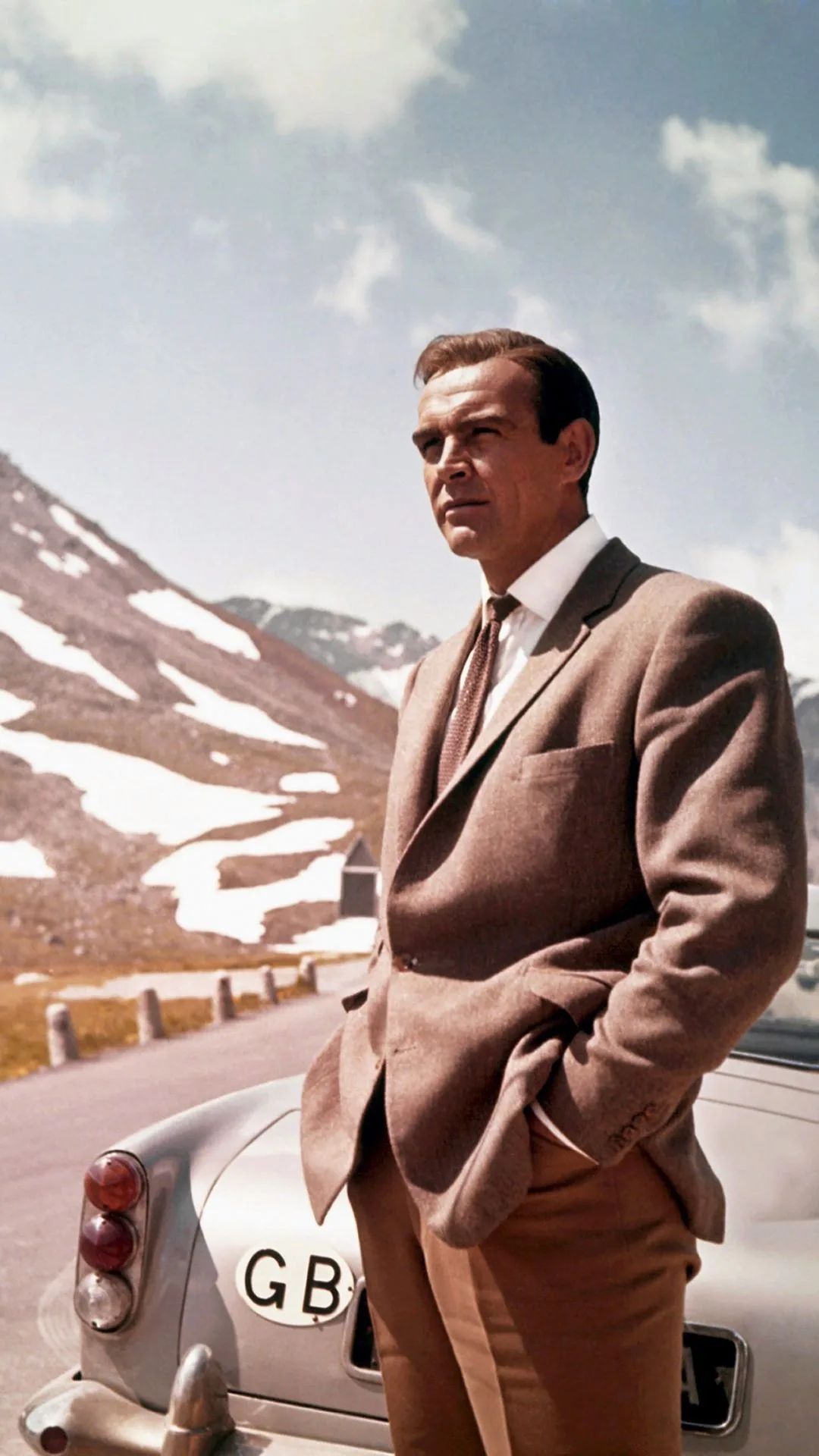
While iconic names like Sean Connery and Daniel Craig defined the role, many A-list actors—including Cary Grant, Henry Cavill, and Liam Neeson—either turned down the part or were narrowly passed over. These missed opportunities often resulted from scheduling conflicts, age concerns, or a refusal to commit to the franchise's demanding multi-film contracts.
The search for James Bond has always been one of the most scrutinized casting processes in cinematic history. Since Eon Productions launched the franchise with Dr. No in 1962, the "Bond Prototype" has remained remarkably specific yet elusive. It requires an actor with a precise blend of physical presence, effortless charm, and a willingness to surrender a decade of their career to a single character. As we look back from 2026, the list of actors who almost donned the tuxedo is as prestigious as the list of those who actually did.
The Original "No": Cary Grant and the Early Years
Long before Sean Connery became the face of the franchise, Ian Fleming and producer Albert "Cubby" Broccoli had their eyes on one of the greatest stars in Hollywood history: Cary Grant. Grant was the literal embodiment of the mid-century gentleman spy. He had already demonstrated his capability in the genre with Alfred Hitchcock’s North by Northwest (1959), a film often cited as a spiritual predecessor to the Bond series.
However, Grant turned down the role for Dr. No because of his age and a refusal to commit to a long-term contract. At 58, Grant felt he was too old to begin an action-heavy franchise. More importantly, he was a staunch believer in his own independence and did not want to be tied to a multi-picture deal. This set a precedent for the "Bond Archetype"—producers realized they needed someone younger who could grow with the role, rather than an established legend who might only stay for one outing.
Other early contenders included James Mason and Richard Burton. Mason was approached for the role but was only willing to sign for two films, whereas the producers insisted on a longer commitment. Burton, despite being a favorite of Fleming, allegedly demanded a salary that was far beyond the fledgling production's budget and reportedly harbored doubts about whether the "Bond thing" would even be a success.
The Henry Cavill Story: A Matter of Timing
Perhaps the most famous "almost" in the modern era is Henry Cavill. In the mid-2000s, when Eon Productions was looking to reboot the franchise with Casino Royale (2006), the search came down to two final candidates: Daniel Craig and a then-22-year-old Henry Cavill.
Director Martin Campbell has since confirmed in multiple interviews that Cavill gave a magnificent screen test. However, the decision ultimately rested on the desired age of the character for a "Year One" Bond story. Cavill was deemed too young to portray the world-weary, experienced commander required for the gritty reboot. He was passed over in favor of Craig, who went on to define the role for 15 years.
By the time Craig stepped down after No Time to Die, Cavill had become a global superstar through his work as Superman and Geralt of Rivia. While fans lobbied for him for years, by 2026, the window for Cavill to take the mantle has largely closed due to his age and his established presence in other major franchises. His journey remains the ultimate "sliding doors" moment in Bond history—had he been five years older in 2005, the Craig era might never have happened.
Actors Who Said "No" to the License to Kill
Not every actor who missed out on Bond was rejected; several high-profile stars actively declined the offer. The reasons range from personal relationships to artistic concerns about being typecast.
- Liam Neeson: In the early 1990s, Neeson was a top choice for GoldenEye. However, his future wife, Natasha Richardson, gave him a famous ultimatum: "If you play James Bond, we’re not getting married." Neeson prioritized his personal life and stepped aside, allowing Pierce Brosnan to take the role.
- Hugh Jackman: Following the success of the X-Men films, Jackman was approached about the role. He reportedly felt that the scripts at the time had become too "outlandish" and lacked the grit of the original Fleming novels. He also feared that juggling two massive franchises—Wolverine and Bond—would leave him with no time for other creative pursuits.
- Christian Bale: Before Daniel Craig was cast, Bale was briefly considered. However, the actor famously expressed a lack of interest, suggesting that the character represented "every despicable stereotype about British actors" and that he had already explored similar territory in American Psycho, albeit in a much darker fashion.
The "Fan Favorites" Who Never Got the Call
In the digital age, public discourse has often been dominated by actors who were "destined" for the role according to fans, but never officially entered serious negotiations with Eon Productions.
Idris Elba is the most prominent name in this category. For over a decade, rumors circulated that Elba would be the first Black James Bond. While Sony Pictures' leaked emails in 2014 confirmed that studio executives liked the idea, Elba himself has frequently stated that he was never formally offered the part. By the time the vacancy opened up in the 2020s, Elba maintained that he was more interested in his character John Luther and that the constant media speculation had "made it lose its luster."
Similarly, Clive Owen was the subject of intense speculation following his performance in Croupier (1998). Many saw him as the perfect successor to Pierce Brosnan. However, reports suggest that Owen’s demand for a gross profit-sharing agreement—a rarity for Bond actors—led to a stalemate with the Broccolis, who have historically maintained tight financial control over the franchise.
Historical Comparison of Major "Almost" Bonds
The following table outlines key actors who were officially considered or approached for the role but never played James Bond, along with the primary reason for their absence.
| Actor | Period of Consideration | Likely Film Debut | Primary Reason for Not Playing Bond |
|---|---|---|---|
| Cary Grant | 1961–1962 | Dr. No | Refused multi-film contract; felt too old (58). |
| James Mason | 1961–1962 | Dr. No | Refused to sign for more than two films. |
| Burt Reynolds | 1970–1971 | Diamonds Are Forever | Believed an American should not play Bond. |
| Liam Neeson | 1993–1994 | GoldenEye | Family/Personal reasons (ultimatum from his wife). |
| Clive Owen | 2004–2005 | Casino Royale | Contractual/Salary disputes with Eon Productions. |
| Henry Cavill | 2005 / 2022 | Casino Royale | Too young in 2005; age/timing issues later. |
| Hugh Jackman | 2002–2004 | Casino Royale | Concerns about script quality and typecasting. |
The Contractual Burden: Why Some Actors Avoid the Tuxedo
Playing James Bond is often described as a "golden cage." When an actor signs on, they aren't just signing for a film; they are signing for a brand. Eon Productions' contracts are notoriously restrictive. During their tenure, Bond actors are often forbidden from appearing in other films wearing a tuxedo or playing characters that too closely resemble a secret agent.
The commitment typically spans 10 to 15 years, during which the actor must maintain a specific physical condition and participate in grueling worldwide press tours. For an actor like Michael Fassbender or Tom Hardy—both of whom were frequently mentioned in the 2010s—this commitment can be a deterrent. These actors often prefer the freedom to move between indies, prestige dramas, and different types of blockbusters without being tethered to a single identity.
Furthermore, the "Bond Curse" is a real concern for many. While the role brings global fame, it can make it difficult for audiences to see the actor as anyone else. Actors like Timothy Dalton and Pierce Brosnan found that their post-Bond careers were initially overshadowed by the shadow of 007, requiring years of diverse work to break the mold.
Frequently Asked Questions
Why didn't Idris Elba ever play James Bond?
Despite being the fan-favorite choice for over a decade, Idris Elba was never officially cast. The primary reasons included the actor’s own hesitation to take on such a high-profile role under intense media scrutiny and the fact that by the time Daniel Craig retired, Elba was in his 50s. Eon Productions typically looks for an actor in their early 30s who can commit to the role for at least 15 years.
Was Henry Cavill really considered for Casino Royale?
Yes. Director Martin Campbell has confirmed that the final choice for Casino Royale was between Henry Cavill and Daniel Craig. Cavill was only 22 at the time and, while his screen test was excellent, the producers felt he lacked the "hard-edged" maturity needed for the reboot of the character.
Has an American ever been offered the role of Bond?
Yes. Producers originally offered the role to Adam West (following his success as Batman) and Burt Reynolds. Both actors turned it down because they firmly believed that James Bond should be played by a British or Commonwealth actor. This "rule" has generally been respected by the producers ever since.
Why did Sam Heughan turn down or lose the role?
Sam Heughan, known for Outlander, auditioned for Casino Royale at the same time as Henry Cavill. He has spoken openly about the process, noting that it was an incredible experience but that he was likely too young and not yet "established" enough for the producers to take a risk on him at that stage.
Will there ever be a "one-off" Bond film with a famous actor?
Historically, Eon Productions has avoided one-off casting to maintain the continuity and brand stability of the franchise. While fans have suggested "Old Man Bond" movies starring someone like Pierce Brosnan or a veteran actor, the producers have remained committed to the multi-film "era" format.
Navigating the Legacy of the "Lost" Bonds
For those interested in exploring what these actors might have brought to the role, many "Lost Bonds" have appeared in films that serve as spiritual auditions. Henry Cavill’s performance in The Man from U.N.C.L.E. (2015) is widely regarded as a glimpse into his potential as a suave, 1960s-era spy. Similarly, Clive Owen’s turn in Croupier and Idris Elba’s intensity in Luther provide a "what-if" look at their versions of the character.
As the franchise moves forward in 2026, the history of those who never played the role serves as a reminder that the character of James Bond is often bigger than any single actor. The casting process is a delicate alignment of age, availability, and an actor's willingness to be defined by a single icon. To stay updated on future casting and the evolution of the 007 legacy, readers should follow official announcements from Eon Productions and reputable trade publications like The Hollywood Reporter or Variety.