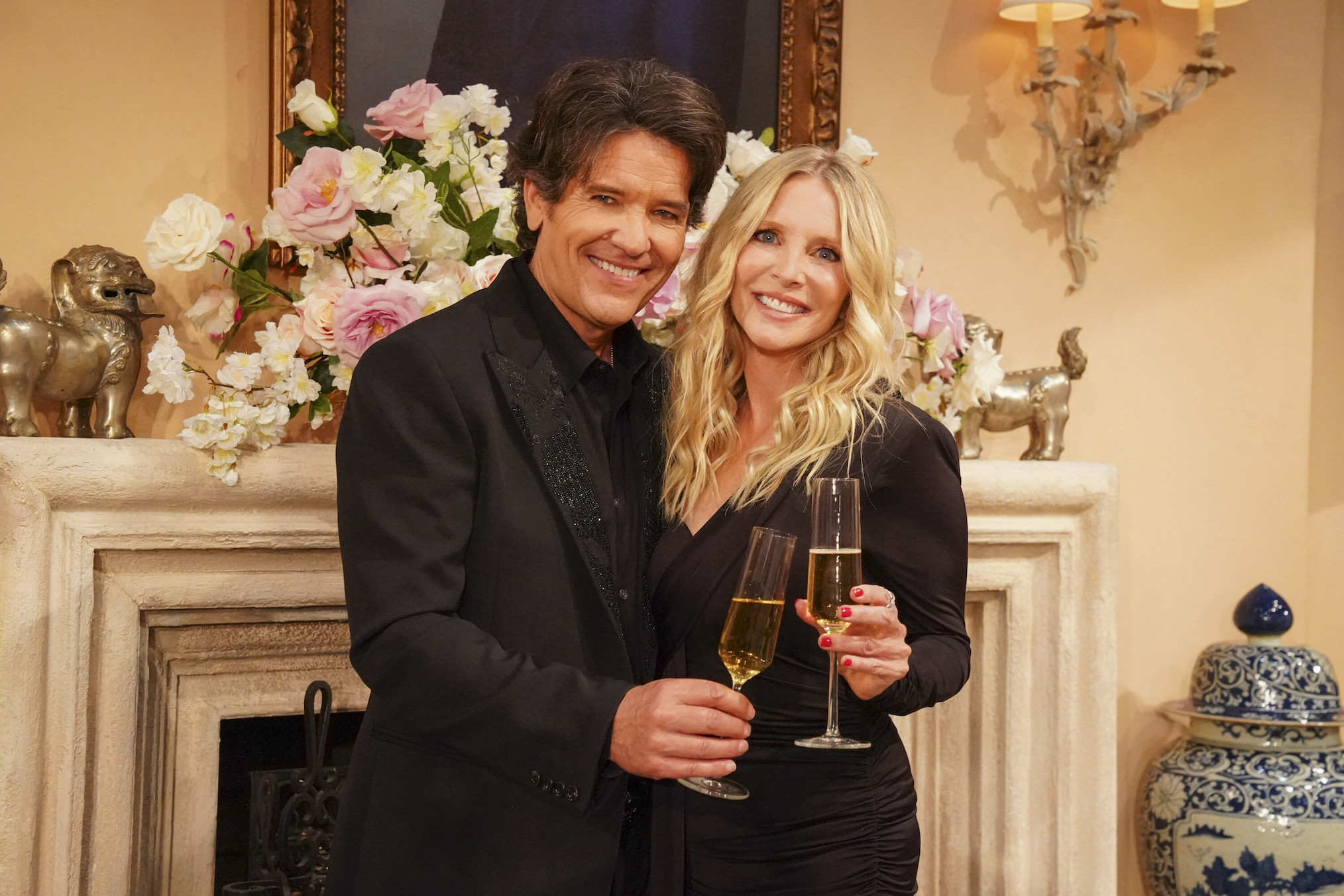
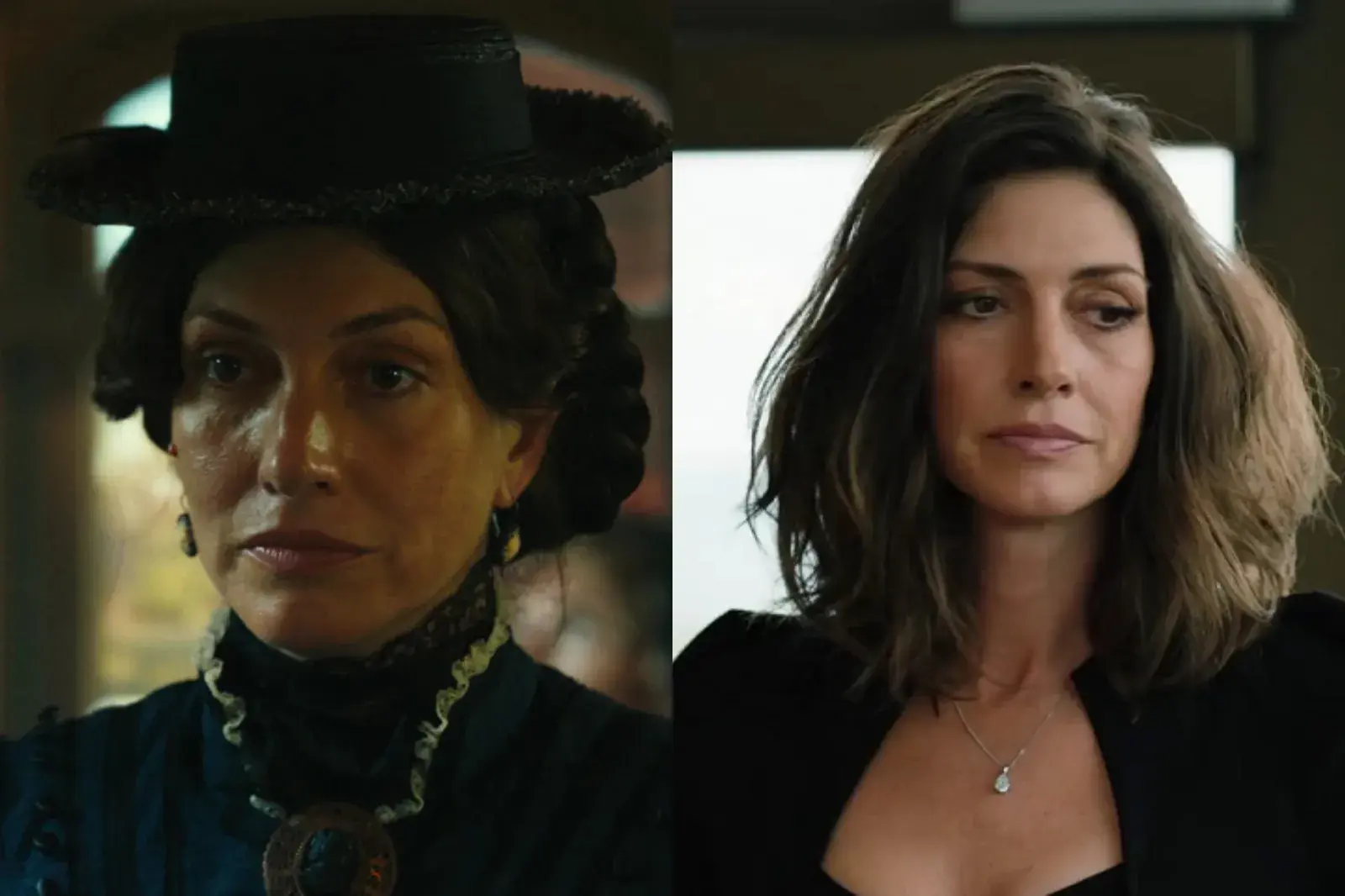
An actor musician crossover occurs when a professional established in one medium successfully transitions into or maintains a parallel career in the other. In 2026, this "multi-hyphenate" model is the industry standard for career longevity, allowing artists to leverage existing fanbases across platforms while diversifying their creative output and revenue streams through strategic brand integration.
The Modern Landscape of Artistic Fluidity
As of 2026, the traditional boundaries between the recording studio and the film set have largely dissolved. The rise of integrated digital ecosystems has made it not only possible but often expected for talent to operate in multiple spheres simultaneously. This phenomenon, once viewed with skepticism by critics as a "vanity project," has matured into a sophisticated career strategy. The primary driver is no longer just creative restlessness; it is the necessity of audience retention in a fragmented media market.
The crossover is typically categorized by the direction of the transition. We see "actor-first" individuals who utilize their public profile to launch musical careers, often focusing on indie, folk, or alternative genres where authenticity is the primary currency. Conversely, "musician-first" crossovers involve recording artists who transition into dramatic or comedic roles, often starting with guest spots before moving into leading roles. The success of these transitions in 2026 depends heavily on the artist's ability to demonstrate technical proficiency in their secondary field, rather than relying solely on their name recognition.
Strategic Motivations for the Multi-Hyphenate Career
The move between acting and music is rarely accidental. From a management perspective, the crossover serves several critical functions. First, it provides a hedge against the cyclical nature of the entertainment industry. A musician might spend two years on a touring cycle and then transition into a film project during the "down period" of album production. This keeps the artist in the public eye without over-saturating their musical brand.
Second, the crossover facilitates a deeper level of storytelling. Actors often find that music allows them to speak in their own voice, a stark contrast to the scripted roles they inhabit on screen. For musicians, acting offers a way to explore character and narrative without the constraints of a three-minute song structure. By 2026, the financial benefits are also undeniable. Streaming residuals for both music and film have become more complex, and having a presence in both catalogs provides a more robust royalty stream.
Furthermore, the "crossover" acts as a bridge for fan demographic expansion. An actor with a following in the 30–40 age bracket may attract a younger Gen Alpha audience by collaborating with trending producers on a synth-pop EP. This cross-pollination of audiences is a key metric used by talent agencies to determine a performer’s market value.
The Technical Mechanics of a Successful Crossover
Transitioning between these two demanding fields requires more than just talent; it requires a specialized infrastructure. In the current 2026 market, the most successful crossovers follow a specific developmental path to ensure credibility. This often involves rigorous training that is kept out of the public eye until the artist is ready to debut.
- Skill Acquisition and Credibility Building: For actors moving into music, this involves intensive vocal coaching and instrumental training. The "live test" is crucial. Performing at smaller, unannounced venues helps build a reputation as a serious musician rather than a celebrity performing a role.
- Brand Alignment: The transition must feel like a natural extension of the artist’s existing persona. A gritty dramatic actor launching a bubblegum pop career often faces a "credibility gap" that is difficult to bridge. In 2026, branding consultants use data analytics to ensure that the musical style or film genre chosen aligns with the core values of the artist’s primary audience.
- Collaborative Validation: Musicians entering the acting world often seek roles in projects helmed by respected directors. Being cast by an "auteur" provides an immediate stamp of approval that bypasses the "stigma" of being a singer-turned-actor. Similarly, actors often collaborate with established songwriters and producers to ground their musical projects in industry-standard quality.
Comparison of Crossover Approaches and Outcomes
The following table highlights the different archetypes of the actor-musician crossover and the typical challenges and success factors associated with each as observed in the 2026 industry.
| Crossover Type | Primary Goal | Key Success Factor | Common Pitfall |
|---|---|---|---|
| The Broadway Bridge | Transition from stage to screen/studio | Technical mastery and versatility | Difficulty shedding "theatrical" habits |
| The Pop-to-Screen Pivot | Longevity and brand expansion | Naturalistic acting style | Typecasting as "the musician" in films |
| The Actor’s Side Project | Creative expression and intimacy | Songwriting authenticity | Perceived as a "vanity project" |
| The Integrated Artist | Simultaneous release (Soundtrack + Role) | Synergy between audio and visual | Over-saturation of the artist's brand |
Overcoming the "Vanity Project" Stigma
One of the most significant hurdles for any artist attempting a crossover is the skepticism of both the industry and the public. Historically, "actor albums" were often dismissed as marketing ploys. To combat this in 2026, artists are adopting a "music-first" or "craft-first" approach to their secondary careers. This involves a shift away from high-budget, glossily produced content toward more raw, process-oriented reveals.
For actors, this might mean releasing a documentary or a series of "studio sessions" that highlight the labor involved in the songwriting process. For musicians, it might mean taking smaller, unglamorous character roles in independent films rather than aiming for a blockbuster lead. By showing a willingness to "start from the bottom," artists earn the respect of their peers in the new field.
Legal and contractual complexities also play a role. A performer's existing contract with a film studio may have "exclusivity clauses" that impact their ability to sign with a record label. Navigating these requires a sophisticated legal team capable of negotiating "carve-outs" for secondary artistic pursuits. This is why we see more artists in 2026 forming their own multi-media production companies to retain control over both their film and music rights.
The Impact of Digital Platforms and Social Media
The role of social media in the actor-musician crossover cannot be overstated. Platforms like TikTok and Instagram act as testing grounds for crossover potential. An actor might post a casual cover of a song to gauge audience reaction before committing to a full album. Conversely, a musician might use short-form video to perform skits or monologues, demonstrating comedic or dramatic timing to casting directors.
In 2026, "algorithmic discovery" means that a fan of an actor's films is likely to be served their music in their feed, and vice versa. This creates a feedback loop that reinforces the artist’s multi-hyphenate identity. However, this also carries the risk of brand dilution. If an artist is constantly present across all platforms in multiple capacities, the "mystery" that often sustains stardom can evaporate. The most successful 2026 crossovers are those that maintain a clear distinction between the "actor" and "musician" personas while allowing them to coexist under the same overarching brand.
Guidance for Aspiring Multi-Hyphenate Artists
For those looking to enter the industry with the intent of crossing over, the strategy must be deliberate. It is no longer enough to be "good at both." One must be "marketable in both." This begins with foundational training. If you are an actor, you should be training your voice as if you were heading to Broadway, even if your goal is the recording studio. If you are a musician, taking acting classes should be a regular part of your professional development.
Networking is also bifurcated. An artist needs to cultivate relationships in two distinct industries. This often means having two different sets of agents or a specialized "multi-media" management firm. In 2026, the industry favors those who can speak the language of both the "A&R" (Artists and Repertoire) executive and the "Casting Director."
Frequently Asked Questions
Is it harder for an actor to become a musician or for a musician to become an actor?
Statistically, it is often more difficult for an actor to be taken seriously as a musician. This is due to the inherent "craft" stigma associated with songwriting and live performance. While a musician can be "coached" through a film performance in a controlled environment, an actor performing music live has no safety net, making the technical barrier to entry higher in the eyes of critics.
Do I need two different agents for acting and music?
While some large agencies (like CAA or WME) have departments for both, many artists in 2026 prefer having specialized agents for each field. This ensures that the person pitching you for a film role understands the nuances of the acting industry, while your music agent focuses on touring and label deals. However, communication between these two parties is essential to avoid scheduling conflicts.
How does a crossover affect my "brand" in 2026?
A successful crossover enhances your brand by making you a "lifestyle" entity rather than just a performer. It broadens your appeal and provides more touchpoints for fans. However, a poorly executed crossover can make you look unfocused. The key is "narrative consistency"—making sure the transition feels like a logical step in your artistic journey.
What is the "soundtrack strategy" in a crossover?
The soundtrack strategy involves an actor playing a musician in a film and performing the songs themselves. This is a common "soft launch" for a music career. It allows the artist to showcase their musical ability within the safe context of a character, often leading to a standalone record deal if the film and its music are successful.
Integrating the Two Worlds for Career Longevity
The final step in a successful actor-musician crossover is the integration of both careers into a sustainable long-term model. This often involves the creation of "owned media" where the artist has full creative control. By 2026, many performers are producing their own films or series and scoring them, or creating visual albums that are essentially short films.
This level of integration represents the pinnacle of the multi-hyphenate career. It removes the artist from the "gatekeeping" of traditional studios and labels, allowing them to dictate the terms of their creative output. To reach this stage, one must be disciplined, technically proficient, and strategically minded. The crossover is no longer a detour; it is the destination for the modern artist.