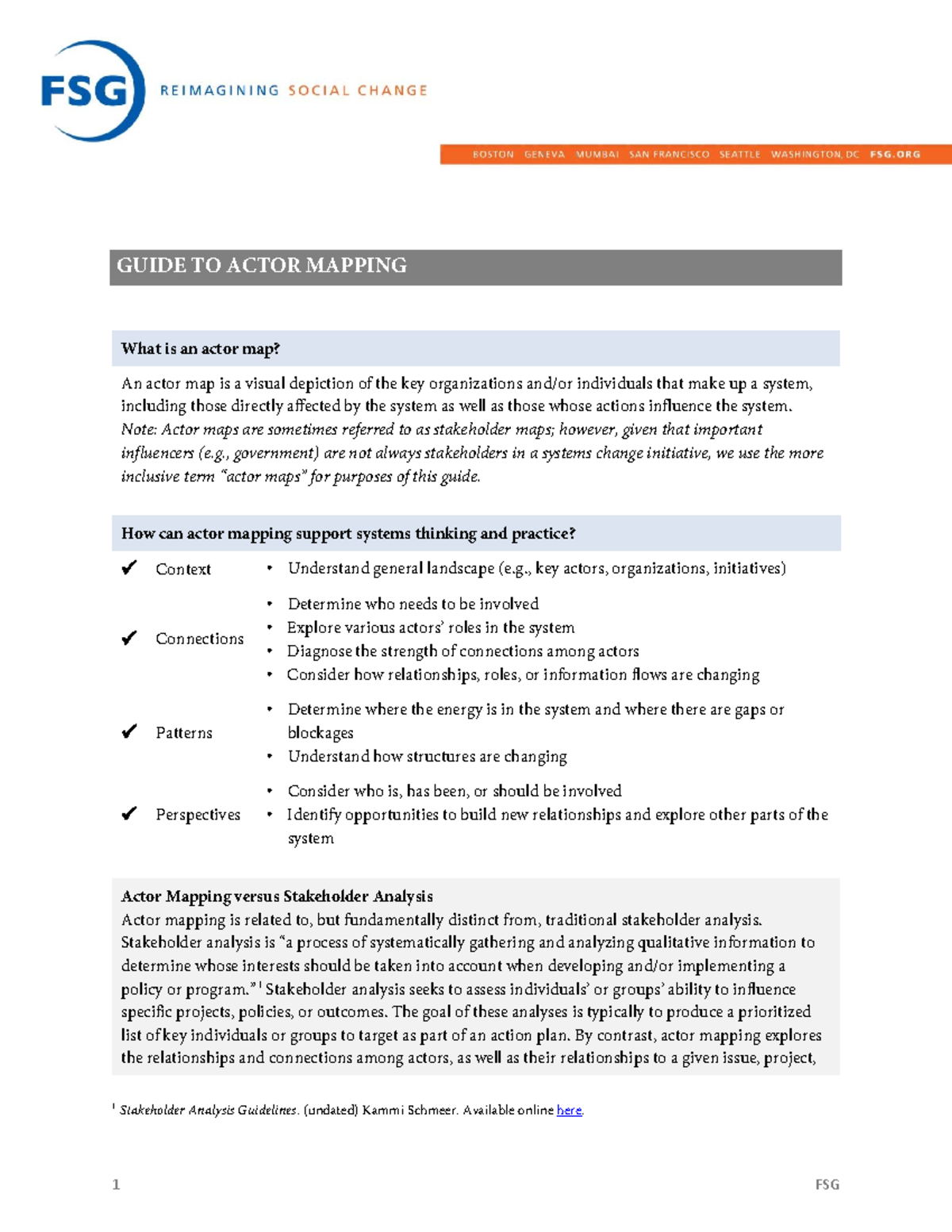
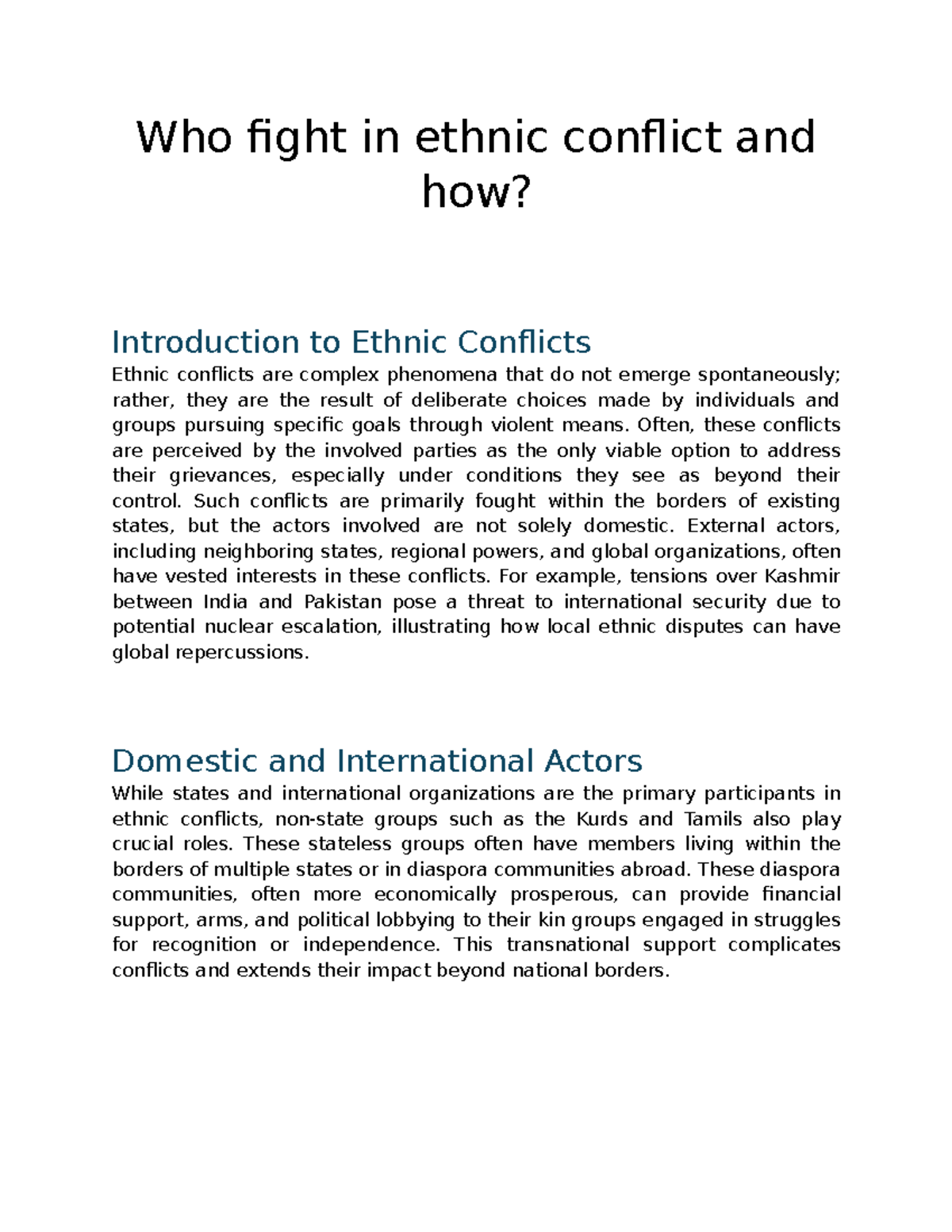
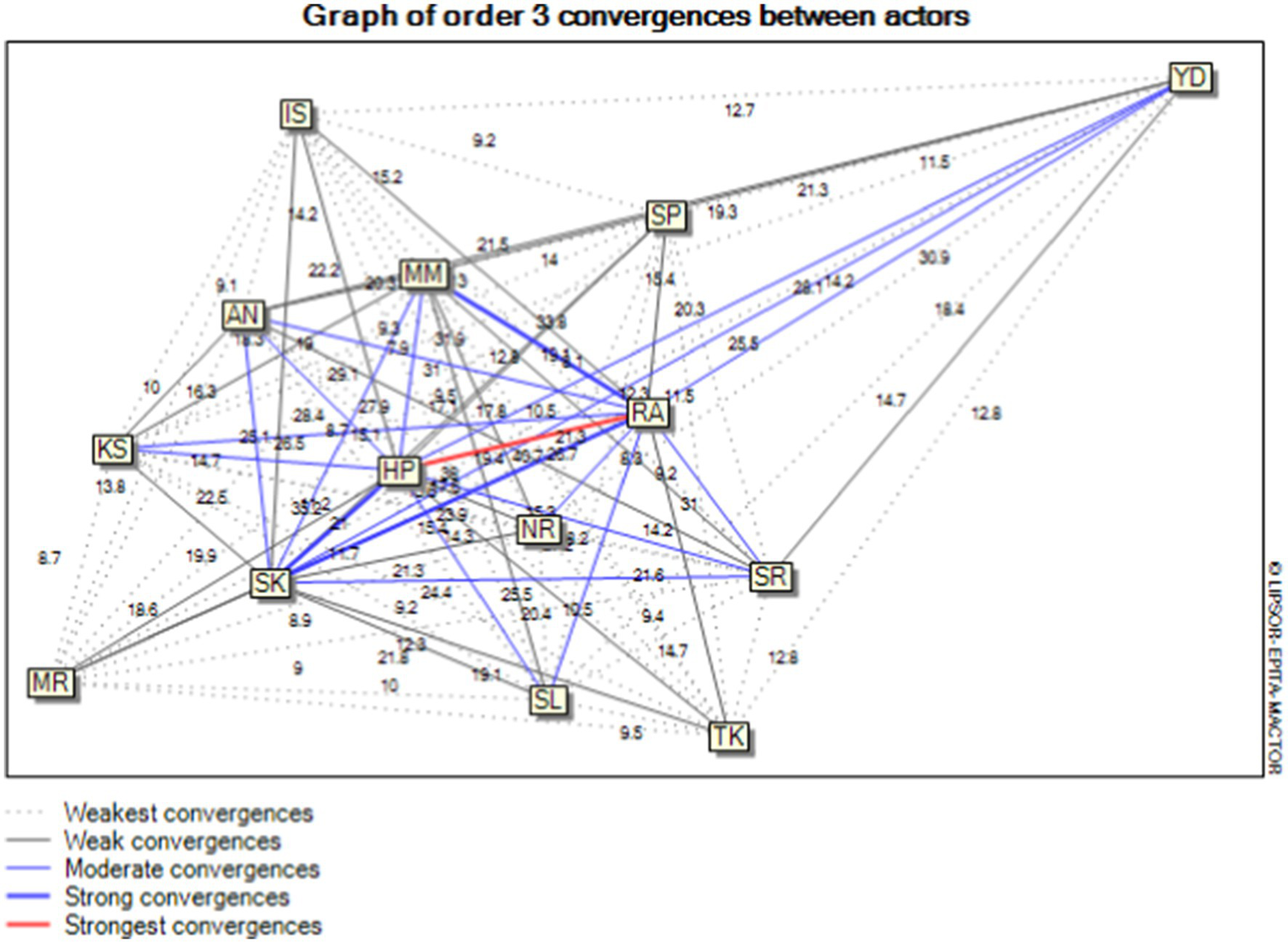
Actor dynamics refer to the complex patterns of interaction, power exchange, and strategic behaviors between different entities within a specific system or ecosystem. By analyzing these relationships, organizations can predict outcomes, manage conflicts, and navigate complex social, political, or technical environments more effectively in the interconnected landscape of 2026.
Defining the "Actor" in Modern Systems
To understand actor dynamics, one must first define what constitutes an "actor." In the context of system thinking and organizational theory, an actor is any entity—individual, collective, or non-human—that has the capacity to act, make decisions, or exert influence within a network. As of 2026, the definition has expanded significantly beyond traditional human stakeholders.
In a corporate or geopolitical environment, actors are typically categorized into three tiers:
- Primary Actors: These are the central figures whose actions directly impact the system's core objectives. Examples include executive leadership, major investors, or primary regulatory bodies.
- Secondary Actors: These entities influence the system indirectly. They might include trade unions, media outlets, or supply chain partners who can shift public opinion or resource availability.
- Synthetic Actors: A critical development in the 2020s, synthetic actors include autonomous AI agents and decentralized autonomous organizations (DAOs). These entities operate based on programmed logic or machine learning models but interact with human systems in ways that create distinct "actor dynamics."
Understanding these categories is a prerequisite for any meaningful analysis. If an organization fails to recognize a synthetic actor—such as an automated high-frequency trading bot or an AI-driven sentiment influencer—they are essentially ignoring a significant portion of the dynamic forces at play.
The Core Pillars of Actor Interaction
Actor dynamics are not random; they are driven by specific pillars that dictate how entities behave when they encounter one another. Analyzing these pillars allows observers to move from reactive management to proactive strategy.
Interdependence and Resource Exchange
At the heart of any dynamic is the concept of interdependence. Actors rarely exist in a vacuum; they require resources—be they capital, information, legitimacy, or labor—from others. The nature of this exchange defines the relationship. When resources are scarce, dynamics tend toward competition or conflict. When resources are abundant or mutually beneficial to share, dynamics lean toward cooperation or "co-opetition" (a hybrid of cooperation and competition).
Power Asymmetry and Influence
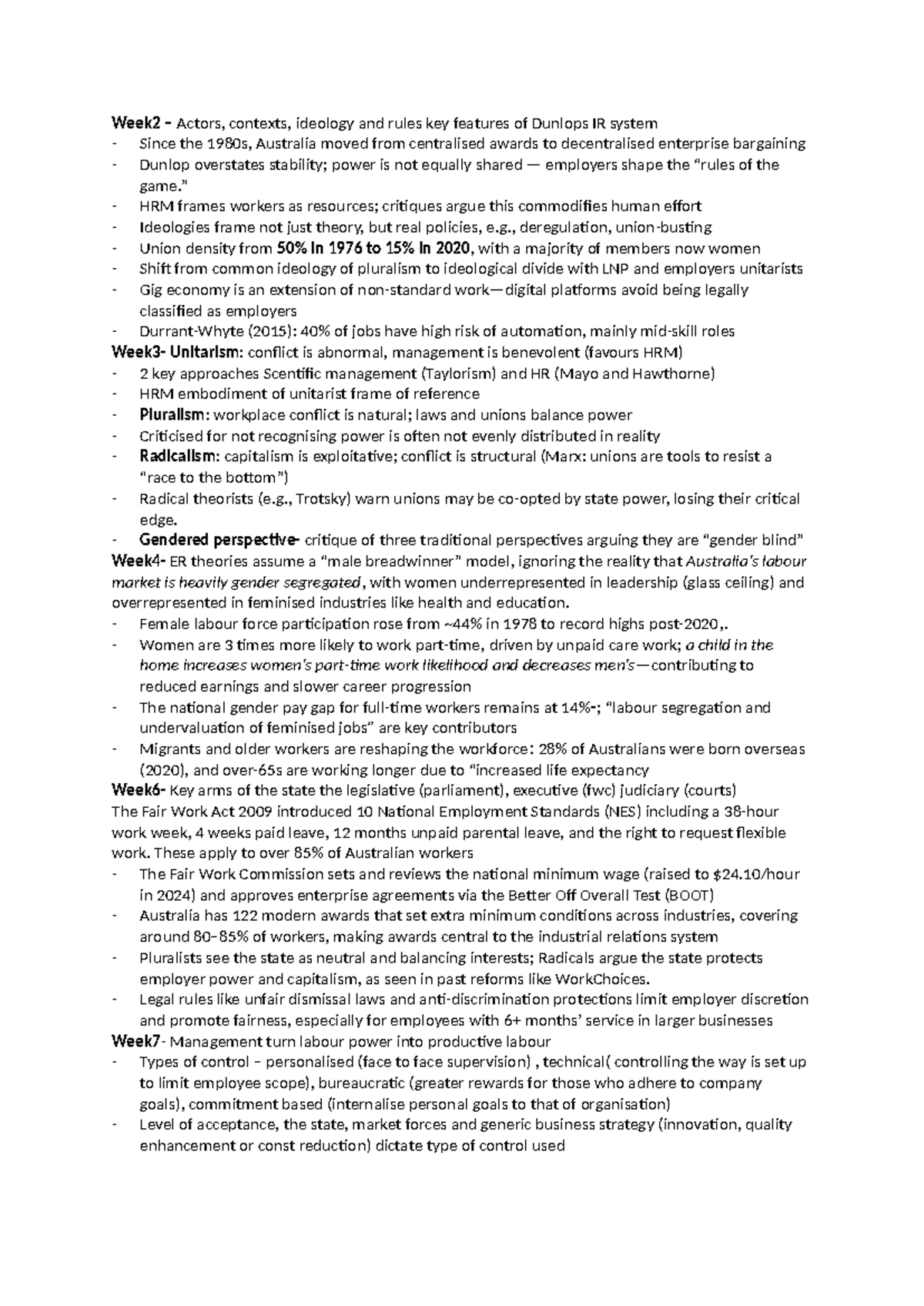
Power is the currency of actor dynamics. It is rarely distributed equally. Analysis must focus on where power resides and how it is exercised. Power asymmetry occurs when one actor holds significantly more leverage than others, often leading to coercive dynamics. Influence, however, is a softer form of power, often derived from expertise, social capital, or moral authority. In 2026, influence is frequently decentralized, where a "minor" actor with high connectivity can disrupt a "major" actor with high formal authority.
Values, Beliefs, and Incentives
Every actor operates according to a set of internal drivers. For a corporation, this might be shareholder value; for a non-profit, it is social impact; for an AI agent, it is the optimization of a specific cost function. Understanding the misalignment of these drivers is essential for troubleshooting friction within a system. Conflict often arises not from malice, but from actors rationally pursuing goals that are structurally incompatible with the goals of others.
Methodologies for Analyzing Actor Dynamics
To move beyond qualitative observation, several established methodologies provide a structured way to quantify and visualize actor dynamics. These frameworks help in identifying "bottleneck actors" or "hidden influencers" who might not be immediately apparent on an organizational chart.
Social Network Analysis (SNA)
SNA is a mathematical approach to mapping relationships. It focuses on the structure of the ties between actors. Key metrics include:
- Centrality: Identifying which actor has the most connections or sits at the center of information flows.
- Betweenness: Locating actors who act as "bridges" between different groups. These actors often hold immense power because they control the flow of communication.
- Density: Measuring how many of the potential connections in a network actually exist, which indicates the level of cohesion or fragmentation.
Game Theory
Game theory provides a lens through which we can predict the choices of rational actors. By modeling interactions as "games" with specific payoffs, analysts can identify Nash Equilibria—situations where no actor has an incentive to deviate from their strategy, even if it leads to a sub-optimal outcome for the group. This is particularly useful in 2026 for modeling the behavior of synthetic AI actors who follow rigorous logic-based decision paths.
Actor-Network Theory (ANT)
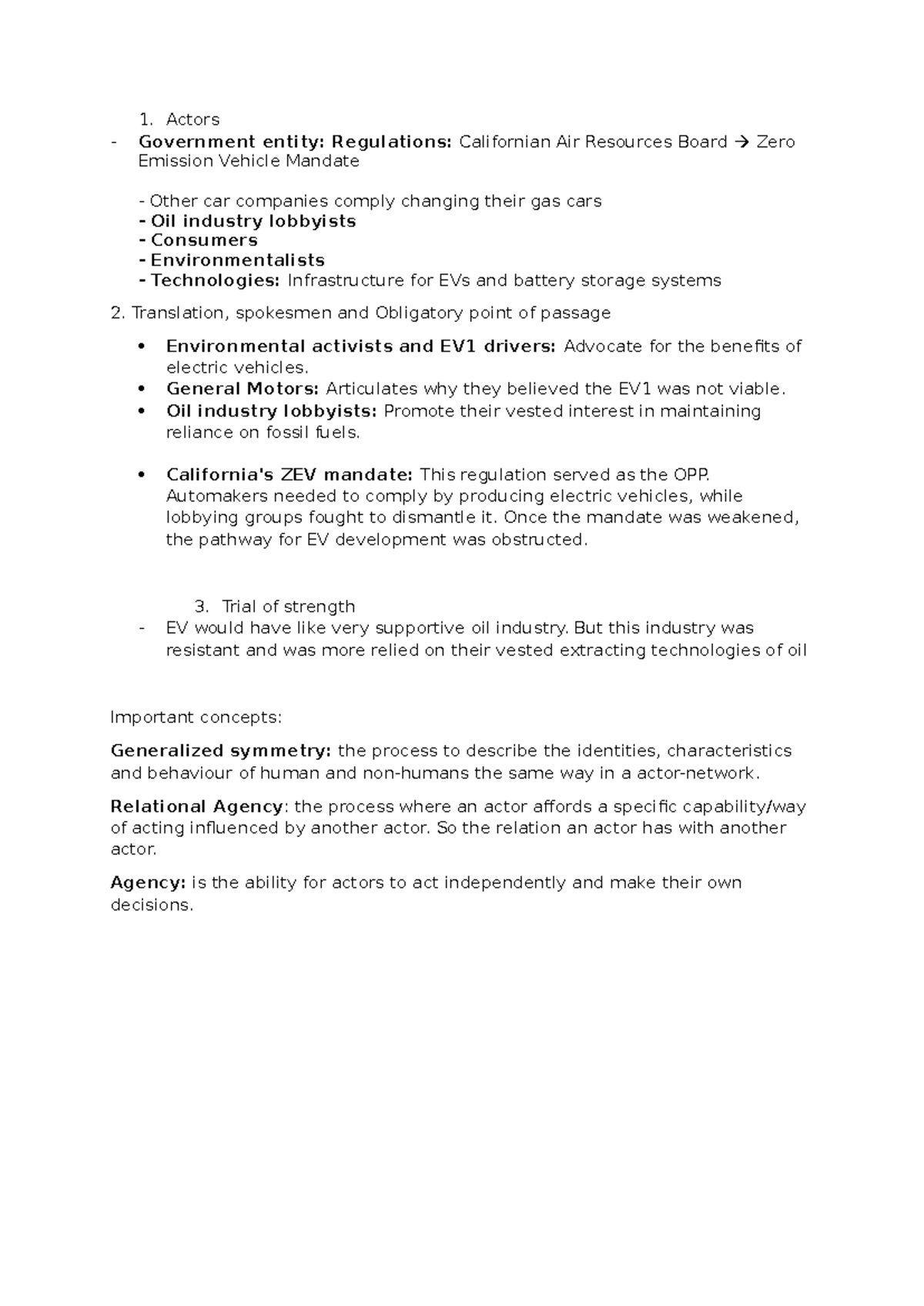
Developed by sociologists like Bruno Latour, ANT is unique because it treats non-human entities (technology, laws, even physical environments) as actors. In a modern office, the "actor dynamics" include the constraints imposed by the software architecture or the physical layout of the building. ANT argues that these non-human "actants" are just as influential in shaping behavior as the people involved.
Types of Actor Relationships and Their Impacts
The following table categorizes the most common interaction patterns observed in organizational and social ecosystems, providing a quick reference for identifying the current state of a system.
| Interaction Type | Primary Characteristic | Typical Outcome | Risk Factor |
|---|---|---|---|
| Cooperation | Shared goals and pooled resources. | Synergistic growth and stability. | Free-riding or loss of autonomy. |
| Competition | Rivalry for the same limited resources. | Innovation and efficiency. | Resource exhaustion or hostility. |
| Co-opetition | Simultaneous collaboration and rivalry. | Market expansion and shared risk. | Intellectual property leakage. |
| Conflict | Actively opposing the goals of others. | Systemic disruption or regime change. | Total system failure or stagnation. |
| Neutrality | Awareness without direct interaction. | Segmented stability. | Missed opportunities for synergy. |
The Impact of Autonomous AI on Actor Dynamics in 2026
As we navigate 2026, the integration of autonomous agents has fundamentally altered the landscape of actor dynamics. We are no longer just managing human-to-human interactions; we are managing "hybrid" networks.
AI actors introduce a level of speed and scale that human actors cannot match. For example, in financial markets or digital advertising, the dynamics are almost entirely driven by algorithms interacting with other algorithms. This creates "flash" dynamics where a system can reach a state of total collapse or peak efficiency in milliseconds—far faster than any human oversight committee can respond.
Furthermore, AI actors lack "human" nuance, such as empathy or social shame, which traditionally acted as "soft" constraints on aggressive actor behavior. This necessitates the implementation of algorithmic governance—rules programmed into the system to simulate the social contracts that keep human dynamics in check. Organizations must now audit their AI's "behavioral footprint" to ensure it isn't inadvertently creating toxic dynamics with human employees or customers.
Strategic Implementation: How to Manage Actor Dynamics
Managing actor dynamics is not a one-time task but a continuous cycle of observation, intervention, and re-evaluation.
- Actor Mapping: Begin by listing every entity that can affect your outcome. Use a 2x2 matrix to plot them based on their Power and their Interest. Focus your engagement strategy on the "High Power / High Interest" quadrant.
- Incentive Alignment: Identify the "Why" behind each actor's behavior. If you are facing resistance, look for where your goals conflict with their incentives. Often, a small adjustment in the "payoff" for an actor can flip a dynamic from conflict to cooperation.
- Communication Buffers: In highly volatile dynamics, direct communication between hostile actors can escalate tension. Implementing "buffer actors" or mediators—trusted third parties—can help de-escalate and find common ground.
- Scenario Planning: Use the data gathered from SNA and Game Theory to run simulations. What happens to the system if a key bridge actor is removed? What happens if a new, high-power actor enters the fray?
Common Pitfalls in Actor Analysis
Even experienced managers often fall into traps when evaluating actor dynamics. One of the most common is the "Formal Authority Bias," where one assumes that the person with the highest title has the most power. In reality, a long-tenured administrative assistant may hold more "network power" than a new VP.
Another mistake is treating a group of actors as a monolith. For example, treating "The Government" as a single actor ignores the internal dynamics between different departments, such as the friction between environmental regulators and economic development agencies. Effective analysis requires "zooming in" to the constituent parts when the dynamics become complex.
Lastly, analysts often fail to account for lag time. Actor dynamics do not change instantly. Even if incentives are aligned today, it may take months for an actor's behavior to shift as they work through internal bureaucracies or psychological resistance.
Frequently Asked Questions
What is the difference between stakeholder management and actor dynamics?
Stakeholder management is a reactive process of addressing the needs of those affected by a project. Actor dynamics is a proactive, systemic study of how all entities (including those not traditionally considered "stakeholders," like competitors or technology) interact and influence the entire environment.
How do you identify a "hidden" actor in a system?
Hidden actors are usually found by looking for unexplained outcomes. If a project is failing despite all visible stakeholders being in agreement, there is likely a hidden actor—such as a silent partner, a regulatory ghost, or an informal social leader—who is exerting influence behind the scenes.
Can actor dynamics be applied to personal relationships?
Yes. The principles of power asymmetry, interdependence, and incentive alignment apply to any social system, including families and small teams. Analyzing "who needs what" and "who holds the leverage" can clarify the root causes of interpersonal conflict.
What role does culture play in actor dynamics?
Culture acts as the "operating system" for human actors. It dictates the acceptable ways to exercise power and the expected norms for cooperation. A dynamic that works in a "high-trust" culture may fail completely in a "low-trust" environment where actors expect deception.
How often should an actor map be updated?
In the fast-paced environment of 2026, an actor map should be a "living document." For major projects, it should be reviewed quarterly. For highly volatile sectors like tech or finance, monthly or even weekly updates may be necessary to account for the entry of new synthetic actors or shifting alliances.
Next Steps for Organizations
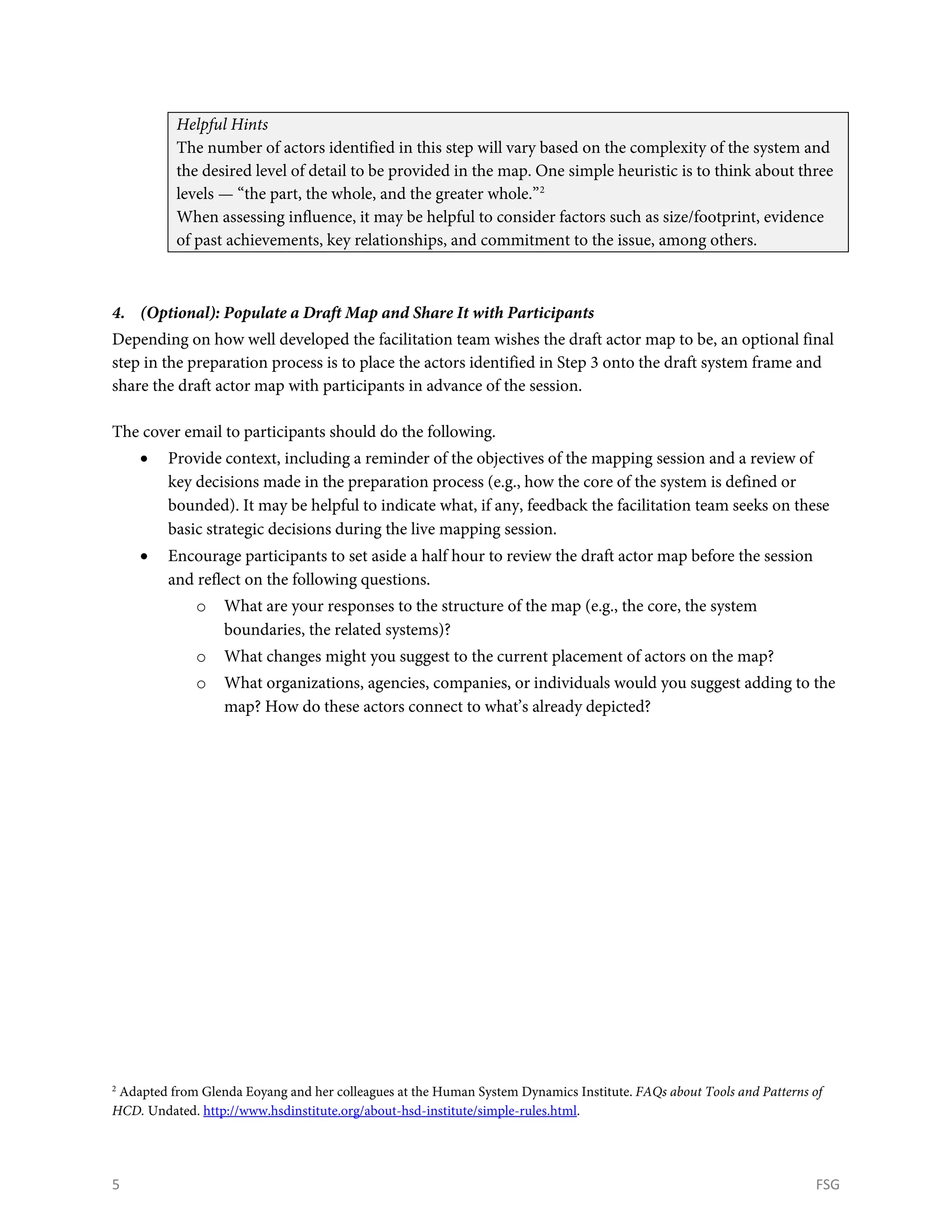
To master actor dynamics, organizations should move away from static organizational charts and toward dynamic network visualizations. The first practical step is to conduct a Network Audit. Identify the top 20 entities that influence your organization's success and map their relationships to one another, not just to you. By understanding the "web" rather than the "spokes," you gain the ability to influence the entire system rather than just reacting to individual pressures. Investing in AI-driven analytics tools that can monitor these shifts in real-time is no longer an option but a necessity for strategic resilience in 2026.