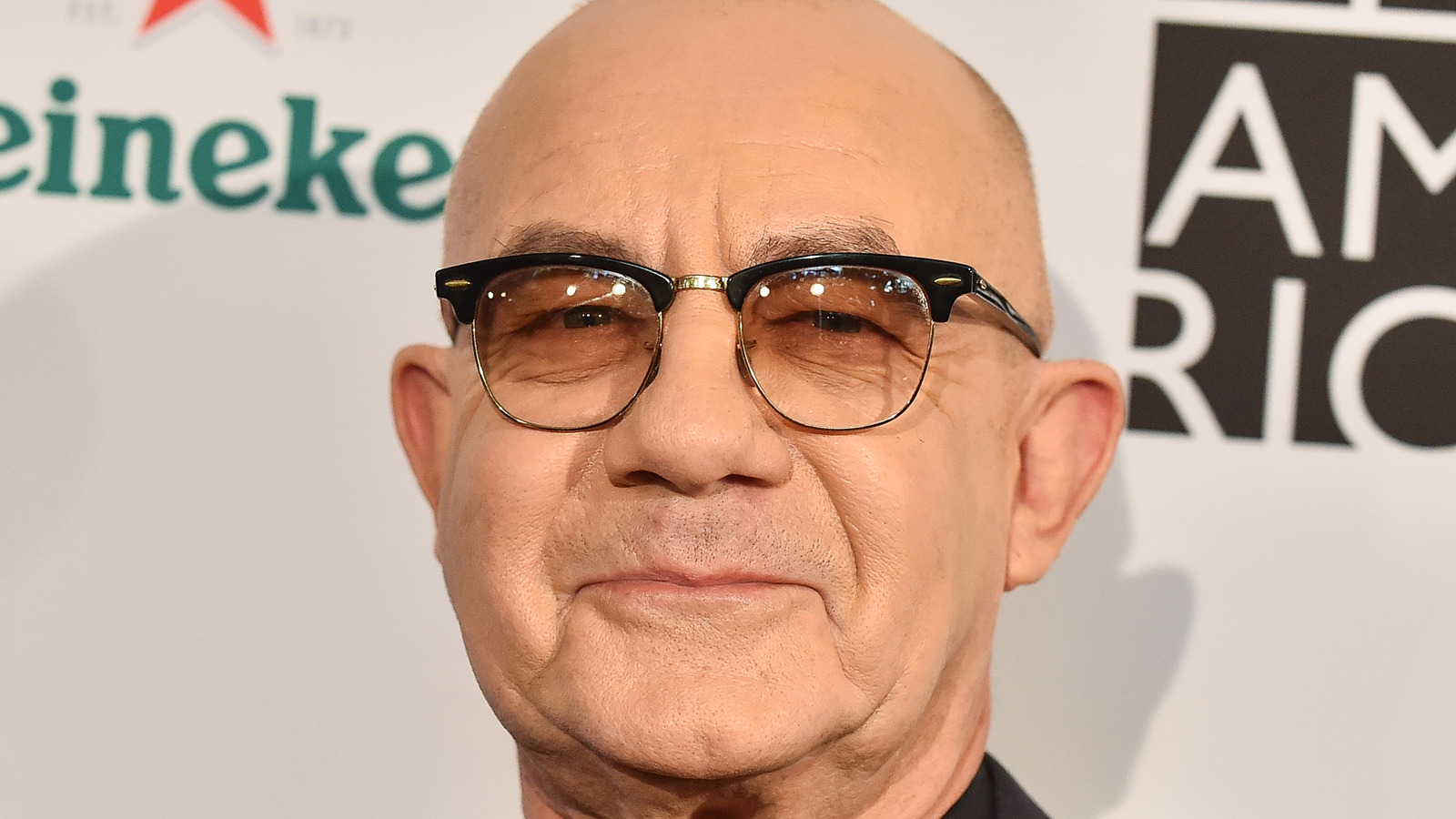
Bernie Casey was a rare "renaissance man" whose multifaceted career spanned professional athletics, high-grossing Hollywood films, and internationally recognized fine arts. At the time of his passing in September 2017, Bernie Casey’s net worth was estimated to be between $3 million and $6 million. This wealth was the culmination of an eight-season NFL career, a filmography of over 80 credits, and a successful secondary career as a professional painter and published poet.
The Financial Foundation: Bernie Casey’s NFL Career
Long before he was a fixture on the silver screen, Bernie Casey was one of the premier athletes in the United States. His financial journey began in the early 1960s, a period when professional football salaries were beginning to rise but had not yet reached the stratospheric levels seen in the 21st century.
Casey was a standout athlete at Bowling Green State University, where he excelled in both football and track. In 1961, he was a first-round draft pick for the San Francisco 49ers, selected 9th overall. He played for the 49ers for six seasons (1961–1966) before finishing his career with the Los Angeles Rams (1967–1968). During his tenure, he was a Pro Bowl selection in 1967.
While NFL players in the 1960s did not sign $100 million contracts, Casey was among the higher-paid players of his era. A top-tier wide receiver during that decade typically earned between $25,000 and $50,000 per year—equivalent to roughly $250,000 to $500,000 in 2026 dollars when adjusted for inflation. More importantly, Casey used his NFL earnings as seed capital for his education and his transition into the arts, ensuring that he avoided the financial pitfalls that many athletes face after retirement.
Transitioning to Hollywood: The 1970s and 1980s
Bernie Casey’s move into acting was not a pursuit of "fame for fame’s sake," but rather a calculated career shift that leveraged his physical presence and intellectual depth. Unlike many athletes who were relegated to "tough guy" cameos, Casey sought out complex roles that demanded range.
His early work in films like Guns of the Magnificent Seven (1969) and Tick... Tick... Tick... (1970) established him as a viable lead and supporting actor. However, it was his involvement in the "Blaxploitation" era—specifically films like Hit Man (1972) and Cleopatra Jones (1973)—that solidified his marketability. These films were often produced on modest budgets but saw significant returns at the box office, ensuring steady work and increasing quotes for Casey’s services.
The 1980s proved to be Casey’s most lucrative decade in Hollywood. He appeared in major cultural touchstones that provided both immediate salary and long-term residual income. Two roles stand out as particularly significant for his financial legacy:
- Felix Leiter in Never Say Never Again (1983): Casey became the first African American to play the iconic CIA agent Felix Leiter in a James Bond film. Starring alongside Sean Connery, this high-profile project placed Casey in the global spotlight, commandingly increasing his international recognition and future salary negotiations.
- U.N. Jefferson in Revenge of the Nerds (1984): Playing the head of the Lambda Lambda Lambda fraternity, Casey secured a role in a massive commercial success that spawned several sequels. The enduring popularity of this cult classic meant that Casey would benefit from SAG-AFTRA residuals for decades to follow.
Diversification Through Fine Arts and Literature
One of the most overlooked aspects of Bernie Casey’s net worth was his success in the world of fine arts. Casey was a deeply serious painter whose work was exhibited in galleries worldwide. He once famously stated that he found more fulfillment in his painting than in his football or acting careers.
From a wealth management perspective, Casey’s art represented a significant non-liquid asset. His paintings were not merely a hobby; they were professional-grade works that fetched thousands of dollars per piece. By the late 1970s, his work was being shown at prestigious venues, including the Los Angeles County Museum of Art and the Smithsonian Institution.
In addition to his visual art, Casey was a published poet. Books such as Look at the People (1969) demonstrated his intellectual reach. While poetry rarely produces the same revenue as a Hollywood blockbuster, it contributed to his overall "brand" as a sophisticated, multi-talented individual, which allowed him to command higher fees for speaking engagements and specialized appearances.
Analyzing the Revenue Streams
To understand how Bernie Casey built and maintained a net worth in the millions, one must look at the intersection of his various income streams. Unlike actors who rely solely on their next role, Casey had a diversified portfolio.
| Income Category | Primary Source | Financial Impact |
|---|---|---|
| Professional Sports | NFL Salaries & Signing Bonuses | Provided the initial capital for his transition to the arts. |
| Film & TV Salary | Under Siege, Revenge of the Nerds, Never Say Never Again | Major upfront payments for high-budget productions. |
| Residuals | SAG-AFTRA Royalties | Continuous passive income from TV syndication and home media. |
| Fine Art Sales | Private Gallery Sales & Commissions | High-value asset growth and direct sales to collectors. |
| Literature | Published Poetry & Books | Modest income but significant brand-building value. |
The Financial Impact of Longevity and Discipline
Bernie Casey was known for his disciplined lifestyle and professional conduct. In the world of entertainment, longevity is often the greatest driver of wealth. Casey remained active in the industry for nearly five decades, with his final film credits appearing as late as 2017.
His role as Commander Harris in the 1992 blockbuster Under Siege, starring Steven Seagal, was another high-water mark for his earnings. The film grossed over $156 million worldwide. For an actor of Casey's stature, a supporting role in a major action film during the early 90s could command a high six-figure salary.
Furthermore, Casey was a member of the Screen Actors Guild during a period when royalty structures were highly favorable for established character actors. Every time Revenge of the Nerds or I'm Gonna Git You Sucka (1988) aired on cable television or was sold on DVD/Blu-ray, a portion of the revenue flowed back to his estate.
Real Estate and Estate Value
While Casey kept his private life largely out of the tabloids, it is known that he maintained a residence in Los Angeles for much of his adult life. The appreciation of California real estate from the 1970s through the 2010s was a significant factor in the net worth of many Hollywood veterans. A home purchased in the Hollywood Hills or surrounding areas in the mid-70s for $100,000 could easily be worth several million by 2017.
When evaluating "how much the star was worth," it is essential to consider that net worth includes all assets minus liabilities. Casey was never known for the flashiness or "over-the-top" spending associated with many athletes-turned-actors. His wealth was likely preserved through conservative investments and the ownership of his own creative works.
Why Bernie Casey's Legacy Matters Financially
Casey's career serves as a blueprint for modern athletes like LeBron James or The Rock. He proved that an athlete could be more than just a "physical specimen" and could successfully occupy spaces in high-art circles and blockbuster entertainment simultaneously. His ability to maintain a multi-million dollar net worth without a "comeback" or reality TV stint in his later years is a testament to his financial and professional stability.
FAQ: Common Questions About Bernie Casey's Wealth and Life
What was Bernie Casey's net worth at the time of his death?
Bernie Casey’s estimated net worth was approximately $3 million to $6 million. This figure accounts for his career earnings in the NFL, his extensive film and television career, and his valuable collection of original artwork and real estate holdings.
How did Bernie Casey make most of his money?
While the NFL provided his start, the majority of Casey's long-term wealth was generated through his acting career. Roles in high-grossing films like Never Say Never Again, Revenge of the Nerds, and Under Siege provided substantial salaries and ongoing residuals. His career as a professional painter also provided a significant and unique revenue stream.
Did Bernie Casey receive an NFL pension?
Yes, as an eight-season veteran of the NFL who played in the 1960s, Casey was eligible for the NFL’s pension plan. While the pension amounts for players of that era were often criticized for being lower than those of modern players, it still provided a reliable monthly income stream that supplemented his entertainment earnings.
Was Bernie Casey's art valuable?
Yes, Bernie Casey was highly respected in the fine arts community. His paintings were not just "celebrity art" but were viewed as significant contributions to contemporary African American art. His works are held in various private and public collections, and original pieces are considered valuable assets within his estate.
What was his most commercially successful film?
In terms of global box office, Under Siege (1992) was one of his most successful mainstream projects, grossing over $156 million. However, Never Say Never Again (1983) and the Revenge of the Nerds franchise were also major commercial successes that significantly contributed to his financial standing and industry clout.
Final Assessment of Bernie Casey’s Financial Legacy
Bernie Casey’s financial story is one of consistent growth and intellectual diversification. He moved from the physical demands of the gridiron to the creative demands of the studio and the gallery, maintaining a level of dignity and professional respect that is rare in Hollywood. His estimated $3 million to $6 million net worth reflects a life of strategic choices, where he prioritized roles and projects that added to his artistic legacy while ensuring financial security. In 2026, he is remembered not just for the money he made, but for the barriers he broke as a Black athlete and artist who refused to be pigeonholed.