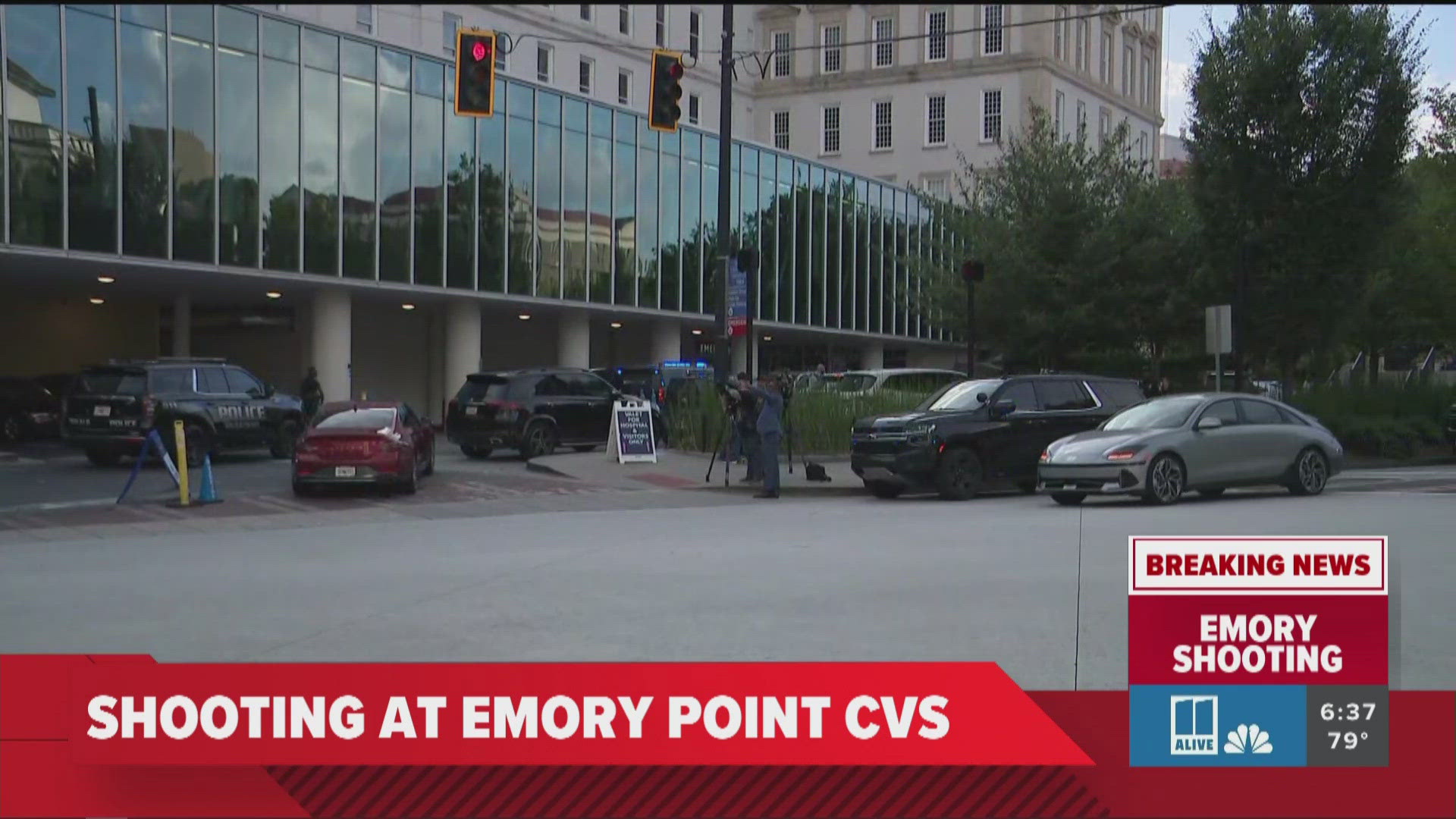
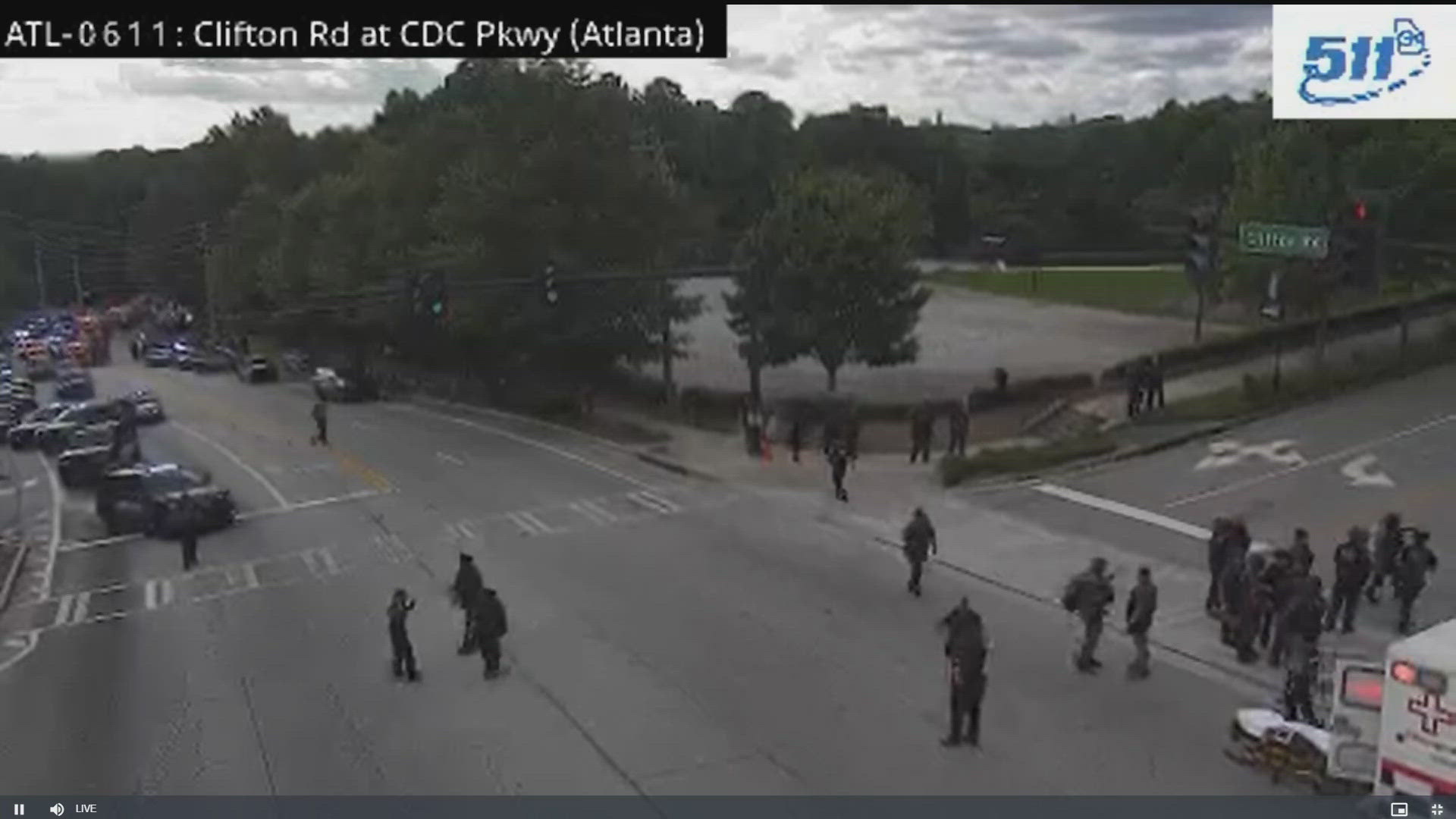
Effective active shooter preparedness at Emory Point requires a coordinated approach involving situational awareness, mastery of the "Run, Hide, Fight" protocol, and integration with Emory University’s emergency notification systems. In 2026, residents and visitors must prioritize digital alert subscriptions and familiarize themselves with the complex layout of the development’s multi-use infrastructure to ensure a rapid response.
Understanding the Emory Point Risk Landscape in 2026
Emory Point, located along the Clifton Road corridor in Atlanta, represents a unique challenge for emergency preparedness due to its mixed-use nature. As of 2026, the area continues to serve as a high-density hub for Emory University faculty, healthcare professionals from the nearby CDC and Emory University Hospital, and retail patrons. This intersection of residential, commercial, and professional spaces means that a potential "active shooter" event requires a multifaceted response strategy.
The density of the development, characterized by multi-level parking structures, ground-floor retail, and upper-level apartments, creates complex lines of sight and varied acoustic environments. Sound can bounce off the concrete structures, making it difficult to immediately locate the source of gunfire. Furthermore, the proximity to the Emory University campus means that security responsibilities are often shared between the Emory Police Department (EPD), Dekalb County Police, and private security contractors. Understanding who responds and how they communicate is the foundational step in any preparedness plan.
The "Run, Hide, Fight" Protocol Adapted for Emory Point
The standard federal recommendation for an active shooter incident is the "Run, Hide, Fight" framework. However, applying this to the specific architecture of Emory Point requires nuanced understanding.
Run: Identifying Exit Corridors
At Emory Point, "running" is the primary objective if a safe path is available. Given the layout, you should identify at least two exit routes from any location—whether you are in a restaurant, a retail shop like CVS, or a residential unit. In 2026, building layouts are well-mapped, but physical obstacles or crowd surges can change the viability of a route.
- Retail/Restaurant Scenarios: Most retail spaces have rear service exits. Familiarize yourself with these, as the main entrance may be the direction of the threat.
- Residential Scenarios: If you are in common areas, use stairwells rather than elevators. Elevators can be remotely locked or become "traps" if they open on a floor where the threat is present.
Hide: Securement in Multi-Use Structures
If escaping is not possible, finding a secure "hide" location is critical. In a mixed-use environment, the quality of cover (protection from bullets) and concealment (protection from sight) varies.
- Reinforced Spaces: Most apartment units at Emory Point feature heavy-duty doors and deadbolts. Locking yourself inside a bathroom or a walk-in closet provides an extra layer of barrier.
- Retail Hiding: If trapped in a store, move to stockrooms or offices that can be locked from the inside. Turn off lights, silence all mobile devices (including vibration), and remain motionless.
Fight: The Absolute Last Resort
Fighting is only considered when your life is in imminent danger and no other options remain. At Emory Point, many public spaces contain "improvised weapons" such as fire extinguishers, heavy chairs, or retail equipment. If you must fight, act with total physical aggression and attempt to incapacitate the shooter. This is a collective action; if others are present, coordinate an ambush to overwhelm the intruder.
Emergency Communication and Alert Systems
In 2026, information is the most valuable asset during an active shooter event. Because Emory Point is adjacent to the university, it falls within the footprint of several critical alert systems.
The Emory Safe App and CEPAR
The Emory University Office of Critical Event Preparedness and Response (CEPAR) manages the Emory Safe App. This is the primary tool for real-time updates. Residents and employees at Emory Point should ensure the app is installed and that "Push Notifications" are enabled. The app provides:
- Emergency Alerts: Immediate notification of "Active Shooter" or "Shelter in Place" orders.
- Mobile Bluelight: A direct link to Emory Police that shares your GPS location.
- Safety Map: Real-time visualization of the "hot zone" to avoid during an evacuation.
Dekalb County CodeRED
Since Emory Point is located in Dekalb County, subscribing to CodeRED or the local emergency management agency’s mass notification system is essential. While Emory PD may respond first due to proximity, Dekalb County manages the broader jurisdictional response and can provide information regarding perimeter lockdowns and staging areas for families.
Practical Response Actions by Location
The specific environment you are in at Emory Point dictates your immediate safety actions. The following table compares response priorities across different zones within the development.
| Environment | Primary Vulnerability | Preferred Action | Communication Priority |
|---|---|---|---|
| Ground-Floor Retail | Large glass storefronts; limited cover. | Evacuate through rear service exits immediately. | Call 911 once clear of the building. |
| Residential Units | Hallway exposure; single entry point. | Lock deadbolt; move to the innermost room. | Monitor Emory Safe App for "All Clear." |
| Parking Garages | Open sightlines; acoustic echoes. | Exit via stairwells; do not stay in vehicles. | Call 911; specify garage level and pillar. |
| Outdoor Plazas | Exposure from upper-level balconies. | Seek "hard cover" (concrete pillars/walls). | Silence phone; watch for police instructions. |
Coordination with Law Enforcement and First Responders
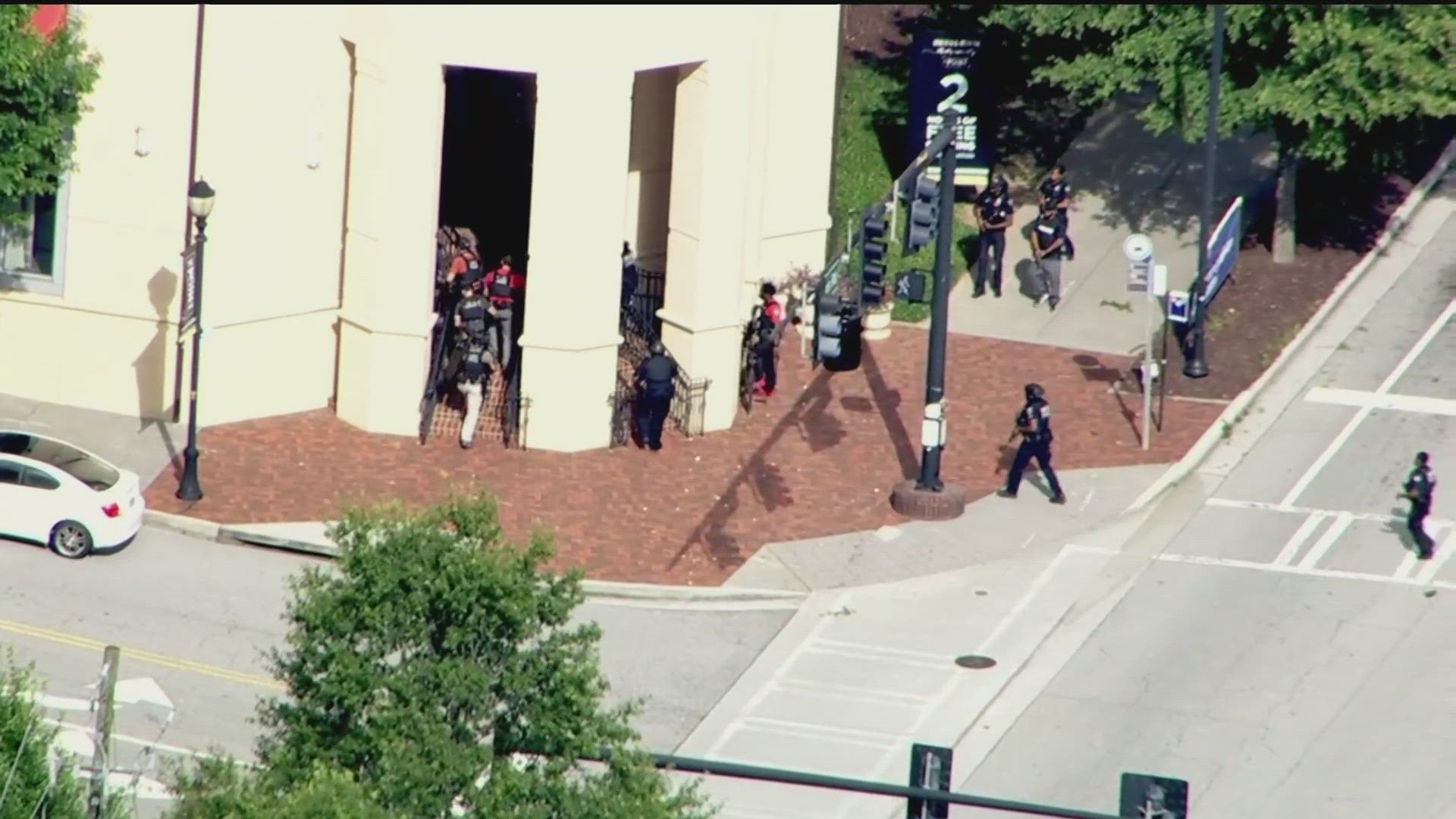
When law enforcement arrives at Emory Point, their primary objective is to neutralize the threat, not to treat the injured or escort people out. This is a critical distinction for bystanders to understand.
Interacting with Officers
When police enter a building or plaza, they will likely be in tactical gear and may be shouting commands. To ensure your safety:
- Keep hands visible: Raise your hands and spread your fingers. Do not hold anything, even a cell phone, as it could be mistaken for a weapon in a high-stress environment.
- Avoid sudden movements: Do not run toward officers for help or try to grab them.
- Provide intelligence: If you have seen the shooter, concisely provide their last known location, physical description, and type of weapon.
The Role of Emory PD vs. Dekalb County
In 2026, jurisdictional lines are seamless for emergency response. Emory PD (EPD) often maintains a presence near the Clifton Road entrance, while Dekalb County units cover the residential and retail perimeters. Expect a massive, coordinated presence including SWAT and Emergency Medical Services (EMS). Rescue Task Forces (RTFs) will only enter the building once the "warm zone" is established to begin triage.
Preparedness Training and Mental Readiness
Active shooter preparedness is as much about mental rehearsal as it is about physical action. Business owners and residential managers at Emory Point are encouraged to conduct regular drills.
- Situational Awareness: Practice "scanning" when you enter a restaurant at Emory Point. Identify the exits and consider what you would use as cover.
- Stop the Bleed: In 2026, many public areas at Emory Point are equipped with "Stop the Bleed" kits. Taking a 1-hour certification course can allow you to provide life-saving assistance to victims before EMS can safely enter the scene.
- Mental Rehearsal: Visualize your response. If you heard shots while in the gym, where would you go? If you were in the parking deck, which stairwell is closest? This "pre-loading" of decisions reduces panic during an actual event.
Post-Incident Recovery and Resources
The aftermath of an active shooter event is characterized by significant psychological trauma. Emory University provides resources through the Faculty Staff Assistance Program (FSAP) and student counseling services, which are often extended to the Emory Point community during a crisis. In 2026, community-wide debriefings and mental health "first aid" are standard components of the recovery phase.
Strategic Checklist for Emory Point Safety
To ensure you are fully prepared for an incident at Emory Point in 2026, complete the following actions:
- Download and Configure: Install the Emory Safe App and set your primary location to "Emory Point/Clifton Road."
- Audit Your Space: If you are a resident, check your door locks and identify the "safest" room in your apartment. If you are a business owner, ensure your employees know where the "Stop the Bleed" kit is located.
- Update Contacts: Program the Emory Police non-emergency and emergency numbers into your phone, but remember that 911 is the universal standard for immediate tactical response.
- Establish a Meeting Point: For families or roommates living at Emory Point, designate an "off-site" meeting location (such as a specific spot in Lullwater Preserve or a nearby library) where you will gather if you are separated during an evacuation.
- Stay Informed: Regularly check CEPAR updates for changes in local security protocols or training opportunities offered on the Emory campus.
FAQ
How do I report suspicious activity at Emory Point?
In 2026, the "See Something, Say Something" protocol is integrated into the Emory Safe App. You can submit anonymous tips or photos of suspicious packages, unauthorized individuals in residential hallways, or erratic behavior. For immediate threats, always call 911 or use the "Mobile Bluelight" feature in the app to connect directly with dispatchers who can see your GPS coordinates.
Is Emory Point patrolled by Emory Police or Dekalb County?
Emory Point is unique because it is private property adjacent to the university. It is primarily within the jurisdiction of the Dekalb County Police Department; however, the Emory University Police Department (EPD) frequently patrols the area due to the high volume of university-affiliated residents and the proximity to the campus. In a critical incident, both agencies, along with Atlanta Police, would respond via a mutual aid agreement.
What should I do if I am in a parking deck during an active shooter event?
Parking decks are high-risk areas due to limited hiding spots. Do not hide behind car doors, as they do not stop most modern ammunition. Your best course of action is to "Run" to a stairwell or exit the deck away from the sound of gunfire. If trapped, try to get behind the engine block of a vehicle (the densest part) and stay low to the ground.
Are there active shooter drills held at Emory Point?
While full-scale tactical drills involving the public are rare, the management at Emory Point and individual retail tenants often conduct "tabletop exercises" or walk-throughs with security consultants. Residents are encouraged to participate in "Active Shooter Response" webinars hosted by Emory CEPAR, which are specifically tailored to the Clifton Road community and updated for 2026 safety standards.
Can I use the elevators to escape an upper-floor apartment?
No, using elevators during an active shooter incident is highly discouraged. Elevators can be recalled to the lobby by emergency services, or they may stop at a floor where the shooter is active, leaving you with no way to retreat. Always use the emergency exit stairwells, which are fire-rated and offer more protection and routing options.