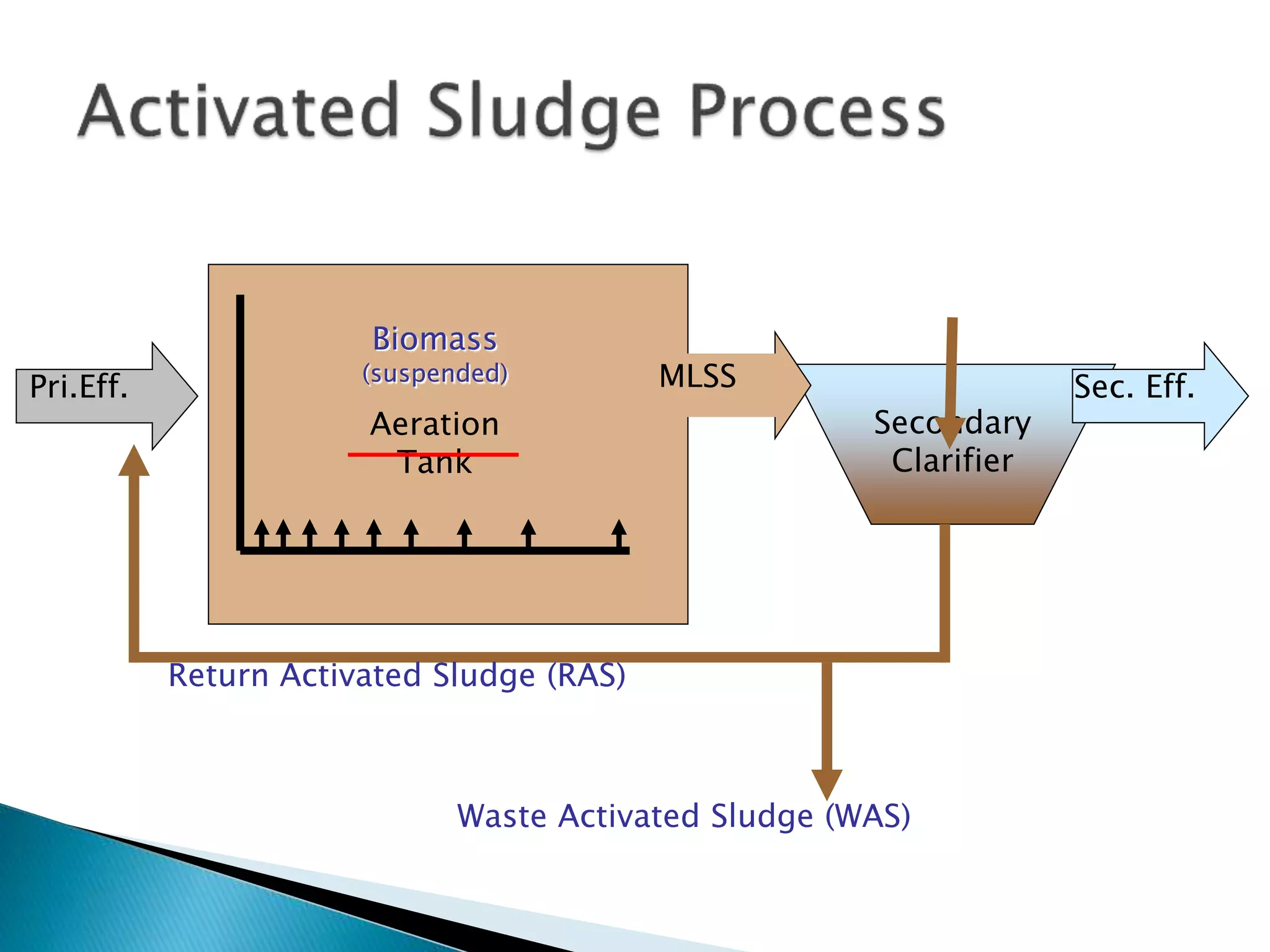
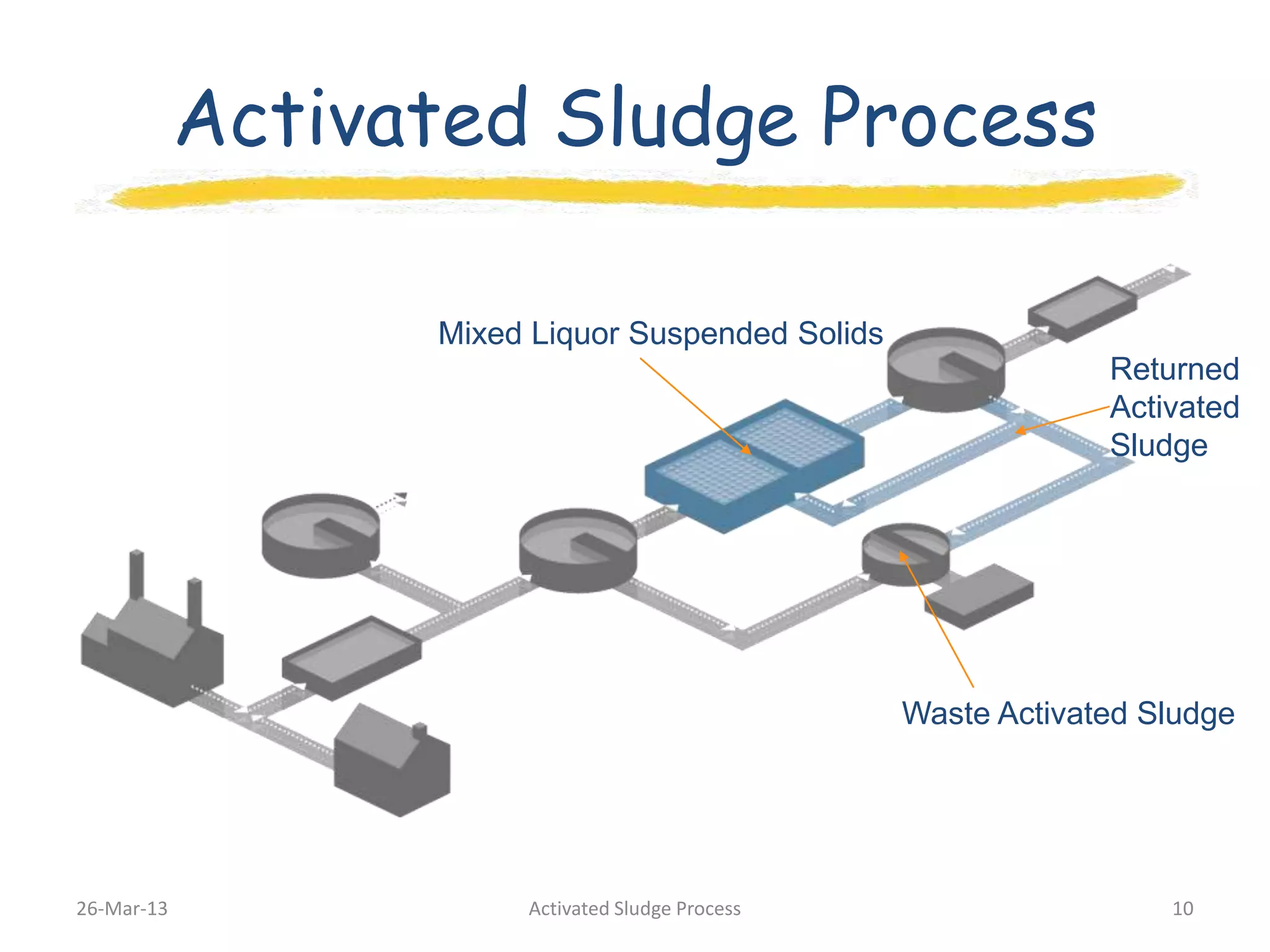
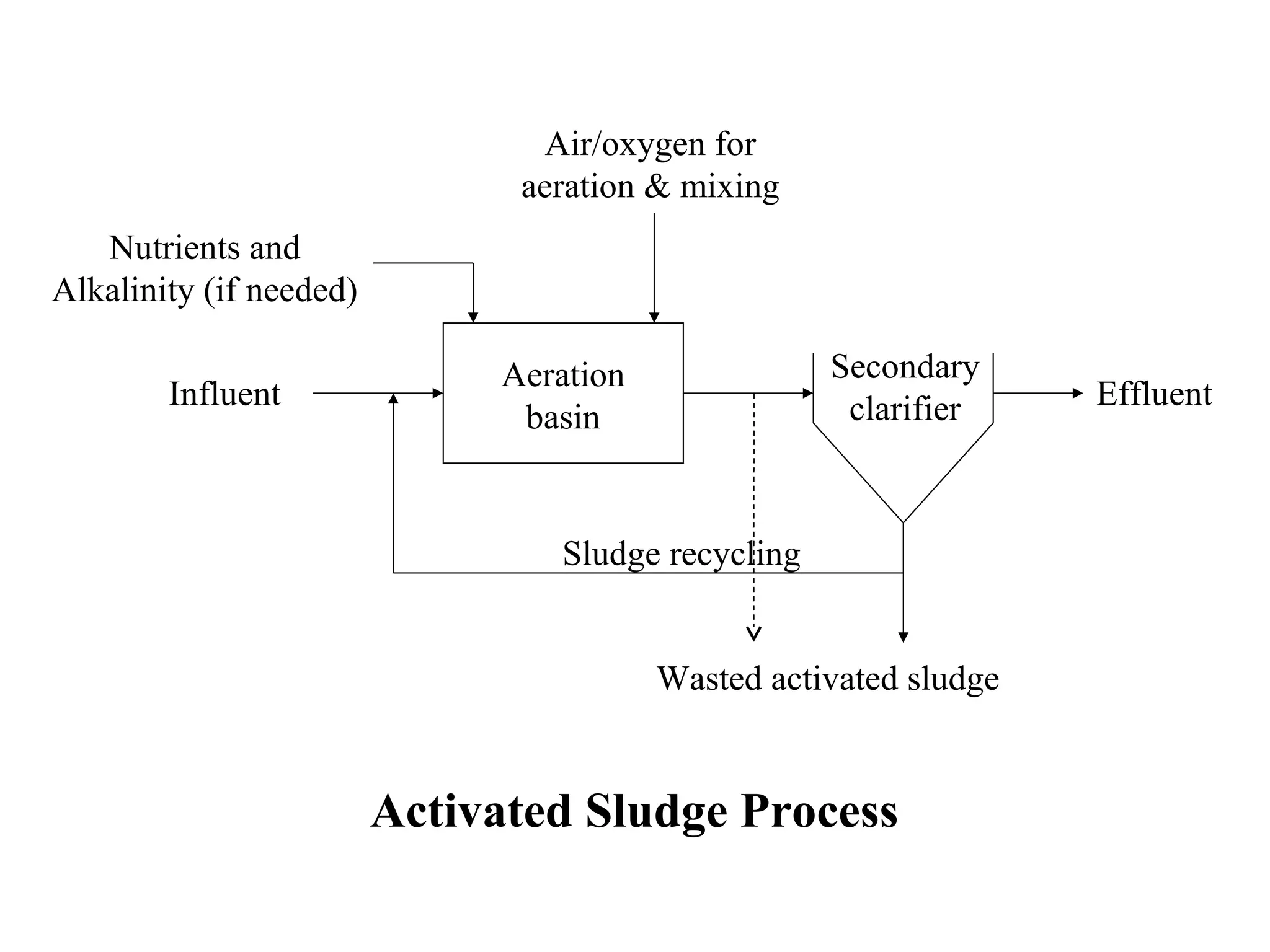
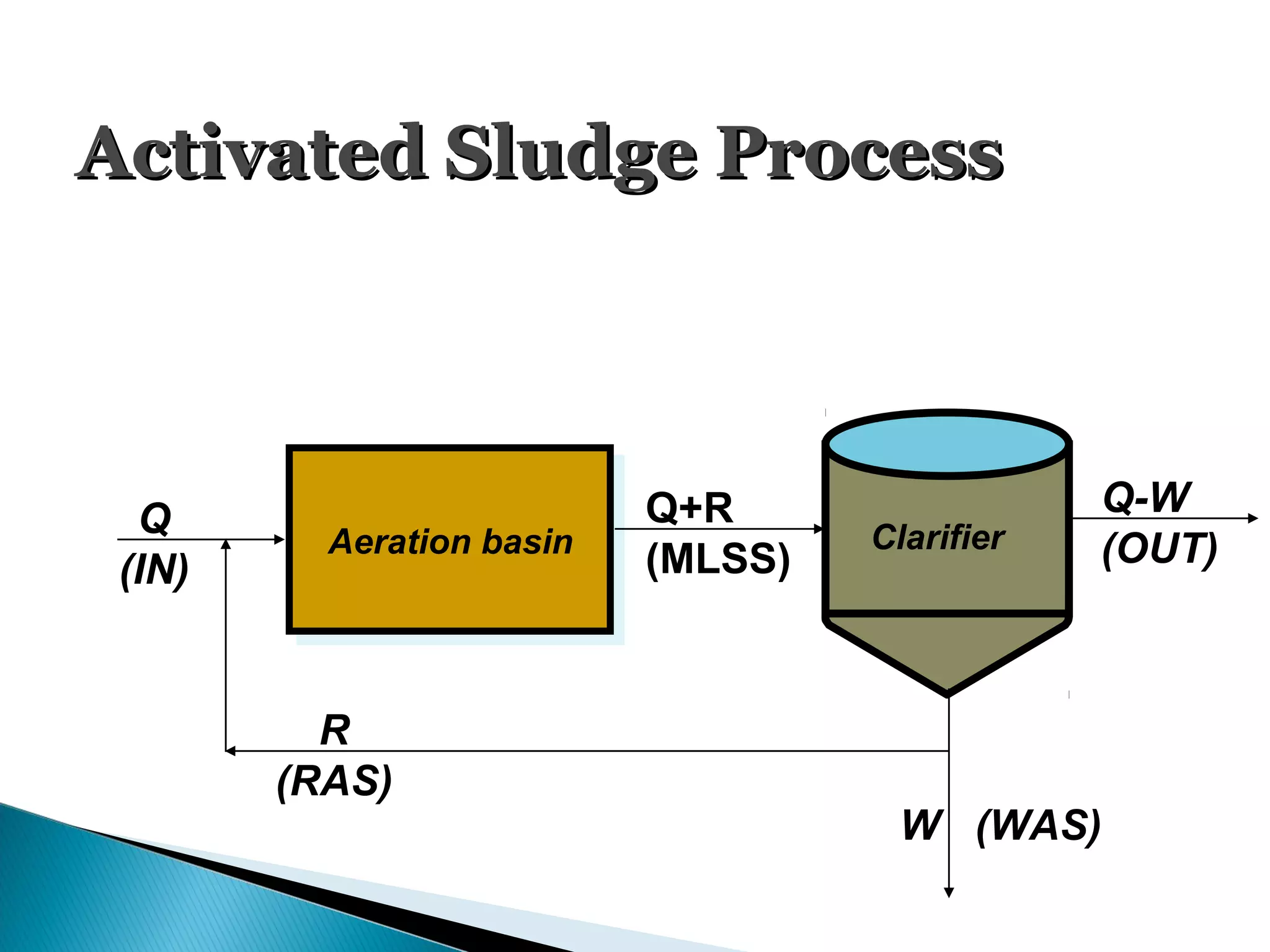
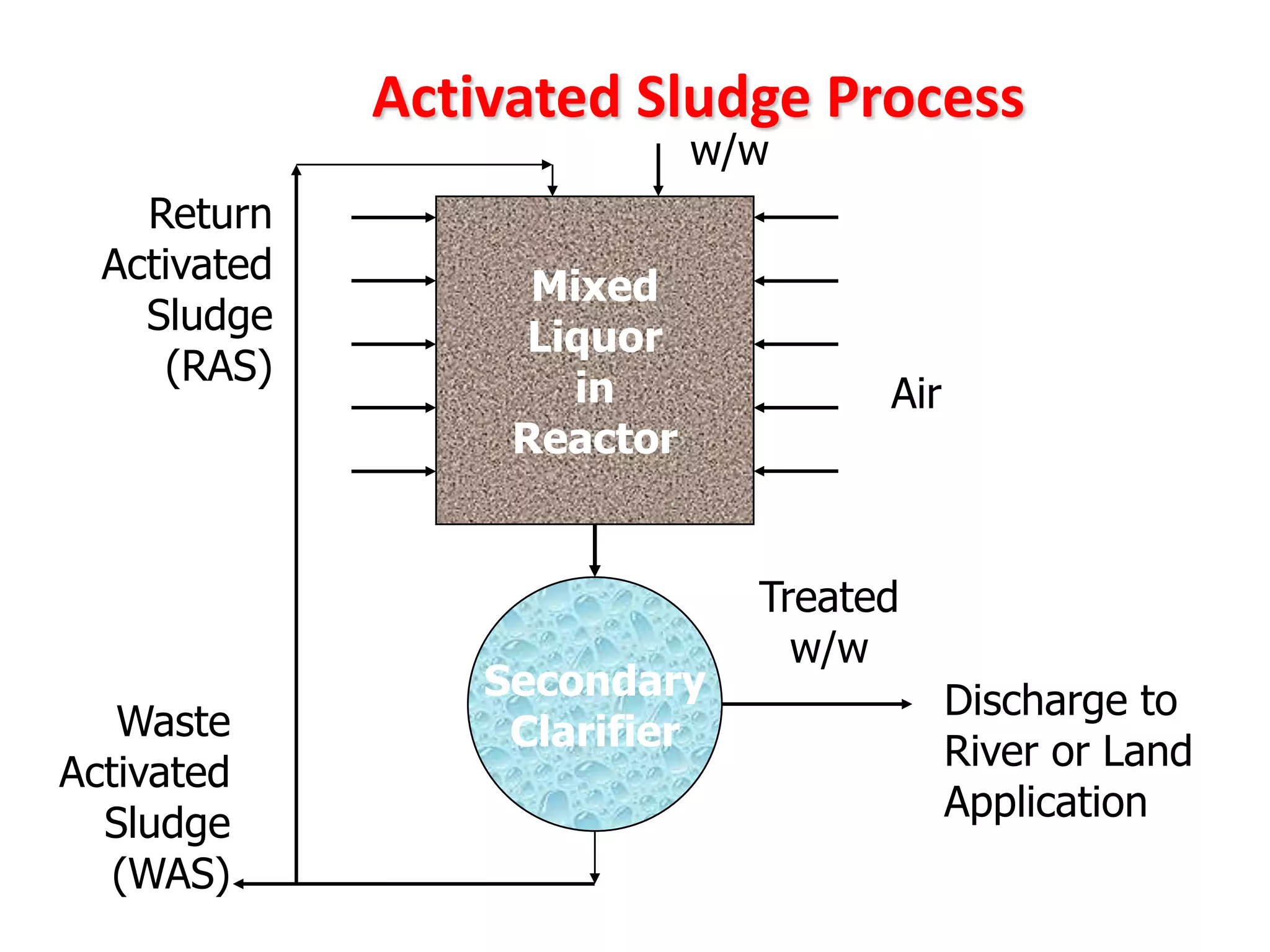
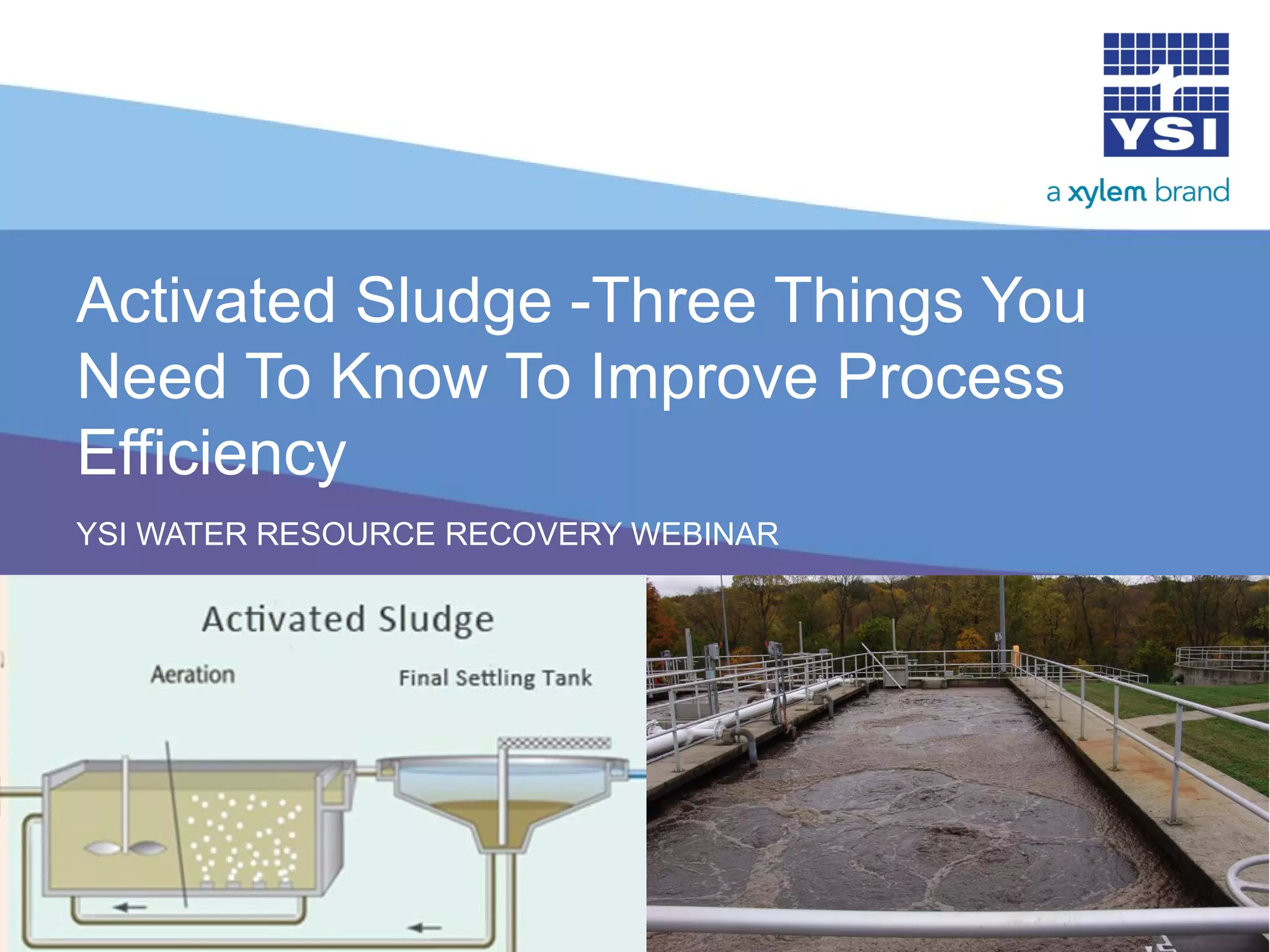
Activated sludge is a biological wastewater treatment process that uses a concentrated culture of microorganisms, primarily bacteria and protozoa, to oxidize organic matter in sewage. The process relies on an aeration tank where oxygen is supplied to the "mixed liquor" and a secondary clarifier where biological solids are separated from the treated effluent, then recycled or wasted.
In the landscape of 2026, the activated sludge process remains the global standard for municipal and industrial wastewater treatment. While the fundamental biology—discovered over a century ago—remains the same, modern applications have shifted toward high-efficiency nutrient removal, energy recovery, and digital process control. Understanding how to manage the delicate balance between the "food" (incoming waste) and the "microorganisms" (the sludge) is essential for maintaining environmental compliance and operational cost-efficiency.
The Biological Engine: Understanding the Microorganisms
At its core, activated sludge is not merely "mud" or "waste"; it is a complex, living ecosystem. This biomass, often referred to as mixed liquor suspended solids (MLSS), consists of heterotrophic and autotrophic bacteria, fungi, and various higher-life forms like rotifers and ciliates. These organisms utilize the organic carbon in the wastewater as an energy source and for cellular growth.
The formation of biological flocs is the most critical aspect of the process. A healthy floc consists of a dense network of bacteria held together by extracellular polymeric substances (EPS). These flocs must be heavy enough to settle quickly in a secondary clarifier. If the flocs are too light or fragmented, they will wash out with the treated effluent, resulting in poor water quality and potential regulatory fines.
In 2026, the focus has expanded beyond simple carbonaceous BOD (Biochemical Oxygen Demand) removal. Most modern facilities are designed for Biological Nutrient Removal (BNR). This involves creating specific zones within the treatment train:
- Anaerobic Zones: Where phosphorus-accumulating organisms (PAOs) release phosphorus.
- Anoxic Zones: Where nitrate is converted to nitrogen gas (denitrification) using incoming organic matter.
- Aerobic Zones: Where ammonia is converted to nitrate (nitrification) and remaining organic carbon is oxidized.
Core Components of an Activated Sludge System
An activated sludge plant is a continuous loop designed to maintain a stable population of microorganisms. To achieve this, several physical structures and mechanical systems must work in tandem.
The Aeration Tank
The aeration tank is the reactor where the actual treatment occurs. Here, air (or pure oxygen) is introduced via fine-bubble diffusers or mechanical surface aerators. The oxygen serves two purposes: it satisfies the respiratory needs of the aerobic bacteria and provides the turbulence necessary to keep the solids in suspension, ensuring the "bugs" are in constant contact with their "food."
The Secondary Clarifier (Sedimentation Tank)
After the aeration phase, the mixed liquor flows into a clarifier. In this quiet environment, the biological flocs settle to the bottom by gravity. The clear water at the top, now significantly reduced in organic pollutants, flows over weirs as treated effluent. The performance of the clarifier is heavily dependent on the Sludge Volume Index (SVI), a laboratory measurement that indicates how well the sludge settles.
RAS and WAS: The Balancing Act
The sludge collected at the bottom of the clarifier is split into two streams:
- Return Activated Sludge (RAS): This portion is pumped back to the head of the aeration tank to maintain the microbial concentration. Without RAS, the biomass would eventually wash out of the system.
- Waste Activated Sludge (WAS): To prevent the system from becoming overcrowded with old or dead bacteria, a specific amount of sludge is removed daily. This "wasting" controls the overall sludge age and prevents the accumulation of inert solids.
Key Operational Parameters and Control Strategies
Maintaining a stable activated sludge process requires precise monitoring of several variables. Operators in 2026 utilize real-time sensors for many of these metrics, though laboratory verification remains the gold standard for compliance.
Food-to-Microorganism (F/M) Ratio
The F/M ratio is a calculation of the amount of "food" (BOD) entering the system relative to the mass of "microorganisms" (MLVSS) available to treat it. A high F/M ratio means there is an abundance of food, leading to rapid bacterial growth but often poor settling. A low F/M ratio indicates "starving" conditions, which can lead to the formation of small, dense "pin floc" that creates turbid effluent.
Mean Cell Residence Time (MCRT) or Sludge Age
MCRT represents the average amount of time, in days, that a microorganism stays in the system before being wasted. It is perhaps the most critical control variable for BNR systems. Nitrifying bacteria, for instance, grow very slowly and require a longer MCRT (often 10–20 days depending on temperature) to ensure they aren't washed out faster than they can reproduce.
Dissolved Oxygen (DO) Management
Oxygen is usually the largest energy expense in a treatment plant. In 2026, most facilities have moved away from manual DO control in favor of Ammonia-Based Aeration Control (ABAC). By measuring real-time ammonia levels at the end of the aeration tank, the system can automatically adjust blower speeds, providing only as much oxygen as is needed to complete nitrification. This reduces energy consumption by 15–30% compared to traditional set-point control.
Comparison of Activated Sludge Variations
Different engineering configurations are chosen based on the required effluent quality, available land, and the nature of the influent wastewater.
| Process Type | Footprint | Operational Complexity | Nutrient Removal | Best Use Case |
|---|---|---|---|---|
| Conventional Plug Flow | Moderate | Moderate | Limited | Large municipal plants with steady loads. |
| Extended Aeration | Large | Low | Good | Small communities or schools; low maintenance. |
| Sequencing Batch Reactor (SBR) | Small | High | Excellent | Sites with limited space or fluctuating flows. |
| Membrane Bioreactor (MBR) | Very Small | Very High | Superior | Water reuse projects or strict discharge limits. |
| Oxidation Ditch | Large | Low | Moderate | Rural areas with plenty of land. |
Troubleshooting Common Operational Issues
Even well-designed plants encounter biological upsets. Identifying the root cause early is essential to preventing permit violations.
Filamentous Bulking
This is the most common problem in activated sludge. Filamentous bacteria grow in long chains that stick out from the flocs, preventing them from compactingly settling in the clarifier. Causes include low dissolved oxygen, low F/M ratios, or nutrient deficiencies (nitrogen or phosphorus). In 2026, many operators use microscopic analysis combined with DNA sequencing to identify the specific filament species and apply targeted treatments, such as temporary chlorination of the RAS.
Rising Sludge
If sludge settles well initially but then floats to the surface in the clarifier, it is usually due to denitrification. If nitrates are present and the clarifier becomes anaerobic (often due to sludge staying in the bottom too long), bacteria convert nitrate to nitrogen gas. The gas bubbles attach to the flocs and float them to the surface. The solution is usually to increase the RAS rate or decrease the MCRT.
Nocardia Foaming
Thick, chocolate-brown foam on the surface of aeration tanks is often caused by Nocardia or Microthrix parvicella. these organisms thrive on fats, oils, and grease (FOG) and long sludge ages. Management involves improved grease removal in primary treatment, reducing the sludge age, or applying specialized defoamers.
The Future of Activated Sludge: 2026 and Beyond
The evolution of activated sludge is currently defined by the transition from "waste treatment" to "resource recovery." Modern facilities are no longer seen as disposal sites but as factories.
Aerobic Granular Sludge (AGS): Technologies like the Nereda® process have gained massive traction by 2026. Instead of loose flocs, the bacteria are grown in dense, fast-settling granules. This allows all treatment phases (anaerobic, anoxic, aerobic) to happen in a single tank, drastically reducing the physical footprint and energy requirements.
Digital Twins and AI: Modern plants now utilize digital twins—virtual models that run in parallel with the physical plant. Using Environmental Protection Agency (EPA) guidelines for modeling, these AI-driven systems can predict how a heavy rain event or a sudden industrial dump will affect the biology 24 hours in advance, allowing operators to make proactive adjustments to the RAS or aeration rates.
Energy Neutrality: By optimizing the activated sludge process, many municipalities are reaching energy neutrality. This is achieved by diverted organic matter to anaerobic digesters to produce biogas, while using high-efficiency turbo blowers and advanced control logic to minimize the power consumed in the aeration tanks.
How to Optimize an Existing Activated Sludge System
To improve performance and reduce costs in a standard facility, follow these systematic steps:
- Conduct a Stress Test: Determine the true hydraulic and organic capacity of your clarifiers and aeration basins.
- Audit the Aeration System: Replace aging coarse-bubble diffusers with fine-bubble membranes. Check for leaks in the air headers.
- Implement Real-Time Monitoring: Install reliable DO, ORP (Oxidation-Reduction Potential), and ammonia sensors. Ensure a rigorous maintenance schedule for these probes.
- Microscopic Evaluation: Perform weekly microscopic exams of the biomass. Look for changes in floc structure and the presence of indicator organisms like stalked ciliates (which indicate a stable, healthy sludge age).
Frequently Asked Questions
What is the ideal MLSS concentration for activated sludge?
There is no single "ideal" number, as it depends on the design. Conventional systems typically operate between 1,500 and 3,000 mg/L, while Membrane Bioreactors (MBRs) can operate at much higher concentrations, often between 8,000 and 12,000 mg/L. The key is to stay within the range your secondary clarifier can handle without "solids loading" failure.
How does temperature affect the activated sludge process?
Biological activity is highly temperature-dependent. For every 10°C drop in temperature, the rate of bacterial growth (especially nitrifiers) roughly halves. This means that in winter, operators usually need to maintain a higher MLSS and a longer MCRT to achieve the same level of treatment as in the summer.
Why is the return activated sludge (RAS) pumping rate so important?
The RAS rate controls the thickness of the sludge blanket in the clarifier and the concentration of microorganisms in the aeration tank. If the RAS rate is too low, the sludge blanket becomes too deep, risking solids carryover. If it is too high, it may create turbulence in the clarifier or dilute the mixed liquor unnecessarily.
Can activated sludge remove emerging contaminants like pharmaceuticals?
Standard activated sludge processes provide some removal of pharmaceuticals and personal care products (PPCPs) through adsorption and biodegradation. However, systems with longer sludge ages (high MCRT) and BNR capabilities generally show much higher removal efficiencies for these complex organic molecules than conventional high-rate systems.
What is the difference between "young" and "old" sludge?
Young sludge (low MCRT) is characterized by rapid growth, high oxygen demand, and often "billowy" white foam. It may not settle well because the flocs haven't fully matured. Old sludge (high MCRT) settles very quickly but can leave behind "pin floc," creating a cloudy effluent. It often produces dark brown foam and contains more "higher life forms" like rotifers.
Implementation and Next Steps
For engineers and plant managers looking to modernize their activated sludge operations in 2026, the priority should be the integration of data-driven decision-making. Transitioning from manual, reactive management to automated, predictive control is the most effective way to guarantee compliance while managing rising energy costs. Start by performing a comprehensive nutrient profile of your influent and effluent to identify exactly where your biological bottlenecks exist. If you are facing space constraints, investigate granular sludge or membrane retrofits to increase capacity without expanding your facility's footprint.