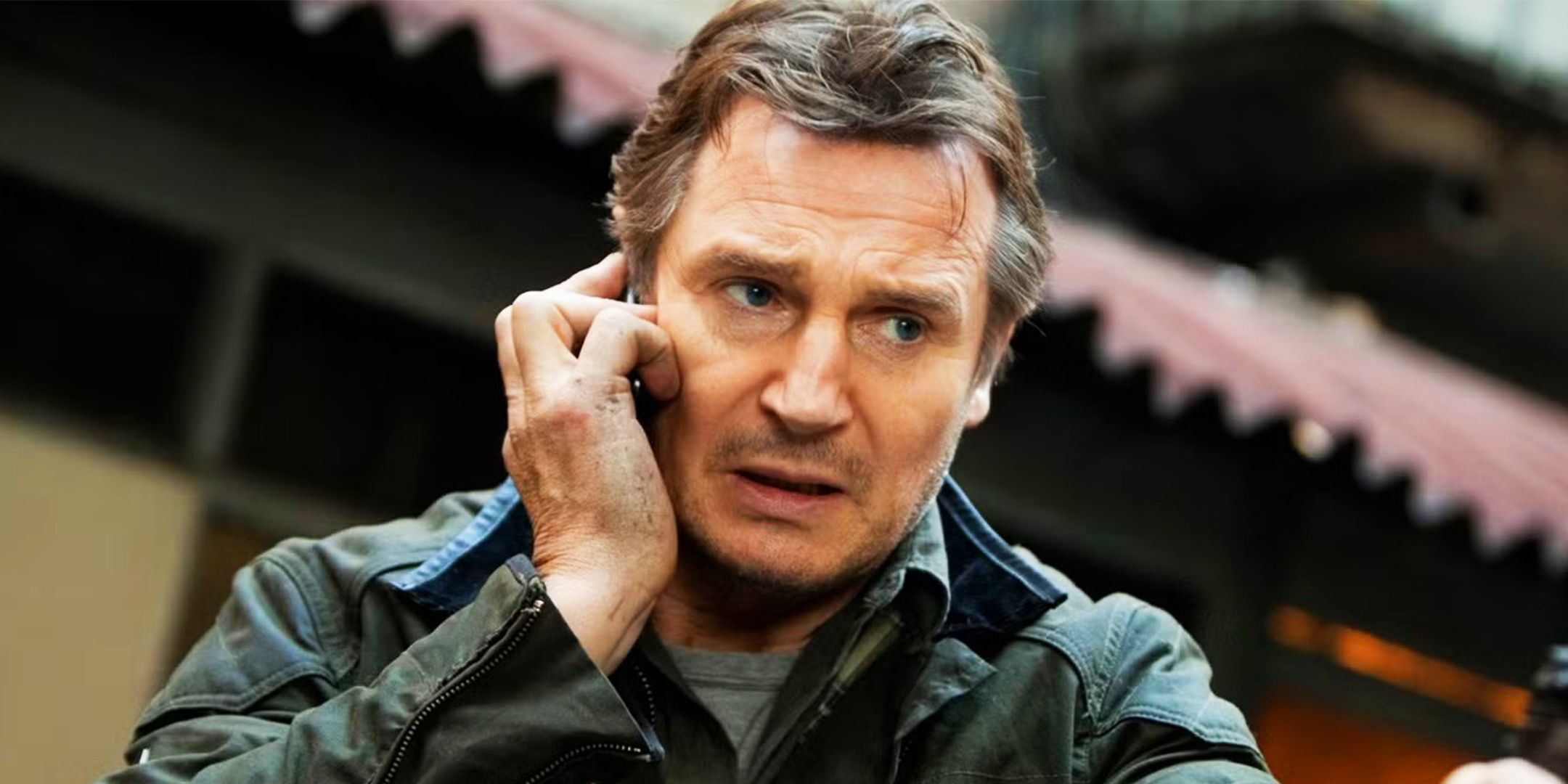
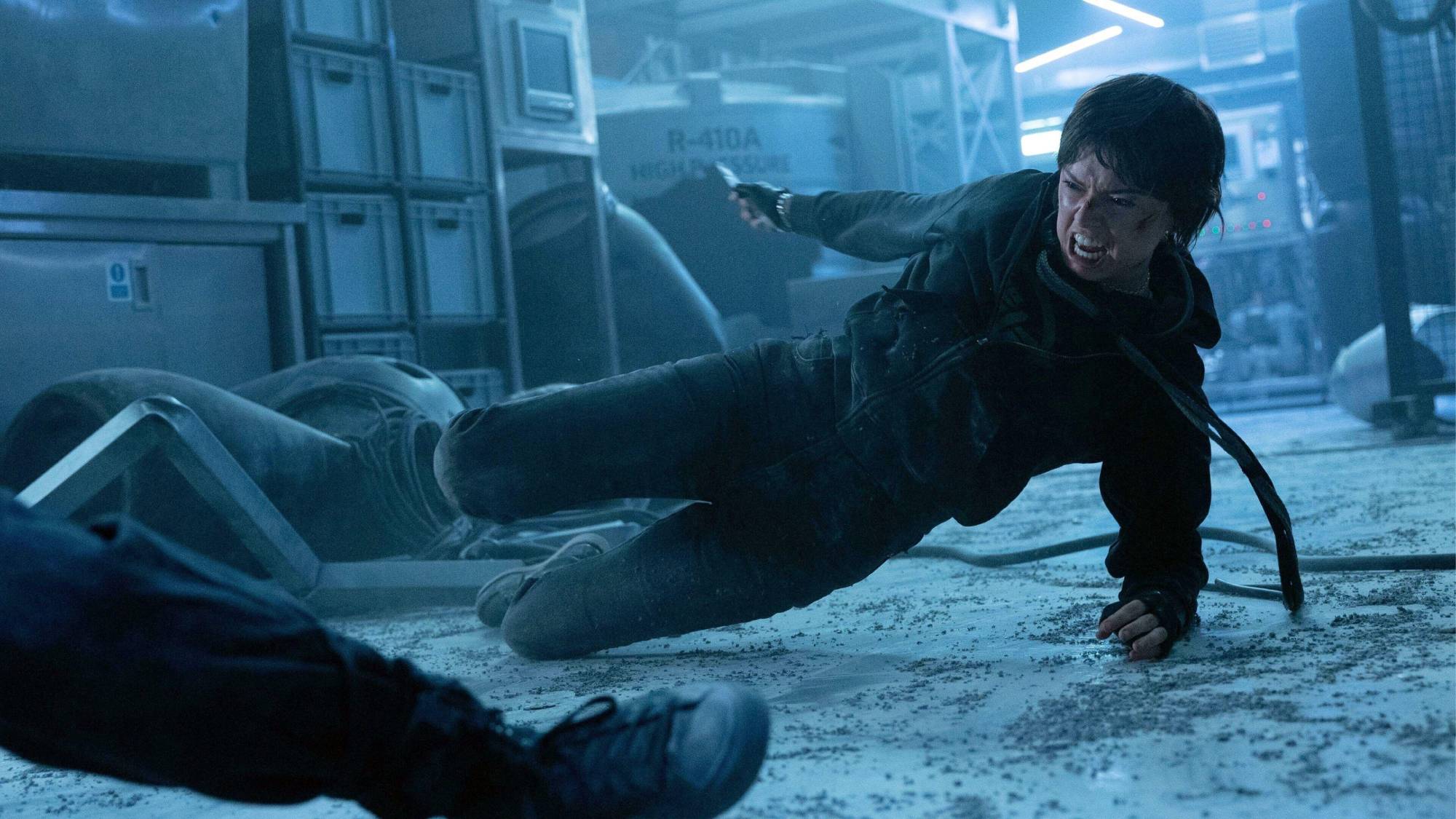
An action thriller is a high-intensity hybrid genre that fuses the relentless physical movement and spectacle of action cinema with the tension, psychological stakes, and "ticking clock" urgency of the thriller. It focuses on a protagonist who must utilize physical skill and strategic intellect to thwart a catastrophic threat or survive a lethal conspiracy.
The Anatomy of a Hybrid: Where Suspense Meets Spectacle
To understand the action thriller, one must first distinguish its two parent genres. A pure "action" film focuses on the physical prowess of the hero and the visceral thrill of the set-piece—car chases, explosions, and hand-to-hand combat. A pure "thriller," conversely, is defined by its mood: a pervasive sense of dread, anticipation, and psychological maneuvering. The action thriller occupies the middle ground, where the mental games of the thriller are resolved through the physical confrontations of the action genre.
In 2026, the genre remains a cornerstone of global entertainment because it satisfies two primal audience desires: the intellectual puzzle and the adrenaline rush. Unlike the traditional "whodunit," which prioritizes the mystery of identity, the action thriller often reveals the antagonist early on. The tension arises not from who the villain is, but from how the protagonist will survive the escalating physical threats the villain deploys. This creates a narrative structure characterized by "bursts" of activity. While a thriller may simmer for two hours, an action thriller uses a rhythmic cycle of tension (the investigation or the hiding) and release (the shootout or the escape).
The effectiveness of this hybrid relies on the stakes. In a standard action movie, the hero might simply need to defeat a group of henchmen. In an action thriller, those henchmen represent a barrier to stopping a larger, often systemic catastrophe—a viral outbreak, a nuclear launch, or a political assassination. The physical violence is never gratuitous; it is a necessary instrument for the protagonist to navigate a high-stakes environment where time is the primary enemy.
Core Pillars of the Action Thriller Framework
The success of an action thriller is rarely accidental. It follows a rigorous structural framework designed to keep the audience in a state of heightened arousal. Three specific elements serve as the foundation for almost every entry in the genre.
The Ticking Clock (Temporal Pressure)
The "ticking clock" is the most vital narrative device in this genre. By imposing a hard deadline on the protagonist’s goals, the storyteller eliminates the possibility of a slow, methodical approach. Whether it is a literal bomb timer or a metaphorical deadline—such as a hostage being moved or a window of opportunity for an extraction—the ticking clock forces the protagonist to take risks they would otherwise avoid. This device transforms every physical obstacle (a locked door, a traffic jam) into a source of immense psychological stress.
The MacGuffin and the Objective
Coined by Alfred Hitchcock, the MacGuffin is the object or piece of information that everyone in the story is chasing. In the action thriller, the MacGuffin serves as the catalyst for movement. It provides a reason for the protagonist to travel from Point A to Point B, facilitating the diverse locations and set-pieces the genre demands. Whether it is the "Rabbit’s Foot" in Mission: Impossible III or the encrypted drive in Skyfall, the object itself matters less than the desperate, violent competition it inspires.
The Competent Protagonist vs. The Overwhelming Antagonist
The genre typically features a protagonist with a "special set of skills"—often a former intelligence officer, a specialized soldier, or a highly trained civilian. This competence is necessary to make the action sequences believable. However, to maintain thriller-level tension, the antagonist must be significantly more powerful, wealthy, or better positioned than the hero. This creates the "underdog" dynamic essential for audience investment. The protagonist cannot simply overpower the villain; they must outmaneuver them through a combination of grit and tactical ingenuity.
The Evolution of Action Thriller Subgenres
The action thriller is not a monolith; it has branched into several distinct subgenres, each with its own set of rules and audience expectations. In 2026, these subcategories have become increasingly specialized to cater to diverse viewing habits on streaming platforms and in cinemas.
- The Spy/Espionage Action Thriller: This is perhaps the most recognizable form, exemplified by the James Bond and Jason Bourne franchises. It emphasizes international locations, high-tech gadgetry, and political intrigue. The tension often stems from betrayal and the "man on the run" trope, where the hero is hunted by their own organization.
- The Tech/Cyber Thriller: Reflecting modern anxieties, this subgenre focuses on digital threats. The "action" often involves physical raids on server farms or protecting hardware, while the "thriller" elements involve hacking, surveillance, and the manipulation of information.
- The Survival Action Thriller: Here, the antagonist is often the environment or a relentless predator (human or otherwise). Movies like The Grey or Extraction fall into this category. The focus is on the primal necessity of staying alive against overwhelming odds.
- The Urban/Crime Action Thriller: These stories are grounded in the underworld of major cities. They often involve heists, undercover operations, or police corruption. The tension is intimate and gritty, focusing on the thin line between the law and the criminal element.
Technical Craft: Pacing and Visual Language
The technical execution of an action thriller requires a delicate balance between clarity and chaos. As of 2026, industry standards have shifted away from the "shaky cam" aesthetics of the early 2000s toward "tactical realism." This approach prioritizes clear choreography and long takes, allowing the audience to understand the spatial relationship between characters during a fight or chase.
Pacing is the genre's most difficult technical hurdle. A film that is all action becomes exhausting, leading to "spectacle fatigue." Conversely, a film with too much exposition loses its "thriller" momentum. The gold standard of pacing involves the "interrogative sequence"—a scene where a character gathers information—immediately followed by a "consequential action"—a scene where they must fight to escape after being discovered.
Sound design plays a disproportionate role in this genre. The "thriller" aspect is built through the auditory landscape: a ticking clock, the hum of a computer, or the sudden silence before an ambush. The "action" aspect is defined by the impact: the heavy thud of a punch or the mechanical click of a weapon. In 2026, Dolby Atmos and spatial audio are used extensively to immerse the audience, making them feel the direction of every threat.
Comparative Analysis of Iconic Action Thriller Franchises
The following table compares how different hallmark franchises balance the elements of action and thriller.
| Franchise | Primary Protagonist Type | Core Thriller Element | Scale of Action | Historical Impact |
|---|---|---|---|---|
| John Wick | Retired Assassin | Personal Vendetta / World-Building | Tactical & Choreographed | Redefined modern stunt-work. |
| Jason Bourne | Amnesiac Operative | Identity Crisis / Conspiracy | Gritty & Realistic | Popularized the "shaky cam" era. |
| Mission: Impossible | Elite Spy | Impossible Odds / Infiltration | Stunt-Driven Spectacle | Set the bar for practical effects. |
| Die Hard | Everyman Cop | Isolation / Resourcefulness | Localized & Intense | Created the "vulnerable hero" trope. |
| Sicario | Federal Agent | Moral Ambiguity / Cartel Horror | Atmospheric & Brutal | Elevated the genre to "prestige" status. |
Writing and Analyzing the Action Thriller
For creators and critics, analyzing the "beat sheet" of an action thriller is essential. Most successful entries follow a specific progression:
- The Inciting Incident: A violent disruption of the status quo that forces the protagonist into action.
- The First Threshold: The hero commits to the mission, often realizing the threat is larger than initially thought.
- The Midpoint Shift: A major revelation (often a betrayal) that changes the stakes and increases the temporal pressure.
- The Low Point: The protagonist loses their resources or their closest ally, making the final confrontation seem impossible.
- The Climax: A high-intensity sequence where the protagonist’s physical skills and intellectual breakthroughs converge to defeat the antagonist.
In 2026, many writers are subverting these tropes by introducing "unreliable protagonists" or moral gray areas where the hero's actions have lasting negative consequences. This adds a layer of "psychological thriller" to the mix, ensuring the genre remains intellectually stimulating for modern audiences.
Common Mistakes in Genre Construction
Despite its popularity, the action thriller is prone to several common pitfalls that can alienate audiences:
- The "Invincible Hero" Problem: If the protagonist never appears to be in genuine danger, the thriller elements evaporate. Effective thrillers require the hero to get hurt, make mistakes, and feel fear.
- Over-Reliance on Exposition: Thrillers often have complex plots, but stopping the action for ten minutes of dialogue to explain the conspiracy kills the momentum. The best action thrillers show the conspiracy through the action.
- The "Faceless" Villain: An antagonist who is just a generic corporation or a silent army lacks the personal stakes necessary for a satisfying conclusion. The threat needs a human face, or at least a clear, articulated philosophy.
Strategic Recommendations for Genre Enthusiasts
For those looking to deepen their engagement with the action thriller genre—whether as a viewer, a student of film, or a writer—the following steps are recommended:
- Study the "Foundational Four": Watch North by Northwest (suspense), The French Connection (realism), Die Hard (pacing), and The Bourne Identity (modernity). These films represent the evolution of the genre's DNA.
- Analyze Stunt Coordination: Look for behind-the-scenes material on practical effects. Understanding how a sequence is physically staged provides a greater appreciation for the "action" half of the genre.
- Track the Ticking Clock: When watching a film, identify exactly when the "deadline" is introduced and how the director reminds the audience of it throughout the story.
- Explore International Offerings: The action thriller is a universal language. Explore South Korean (e.g., The Man from Nowhere) or Indonesian (e.g., The Raid) cinema for different perspectives on pacing and choreography.
Is an action thriller the same as an action movie?
No, while they share DNA, the action thriller prioritizes suspense and a complex plot over pure spectacle. In an action movie, the focus is the "how" of the combat; in an action thriller, the focus is the "why" and the consequences of failure.
What makes a "thriller" different from a "mystery"?
A mystery is about looking backward to uncover a past event (who did it?). A thriller is about looking forward to a future event (will the bomb go off?). Action thrillers use the urgency of the future threat to drive the plot.
Why is the "ticking clock" so important?
It creates an artificial sense of urgency that justifies the high-speed nature of the action. Without a time constraint, characters would logically call for backup or wait for more information, which would lower the dramatic tension.
Can an action thriller be "prestige" cinema?
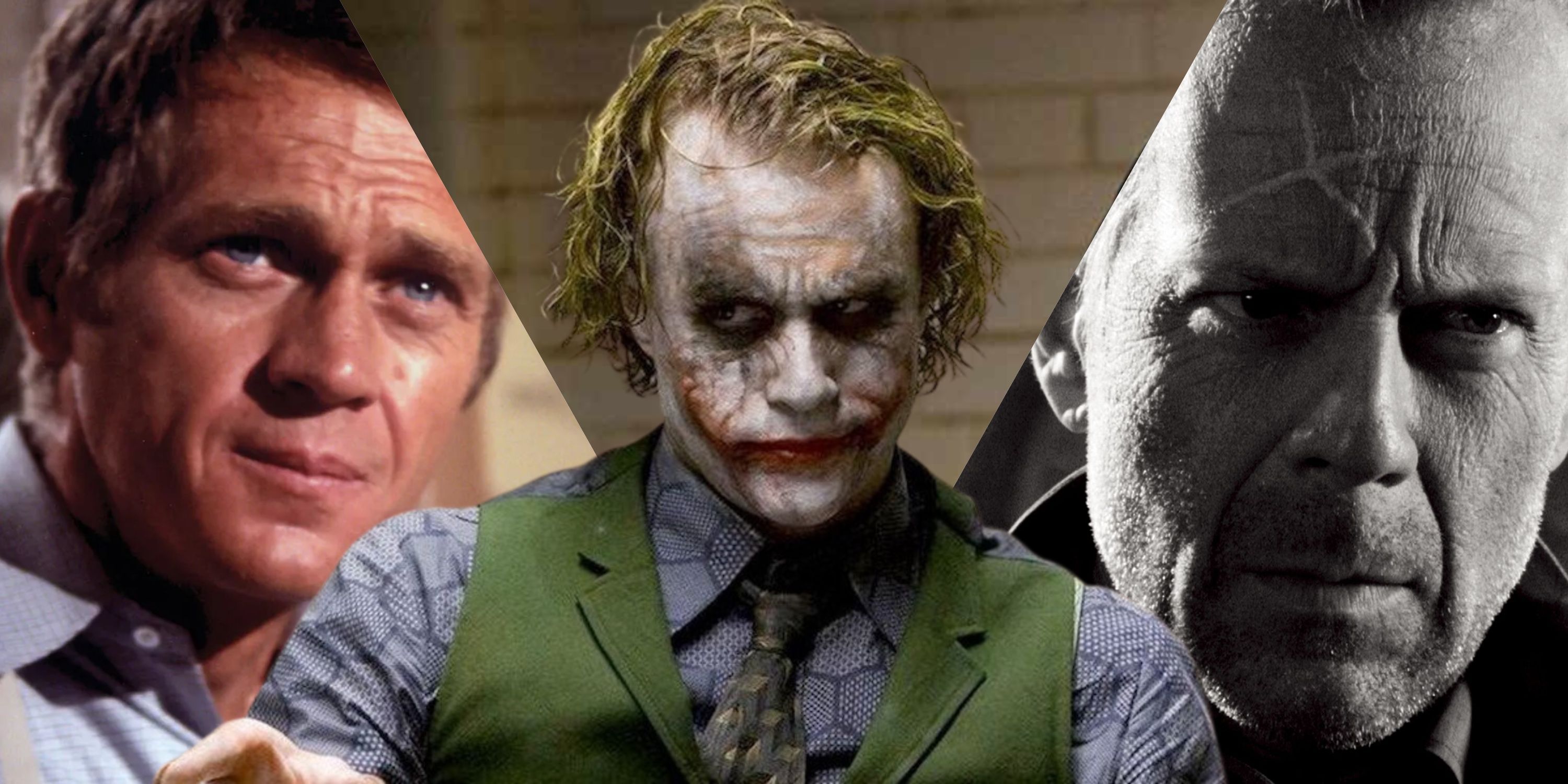
Yes. Films like Sicario, The Dark Knight, and Heat are considered prestige cinema because they combine high-octane action with deep character studies, social commentary, and high-end cinematography, moving beyond simple popcorn entertainment.
How has technology changed the genre in 2026?
Technological integration has moved from being a plot device (hacking) to a filming tool. In 2026, drones and specialized camera rigs allow for "impossible" action shots that maintain the tension of a thriller by staying close to the protagonist's perspective during high-speed sequences.