Acne management involves a structured, evidence-based approach combining topical therapies, systemic medications, and lifestyle modifications tailored to the specific severity of the condition and the physiological mechanisms driving lesion formation.
Understanding the Pathophysiology of Acne Vulgaris
Acne vulgaris is a chronic inflammatory disorder of the pilosebaceous unit, meaning it involves the hair follicle and its accompanying sebaceous gland. To design an effective intervention strategy, clinicians and patients must understand the four primary pathophysiological factors that drive the development of comedones, papules, pustules, and nodulocystic lesions. These interconnected mechanisms create a continuous cycle of pore blockage, microbial proliferation, and localized tissue destruction.
The initial event in acne formation is follicular hyperkeratinization, a process where epithelial cells inside the hair follicle shed abnormally. Instead of sloughing off smoothly and exiting the pore, these dead skin cells stick together, forming a dense microplug that traps debris. Concurrently, androgenic hormones stimulate the sebaceous glands to enlarge and produce excess sebum, an oily substance. As sebum production increases, it mixes with the accumulated keratinocytes, creating an environment rich in lipids and cellular debris within the plugged follicle.
This anaerobic, lipid-rich environment promotes the rapid proliferation of Cutibacterium acnes (C. acnes), a commensal bacterium that feeds on sebum triglycerides. As C. acnes multiplies, it releases pro-inflammatory mediators and extracellular enzymes that break down surrounding lipids into free fatty acids. This metabolic activity irritates the follicular wall and triggers a robust immune response, recruiting white blood cells and neutrophils to the site. The resulting inflammation ruptures the follicle, spilling sebum, bacteria, and cellular debris into the surrounding dermis, which manifests clinically as painful, red, swollen papules, pustules, or deeper nodules.
Diagnostic Classification and Severity Grading
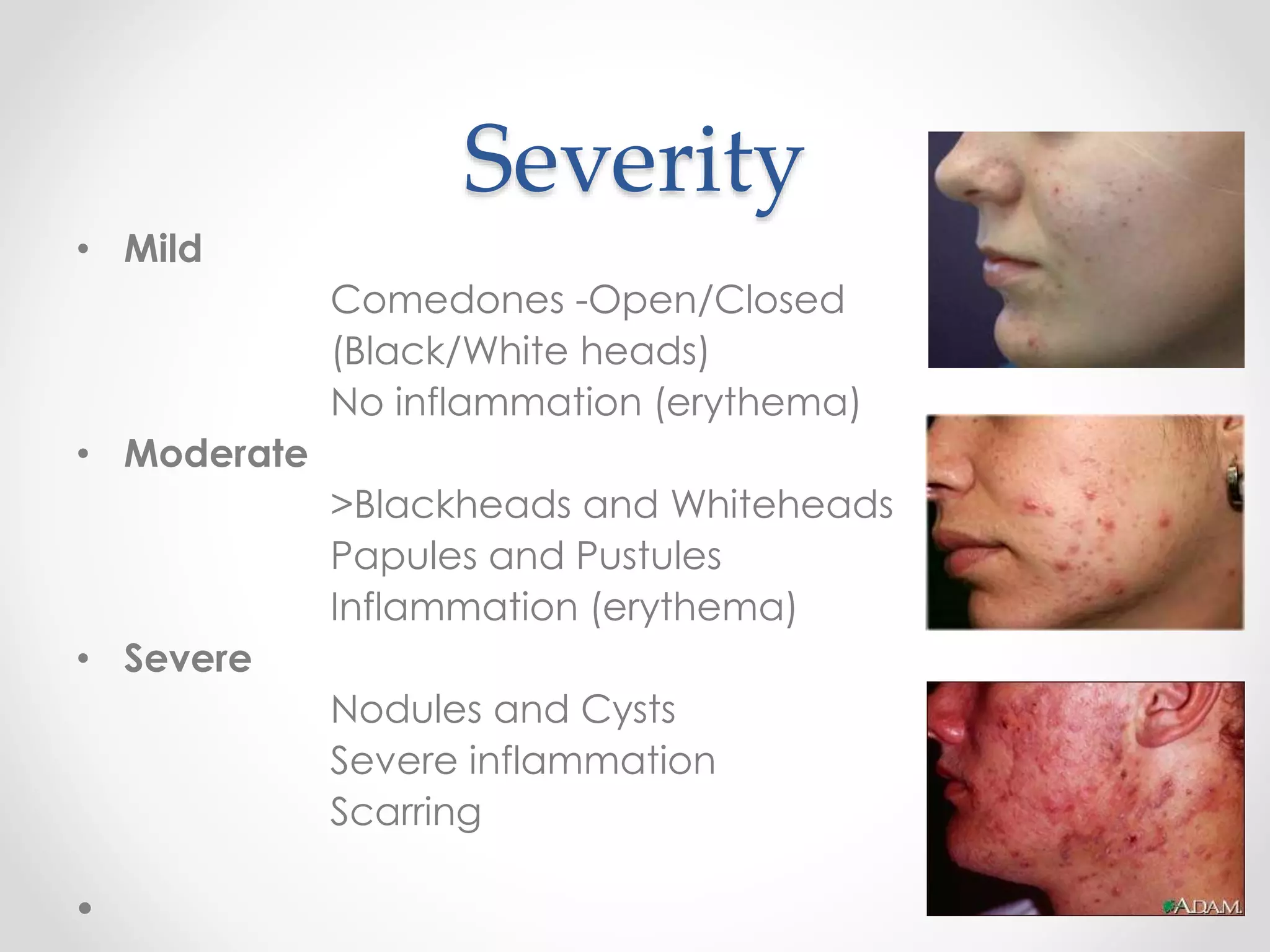
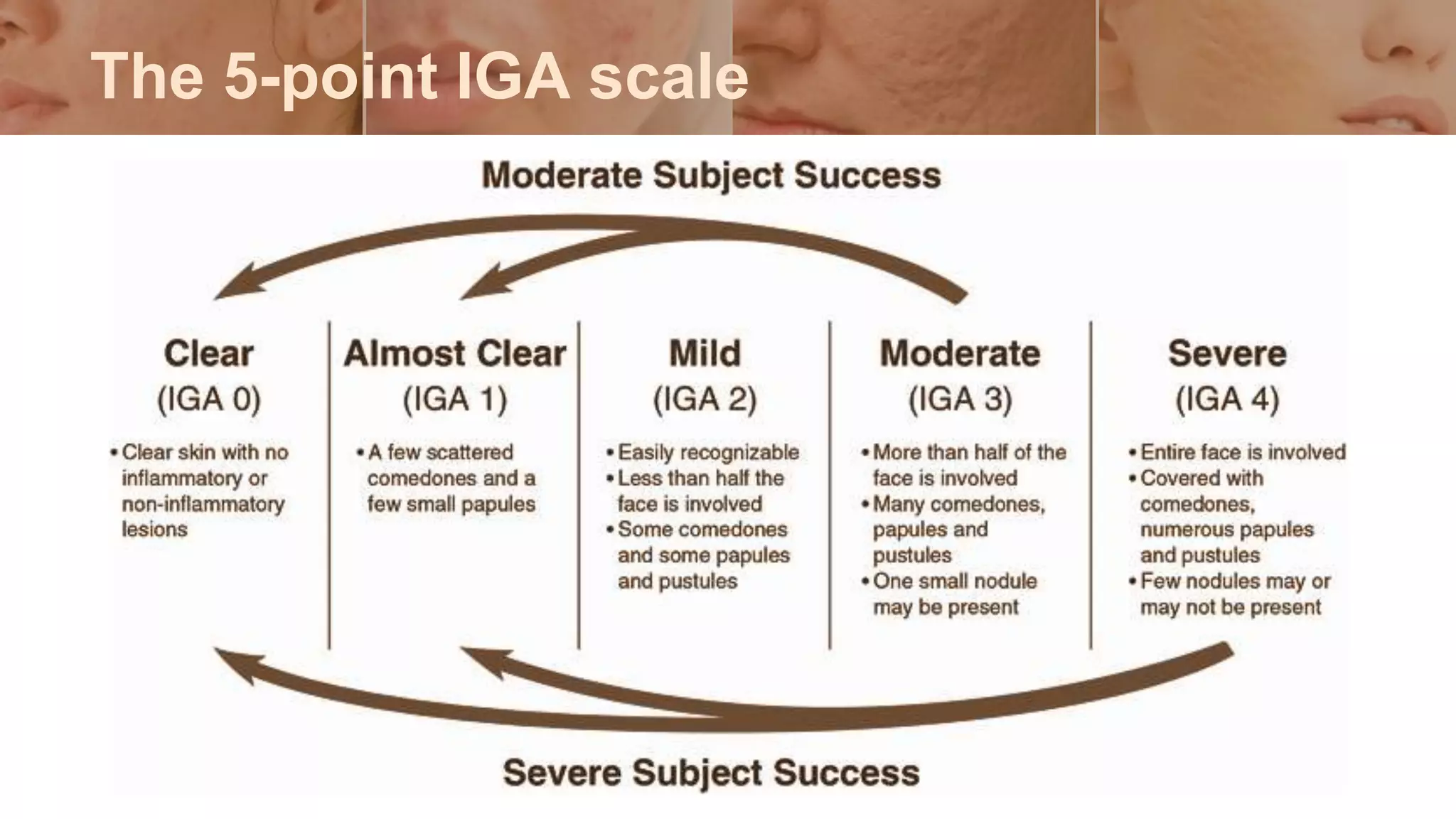
Accurate classification of acne severity is essential for selecting the appropriate therapeutic regimen and preventing permanent scarring or hyperpigmentation. Dermatologists typically categorize acne into mild, moderate, and severe forms based on the type, distribution, and total count of lesions present on the skin.
Mild acne is predominantly characterized by non-inflammatory lesions, including open comedones (blackheads) and closed comedones (whiteheads), occasionally accompanied by a few scattered inflammatory papules. It is typically confined to the facial T-zone and responds well to localized topical treatments. Moderate acne features a higher density of papules and pustules spread across the face, chest, or back. These lesions are more widespread and show clear signs of localized inflammation, requiring a combination of topical antimicrobial and keratolytic agents.
Severe acne encompasses advanced clinical presentations such as nodulocystic acne and acne conglobata. This category is defined by large, painful, fluid-filled nodules, deep cysts, interconnected sinus tracts, and extensive scarring. Severe forms require aggressive systemic intervention under the direct supervision of a dermatologist, as topical treatments alone cannot penetrate deep enough to address the underlying pathology.
| Severity Classification | Primary Lesion Types | Recommended Initial Approach | Potential Complications |
|---|---|---|---|
| Mild | Comedones (open/closed), occasional papules | Topical retinoids, salicylic acid, benzoyl peroxide | Minor post-inflammatory hyperpigmentation |
| Moderate | Widespread papules, pustules, mild scarring | Combination topicals, oral antibiotics, dapsone | Persistent redness, rolling scars |
| Severe | Nodules, cysts, scarring, sinus tracts | Oral isotretinoin, systemic corticosteroids, combination therapy | Severe atrophic or hypertrophic scarring, psychological distress |
Topical Therapies and Frontline Interventions
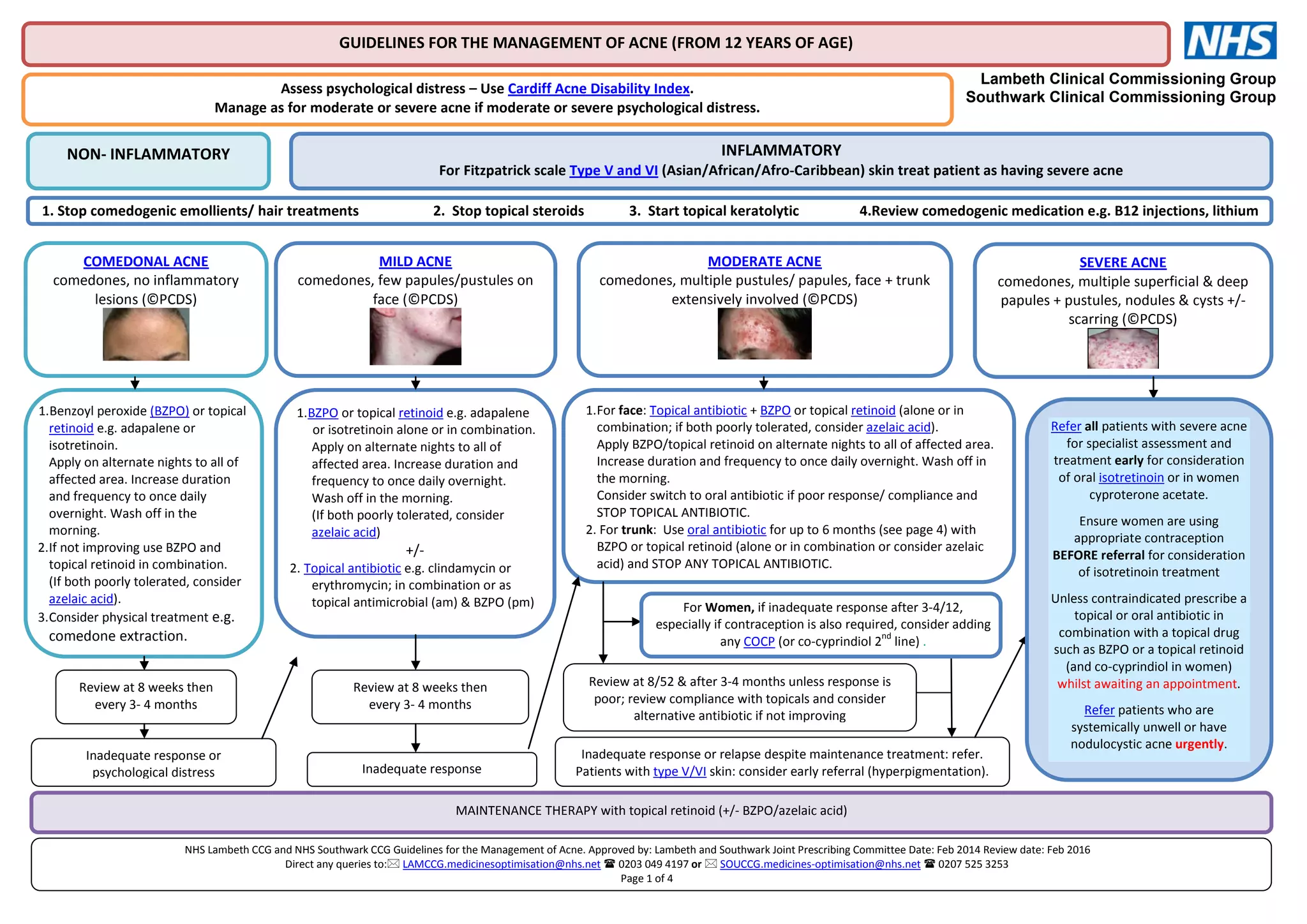
Topical formulations serve as the cornerstone for managing mild to moderate acne and act as maintenance therapy for severe cases once systemic treatments conclude. These agents target specific steps in the acne cycle, ranging from normalizing cellular turnover to eliminating bacterial overgrowth.
Retinoids—such as tretinoin, adapalene, and tazarotene—are derivatives of vitamin A that regulate follicular keratinization. By promoting the shedding of dead skin cells within the pore, retinoids prevent microcomedones from forming while also providing anti-inflammatory benefits and helping to fade post-inflammatory hyperpigmentation. Because retinoids can cause initial dryness, peeling, and photosensitivity, they are typically applied at night and introduced gradually.
Antimicrobial agents like benzoyl peroxide work by generating free radicals that oxidize bacterial proteins within the follicle, effectively reducing C. acnes populations without inducing bacterial resistance. This makes benzoyl peroxide a valuable addition to regimens containing prescription antibiotics. Salicylic acid, a beta-hydroxy acid, is lipophilic, allowing it to penetrate oil-filled pores to exfoliate dead skin cells from the inside lining of the follicle, making it highly effective for treating comedonal acne.
Systemic Medications for Moderate and Severe Disease
When topical therapies fail to control widespread inflammatory lesions, or when deep nodules and cysts threaten to cause permanent scarring, systemic interventions become necessary. These medications circulate throughout the body to target internal drivers of acne, such as bacterial proliferation, hormonal imbalances, and hyperactive sebaceous glands.
Oral antibiotics, including doxycycline, minocycline, and occasionally azithromycin, are frequently prescribed for moderate to severe inflammatory acne. These agents possess both antimicrobial and direct anti-inflammatory properties. To minimize the risk of bacterial resistance, antibiotic courses are typically limited to three to six months and are almost always co-administered with topical benzoyl peroxide.
For female patients whose acne flares are driven by hormonal fluctuations—often characterized by deep, painful jawline lesions that worsen around the menstrual cycle—hormonal therapy can be highly effective. Combined oral contraceptives containing specific progestins with low androgenic activity, as well as spironolactone (an anti-androgen medication), help suppress ovarian androgen production and block androgen receptors in the sebaceous glands, reducing sebum output.
Isotretinoin, an oral retinoid, remains the most powerful treatment available for severe, scarring, or treatment-resistant nodulocystic acne. It is the only therapeutic agent that addresses all four pathogenic factors of acne simultaneously, frequently inducing long-term remission after a single structured treatment course. Due to its significant teratogenicity and potential side effects, its use is strictly regulated, requiring comprehensive patient education, regular blood monitoring, and adherence to specialized safety programs.
Managing Treatment Side Effects and Skin Barrier Health
Aggressive acne regimens often compromise the skin barrier, leading to dryness, irritation, erythema, and increased sensitivity. Preserving and repairing the stratum corneum is critical for maintaining treatment adherence and preventing chronic irritation that can exacerbate inflammation.
Patients should incorporate gentle, non-foaming, fragrance-free cleansers that maintain the skin's natural acidic pH. Over-cleansing or scrubbing the skin strips away essential lipids and triggers reactive hypersecretion of sebum. Non-comedogenic, lightweight moisturizers containing ceramides, hyaluronic acid, and niacinamide help restore the lipid barrier, lock in hydration, and calm inflammatory responses induced by active medications.
Sun protection is non-negotiable during acne management. Many primary therapies—including topical retinoids, alpha and beta-hydroxy acids, and oral tetracyclines—significantly increase photosensitivity. Daily application of a broad-spectrum, non-comedogenic sunscreen with a sun protection factor (SPF) of 30 or higher prevents UV-induced cellular damage and reduces the severity of post-inflammatory hyperpigmentation marks left behind by healed lesions.
Frequently Asked Questions
Can diet and lifestyle changes completely cure acne?
Diet and lifestyle adjustments support clinical management but rarely cure acne on their own, as the condition is primarily driven by genetics, hormones, and follicular biology. However, reducing high-glycemic foods and dairy consumption can help minimize inflammatory flare-ups in susceptible individuals.
Why does acne worsen during the first few weeks of starting a retinoid?
This phenomenon, commonly known as "retinoid purge," occurs because retinoids accelerate cellular turnover, bringing microcomedones that were already forming deep beneath the skin's surface to the surface all at once. This phase typically subsides after four to six weeks of consistent use.
How long does it take to see visible results from a new acne regimen?
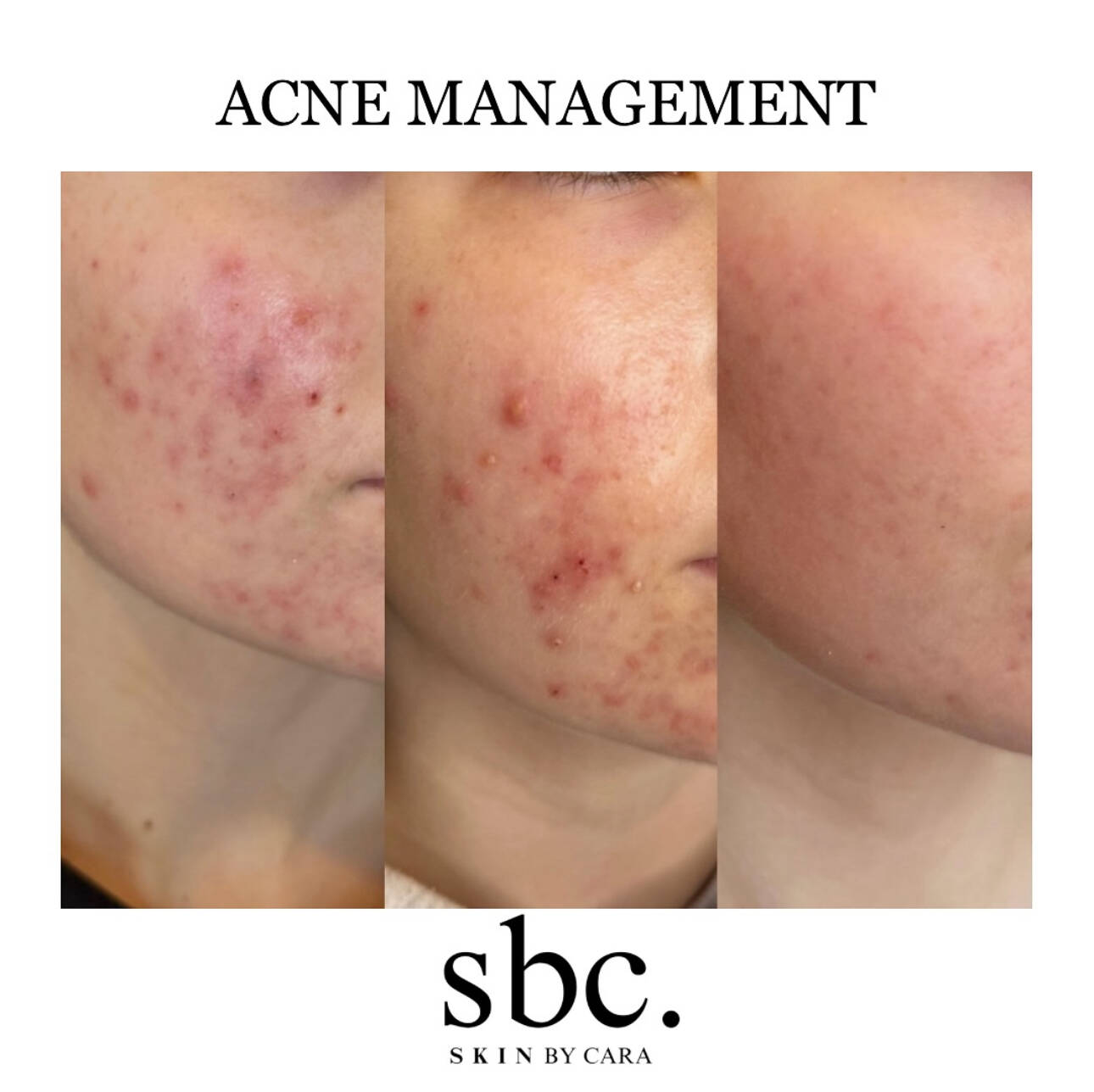
Skin cells have a natural turnover cycle of approximately 28 to 40 days. Consequently, patients must wait at least six to eight weeks of consistent daily application before evaluating whether a topical or systemic acne management regimen is producing a meaningful clinical improvement.
Is it safe to pop or extract inflamed acne lesions at home?
Manual extraction at home is strongly discouraged because applying mechanical pressure ruptures the follicular wall beneath the skin. This pushes bacteria, sebum, and inflammatory debris deeper into the dermis, significantly increasing the risk of worsening infection, permanent scarring, and post-inflammatory hyperpigmentation.
What is the role of professional procedures like chemical peels or laser therapy?
Dermatological procedures serve as adjunctive treatments to medical therapy. Chemical peels containing glycolic or salicylic acid can accelerate exfoliation and reduce comedone counts, while laser and light-based therapies can target C. acnes bacteria and improve the appearance of residual atrophic scars.
Practical Next Actions for Tailored Care
Selecting an appropriate management strategy requires an honest assessment of lesion types, previous treatment responses, and personal lifestyle factors. Patients experiencing mild, non-inflammatory breakouts can initiate a targeted over-the-counter regimen featuring a gentle cleanser, a daily retinoid or salicylic acid treatment, and a non-comedogenic moisturizer.
Individuals struggling with persistent inflammatory papules, deep nodules, or early signs of scarring should schedule a consultation with a board-certified dermatologist. Professional evaluation ensures accurate diagnosis, prevents irreversible skin damage, and provides access to prescription-strength therapies tailored to individual physiological profiles.