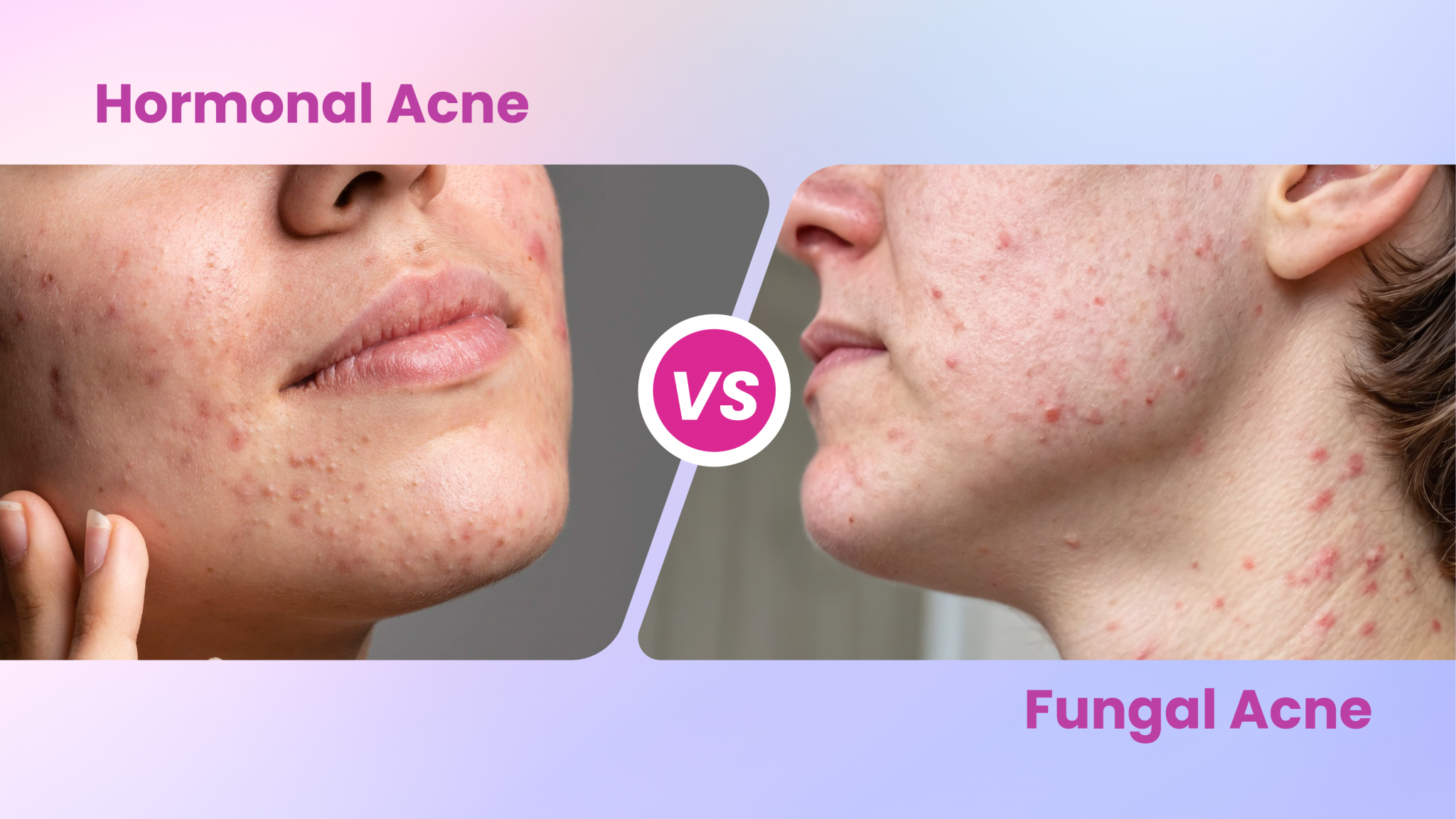
Experiencing a sudden breakout around eight days past ovulation is a common hormonal response driven by a sharp drop in estrogen and a temporary peak in progesterone, which stimulates excess sebum production. Managing this luteal-phase flare-up requires targeted topical treatments, gentle anti-inflammatory skincare adjustments, and consistent habits to balance oil production without disrupting the skin barrier.
Understanding the Luteal Phase and Skin Changes
The menstrual cycle is a complex biological rhythm orchestrated by fluctuating hormones that profoundly influence cutaneous health. The second half of the cycle, known as the luteal phase, begins immediately after ovulation and typically lasts about 14 days. Experiencing acne 8 days past ovulation places you right in the middle of this window, a time when the body undergoes a distinct hormonal shift.
During the first few days post-ovulation, both estrogen and progesterone rise. However, by approximately day eight—often corresponding to the mid-luteal phase—estrogen levels dip while progesterone remains elevated before declining toward the end of the cycle. Progesterone stimulates the sebaceous glands to produce more sebum, an oily substance designed to lubricate the skin. When excess sebum mixes with dead skin cells inside the pores, it creates an ideal environment for Cutibacterium acnes bacteria to thrive, culminating in inflammatory papules, pustules, or deep, tender cysts along the jawline and chin.
Recognizing this internal timeline helps shift your perspective from reactive frustration to proactive management. Instead of treating hormonal breakouts with harsh, drying agents that strip the moisture barrier, understanding the root biological cause allows you to implement preventative measures before the breakout fully surfaces.
Key Physiological Triggers Behind Mid-Luteal Breakouts
Hormonal fluctuations do not act in isolation; they trigger a cascade of cellular events within the pilosebaceous unit. Pinpointing why your skin rebels during this specific window involves examining three primary physiological mechanisms: sebum overproduction, follicular hyperkeratinization, and localized inflammation.
- Progesterone-Induced Sebum Surge: As progesterone peaks and then platews, it directly binds to receptors on sebaceous glands, accelerating lipid production and making the skin noticeably oilier.
- Follicular Hyperkeratinization: Hormonal shifts can cause skin cells inside the pore lining to shed improperly, becoming sticky and fusing together to form microscopic plugs known as microcomedones.
- Bacterial Proliferation and Immune Response: The trapped sebum and dead skin cells create an anaerobic environment where bacteria multiply rapidly, prompting the immune system to send white blood cells to the area, resulting in visible redness, swelling, and pain.
Furthermore, systemic factors such as cortisol—the body's primary stress hormone—frequently spike during the second half of the luteal phase due to premenstrual stress or physiological adjustments. Elevated cortisol further stimulates oil glands and amplifies inflammatory pathways, compounding the likelihood of stubborn blemishes appearing precisely eight days past ovulation.
Targeted Topical Treatments for Luteal Acne
Treating breakouts that appear predictably during the luteal phase requires a shift in your daily skincare formulations. Because these lesions are driven by internal chemistry rather than external dirt, standard foaming cleansers and abrasive physical scrubs will only compromise your skin barrier, leading to increased irritation and prolonged healing times.
| Ingredient | Primary Mechanism | Best Used For | Precautions |
|---|---|---|---|
| Salicylic Acid (BHA) | Exfoliates inside the pore lining and dissolves excess sebum. | Blackheads, whiteheads, and oily T-zones. | Can cause dryness; start with 2% concentration 2-3 times weekly. |
| Benzoyl Peroxide | Kills C. acnes bacteria and reduces acute inflammation. | Inflammatory red pimples and active pustules. | Bleaches fabrics and towels; may cause peeling in sensitive skin. |
| Azelaic Acid | Inhibits bacterial growth and calms post-inflammatory hyperpigmentation. | Sensitive, acne-prone skin and stubborn red marks. | Generally well-tolerated; may cause mild tingling upon initial application. |
| Sulfur | Absorbs excess oil and gently dries out surface blemishes. | Rapid spot treatment for tender, emerging bumps. | Has a distinct mineral odor; can be drying if used excessively. |
Incorporating these active ingredients strategically during the second week of your cycle can help intercept a breakout before it fully erupts. For instance, applying a low-percentage salicylic acid serum or toner starting around day five or six past ovulation can keep pores clear of sticky cellular debris, mitigating the downstream effects of the progesterone surge.
Lifestyle and Dietary Adjustments for Hormonal Balance
While topical treatments manage surface symptoms, supporting your body from within helps moderate the systemic drivers of hormonal acne. Dietary choices and lifestyle habits directly influence insulin levels, systemic inflammation, and androgen activity, all of which interact with your reproductive hormones.
- Blood Sugar Regulation: Diets high in refined carbohydrates and sugary foods cause rapid insulin spikes. Elevated insulin increases the bioavailability of circulating androgens, which in turn signal sebaceous glands to produce more oil. Focus on complex carbohydrates, fiber, and lean proteins to maintain stable glycemic levels.
- Hydration and Anti-Inflammatory Foods: Consuming adequate water supports optimal metabolic clearance. Integrating antioxidant-rich foods, leafy greens, and omega-3 fatty acids from sources like salmon, chia seeds, or walnuts helps dampen systemic inflammatory responses.
- Stress Management: Because cortisol synergizes with progesterone to worsen oil production, integrating mindfulness practices, restorative yoga, or consistent sleep schedules during the luteal phase can measurably reduce stress-induced skin flare-ups.
Consistency is essential when modifying lifestyle habits for skin health. Changes made during the current cycle will often manifest positively in subsequent cycles as your endocrine and integumentary systems adapt to stable nutritional and behavioral patterns.
Establishing a Preventative Skincare Routine
Preventing acne 8 days past ovulation requires a dynamic skincare schedule that shifts alongside your menstrual cycle. During the follicular phase (days 1 to 14), your skin is typically more resilient and less prone to oiliness, making it an ideal time to focus on barrier repair and hydration. As ovulation approaches and passes, your regimen should transition to oil control and gentle chemical exfoliation.
- [Follicular Phase: Days 1-14]
- Focus on hydration, barrier support, and gentle cleansing.
- [Ovulation: Approximately Day 14]
- Introduce preventative BHA or targeted spot treatments.
- [Mid-Luteal Phase: Days 15-22 (Including Day 8 Past Ovulation)]
- Increase anti-inflammatory actives, oil control, and non-comedogenic moisturizers.
- [Late Luteal Phase: Days 23-28]
- Maintain gentle care, avoid picking, and prioritize soothing ingredients like niacinamide.
When structuring this routine, ensure that every product applied—from sunscreens to moisturizers—bears the label "non-comedogenic," meaning it is formulated not to clog pores. Layering lightweight hydrators like hyaluronic acid beneath your oil-control treatments ensures your skin remains adequately moisturized, preventing rebound oil production triggered by dehydration.
Common Mistakes to Avoid When Managing Luteal Breakouts
When sudden blemishes appear, the impulse is often to attack the skin with aggressive measures. However, several common pitfalls frequently worsen the condition, turning a minor mid-cycle breakout into a prolonged inflammatory cycle.
- Over-Cleansing and Stripping: Washing your face more than twice a day or using harsh, stripping cleansers destroys the lipid barrier, prompting the skin to produce even more oil to compensate.
- Aggressive Spot Extraction: Squeezing or picking at tender, hormonal cysts pushes bacteria deeper into the dermis, increasing the risk of permanent scarring and post-inflammatory hyperpigmentation.
- Layering Too Many Actives: Combining retinoids, high-strength acids, and benzoyl peroxide simultaneously leads to chemical burns, severe flaking, and a compromised skin barrier that cannot defend against bacteria.
- Skipping Moisturizer: Believing that oily skin does not need hydration causes individuals to omit moisturizers, leading to a dehydrated skin surface that overproduces sebum.
Avoiding these missteps ensures that your skin remains resilient, allowing active treatments to work effectively without causing collateral damage to surrounding healthy tissue.
When to Consult a Dermatologist
While topical regimens and lifestyle adjustments successfully manage mild to moderate luteal breakouts for many individuals, certain patterns warrant professional medical intervention. If your breakouts are deep, painful, leave behind persistent scars or dark marks, or fail to respond to over-the-counter treatments after two to three menstrual cycles, schedule a consultation with a board-certified dermatologist.
A medical professional can evaluate your skin to determine if prescription-strength interventions are necessary. Options such as topical retinoids, prescription azelaic acid, oral contraceptives, or anti-androgen medications like spironolactone are frequently prescribed to regulate hormonal fluctuations and prevent deep-seated cystic acne. Professional treatments such as chemical peels or extraction procedures performed in a clinical setting can also accelerate healing and minimize long-term textural changes.
Frequently Asked Questions
Why does acne specifically flare up around 8 days past ovulation?
Eight days past ovulation corresponds to the mid-luteal phase, when progesterone levels peak and then begin to shift, stimulating excess sebum production. This oily environment combines with dead skin cells inside the pores, trapping bacteria and triggering inflammatory breakouts.
Can hormonal acne 8 days past ovulation be prevented entirely?
While you cannot eliminate natural hormonal fluctuations, you can prevent severe breakouts by adjusting your skincare routine proactively. Introducing oil-controlling ingredients like salicylic acid or azelaic acid a few days before your expected flare-up window helps keep pores clear.
Should I change my daily moisturizer during the second half of my cycle?
If your skin becomes significantly oilier post-ovulation, you may want to swap a rich, cream-based moisturizer for a lightweight, oil-free gel or lotion labeled non-comedogenic to prevent clogged pores while maintaining hydration.
Are hormonal breakouts different from regular acne?
Hormonal breakouts typically present as deep, tender, inflammatory cysts or papules concentrated around the lower face, jawline, and chin. Regular acne is often more evenly distributed across the face and driven primarily by surface bacteria, dead skin cells, and external pore-clogging agents.
Does diet directly cause acne 8 days past ovulation?
Diet does not directly cause hormonal cycles, but foods with a high glycemic index can spike insulin levels. Elevated insulin increases androgen activity, which amplifies the sebum-producing effects of progesterone during the luteal phase.
Targeted Action Plan for Next Cycle
To take control of your mid-luteal breakouts moving forward, begin by tracking your menstrual cycle accurately using a calendar or mobile application. Identify the exact day you ovulate, and mark day eight past ovulation on your calendar. Five days prior to this marked date, integrate a gentle 2% salicylic acid serum into your evening routine 2 to 3 times a week, ensuring your skin remains well-hydrated with a lightweight, non-comedogenic moisturizer. If stubborn breakouts persist despite these consistent, barrier-friendly adjustments, consult a qualified dermatologist to explore personalized prescription therapies tailored to your hormonal profile.