Navigating an anterior cruciate ligament (ACL) tear often leaves patients feeling overwhelmed by complex surgical options, variable recovery timelines, and conflicting medical advice, creating a state where individuals genuinely feel lost and uncertain about their next steps.
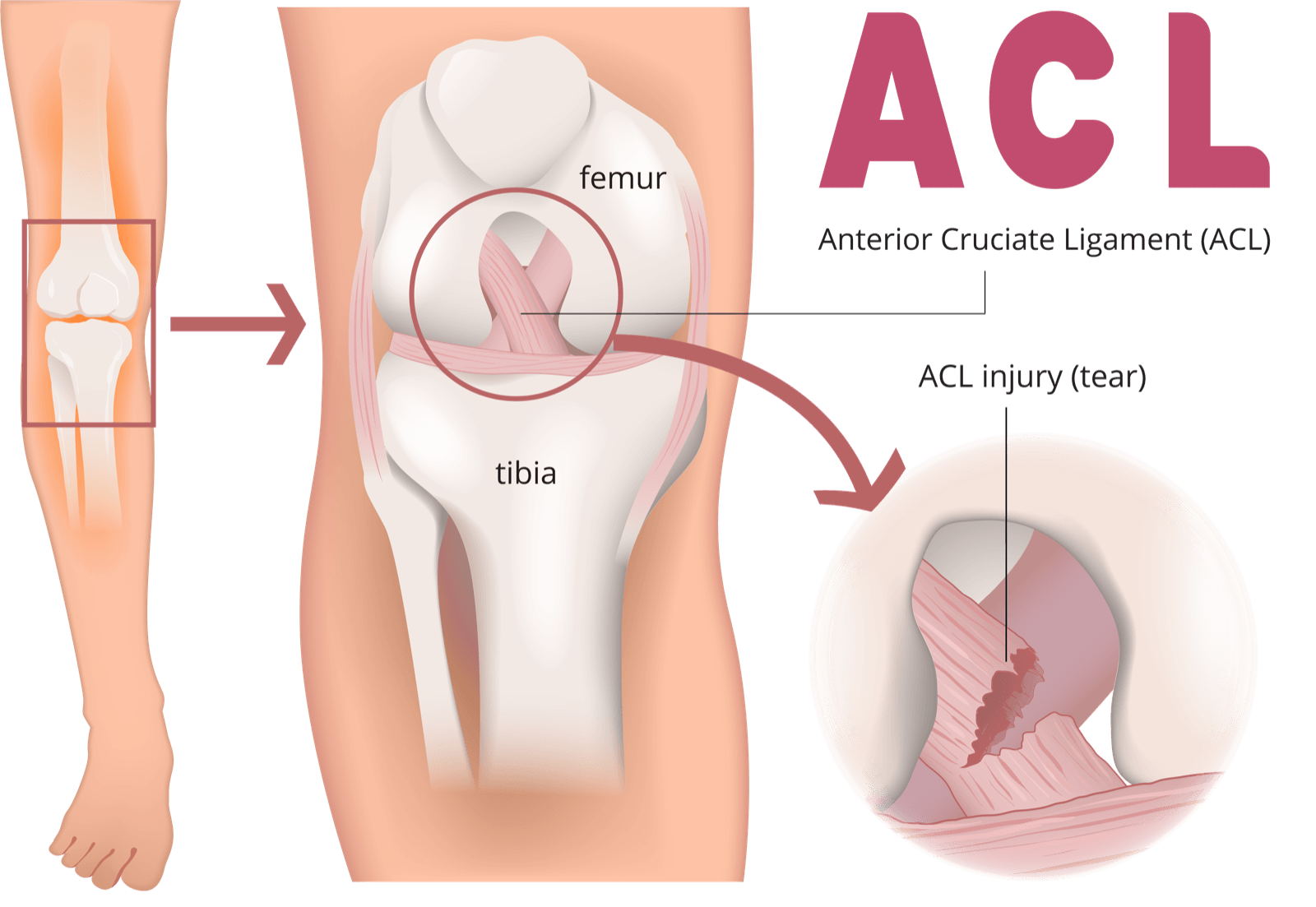
When an individual experiences a severe knee injury, medical professionals frequently diagnose a tear of the anterior cruciate ligament, one of the primary stabilizing bands of tissue connecting the femur to the tibia. For many patients, the immediate aftermath of this diagnosis involves a bewildering array of medical terminology, diagnostic imaging reports, and treatment pathways that can provoke a sense of helplessness, often colloquially expressed as a feeling of confusion or not knowing what to do next. Addressing this uncertainty requires a methodical breakdown of anatomical facts, diagnostic procedures, surgical versus non-surgical intervention strategies, and structured rehabilitation protocols.
The Anatomy and Mechanics of an ACL Injury
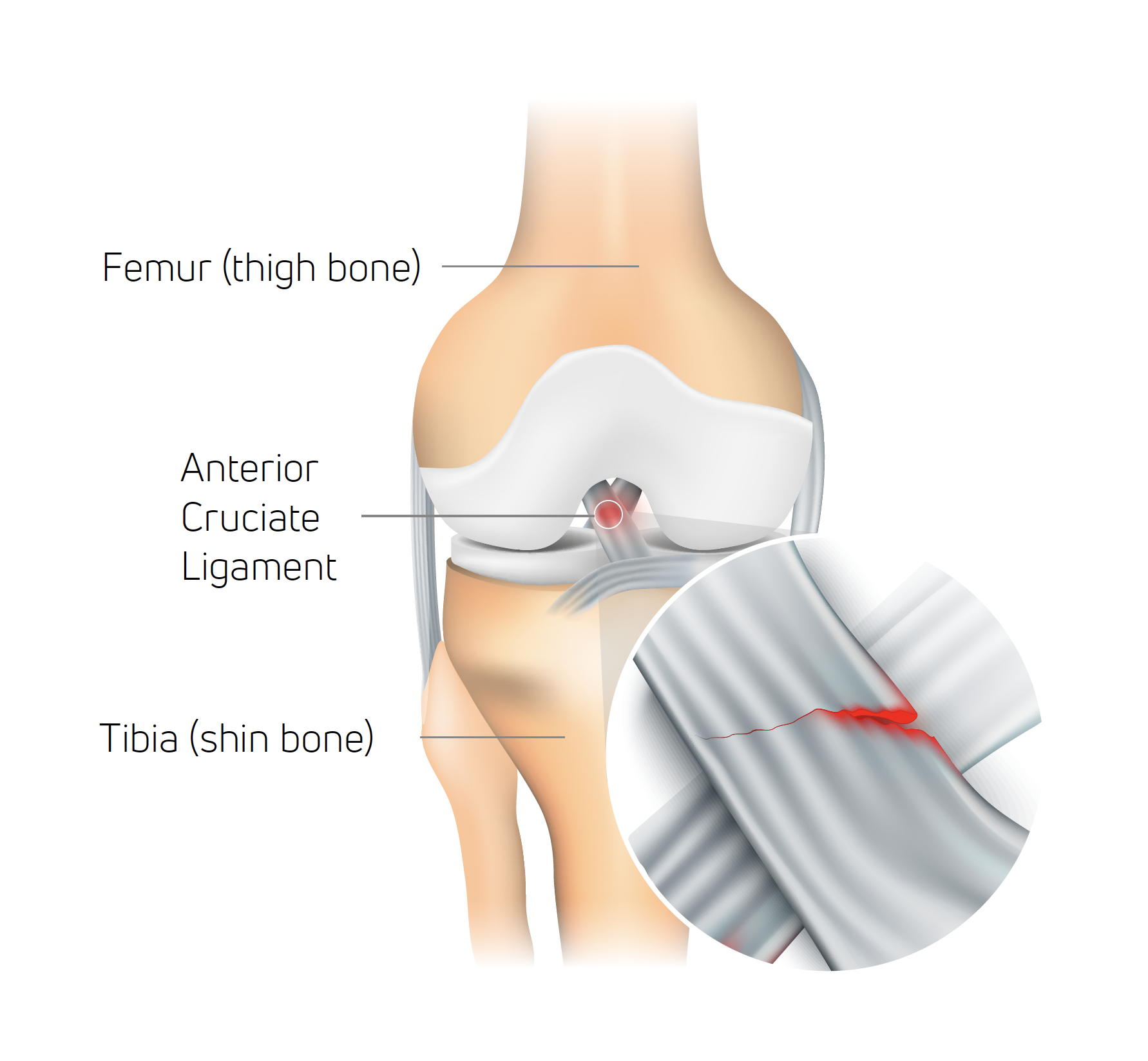
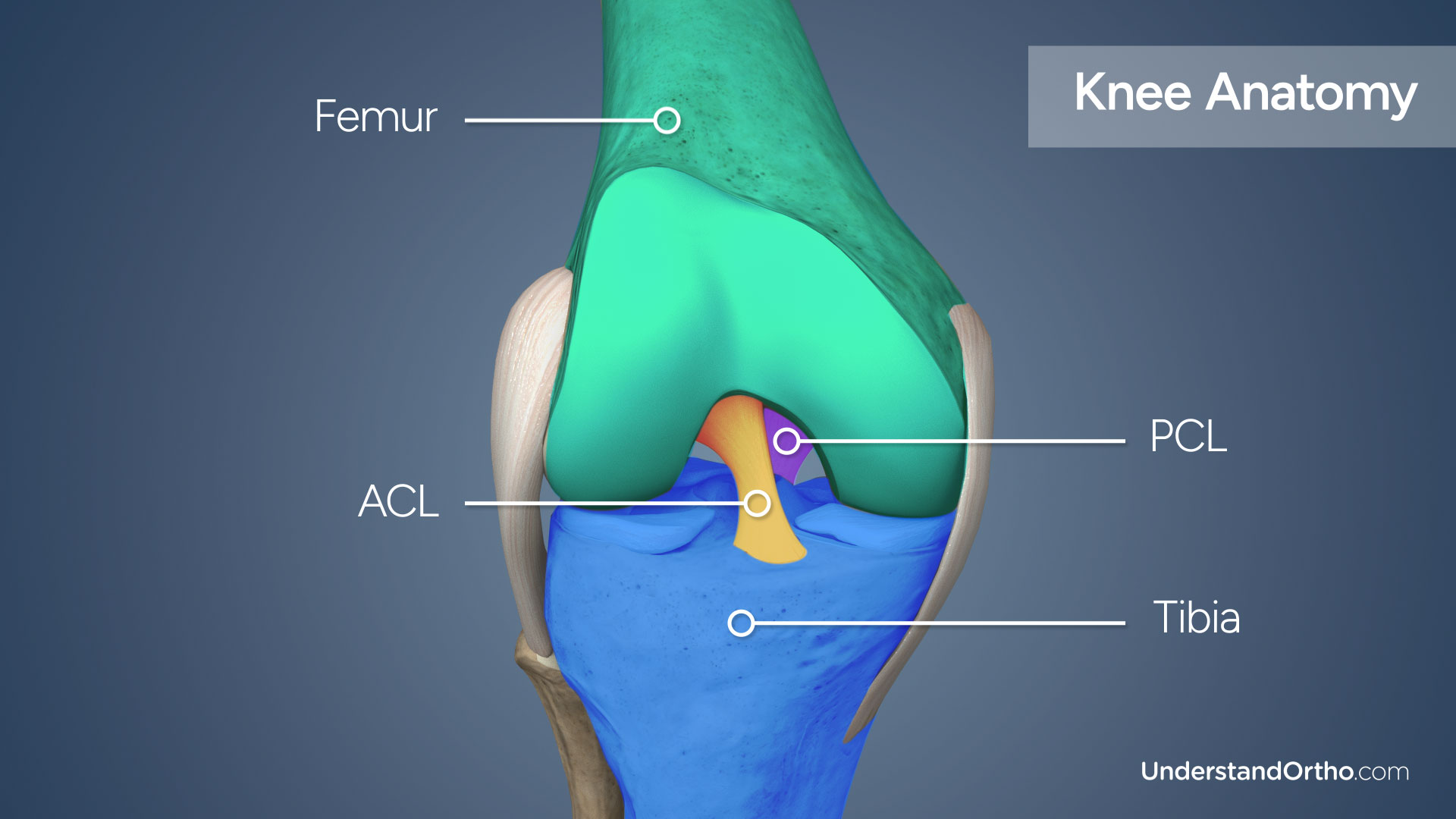
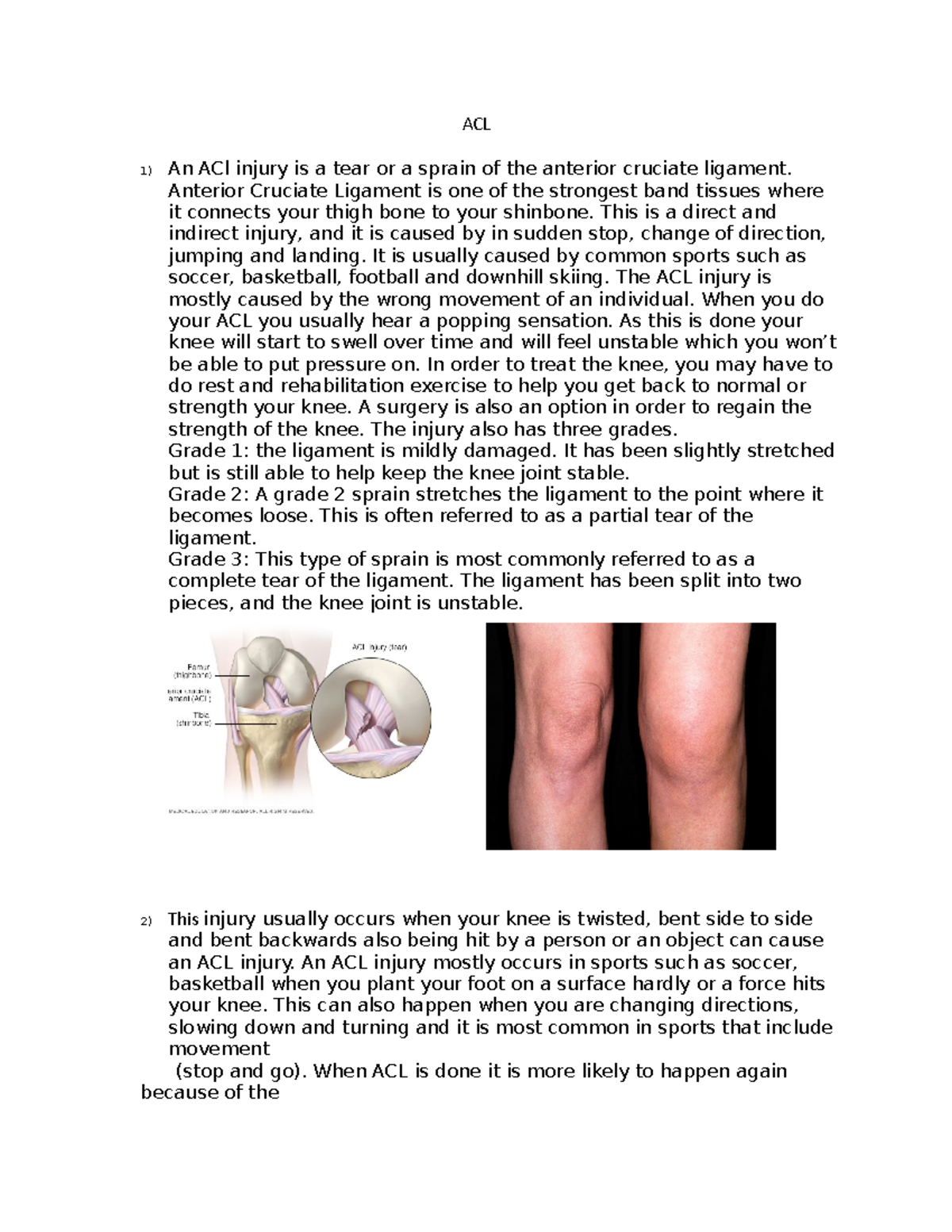
The anterior cruciate ligament functions as a critical stabilizer within the knee joint, preventing the tibia from sliding too far forward relative to the femur and providing rotational stability during athletic or daily movements.
Understanding how the injury occurs helps demystify the initial diagnosis. Most ACL tears do not result from direct contact to the knee; instead, they typically occur during non-contact deceleration maneuvers, sudden pivots, awkward landings from a jump, or abrupt changes in direction. When these movements place excessive rotational strain on the joint beyond the tensile strength of the ligament, fibers stretch and snap. Patients frequently report hearing or feeling a distinct "pop" in the knee, followed immediately by rapid joint swelling, acute pain, and a profound sensation of knee instability or giving out.
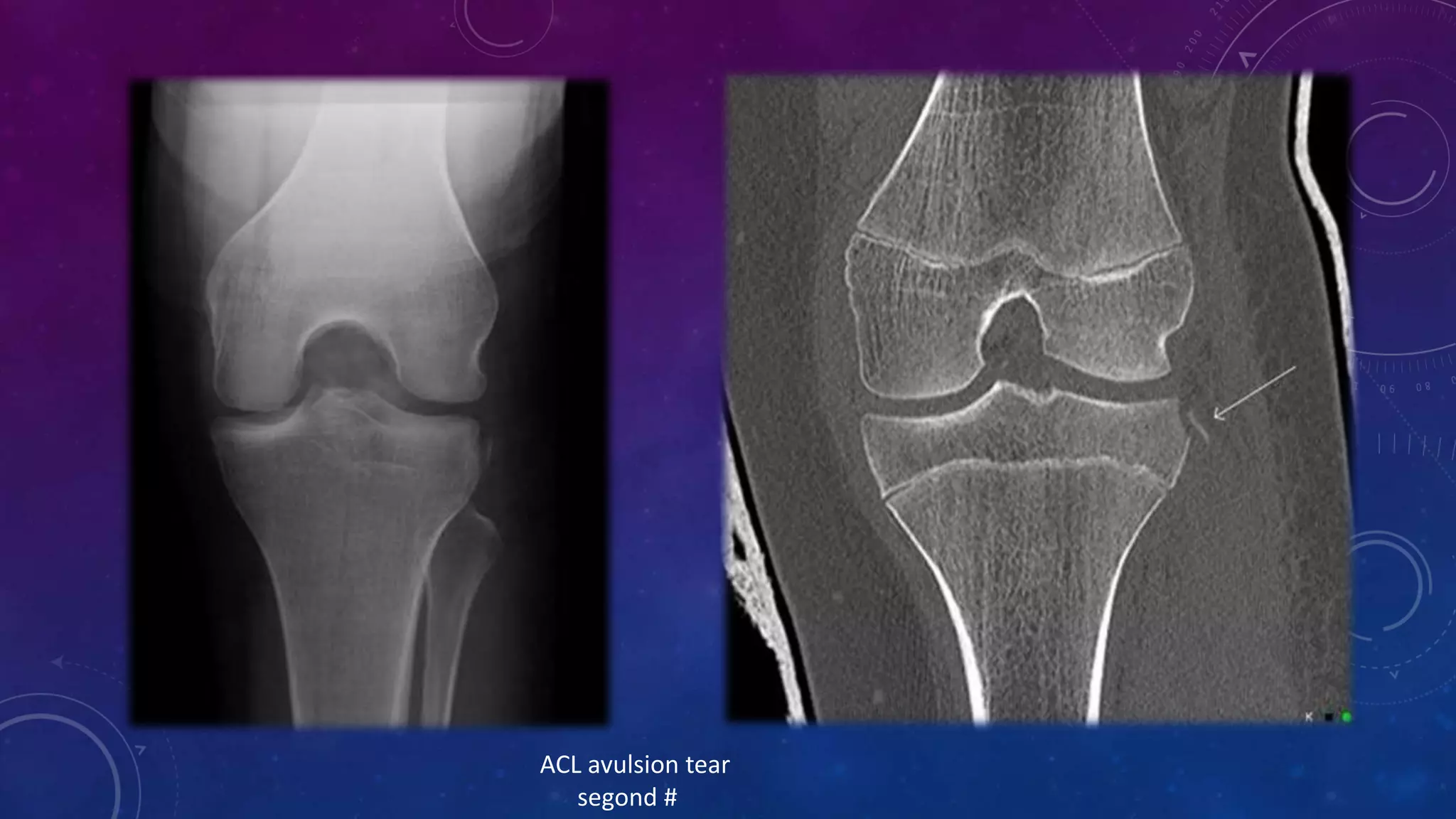
Diagnostic confirmation typically involves a combination of physical examinations, such as the Lachman test and the pivot-shift test performed by an orthopedic specialist, alongside high-resolution magnetic resonance imaging (MRI). The MRI provides definitive visualization of the extent of the tear, identifying whether it is a partial or complete rupture, and checking for concomitant damage to the meniscus, articular cartilage, or collateral ligaments.
Weighing Treatment Paths: Reconstruction Versus Rehabilitation
Once the diagnostic phase concludes, the primary decision centers on whether to pursue surgical reconstruction or a conservative, non-surgical rehabilitation program, depending on the patient's lifestyle, age, and activity goals.
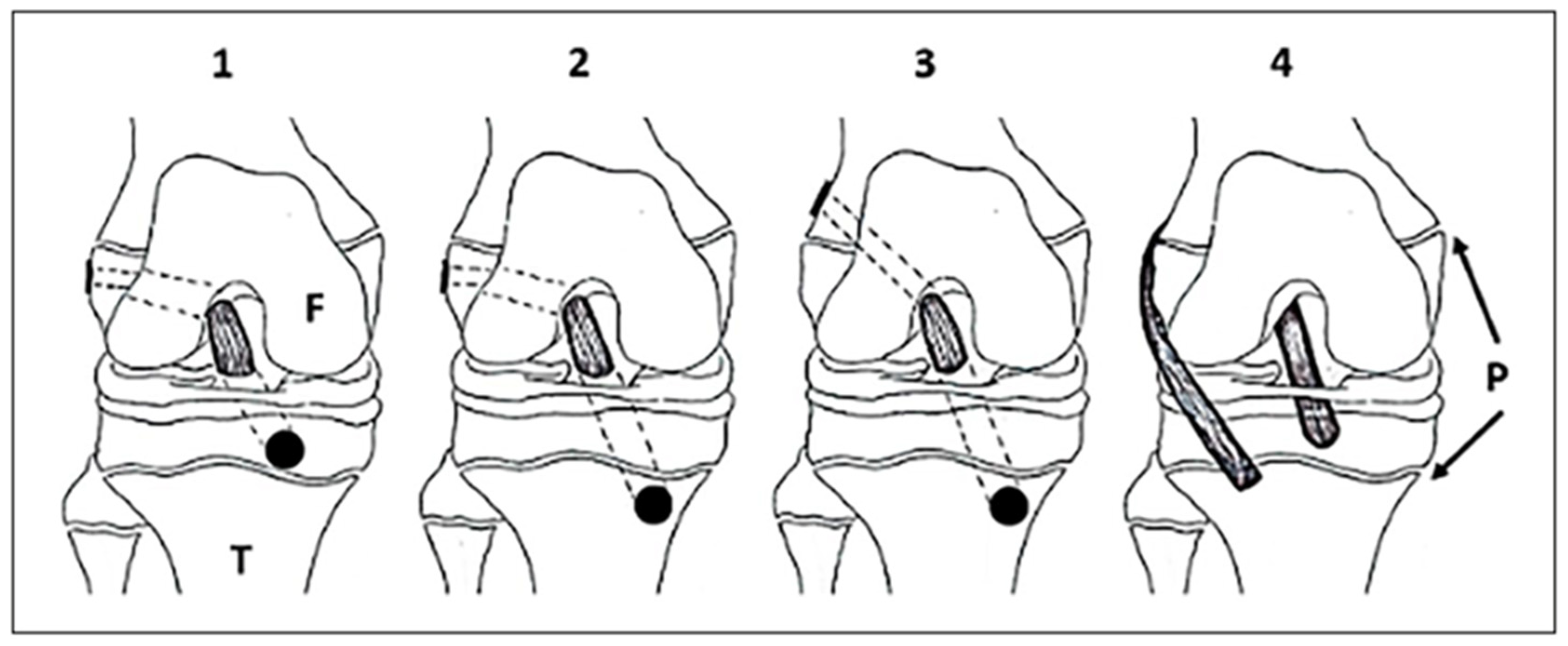
Patients with high physical demands, such as competitive athletes or individuals whose occupations require heavy labor and pivoting movements, are generally advised to undergo surgical reconstruction. Because the avascular nature of the ACL prevents it from healing on its own, surgery involves replacing the torn ligament with a tissue graft, which can be harvested from the patient's own body (an autograft, such as a patellar tendon or hamstring tendon graft) or sourced from a donor tissue bank (an allograft).
Conversely, conservative management may be appropriate for sedentary individuals, older adults, or those with partial tears who do not experience symptomatic joint instability during their daily routines. This approach focuses intensely on physical therapy to strengthen the surrounding musculature—particularly the quadriceps and hamstrings—to compensate for the absence of the ligament.
| Treatment Approach | Primary Advantages | Potential Risks and Drawbacks | Typical Recovery Timeline |
|---|---|---|---|
| Surgical Reconstruction (Autograft) | High restoration of joint stability; lower long-term risk of graft failure; natural tissue integration. | Donor site morbidity; prolonged recovery; surgical risks including infection and stiffness. | 9 to 12 months for full return to pivoting sports |
| Surgical Reconstruction (Allograft) | Avoids harvesting trauma from the patient's body; shorter initial surgical recovery. | Potential risk of slower biological integration; risk of disease transmission (though extremely low). | 9 to 12 months, subject to graft incorporation |
| Conservative Rehabilitation | Avoids surgery and anesthesia; lower upfront costs; immediate focus on daily mobility. | Persistent joint instability; increased cumulative risk of secondary meniscal and cartilage damage. | 3 to 6 months for baseline functional recovery |
Navigating the Rehabilitation Process and Recovery Realities
No matter which path a patient selects, structured physical therapy forms the absolute cornerstone of regaining full knee function and preventing long-term joint degeneration.
The rehabilitation timeline is demanding, often stretching across nearly a full year for surgical patients. The initial post-operative phase prioritizes controlling inflammation, restoring full passive extension of the knee, and gently reactivating the quadriceps muscles. As weeks progress, physical therapy transitions into progressive resistance training, neuromuscular control exercises, balance drills, and eventual sport-specific agility training.
A frequent mistake made by recovering individuals is returning to high-impact activities prematurely simply because the pain has subsided. True functional readiness is determined through rigorous objective criteria, including limb symmetry indices, hop tests, and strength assessments that verify the reconstructed knee matches the strength and stability of the uninjured limb. Premature return to play significantly escalates the risk of re-rupture or contralateral injury.
Psychological Hurdles and Long-Term Joint Health
Beyond the physical mechanics of healing, patients frequently struggle with the mental barrier of trusting their knee again after a traumatic injury.
Kinesiophobia, or the fear of reinjury, is a well-documented psychological obstacle that can impede athletic performance and delay full social and physical reintegration. Addressing this aspect often requires open communication with sports psychologists, physical therapists, and peers who have successfully navigated the same recovery journey.
Furthermore, patients must consider the long-term implications of joint trauma. Even with successful surgical reconstruction and diligent rehabilitation, individuals who suffer an ACL tear carry an elevated lifetime risk of developing post-traumatic osteoarthritis in the affected knee compared to those who never sustained the injury. Maintaining a healthy body weight, engaging in low-impact conditioning, and prioritizing ongoing joint-strengthening exercises help mitigate this long-term risk.
Taking Action After an ACL Diagnosis
For individuals currently grappling with a fresh knee injury or an ambiguous diagnosis, the most productive immediate action is to secure a formal evaluation by a board-certified orthopedic surgeon specializing in sports medicine. Avoid self-diagnosing based on online forums or anecdotal advice, as every knee injury presents a unique set of structural considerations. Compile a list of specific questions regarding your functional goals, daily lifestyle requirements, and timeline constraints before your consultation to ensure your treatment plan aligns with your personal needs.