Finding rapid relief from acid reflux using natural remedies involves neutralizing stomach acid, accelerating gastric emptying, and protecting the esophageal mucosa from irritation. Dietary adjustments, targeted herbal infusions, and precise postural changes can significantly reduce acute symptoms without immediate reliance on pharmaceutical interventions.
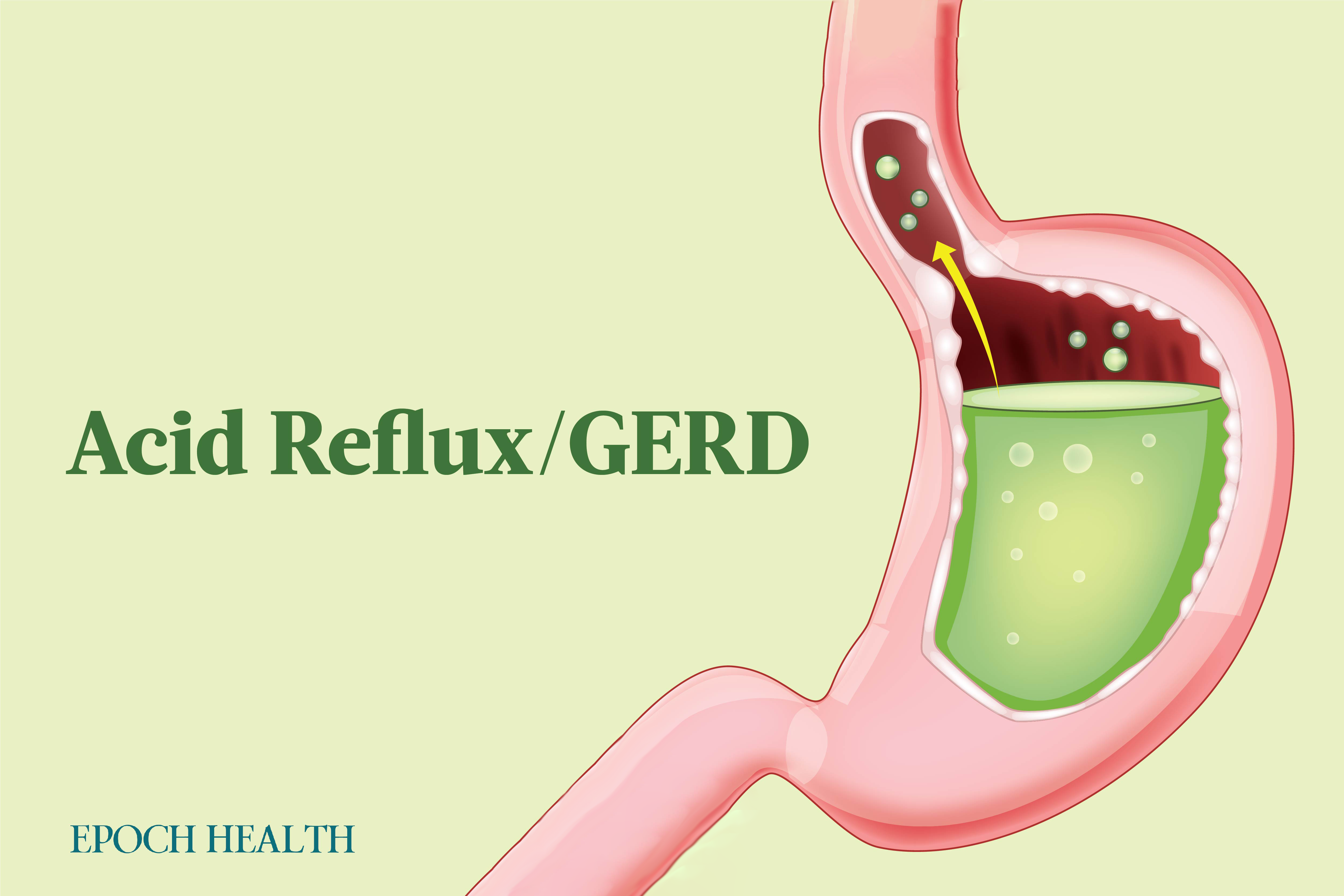
Acid reflux occurs when stomach acid flows backward into the esophagus, irritating its lining and causing a burning sensation commonly known as heartburn. While chronic symptoms may indicate gastroesophageal reflux disease (GERD), acute flare-ups frequently respond to accessible, non-pharmacological interventions. Understanding how to manage these episodes quickly helps mitigate discomfort and prevents potential long-term damage to the esophageal tissue.
Understanding the Mechanics of Acid Reflux
The lower esophageal sphincter (LES) is a ring of muscle acting as a valve between the esophagus and the stomach. Normally, this valve opens to allow food to enter the stomach and closes tightly to prevent digestive juices from escaping. When the LES relaxes inappropriately or weakens, gastric contents ascend into the esophagus.
Several physiological and lifestyle factors contribute to this malfunction. Overeating, consuming high-fat meals that delay gastric emptying, and lying down too soon after a meal place excessive pressure on the LES. Furthermore, certain anatomical conditions, such as a hiatal hernia, can impair the mechanical barrier provided by the diaphragm and the LES. Recognizing these underlying triggers allows individuals to select the most appropriate intervention for acute relief.
Immediate Postural Adjustments for Rapid Relief
When an acute episode of acid reflux strikes, physical positioning offers the fastest method for reducing symptoms. Gravity serves as an immediate ally when managing backward acid flow.
- Remain Upright: Sit straight or stand up immediately. Avoid slouching, which compresses the abdomen and forces gastric contents upward.
- Elevate the Head During Rest: If resting is necessary, elevate the upper body using a wedge pillow or adjustable bed frame to raise the head and torso by at least 6 to 9 inches. Simply adding more pillows is insufficient because it bends the body at the waist, increasing intra-abdominal pressure.
- Sleep on the Left Side: Clinical observations and anatomical studies indicate that sleeping on the left side keeps the gastric junction above the level of gastric acid, significantly reducing reflux episodes compared to sleeping on the right side.
Dietary and Beverage Interventions to Neutralize Acid
Consuming specific food and beverage items can dilute stomach acid or provide a protective coating over the irritated esophageal lining. These remedies focus on immediate chemistry and soothing inflammation.
Baking soda, or sodium bicarbonate, acts as a potent antacid. Dissolving half a teaspoon of baking soda in a full glass of water creates an alkaline solution that neutralizes stomach acid quickly. However, individuals with high blood pressure or those on sodium-restricted diets must use this remedy cautiously due to its high sodium content.
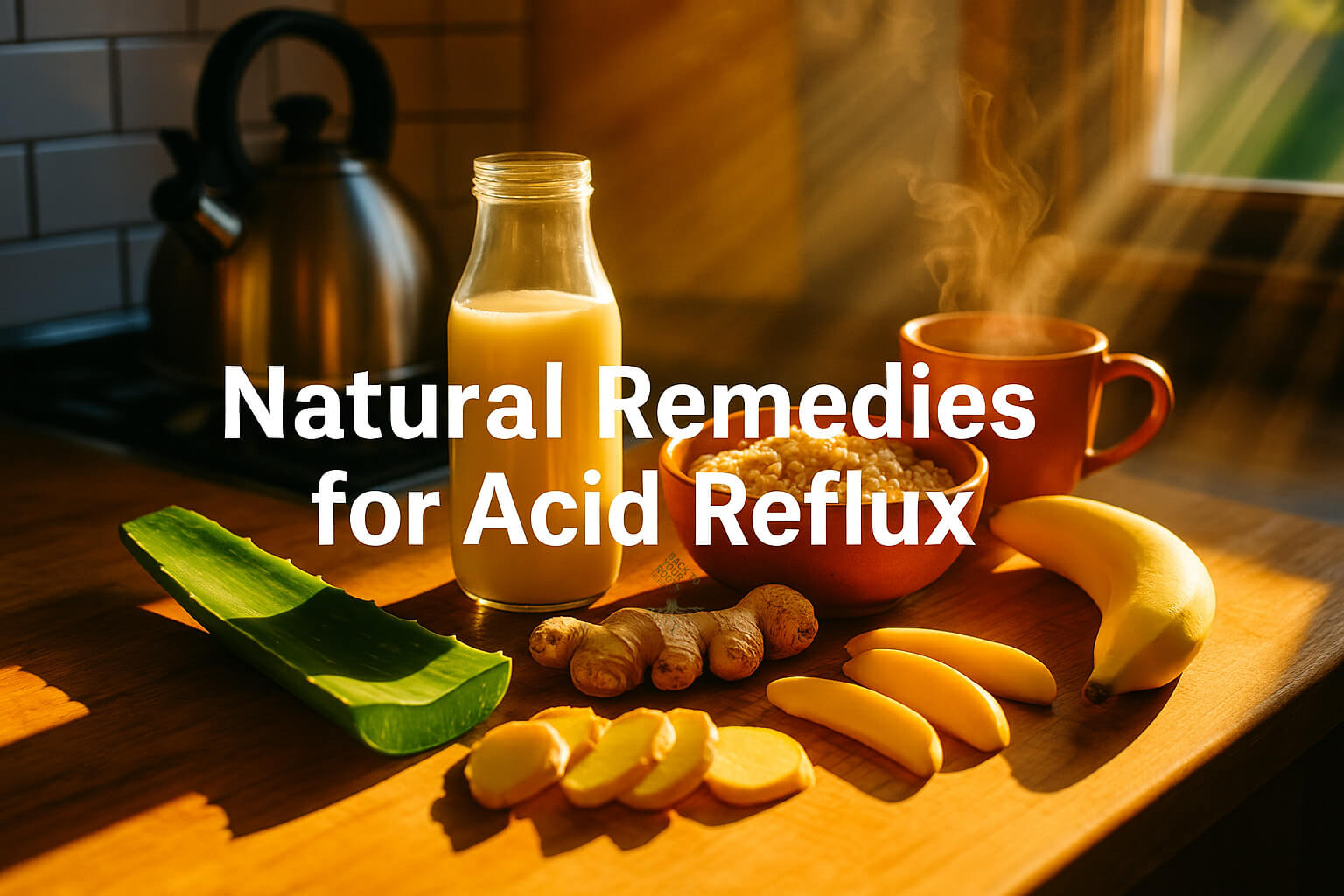
Aloe vera juice, derived from the inner leaf of the plant, possesses anti-inflammatory properties that can soothe an irritated esophagus. Consuming a small quantity—approximately a quarter-cup—before meals may reduce esophageal inflammation. It is essential to select commercial aloe vera preparations specifically formulated for internal consumption and free of anthraquinones, which act as strong laxatives.
Ginger root has long been utilized for gastrointestinal distress. Ginger tea promotes gastric emptying and possesses anti-inflammatory properties that calm the digestive tract. Steep freshly sliced ginger root in hot water for ten minutes to create a soothing beverage that aids digestion and minimizes pressure on the LES.
Comparing Natural Remedies for Acid Reflux
Choosing the right natural remedy depends on the speed of relief required, underlying health conditions, and personal tolerance. The following table compares common natural interventions for acute acid reflux.
| Remedy | Mechanism of Action | Speed of Relief | Cautions and Contraindications |
|---|---|---|---|
| Baking Soda and Water | Neutralizes stomach acid chemically. | Immediate (1–5 minutes) | High sodium content; unsuitable for low-sodium diets or hypertension. |
| Left-Side Sleeping | Uses gravity to keep gastric acid below the LES. | Fast (upon positioning) | None physically, though habit adjustment may be required. |
| Ginger Tea | Accelerates gastric emptying and reduces inflammation. | Moderate (10–20 minutes) | High doses may cause mild heartburn or interact with blood thinners. |
| Aloe Vera Juice | Coats and soothes the irritated esophageal lining. | Moderate (15–30 minutes) | Must be decolorized; laxative effects if whole-leaf extract is used. |
| Apple Cider Vinegar | Believed by proponents to stimulate acid production for closure. | Variable | Lacks robust clinical support; can erode tooth enamel if undiluted. |
Herbal Teas and Botanical Supports
Beyond ginger, several botanical preparations offer relief by supporting mucosal healing and digestion. Chamomile tea is widely consumed for its calming effects, which extend to the gastrointestinal tract. It can help relax the smooth muscles of the digestive system and reduce stress-induced acid production.
Licorice root, specifically deglycyrrhizinated licorice (DGL), is another traditional remedy. DGL stimulates the production of protective mucus in the stomach and esophagus. Unlike standard licorice root, DGL has had glycyrrhizin removed, making it safer for long-term use because it does not typically cause elevated blood pressure or potassium depletion.
Common Mistakes When Treating Reflux Naturally
While natural remedies are generally safe, improper application can worsen symptoms or introduce new health risks. Avoiding common pitfalls ensures safer and more effective management.
One frequent error is relying on apple cider vinegar without understanding individual triggers. While some alternative health proponents suggest that acid reflux stems from low stomach acid, consuming acidic liquids during an acute inflammatory flare-up often exacerbates mucosal burning.
Another mistake is overconsuming peppermint or spearmint. Although mint is traditionally used for general indigestion, it relaxes the lower esophageal sphincter, potentially worsening acid reflux rather than helping it.
Finally, individuals frequently fail to address the root causes of chronic reflux, treating only the symptoms while continuing to consume high-fat, spicy, or caffeinated trigger foods.
Long-Term Lifestyle Adjustments for Prevention
While acute remedies provide necessary comfort, preventing future episodes requires sustained lifestyle modifications. Maintaining a healthy body weight reduces intra-abdominal pressure, which is a primary mechanical driver of LES relaxation.
Dietary modification remains foundational. Identifying and eliminating personal trigger foods—such as citrus fruits, tomatoes, chocolate, caffeine, alcohol, and fatty meals—prevents the biochemical triggers of reflux. Furthermore, eating smaller, more frequent meals rather than large portions prevents the stomach from overstending.
Tobacco cessation is also critical. Nicotine relaxes the lower esophageal sphincter and impairs salivary production, which normally helps neutralize acid that reaches the esophagus.
Frequently Asked Questions
What is the fastest natural way to stop acid reflux?
The fastest natural intervention is postural adjustment combined with neutralizing fluids. Standing upright or sitting straight uses gravity to keep stomach contents down. Drinking a mixture of half a teaspoon of baking soda in water neutralizes stomach acid within minutes.
Does apple cider vinegar help or hurt acid reflux?
Evidence regarding apple cider vinegar is largely anecdotal. While some believe it helps by increasing stomach acidity to signal the LES to close, consuming vinegar during an acute flare-up frequently irritates the inflamed esophageal lining and worsens burning sensations.
Can drinking water dilute stomach acid enough to stop heartburn?
Drinking a glass of water can help clear acid from the esophagus and temporarily dilute stomach acid contents near the LES. However, drinking excessive amounts of water all at once can distend the stomach and potentially increase pressure on the sphincter, so moderate sips are recommended.
Why does sleeping on the left side reduce acid reflux?
Anatomically, the stomach sits on the left side of the abdominal cavity. When a person sleeps on their left side, the gastric junction is positioned above the level of gastric acid, making it mechanically difficult for fluids to cross the lower esophageal sphincter.
When should I see a doctor for acid reflux?
Seek professional medical evaluation if you experience frequent acid reflux more than twice a week, difficulty or pain when swallowing, unexplained weight loss, persistent vomiting, or black, tarry stools, as these may indicate severe complications or conditions requiring prescription intervention.
Implementing Your Relief Plan
To achieve consistent relief, start by adopting immediate postural changes during flare-ups, such as sitting upright or resting on your left side. Integrate safe, mild remedies like ginger tea or diluted baking soda only as needed for acute discomfort. If symptoms persist despite lifestyle adjustments and natural interventions, consult a qualified healthcare provider to rule out underlying medical conditions and receive an individualized treatment plan.