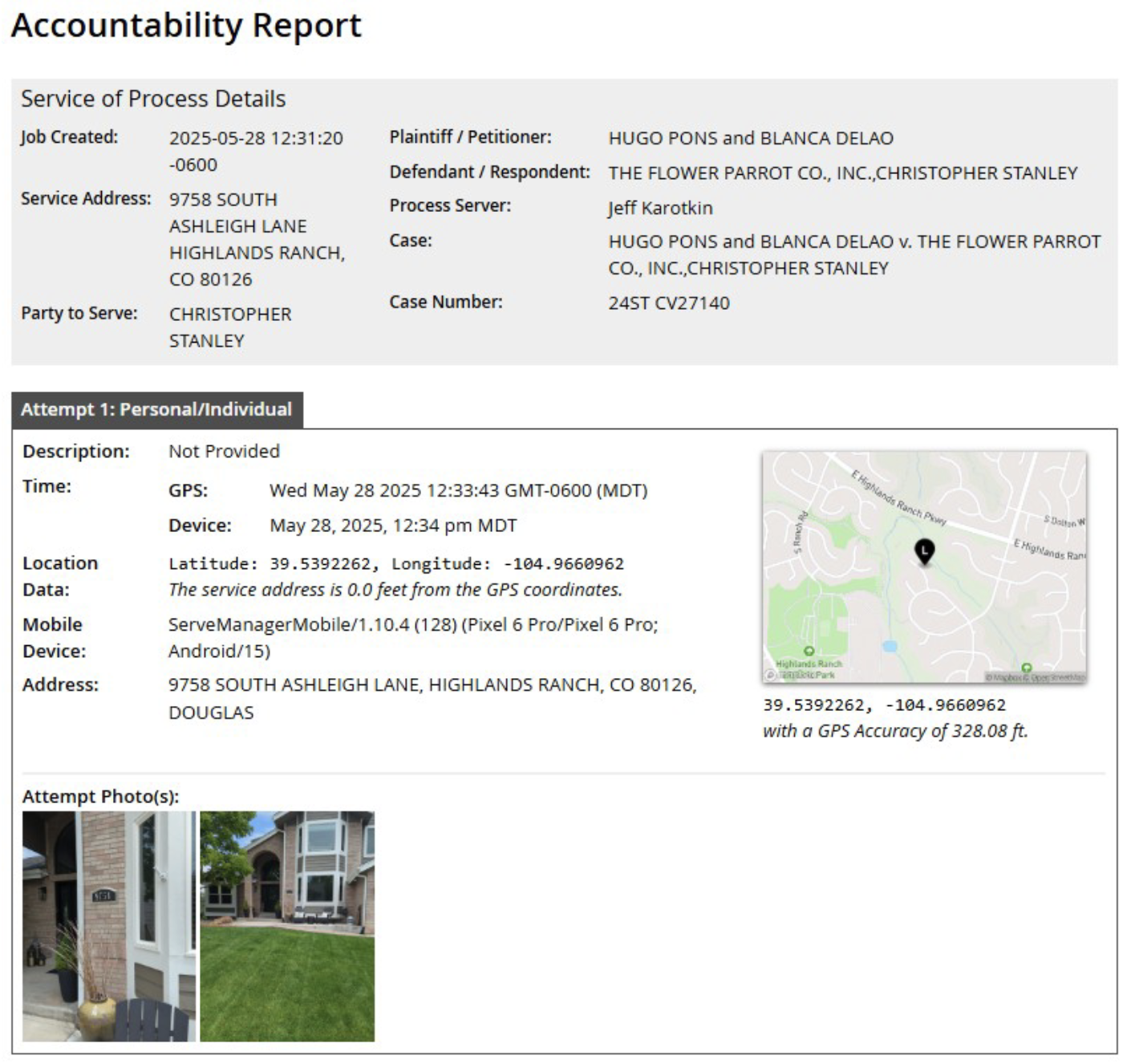
Accountability reporting is the systematic process by which an organization discloses its performance, ethical conduct, and resource management to its stakeholders. It serves as a vital mechanism for transparency, moving beyond traditional financial statements to include environmental, social, and governance (ESG) impacts, ensuring that entities are held responsible for their stated goals and societal obligations.
Accountability reporting has evolved from a voluntary "good-to-have" corporate social responsibility activity into a rigorous, mandatory framework for global business operations. In 2026, the landscape of reporting is defined by a convergence of international standards and a demand for high-fidelity data that satisfies investors, regulators, and the public alike. This guide explores the core components, regulatory requirements, and strategic implementation of modern accountability reporting.
The Strategic Importance of Transparency
The shift toward comprehensive accountability reporting is driven by the recognition that financial health is inextricably linked to non-financial performance. Organizations that fail to report accurately on their operational impacts face significant risks, including capital flight, regulatory penalties, and reputational damage. Conversely, robust reporting fosters an environment of trust and stability.
By 2026, stakeholders—ranging from institutional investors to retail consumers—utilize accountability reports to assess the long-term viability of a company. These reports provide a window into the organization’s risk management strategies, specifically regarding climate change, supply chain ethics, and labor practices. When a company documents its progress (and its failures) with honesty, it demonstrates a level of maturity that attracts more stable, long-term investment.
Furthermore, internal accountability reporting serves as a management tool. It forces departments to break down silos and share data, leading to better-informed strategic decisions. When every level of an organization knows that their performance will be publicly or internally scrutinized through standardized reporting, it naturally aligns individual actions with the broader corporate mission.
Global Frameworks and Regulatory Standards
The fragmentation of reporting standards that characterized the early 2020s has largely been resolved through the work of international bodies. In 2026, most organizations adhere to a few dominant frameworks that provide a "common language" for accountability.
The IFRS Sustainability Disclosure Standards
The International Sustainability Standards Board (ISSB), under the IFRS Foundation, has established S1 (General Requirements) and S2 (Climate-related Disclosures) as the global baseline. These standards require companies to disclose how sustainability-related risks and opportunities affect their cash flows and access to finance. The technical depth of these reports requires integrated thinking, combining financial accounting with environmental science.
The Corporate Sustainability Reporting Directive (CSRD)
For organizations operating within the European Union, the CSRD is the primary regulatory driver. As of 2026, even many non-EU companies with significant European turnover must comply. The CSRD introduced the concept of double materiality, which is a cornerstone of modern accountability. It requires companies to report not only on how sustainability issues affect their business but also on how their business impacts people and the environment.
The Global Reporting Initiative (GRI)
While the ISSB focuses on the investor perspective, the GRI remains the gold standard for reporting on an organization’s impact on the economy, environment, and people for a broader set of stakeholders. Many organizations in 2026 use a "building block" approach, using ISSB standards for financial materiality and GRI for impact materiality.
Core Components of an Effective Accountability Report
A high-quality accountability report is more than a collection of data points; it is a narrative supported by evidence. To be effective, it must contain several critical elements that allow for year-over-year comparison and verification.
- Governance Structure: The report should clearly outline who is responsible for oversight. This includes the role of the board of directors in managing sustainability risks and the specific committees tasked with auditing non-financial data.
- Materiality Assessment: This is the process of identifying which issues are most important to the organization and its stakeholders. A transparent report explains the methodology used to determine "what matters," including the stakeholders consulted during the process.
- Metrics and Targets: Qualitative claims must be backed by quantitative data. This includes Greenhouse Gas (GHG) emissions (Scopes 1, 2, and 3), diversity and inclusion statistics, and safety incident rates. Each metric should be accompanied by a target, showing whether the company is on track to meet its long-term commitments.
- Risk Management: Reporting must detail the processes used to identify, assess, and manage risks. In 2026, this increasingly includes "stress testing" business models against various climate and economic scenarios.
- External Assurance: To prevent "greenwashing," or the practice of making misleading environmental claims, reports should include an assurance statement from an independent third party.
The Implementation Roadmap
Implementing a robust accountability reporting system is a multi-year journey that requires cross-functional collaboration. Organizations often struggle with data silos, where environmental data sits in one department and labor data sits in another.
Step 1: Alignment and Education
The first step is ensuring that the executive leadership understands that accountability reporting is a legal and financial necessity, not an optional marketing exercise. This involves educating the board on relevant 2026 regulations and the specific frameworks (like ISSB or CSRD) that apply to the organization.
Step 2: Gap Analysis
Organizations must assess their current data collection capabilities against the requirements of their chosen framework. This gap analysis often reveals that while financial data is highly disciplined, non-financial data—such as supply chain carbon footprints or employee turnover by demographic—is fragmented or unverified.
Step 3: Data Integration and Software Deployment
In 2026, manual spreadsheets are no longer sufficient for the complexity of accountability reporting. Leading firms utilize integrated ESG reporting software that connects directly to ERP (Enterprise Resource Planning) systems. This allows for real-time monitoring of metrics and creates a clear "audit trail" that external assurance providers can follow.
Step 4: Drafting and Verification
Once the data is collected, the report is drafted to balance technical precision with readability. Before publication, it undergoes a period of internal audit, followed by external verification. This verification is essential for compliance with 2026 regulations, which often mandate at least "limited assurance" for sustainability disclosures.
Comparing Reporting Perspectives
The approach to accountability reporting can vary significantly depending on the intended audience and the specific goals of the organization. The following table compares the two primary perspectives in 2026.
| Feature | Financial Accountability Reporting | Sustainability/Impact Reporting |
|---|---|---|
| Primary Audience | Shareholders, Lenders, Regulators | Investors, Employees, Customers, NGOs |
| Focus Area | Profitability, Liquidity, Solvency | Carbon Footprint, Labor Rights, Ethics |
| Primary Standard | IFRS / GAAP | GRI / ISSB / ESRS |
| Materiality | Financial (Impact on the company) | Double (Company impact + Societal impact) |
| Reporting Cycle | Quarterly / Annually | Annually |
| Data Type | Historical Currency Units | Mixed (CO2e, %, Ratio, Narrative) |
| Legal Standing | Strictly Mandated | Mandated for large/listed entities |
Verification and the Role of Assurance
In 2026, the credibility of an accountability report hinges on third-party verification. As reporting standards have become more complex, the role of the auditor has expanded. Auditors no longer just look at the books; they examine the systems used to collect environmental and social data.
There are two levels of assurance commonly used:
- Limited Assurance: This is the current baseline for many ESG reports. The auditor performs a "negative assurance" check, stating that they found no evidence that the information is incorrect. It involves less testing than a full audit.
- Reasonable Assurance: This is the same level of rigor applied to financial statements. The auditor performs a "positive assurance" check, providing a high level of confidence that the report is accurate in all material respects.
By 2026, regulatory bodies like the International Auditing and Assurance Standards Board (IAASB) have standardized the requirements for sustainability assurance through the International Standard on Sustainability Assurance (ISSA) 5000. This ensures that a "verified" report in one jurisdiction meets the same quality bar as a report in another.
Common Pitfalls to Avoid
Even with the best intentions, organizations can fall into traps that undermine their reporting efforts. One major mistake is "selective reporting," where a company highlights its successes while omitting its failures. In the age of social media and investigative journalism, these omissions are often discovered, leading to severe reputational backlash.
Another common issue is the lack of "comparability." If a company changes its data collection methodology every year without restating prior year figures, stakeholders cannot track progress. Consistency is essential for accountability. Finally, many companies fail to link their reporting to their core strategy. A report should explain how the organization’s ESG goals actually drive its long-term business value, rather than treating them as a separate, isolated task.
How do I determine which reporting framework to use?
The choice of framework is usually dictated by your jurisdiction and your primary stakeholders. If you are a large company in the EU, you must follow the European Sustainability Reporting Standards (ESRS) under the CSRD. For global companies seeking to attract institutional investors, the ISSB standards (S1 and S2) are the standard baseline. Many companies choose to use GRI in addition to these for broader stakeholder engagement.
Is accountability reporting mandatory for small businesses in 2026?
While direct mandates often target large or listed companies, small and medium-sized enterprises (SMEs) are increasingly affected through the "supply chain effect." Larger corporations now require their suppliers to provide accountability data (such as Scope 3 carbon emissions) to fulfill their own reporting obligations. Therefore, even if not legally required, SMEs often find it necessary for maintaining business relationships.
What is the difference between an annual report and an accountability report?
An annual report traditionally focuses on financial performance and statutory disclosures for shareholders. An accountability report (often called an Integrated Report or ESG Report) encompasses the annual report but adds a comprehensive look at the organization’s social and environmental impact, governance ethics, and long-term value creation beyond just profit.
How often should an organization publish these reports?
The standard practice in 2026 is annual publication, aligned with the fiscal year-end. However, many organizations have moved toward "continuous reporting" for internal management, where dashboards are updated quarterly to ensure the company remains on track for its annual public disclosures.
What is "greenwashing" and how does reporting prevent it?
Greenwashing is the act of making unsubstantiated or misleading claims about the environmental benefits of a product, service, or company. Rigorous accountability reporting prevents this by requiring standardized metrics, clear data evidence, and third-party assurance. In 2026, regulators have strict enforcement mechanisms to penalize organizations that provide false data in their reports.
Developing a Culture of Accountability
The most successful organizations in 2026 do not view accountability reporting as a compliance burden but as a competitive advantage. To move forward, companies should focus on integrating their financial and non-financial reporting teams. When the CFO and the Head of Sustainability work in tandem, the resulting reports are more cohesive and impactful.
The next step for any organization is to perform a thorough Double Materiality Assessment. By understanding both the external risks to the business and the business's impact on the world, leadership can create a strategy that is both resilient and responsible. This alignment of purpose and performance is the ultimate goal of accountability reporting, ensuring that the organization thrives in a transparent, stakeholder-driven economy.