Accommodation models are standardized frameworks used to deliver lodging or housing services, categorized by their operational structures, lease durations, and service levels. In 2026, these models range from traditional asset-heavy hotel operations to decentralized peer-to-peer rentals and highly flexible co-living arrangements designed to meet the demands of a mobile, global workforce.
Defining Accommodation Models in the Current Real Estate Landscape
The term "accommodation models" refers to the strategic and operational blueprints that dictate how living space is managed, distributed, and monetized. While historically the term was limited to the hospitality sector (hotels and motels), the boundaries between travel, work, and long-term residency have blurred significantly by 2026. Today, an accommodation model is defined not just by the physical structure—be it a high-rise or a converted residential unit—but by the "stay-logic" it employs.
These models serve as the foundation for investment strategies, urban planning, and consumer choice. For an investor, the model determines the Capitalization Rate (Cap Rate) and Revenue Per Available Room (RevPAR). For a consumer, it determines the level of "service friction"—the amount of effort required to check in, maintain the space, and manage utilities. The primary shift in 2026 is the transition toward "Accommodation-as-a-Service" (AaaS), where flexibility and digital integration are prioritized over traditional long-term lease constraints.
Commercial Hospitality: Traditional and Evolving Hotel Models
The commercial hospitality sector remains the most recognizable pillar of accommodation, yet it has undergone significant structural shifts to compete with flexible residential options. In 2026, these models are generally categorized by their service depth and ownership structure.
The Asset-Light Management Model
Most major global hotel brands have fully transitioned to asset-light models. Under this framework, the brand (e.g., Marriott, Hilton, or Accor) does not own the physical real estate. Instead, they provide the brand identity, reservation systems, and management expertise through a management contract or a franchise agreement. This model allows for rapid scaling and insulates the parent company from the volatility of real estate values.
Select-Service and Lifestyle Hotels
The "Select-Service" model has become the industry's most profitable segment in 2026. By stripping away underutilized amenities like large-scale ballrooms or 24-hour room service, these models focus on high-quality sleeping quarters and high-speed technology. "Lifestyle" hotels iterate on this by adding localized aesthetic appeal and social hubs, targeting younger professionals who require a blend of work-ready environments and social atmosphere.
Extended-Stay Models
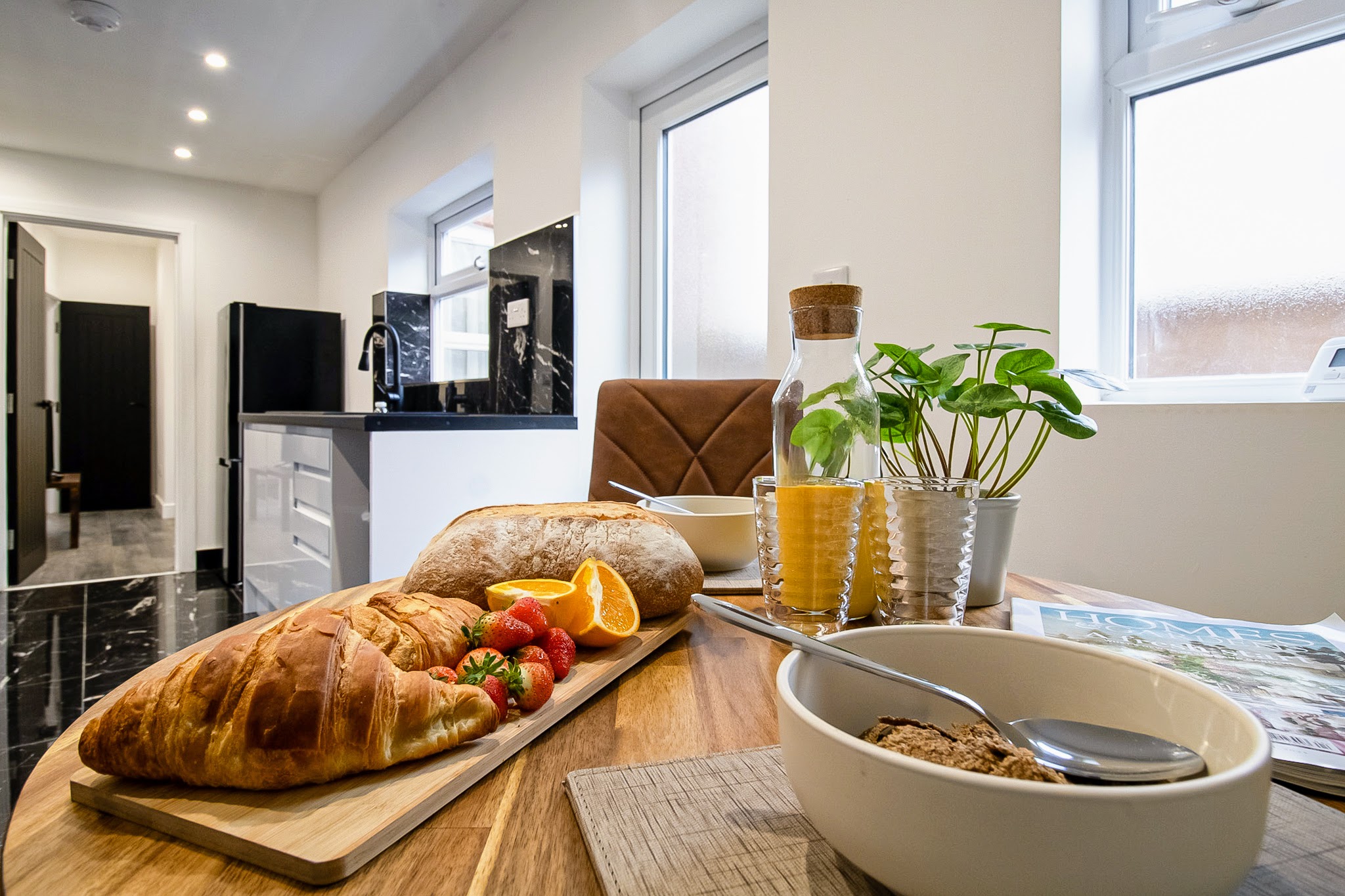
Extended-stay hotels have seen a resurgence as corporate travel patterns favor longer, less frequent trips. These models provide kitchenette facilities and tiered pricing based on the length of stay, bridging the gap between a traditional hotel and a short-term apartment rental. In 2026, these are increasingly integrated with corporate housing platforms to provide seamless billing for enterprise clients.
The Rise of Flexible Living: Co-living and Hybrid Residential Models
As urban density increases and housing affordability remains a challenge in 2026, flexible living models have moved from a niche startup concept to a mainstream institutional asset class. These models prioritize community and shared resources to reduce individual costs.
Purpose-Built Co-living (PBL)
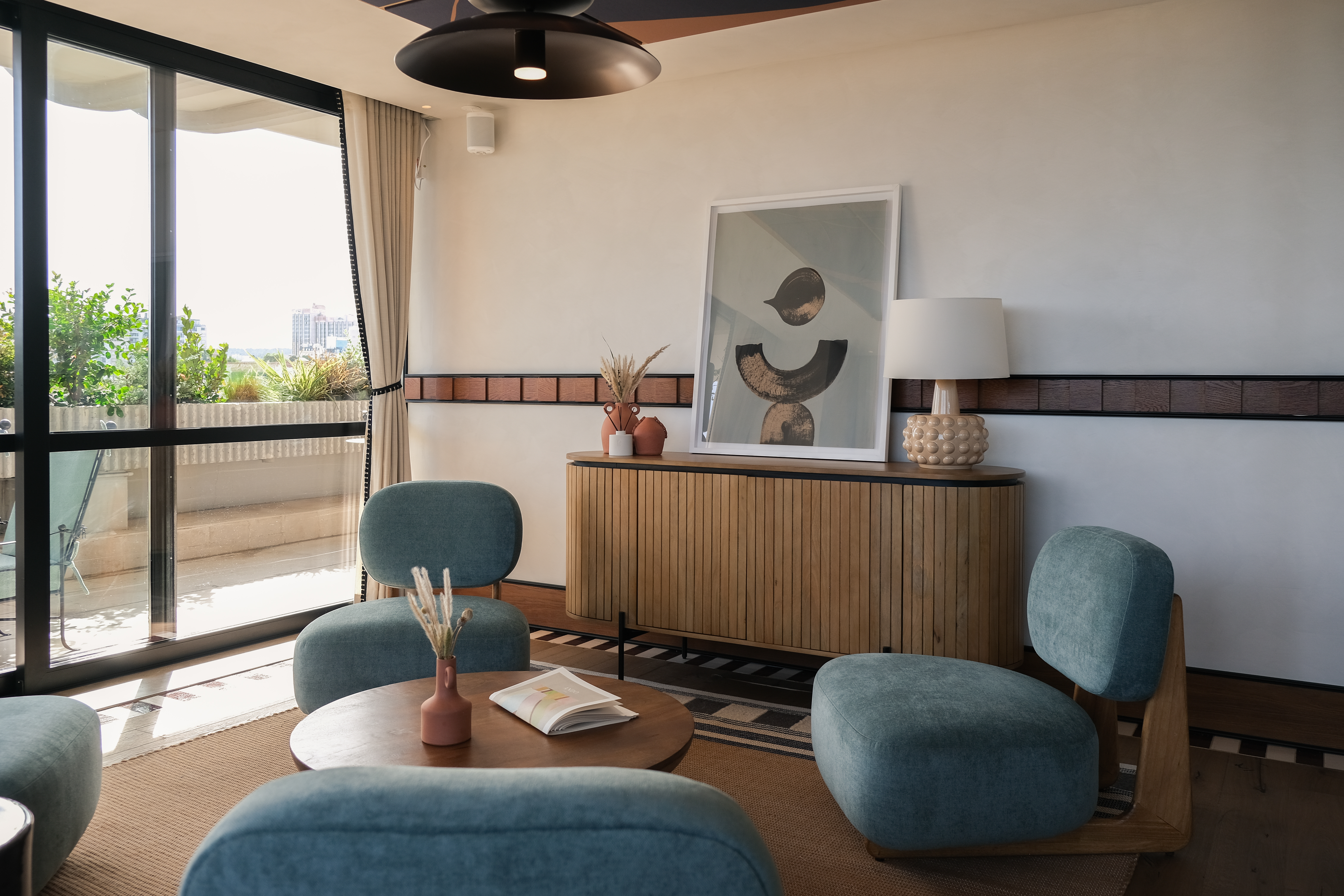
Purpose-built co-living models involve high-density residential buildings where residents have private bedrooms (and often private bathrooms) but share expansive communal kitchens, laundry facilities, and workspaces. The "model" here is all-inclusive; a single monthly fee covers rent, utilities, internet, cleaning, and community events. This transparency is highly attractive to "digital nomads" and early-career professionals moving to new cities.
Build-to-Rent (BTR) and Multi-Family Models
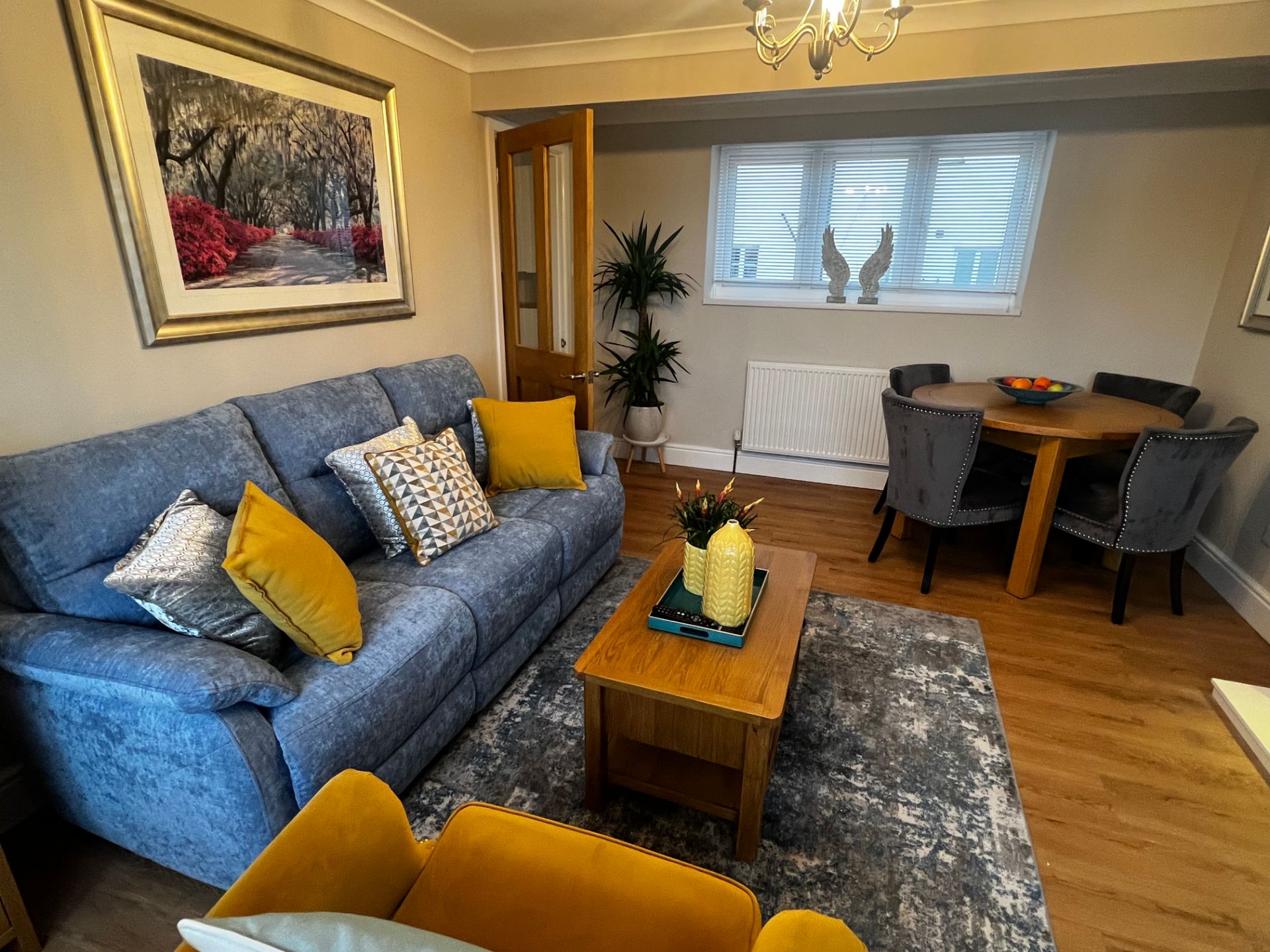
The Build-to-Rent model involves developers creating apartment complexes specifically for long-term rental rather than individual sale. In 2026, BTR models often incorporate "flex-units"—apartments that can be converted between standard residential tenancies and short-term corporate stays depending on market demand. This adaptability allows landlords to maximize yield during peak tourism or conference seasons.
Student Accommodation (PBSA)
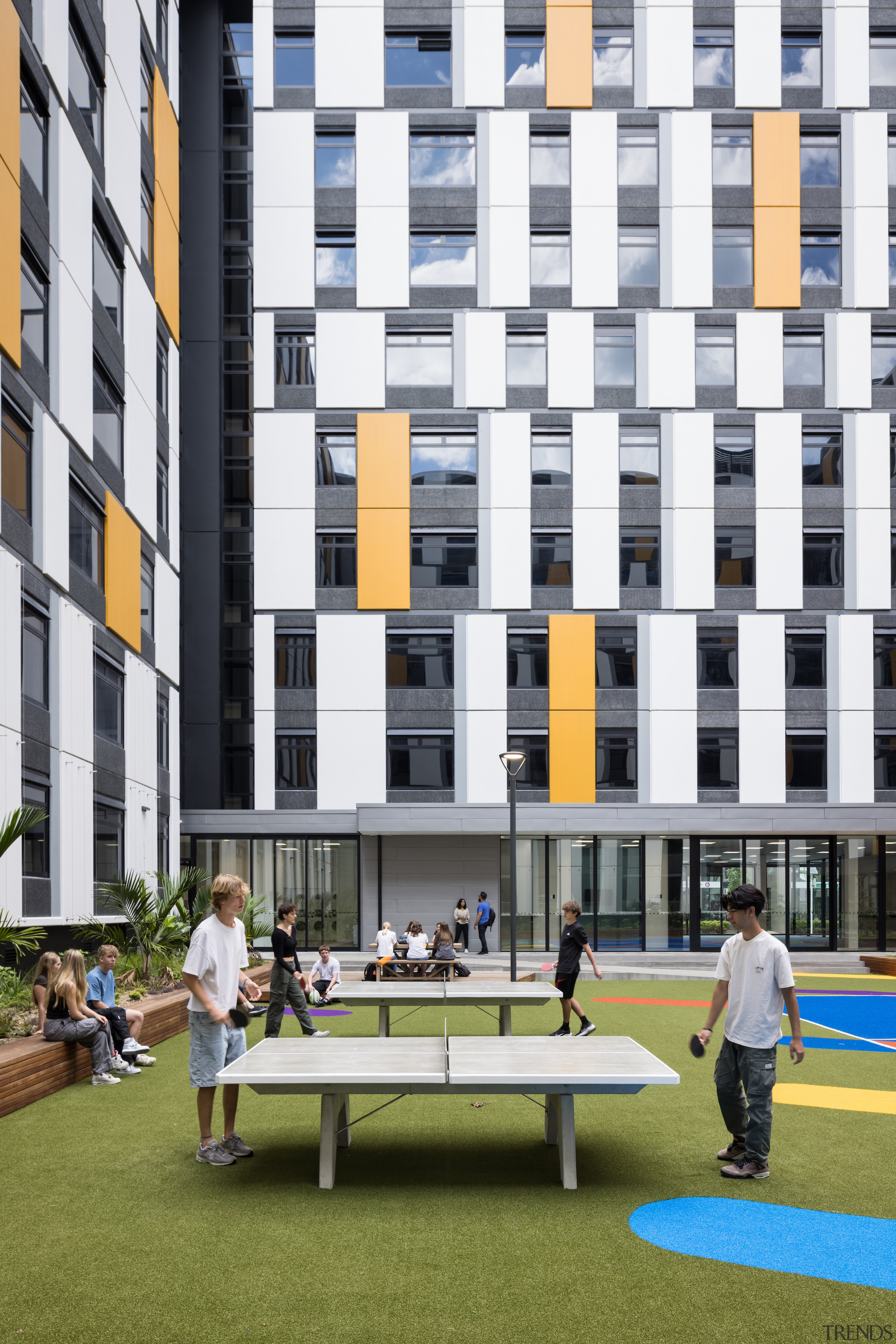
Purpose-Built Student Accommodation remains a resilient model. By 2026, PBSA has evolved to include "post-graduate wings" that mimic co-living environments, recognizing that the transition from student life to professional life requires similar accommodation flexibility. These models are strictly regulated and often involve partnerships with educational institutions to guarantee occupancy.
Short-Term Rental (STR) and Peer-to-Peer Market Dynamics
The Peer-to-Peer (P2P) model, pioneered by platforms like Airbnb and Vrbo, has matured significantly. By 2026, the "wild west" era of unregulated short-term rentals has largely ended, replaced by professionalized management models.
- Individual Host Model: The original P2P concept where homeowners rent out spare rooms or primary residences. In many primary markets, this is now limited by strict "90-day rules" or primary residency requirements.
- Professional Management Model: Large-scale operators lease multiple units within a building (Master Leasing) and run them as a distributed hotel. This model offers the consistency of a hotel with the space and character of an apartment.
- Fractional Ownership Models: In 2026, blockchain-enabled fractional ownership allows multiple investors to own "shares" of a high-performing short-term rental property, with the accommodation model managed by a third-party professional firm.
Specialized and Social Accommodation Frameworks
Beyond commercial and residential profit-driven frameworks, specialized models address specific demographic needs or social imperatives.
Assisted Living and Senior Housing
With an aging global population in 2026, the senior accommodation model has bifurcated into "Independent Living" (focusing on community and accessibility) and "Memory Care/Assisted Living" (focusing on medical integration). These models are highly sensitive to labor costs and regulatory compliance, often operating on a "rental + care fee" structure.
Social and Affordable Housing Models
Governments and NGOs utilize specific accommodation models to mitigate housing crises. The "Housing First" model is a prominent example in 2026, which prioritizes providing permanent housing to homeless individuals before addressing secondary needs like employment or addiction treatment. Additionally, "Shared Equity" models allow residents to purchase a portion of their home while renting the remainder from a housing association, facilitating a path to homeownership.
Comparative Analysis of Dominant Accommodation Models (Table)
The following table compares the primary accommodation models available in 2026 based on key operational and user-centric metrics.
| Model Type | Primary Target Audience | Typical Stay Duration | Service Level | Primary Revenue Metric |
|---|---|---|---|---|
| Traditional Hotel | Tourists / Short-term Biz | 1–4 Nights | High / Full Service | RevPAR (Rev per Room) |
| Co-living | Young Pros / Nomads | 3–12 Months | Medium (Utilities Inc) | RevPAM (Rev per Member) |
| Apart-hotel | Families / Long-stay Biz | 1–4 Weeks | Moderate (Weekly Clean) | ADR (Average Daily Rate) |
| Build-to-Rent | Long-term Residents | 1–3 Years | Low (Maintenance Only) | Net Operating Income (NOI) |
| P2P / STR | Leisure Travelers | 2–7 Nights | Varies by Host | Occupancy Rate % |
| PBSA (Student) | University Students | 9–12 Months | Moderate (Facility Focus) | Bed-night Yield |
Strategic Selection: Choosing the Right Model for Investment or Operation
Selecting an accommodation model requires a rigorous analysis of local zoning laws, market saturation, and cost of capital. In 2026, the most successful operators are those who employ a "Hybrid Strategy." This involves designing a physical asset that can pivot between models—for instance, a building that functions as a hotel during a five-year tourism boom but can be easily converted into co-living units if the local labor market shifts toward long-term remote work.
Investors must also account for the "Tech-Stack" required to run these models. A co-living model requires robust community management software, whereas a professional STR model requires sophisticated dynamic pricing algorithms and automated turnover scheduling. Failure to align the technology with the model is a primary cause of operational failure in the current market.
Implementation Checklist
- Zoning Verification: Ensure the property is licensed for transient (short-term) vs. non-transient (long-term) stay.
- Tax Implication Analysis: Short-term models often incur "Occupancy Taxes" similar to hotels, whereas long-term models are subject to standard property or residential taxes.
- Operational Capability: Assess whether you have the staff to handle daily turnovers (Hotel/STR) or if you are better suited for lower-touch monthly management (BTR/Co-living).
Case Study: The "Flex-Building" Trend
In 2026, major developers in cities like London, Tokyo, and New York are increasingly utilizing the "Flex-Building" model. These structures are built with modular interiors. During the summer, 40% of the units are operated as serviced apartments for tourists. In the winter, those same units are transitioned into short-term corporate housing for consultants. This fluidity represents the pinnacle of modern accommodation model strategy.
Related Questions
What is the difference between co-living and a traditional HMO?
Co-living is a professionalized, amenity-rich version of a House in Multiple Occupation (HMO). While an HMO typically involves a group of people sharing a standard house with minimal shared services, co-living models provide purpose-built facilities, inclusive billing, professional management, and curated social programming. Co-living is treated as a lifestyle service, whereas an HMO is strictly a budget-driven residential arrangement.
How has the "Digital Nomad" movement changed accommodation models?
The Digital Nomad movement has forced traditional hotels to integrate "co-working" spaces and high-speed infrastructure into their core offering. It has also given rise to "Subscription Living" models, where a user pays a flat monthly fee to a single provider (such as Selina or citizenM) and can move between different properties globally without signing new leases or paying additional security deposits.
Are short-term rental models still profitable in 2026?
Yes, but the profit margins have shifted due to increased regulation and saturation. In 2026, profitability in the STR sector depends on "professionalization"—using automated systems for guest communication, dynamic pricing to maximize nightly rates, and high-quality photography to stand out in a crowded marketplace. The "casual host" model has largely been replaced by boutique management firms that oversee dozens of properties.
Which accommodation model has the highest ROI for investors?
Currently, Purpose-Built Student Accommodation (PBSA) and Co-living offer the highest Risk-Adjusted Returns. While traditional hotels can achieve higher nightly rates, their operational costs (labor, food and beverage, marketing) are significantly higher. Co-living and PBSA offer stable, predictable cash flows with lower turnover costs, making them highly attractive to institutional investors and pension funds.
Next Steps for Stakeholders
For developers and investors, the next logical action is to conduct a Highest and Best Use (HBU) Study for any potential site. This study should not only look at current demand but project the demographic shifts of the next decade. For travelers or residents, the priority should be evaluating the "Service-to-Cost" ratio; often, a slightly more expensive co-living unit saves hundreds of dollars in hidden costs like utilities, gym memberships, and commuting.