Abandoned places—ranging from decaying industrial complexes and forgotten hospitals to entire "ghost towns"—offer a visceral connection to history and a unique aesthetic for photographers and urban explorers. Understanding these sites requires balancing an appreciation for their historical significance with a rigorous adherence to legal boundaries, personal safety protocols, and ethical exploration standards.
The fascination with modern ruins, often termed "urban exploration" or "urbex," has grown significantly by 2026. This interest is driven by a desire to witness the intersection of nature and the man-made world. However, as digital documentation of these locations increases, so does the complexity of accessing them. Abandoned places are not merely "empty" spaces; they are often privately owned properties fraught with structural instabilities, environmental hazards, and evolving legal consequences for unauthorized entry. To engage with these sites responsibly, one must understand the socio-economic reasons for abandonment, the physical risks involved, and the "leave no trace" philosophy that defines the global exploration community.
The Socio-Economic Drivers of Abandonment
Places become abandoned when the cost of maintaining or remediating a property exceeds its projected economic value. This phenomenon is rarely sudden; it is typically a slow progression influenced by broader societal shifts. By 2026, several distinct drivers of abandonment have been identified by urban historians and geographers.
Industrial Deinstitutionalization
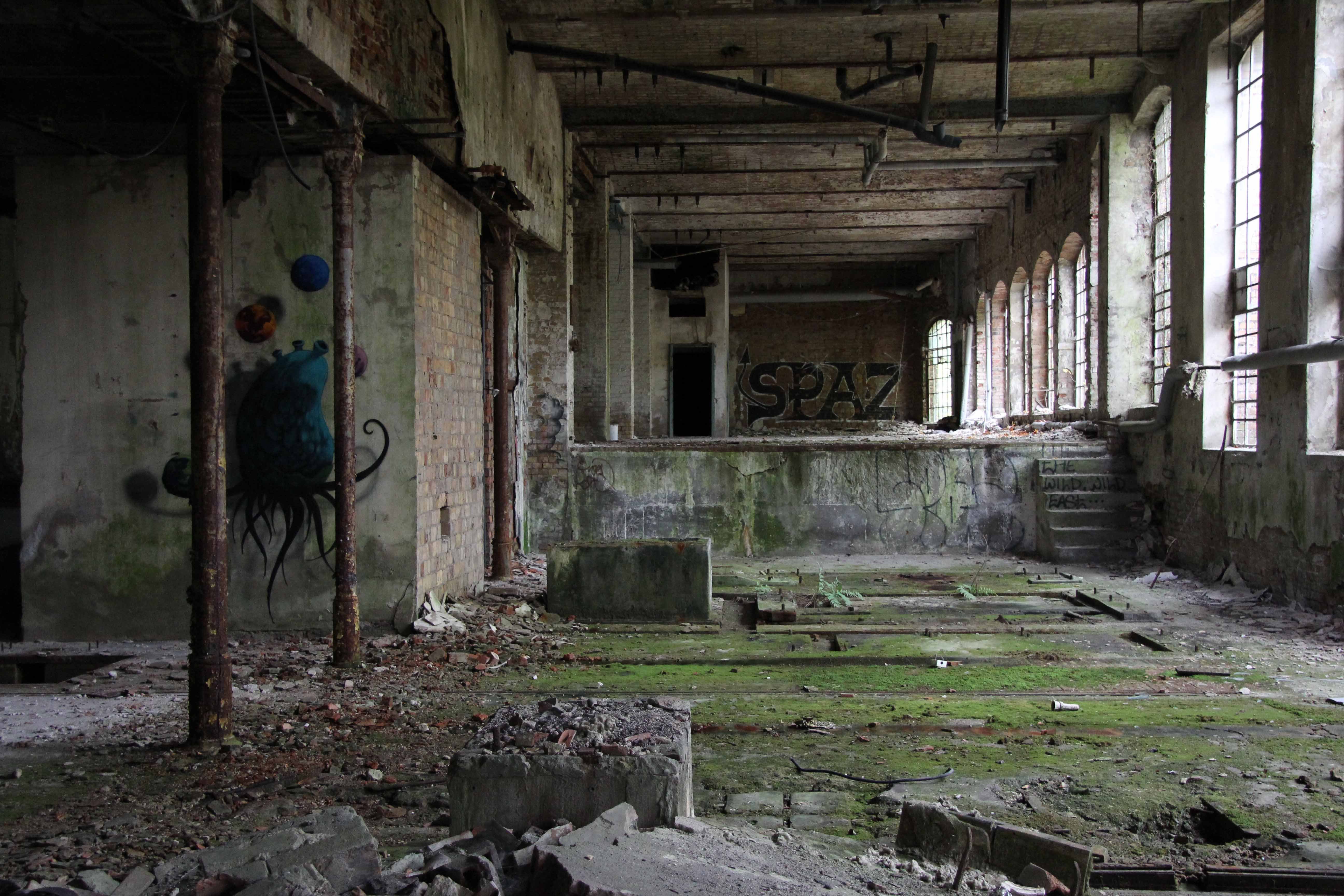
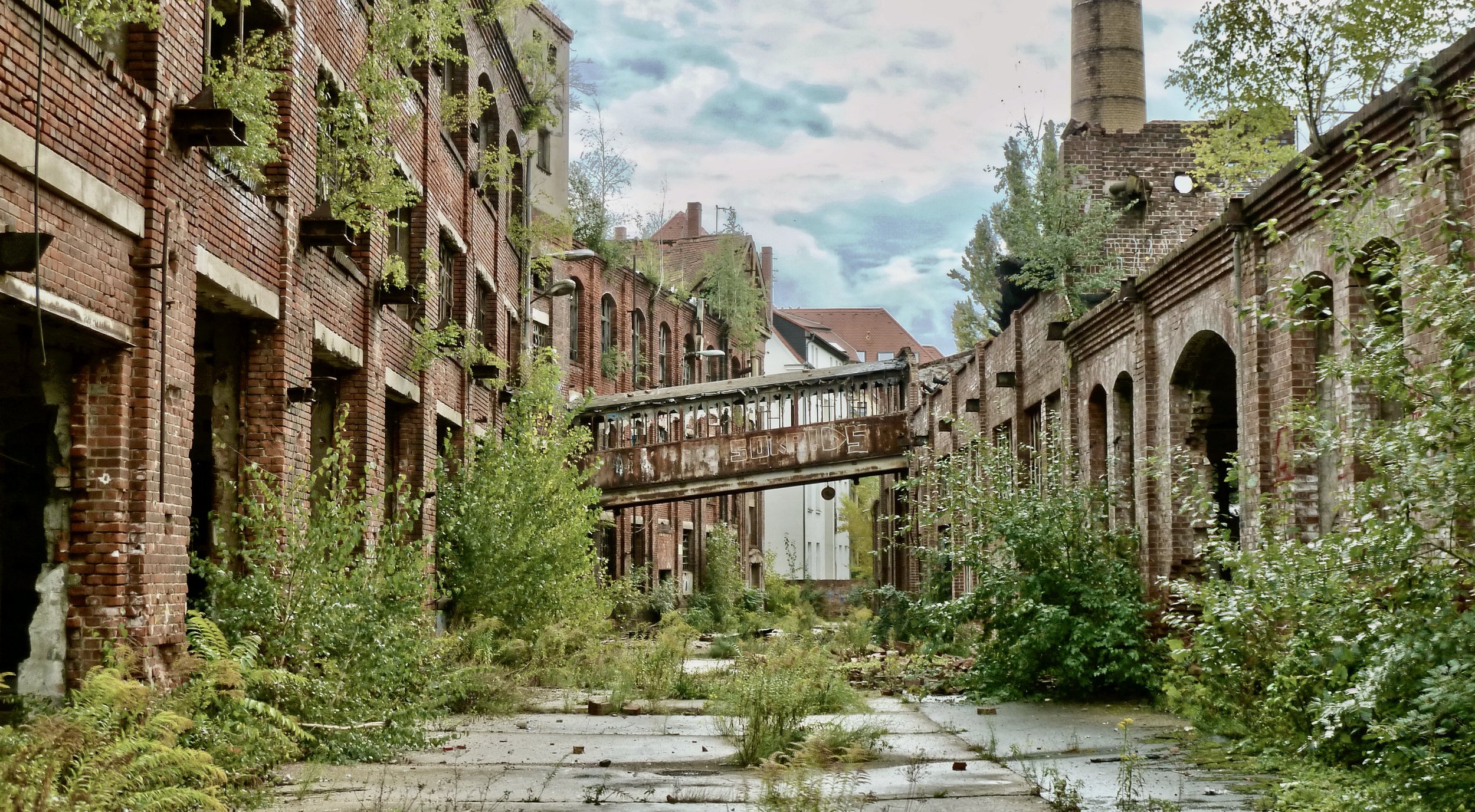
The most common abandoned sites are industrial facilities. In the late 20th and early 21st centuries, the shift from manufacturing-based economies to service and technology-based economies left massive footprints of steel mills, power plants, and textile factories. These sites often remain abandoned because of "brownfield" status—meaning the land is contaminated with heavy metals, chemicals, or oils, making the cost of environmental cleanup prohibitive for new developers.
Institutional Shifts and Healthcare Evolution
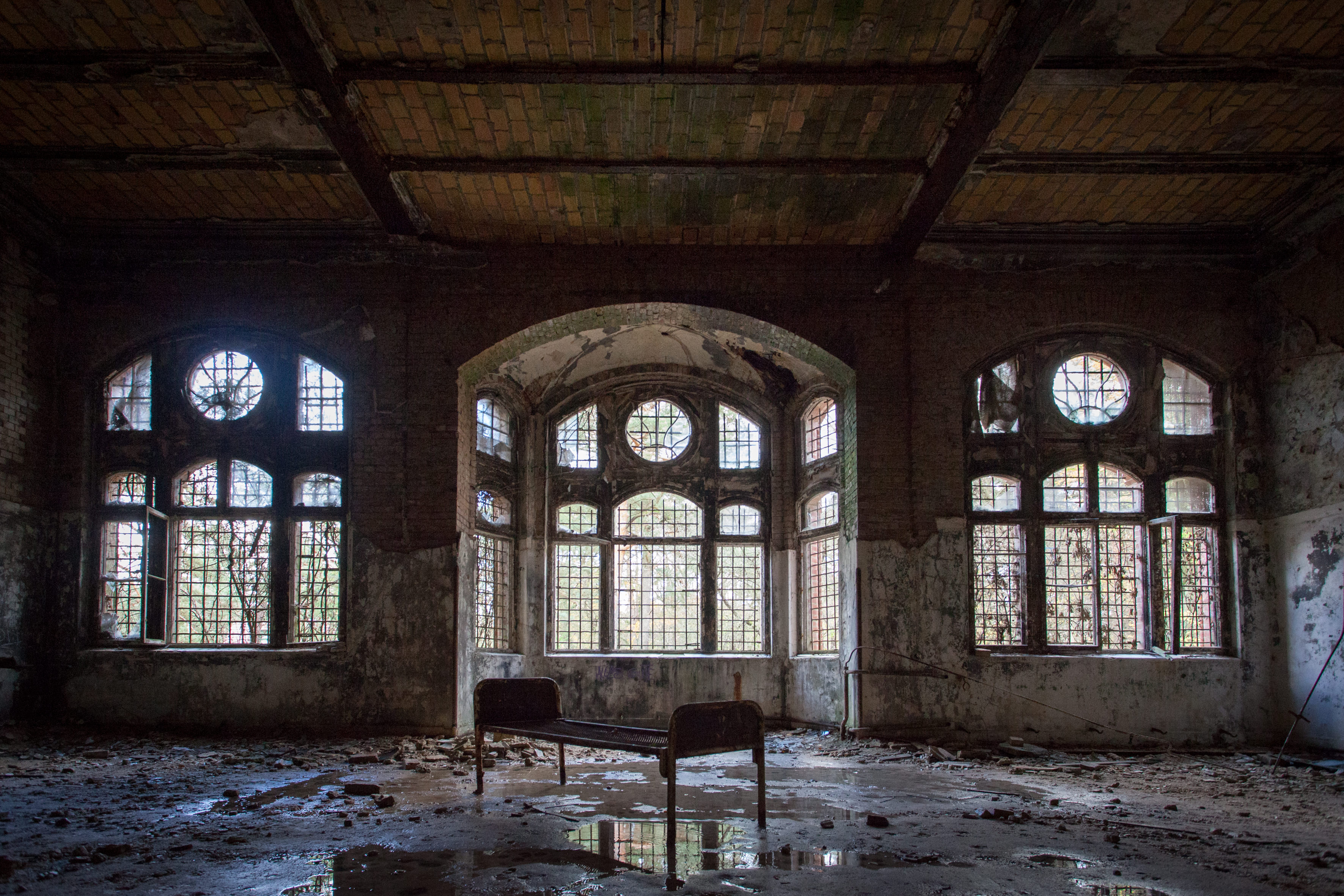
Hospitals, asylums, and prisons represent a specific category of abandoned places. Many large-scale psychiatric hospitals were closed during the "deinstitutionalization" movement, which favored community-based care over large, isolated wards. These buildings are often architecturally significant but functionally obsolete. Their vast size makes heating, cooling, and maintaining them impossible once government funding is withdrawn, leading to the eerie, equipment-filled hallways often seen in urban exploration photography.
Demographic Shifts and Ghost Towns
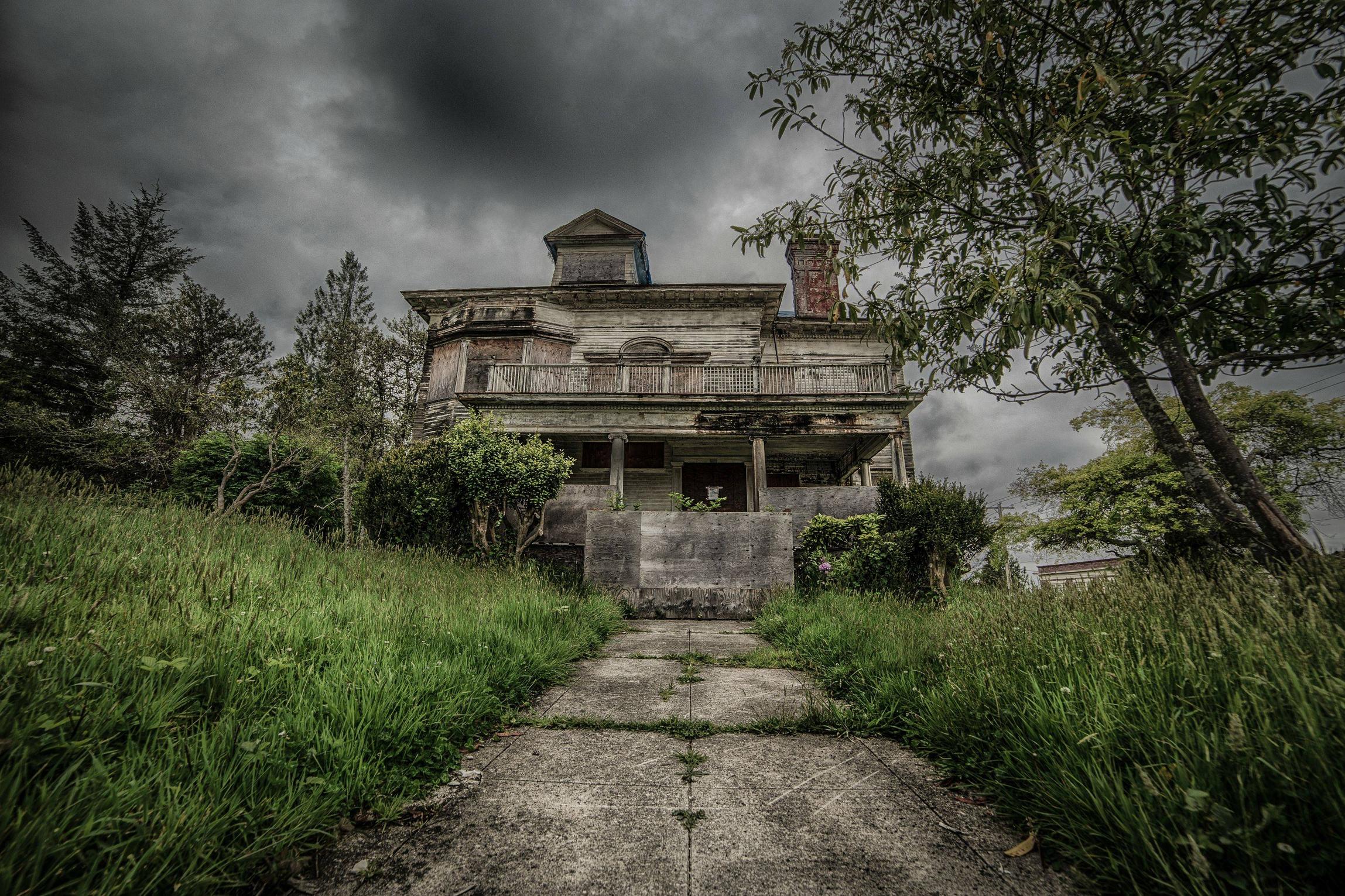
Economic migration is a primary driver for residential abandonment. When a single-industry town—such as a mining community or a remote railway outpost—loses its primary employer, the population often follows the jobs. This results in ghost towns where entire blocks of homes and businesses are reclaimed by the surrounding environment. In 2026, we also see the "retail apocalypse" contributing to this, with hundreds of dead malls across suburban landscapes serving as monuments to changing consumer habits.
Navigating the Legal Realities in 2026
The legal status of abandoned places is the most critical consideration for any visitor. Contrary to popular belief, a building being "abandoned" does not mean it is unowned. Every piece of land is owned by an individual, a corporation, or a government entity.
Trespassing and Property Law
Entering an abandoned building without explicit permission from the owner is generally classified as trespassing. In many jurisdictions, this is a civil offense, but it can escalate to a criminal charge if the entry involves "breaking and entering" (forcing a door or window) or if the individual is carrying tools that could be construed as "burglary tools" (such as bolt cutters or crowbars). By 2026, many municipalities have increased surveillance and motion-sensor technology around sensitive ruins to prevent arson and vandalism, making unauthorized entry riskier than in previous decades.
Liability and the "Attractive Nuisance" Doctrine
Property owners are often aggressive in deterring visitors because of liability. Under the "attractive nuisance" doctrine in some regions, an owner can be held liable for injuries sustained by children or, in certain cases, adults, if the property contains a dangerous condition that is likely to attract people. To mitigate this risk, owners frequently employ security patrols or board up all entry points. Understanding that your presence is a legal and financial liability for the owner is essential for maintaining a respectful approach to exploration.
Essential Safety Protocols and Environmental Hazards
The physical risks of abandoned places are significant and multifaceted. Unlike modern buildings, abandoned structures lack fire suppression systems, structural monitoring, and climate control.
Structural Integrity
The primary danger in any ruin is structural failure. Water ingress is the greatest enemy of architecture; once a roof fails, water rots wooden floor joists and causes steel beams to rust and expand, eventually "blowing out" masonry walls. Concrete, while durable, can undergo "spalling," where the internal rebar corrodes and causes chunks of concrete to fall. Explorers must always test the floor ahead of them and avoid walking directly under sagging ceilings or heavy machinery.
Hazardous Materials and Air Quality
Abandoned buildings are often environmental "hot zones." Depending on the era of construction, visitors may be exposed to:
- Asbestos: Used extensively in pipe insulation, floor tiles, and ceiling panels until the late 20th century. When disturbed, fibers become airborne and, if inhaled, can lead to mesothelioma or asbestosis.
- Lead Paint: Common in older structures. Peeling paint creates dust that is toxic if ingested or inhaled.
- Mold and Fungi: In damp environments, toxic black mold (Stachybotrys chartarum) can flourish.
- Chemical Residue: Industrial sites may have vats of unidentified chemicals, PCBs in transformers, or heavy metal dust.
Appropriate Personal Protective Equipment (PPE), including a P100-rated respirator, sturdy boots, and gloves, is mandatory for minimizing these risks.
Human and Biological Threats
Abandoned places are frequently used by individuals seeking shelter or by those involved in illicit activities. Encountering people in a confined, dark space can be dangerous. Additionally, wildlife such as bats (which carry rabies and histoplasmosis), rodents, and stray dogs often inhabit these spaces. Always explore in a group and ensure someone outside knows your location and expected exit time.
Comparison of Abandoned Site Categories
To better understand the various types of abandoned places, the following table outlines the typical risks and characteristics of common site types.
| Site Type | Primary Hazard | Legal Risk Level | Historical Interest | Common Artifacts |
|---|---|---|---|---|
| Industrial (Factories) | Toxic chemicals, unstable floors | High (Active security) | High (Machinery, architecture) | Blueprints, control panels |
| Medical (Hospitals) | Biohazards, asbestos, mold | Very High (Privacy laws) | High (Medical history) | Surgical lights, records |
| Residential (Homes) | Floor collapse, rotting wood | Moderate (Private owners) | Medium (Personal stories) | Furniture, clothing |
| Military (Bunkers) | Low oxygen, unexploded shells | Extreme (Federal property) | Very High (Engineering) | Blast doors, signage |
| Commercial (Malls) | Glass shards, security patrols | Moderate (Corporate ownership) | Low to Medium (Pop culture) | Signage, mannequins |
The Ethics of Exploration: The Urbex Code
The global community of explorers operates under a strict, albeit informal, code of ethics designed to preserve the integrity of abandoned sites for future generations.
"Take Nothing but Pictures, Leave Nothing but Footprints"
This is the foundational rule of urban exploration. Removing artifacts is considered theft, and moving items to "stage" a photo is often frowned upon as it distorts the historical reality of the site. Graffiti and vandalism are strictly condemned, as they accelerate the destruction of the site and draw negative attention from law enforcement and property owners.
Gatekeeping and Location Security
In 2026, the practice of "gatekeeping"—or keeping the exact location of a site secret—is more important than ever. When the location of a pristine abandoned place is shared publicly on social media, it often leads to a "death by discovery," where an influx of visitors leads to rapid vandalism, theft, and eventual demolition. Responsible explorers share photos but omit the names and coordinates of the sites to protect them.
How to Research and Locate Sites Responsibly
Finding abandoned places requires a mix of historical research and modern technology. While many sites are found by accident, the most significant "finds" are the result of diligent investigation.
- Historical Archives and Libraries: Local newspapers from the mid-20th century often report on factory closures or the decommissioning of government buildings.
- GIS and Satellite Imagery: Tools like Google Earth allow researchers to look for hallmarks of abandonment, such as caved-in roofs, overgrown parking lots, or the absence of vehicles over several years of imagery updates.
- Public Property Records: County or municipal records can identify who owns a specific parcel of land and whether the taxes are being paid. This information is vital for those seeking to contact owners for legal permission to enter.
- Sanborn Fire Insurance Maps: For sites in the United States, these historical maps provide incredibly detailed layouts of industrial and commercial buildings from the late 19th and early 20th centuries.
Common Questions About Abandoned Places
Is it legal to visit abandoned places if the door is open?
No, an open door does not constitute legal permission to enter. From a legal standpoint, the property is still owned by someone, and entering without their consent is trespassing. While an open door might reduce the likelihood of a "breaking and entering" charge, it does not exempt you from civil or criminal trespass laws.
What gear is essential for visiting abandoned places?
At a minimum, you should carry a high-lumen flashlight (plus a backup), a P100 respirator to protect against asbestos and mold, thick-soled boots to prevent nail punctures, and a first-aid kit. A portable power bank and a fully charged phone are also vital for safety and communication.
Why do some abandoned places look like people just walked out?
This often occurs in institutional settings like hospitals or schools where a sudden loss of funding or a legal injunction forces a rapid closure. In some industrial cases, the machinery is so specialized or heavy that the cost of moving it exceeds its scrap value, leading the company to simply lock the doors and walk away.
Can I buy an abandoned property?
Yes, many abandoned properties are available for purchase, often through tax lien sales or from owners looking to offload a liability. However, be aware that "buying" is the easy part; the cost of remediation, bringing the building up to code, and clearing environmental liens can often cost ten times the purchase price.
Engaging with Local Heritage Organizations
If you find a site that is historically significant or in danger of collapse, the best next step is to contact a local historical society or a heritage preservation group. These organizations often have the resources to document the site professionally or even advocate for its preservation or adaptive reuse. Instead of simply visiting for a photo, contributing to the historical record of an abandoned place ensures its story survives long after the physical structure has returned to the earth.