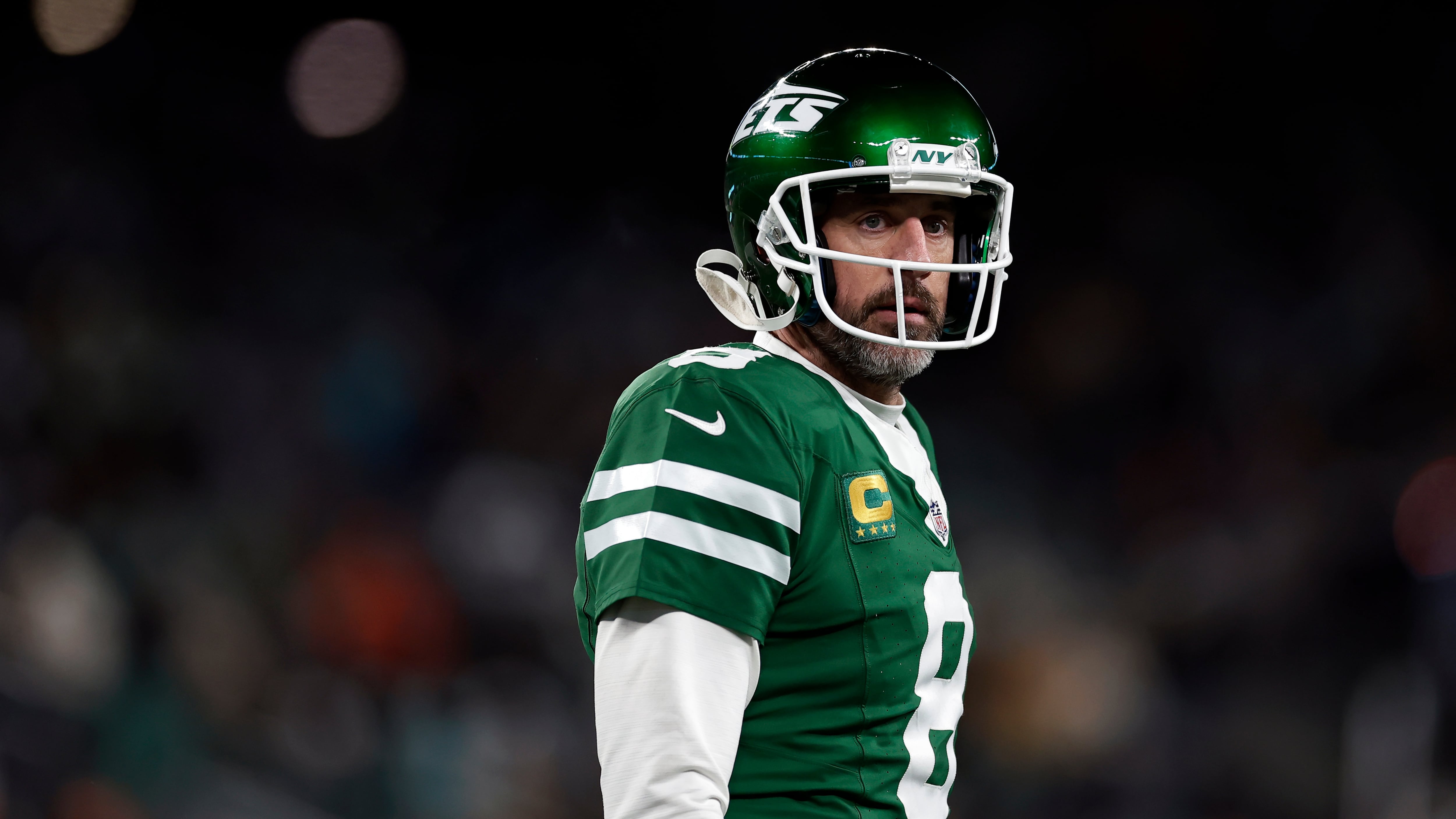
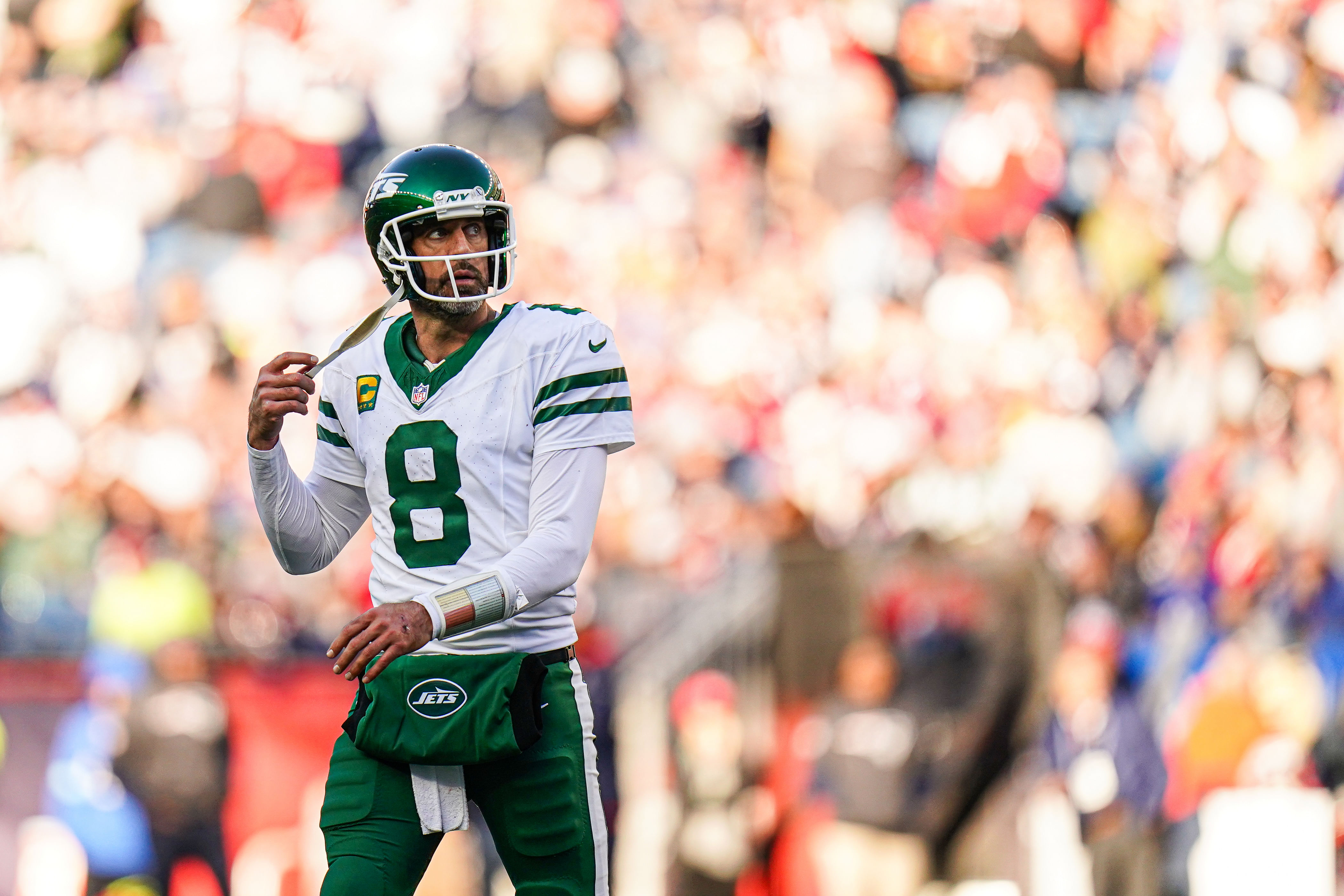
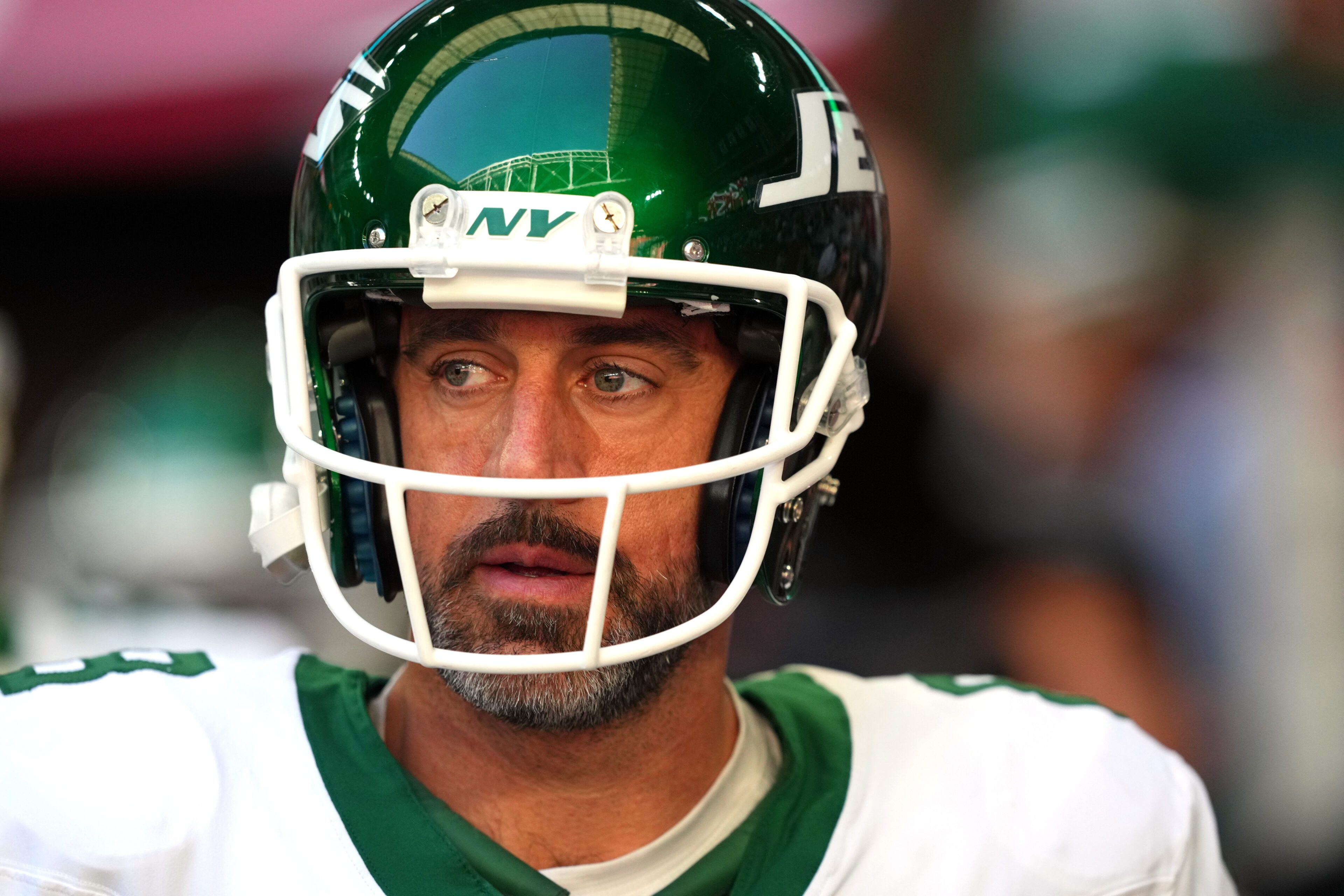
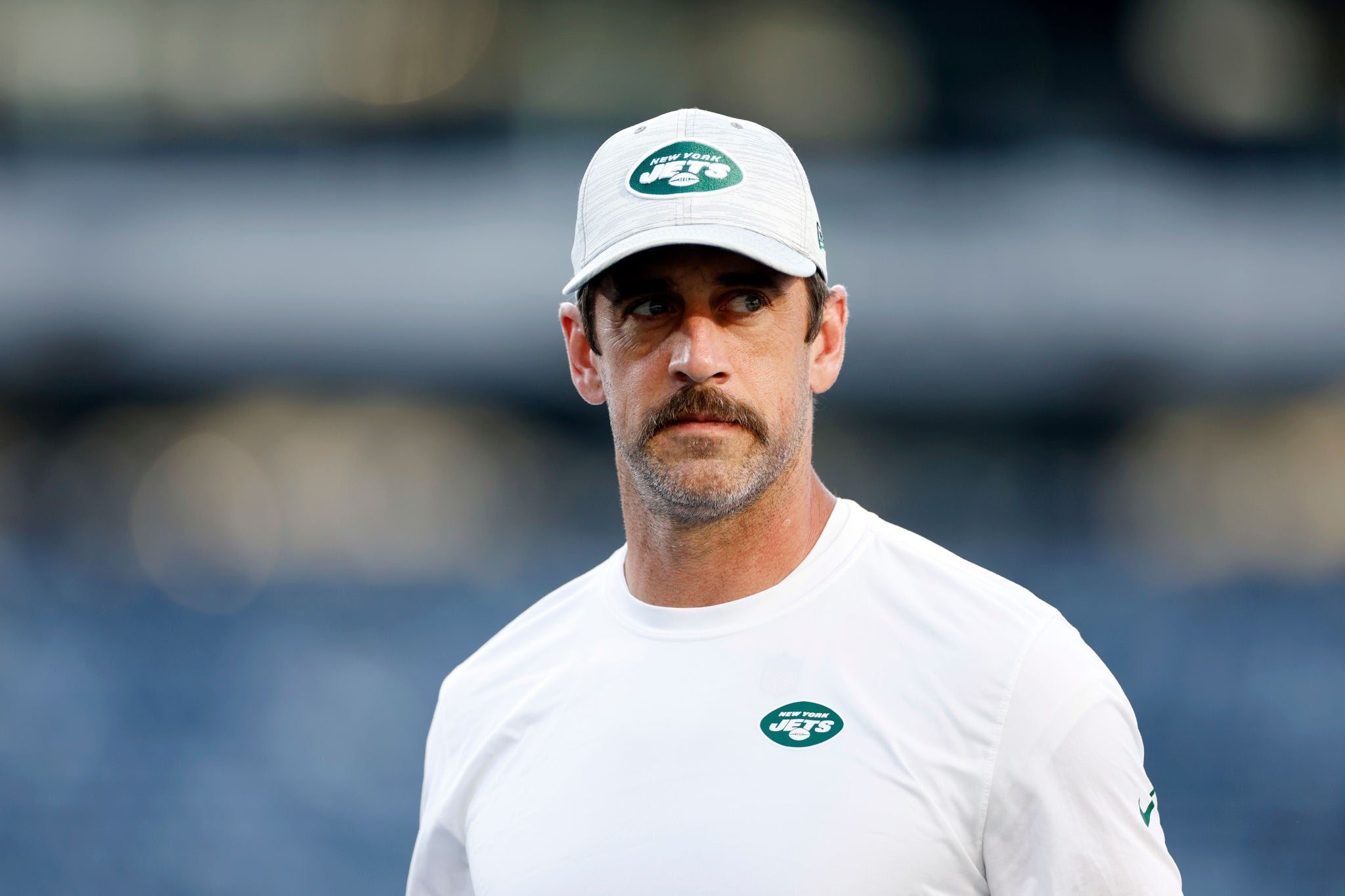
Aaron Rodgers is no longer with the New York Jets. Following a turbulent 2024 NFL season that ended in a 5-12 record, coaching changes, and front-office restructuring, the Jets and Rodgers officially parted ways prior to the 2025 league year. As of 2026, the franchise has transitioned into a comprehensive roster rebuild under new organizational leadership.
The End of an Era: How the Jets and Aaron Rodgers Parted Ways
The high-stakes experiment of pairing four-time NFL Most Valuable Player Aaron Rodgers with the New York Jets concluded without reaching a single postseason game. When the Jets acquired Rodgers from the Green Bay Packers in April 2023, the organization believed it had secured the final missing piece for a championship-caliber roster. However, injuries, operational friction, and severe on-field inconsistency derailed those plans over a two-season span.
The initial setback occurred just four snaps into Rodgers' New York debut in September 2023, when he suffered a complete tear of his left Achilles tendon against the Buffalo Bills. That injury sidelined him for the entire 2023 campaign, pushing the team's championship aspirations into 2024.
Rodgers returned to full health for the 2024 regular season, but the team failed to find rhythm. Despite high-profile moves to support the veteran quarterback—including the midseason acquisition of wide receiver Davante Adams and the hiring of familiar offensive personnel—the Jets struggled to construct a consistent scoring offense.
Mounting losses triggered major structural changes within the organization:
- October 2024: Head coach Robert Saleh was dismissed after a 2-3 start, with defensive coordinator Jeff Ulbrich stepping in as interim head coach.
- November 2024: General manager Joe Douglas was relieved of his duties as the team's record continued to slide.
- Early 2025: Team owner Woody Johnson and the newly appointed leadership team determined that retaining a 41-year-old quarterback was incompatible with a long-term rebuild, leading to a formal parting of ways before the 2025 NFL league year began.
Financial Mechanics: Contract Restructuring and Salary Cap Impact
Understanding Rodgers' departure requires an examination of the contract structure signed after his trade from Green Bay. In July 2023, Rodgers agreed to a renegotiated contract that surrendered approximately $35 million in guaranteed money, signing a revised two-year, $75 million fully guaranteed deal through 2024, structured with option years extending into 2025 and 2026 for salary cap accounting purposes.
- Original Trade Agreement (2023)
- 2-Year $75M Guaranteed Restructure
- Option Year Cap Spreads (2025–2026)
Because the contract utilized prorated signing and option bonuses across dummy or void years, releasing or trading Rodgers created significant dead money on the Jets' salary cap balance sheet.
Managing the Dead Cap Burden
When the Jets opted to move on, they had to navigate the dead money left behind by accelerated bonus proration:
- Option Bonus Acceleration: Bonuses paid out during the 2023 and 2024 seasons that had been spread into future contract years immediately accelerated onto the active salary cap upon separation.
- Post-June 1 Designation: To prevent a single-year catastrophic cap hit, the front office structured the release mechanics (or post-June 1 accounting designation) to divide the dead cap charge across the 2025 and 2026 league years.
- Cap Flexibility Recovery: By absorbing the majority of unamortized bonus charges across 2025 and 2026, the Jets cleared the path for long-term cap health starting in 2027, enabling the new general manager to prioritize rookie-contract extensions for core talents such as cornerback Sauce Gardner and wide receiver Garrett Wilson.
Timeline of Aaron Rodgers' Tenure with the New York Jets
The following table outlines the key events, financial decisions, and on-field outcomes spanning Aaron Rodgers' time with the franchise.
| Date / Period | Major Event | On-Field / Organizational Outcome | Financial & Cap Implications |
|---|---|---|---|
| April 2023 | Trade from Green Bay Packers | Jets acquire Rodgers, 2023 1st-round swap, and conditional 2024 pick. | Inherited existing contract prior to restructuring. |
| July 2023 | Contract Restructure | Rodgers signs 2-year, $75M guaranteed extension through 2024. | Took a $35M pay cut to give Jets cap flexibility. |
| September 2023 | Week 1 Achilles Injury | Sustained complete Achilles tear vs. Buffalo on 4th offensive snap. | Placed on Injured Reserve; missed remainder of 2023. |
| July–August 2024 | Return to Action | Cleared for full participation in 2024 training camp. | Full salary and bonus structures remained active. |
| October 2024 | Robert Saleh Fired | Head coach dismissed after 2-3 start; Jeff Ulbrich named interim HC. | Signaled major organizational instability. |
| October 2024 | Davante Adams Trade | Acquired Adams from Las Vegas Raiders to boost passing offense. | Jets absorbed remaining 2024 salary commitments. |
| November 2024 | Joe Douglas Fired | GM dismissed after team record dropped to 3-8. | Precursor to complete executive leadership reset. |
| January 2025 | Season Ends (5-12) | Jets finish last in AFC East; miss playoffs for 14th straight year. | Finalized draft positioning inside top 10. |
| Early 2025 | Official Separation | Jets and Rodgers mutually agree to part ways prior to 2025 league year. | Dead cap proration split across 2025 and 2026 cap years. |
Key Factors Behind the Failure of the Jets-Rodgers Partnership
The collapse of the Jets-Rodgers era was not caused by a single issue, but rather by a combination of physical limitations, roster construction flaws, and management decisions.
- Primary Causes of the Failure in New York
- Physical Recovery (Post-Achilles Mobility)
- Offensive Line Issues (Pass Protection Deficits)
- Organizational Turmoil (Coaching & GM Changes)
1. Physical Mobility and Recovery
Returning from a complete Achilles tendon rupture at age 40 presents unprecedented physical challenges for an NFL quarterback. While Rodgers demonstrated pocket awareness and arm strength, his extended mobility and scramble-drill effectiveness—hallmarks of his MVP years in Green Bay—were visibly diminished during the 2024 season. Opposing defenses adjusted by bringing inside pressure, forcing quick throws before downfield concepts could develop.
2. Pass Protection Deficits and Offensive Line Instability
Despite heavy off-season investments in the offensive line—including drafting tackle Olu Fashanu and signing veteran starters—injuries and scheme inconsistencies plagued the unit throughout 2024. The lack of sustained pocket protection forced the offense into obvious passing downs, reducing efficiency on first and second downs.
3. Personnel Decisions and System Alignment
The organization made extensive effort to accommodate Rodgers' preferred offensive system, bringing in offensive coordinator Nathaniel Hackett alongside former Packers teammates Allen Lazard, Randall Cobb, and Davante Adams. However, this tailored approach failed to yield a modern, explosive system. The offense struggled in third-down conversion rates and red-zone efficiency, ranking in the bottom third of the league across primary statistical categories in 2024.
4. Leadership Overhaul and Strategic Realignment
The midseason firings of Robert Saleh and Joe Douglas created a power vacuum. When the new executive leadership team took over following the 2024 season, retaining an aging, high-cost quarterback did not align with their strategy of building a sustainable, long-term contender through draft capital and young talent development.
The New York Jets' Post-Rodgers Strategy and Roster Reset
Following Rodgers' departure, the New York Jets recalibrated their entire organizational strategy. The mandate shifted from attempting to open a short-term championship window to building a balanced, sustainable roster.
Quarterback Transition Plan
Without Rodgers, the Jets pivoted toward a multi-tiered quarterback strategy:
- Bridge Veteran Presence: Signing an experienced, cost-effective veteran quarterback to maintain competitive standards and provide stability.
- Draft-Capital Investment: Utilizing high draft selections to secure a long-term prospect on a rookie contract, allowing the front office to allocate cap space to other position groups.
Core Talent Retention Priorities
By resetting the quarterback market on their balance sheet, the Jets focused their cap resources on extending high-performing players from recent draft classes:
- Defensive Anchors: Prioritizing long-term extensions for elite defensive contributors like Sauce Gardner and Quinnen Williams.
- Offensive Foundation: Securing wide receiver Garrett Wilson to ensure the next quarterback inherits a high-caliber primary target.
Frequently Asked Questions About Aaron Rodgers and the New York Jets
Is Aaron Rodgers currently under contract with the New York Jets?
No, Aaron Rodgers is not under contract with the New York Jets. The team and Rodgers parted ways prior to the start of the 2025 NFL league year, officially ending his tenure with the franchise.
When did the Jets officially decide to move on from Aaron Rodgers?
The decision was finalized in early 2025 following the conclusion of the 2024 regular season. After finishing 5-12 and replacing both their head coach and general manager, owner Woody Johnson and the incoming management team decided to begin a complete roster reset.
What was Aaron Rodgers' final statistical record with the Jets?
Across his two seasons with New York, Rodgers played in 18 total games (1 in 2023 before his Achilles injury, and 17 in 2024). The team posted a 5-12 record in games he started during the 2024 season, missing the playoffs in both years.
How did Aaron Rodgers' departure affect the Jets' salary cap?
Because Rodgers' restructured contract contained option bonuses spread into void years, his departure left dead money charges on the Jets' salary cap. The team designated the move to split the dead cap hit across the 2025 and 2026 league years, clearing clean cap space for 2027 onward.
Did Aaron Rodgers retire after leaving the New York Jets?
Upon parting ways with the Jets ahead of the 2025 season, Rodgers evaluated his options regarding retirement versus continuing his career elsewhere. His time with the Jets, however, officially concluded with the team's early 2025 roster overhaul.
What to Watch as the Jets Move Forward: Key Indicators for Fans and Analysts
For fans and analysts tracking the post-Rodgers era in New York, several key performance indicators will determine whether the franchise's strategic pivot is succeeding:
- Salary Cap Normalization: Monitor how effectively the front office clears remaining dead money through 2026 while locking up core players to multi-year extensions.
- Draft Asset Allocation: Track how high-value draft picks in 2025 and 2026 are utilized to build deep, affordable units along the offensive and defensive lines.
- Offensive Scheme Modernization: Observe whether the new coaching regime installs a modern, dynamic system that maximizes play-action, pre-snap motion, and young playmakers rather than relying on quick-fix veteran additions.