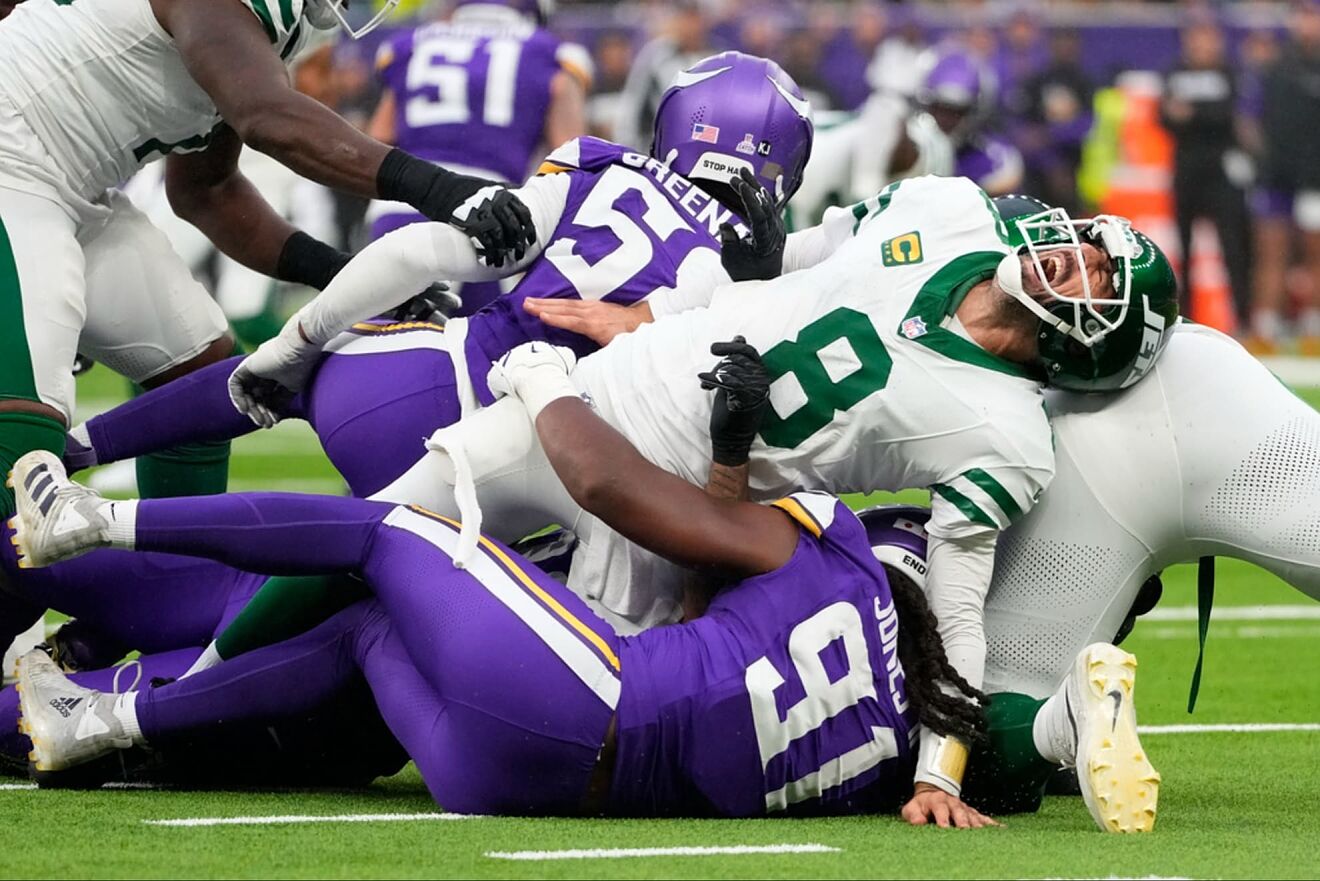
Aaron Rodgers' verified medical status regarding concussions is managed through the NFL’s stringent five-step Return-to-Play protocol. As of 2026, any suspected head injury requires immediate removal from play and clearance by both a team physician and an Independent Neurological Consultant (INC). Recovery timelines typically range from seven to fourteen days, depending on symptom resolution and neurocognitive testing performance.
The Current Framework for Verifying Concussion Status
The verification of a concussion for a high-profile athlete like Aaron Rodgers involves a multi-layered diagnostic process that prioritized player safety over immediate availability. In the 2026 NFL landscape, "verified status" is no longer just a coach's assessment but a formal medical designation tracked through the league’s centralized health management system. When Rodgers or any veteran quarterback takes a significant hit to the head, the "No-Go" criteria are applied immediately by booth spotters and sideline medical staff.
The verification process begins with the identification of observable signs, such as loss of consciousness, motor incoordination, or a blank look. If any of these are present, the player is moved to the locker room for a comprehensive evaluation using the Standardized Concussion Assessment Tool (SCAT6 or the most current iteration available in 2026). This status is then updated on the official injury report as "Out" or "Questionable" under the concussion protocol designation.
Medical clarification in these instances is crucial because Rodgers’ long career introduces variables such as cumulative trauma. Specialists look not just at the immediate symptoms but at how the current injury interacts with historical data. This ensures that the "verified" status is based on biological recovery rather than the pressure of a game schedule.
The NFL’s Five-Step Return-to-Play Protocol
Once a concussion is verified, Rodgers must navigate a mandatory five-step process. This protocol is designed to gradually increase physical activity to ensure that the brain can handle the metabolic demands of professional football without a recurrence of symptoms.
Step 1: Symptom-Limited Activity
The initial phase involves prescribed rest. Rodgers is restricted from heavy physical exertion and often from significant "cognitive load," which includes film study or long meetings. The goal is to return to a baseline where daily activities do not provoke headaches, dizziness, or light sensitivity.
Step 2: Aerobic Exercise
Under the supervision of the training staff, the player begins light aerobic work, such as stationary cycling or treadmill walking. There is no strength training or football-specific movement at this stage. Medical staff monitor the heart rate to ensure that increased blood flow does not trigger a "setback" in neurological recovery.
Step 3: Football-Specific Exercise
If Rodgers remains asymptomatic after Step 2, he moves to football-specific movements. This might include individual drills, dropping back to pass, and agility work. However, there is strictly no contact with other players or equipment that could result in head jarring.
Step 4: Club-Based Non-Contact Drills
At this stage, the player may participate in team meetings, film study, and non-contact practice drills (e.g., 7-on-7 drills). This phase is critical for assessing neurocognitive function while the player is in a complex, fast-paced environment. Rodgers would be wearing a Guardian Cap or a similar protective shell during these sessions to minimize incidental impact.
Step 5: Full Football Activity and Clearance
The final step requires the player to be cleared by the team physician and the INC. They must return to their baseline scores on neurocognitive tests and show no symptoms after a full-contact practice. Only after this dual-signature clearance is the verified status updated to "Active."
Medical Clarification: Cumulative Impact and Veteran Risk
Medical clarification for a veteran like Aaron Rodgers requires a deeper look into the long-term implications of head trauma. Neurologists often discuss the "window of vulnerability," which is the period following a concussion where the brain is hypersensitive to a second impact. For a quarterback in his 40s, the recovery of the blood-brain barrier and the restoration of normal cellular metabolism can sometimes take longer than in younger athletes.
Clinical studies, such as those published by the Mayo Clinic, emphasize that previous concussions—such as those Rodgers sustained earlier in his career (notably in 2010)—can influence the severity and recovery duration of subsequent injuries. The medical team focuses on "post-concussion syndrome" prevention, ensuring that lingering issues like sleep disturbances or mood irritability are fully resolved before he returns to the pocket.
Furthermore, medical clarification involves distinguishing between a "concussion" and "sub-concussive impacts." While the latter may not trigger the protocol, they are monitored via sensor-equipped mouthguards, which provide real-time data on the G-forces Rodgers’ head sustains during a game. In 2026, this data is often used to adjust his practice load and helmet technology.
Recovery Timeline and Expectation Management
The timeline for a concussion recovery is notoriously unpredictable. While the media often looks for a "one-week" turnaround, the reality is that the brain does not follow a linear schedule. For Rodgers, a "verified" recovery timeline is usually categorized into three tiers based on clinical presentation.
| Recovery Phase | Typical Duration | Activity Level | Clinical Requirement |
|---|---|---|---|
| Acute Phase | 24 - 72 Hours | Total Rest | Absence of "No-Go" symptoms; baseline stability. |
| Exertion Phase | 3 - 7 Days | Graduated Exercise | No symptom spike during heart rate elevation. |
| Clearance Phase | 7 - 14 Days | Full Practice | Passing neurocognitive battery vs. baseline. |
If Rodgers is unable to progress past Step 2 within five days, the timeline is often extended to a "protracted recovery" status. This doesn't necessarily mean the injury is catastrophic; rather, it indicates that the metabolic recovery of the brain is taking longer than the standard 168-hour window. In 2026, the NFL has moved away from rushing players back for "big games," meaning a 10-to-14-day window has become the standard for veteran quarterbacks to ensure 100% cognitive function.
Impact of Modern Protective Gear in 2026
By 2026, the technology used to mitigate and monitor Rodgers' concussion risk has reached new levels of sophistication. The use of position-specific helmets—specifically designed for quarterbacks who are prone to "ground-impact" concussions (where the back of the head hits the turf)—has become mandatory. These helmets feature multi-layered composite shells that dissipate rotational force, which is the primary cause of axonal shearing in the brain.
The "verified status" in 2026 also takes into account data from these smart helmets. If a helmet records an impact over a certain threshold (measured in Kelvins or G-force), the player is automatically flagged for an evaluation, even if they appear fine. This proactive medical clarification helps catch "silent" concussions that might have been overlooked in previous decades.
Neurological Baseline Testing and Verification
A key component of Rodgers' verified status is his "baseline." Every NFL player undergoes rigorous neurocognitive testing during the preseason. These tests measure reaction time, memory, and processing speed.
When a concussion is suspected, the post-injury scores are compared against these baselines. Medical clarification is only granted when the scores return to within a statistically insignificant margin of the original baseline. For a player known for high-level processing and pre-snap adjustments like Rodgers, even a slight dip in processing speed is treated as a clinical sign that the brain has not fully healed, regardless of whether he has a headache or not.
The Role of the Independent Neurological Consultant (INC)
To prevent conflicts of interest, the INC has the final word. This doctor is not employed by the team and is often a local neurosurgeon or neurologist. Their role is to provide an objective medical clarification that the player is safe to return. For a franchise player like Rodgers, this independence is vital to maintain the integrity of the health and safety protocols.
Frequently Asked Questions
How many concussions has Aaron Rodgers officially sustained?
As of the current 2026 records, Aaron Rodgers has had several documented concussions during his professional career, with the most notable occurring in 2010. Each incident is treated as an independent event, but medical staff consider the cumulative history when determining his recovery timeline and long-term playing safety.
Can Rodgers play the same week he is placed in the concussion protocol?
Under the 2026 NFL safety guidelines, it is statistically rare for a player to return within the same week. Because the five-step protocol requires at least 24 hours between each step without a return of symptoms, a player injured on Sunday would typically need to be perfect in their recovery to play the following Thursday or Sunday. For veterans, medical teams usually prefer a minimum 10-day window.
What is the difference between "concussion protocol" and "verified concussion status"?
"Concussion protocol" is the process of evaluation following a potential head injury. "Verified concussion status" is the formal medical diagnosis confirming that a traumatic brain injury (TBI) has occurred. A player can be in the protocol and be cleared the next day if the tests come back negative, but a verified status requires completion of all five recovery steps.
Why does Rodgers' age affect his concussion recovery timeline?
As athletes age, the brain's plasticity and its ability to recover from metabolic stress can slow down. Medical clarification for older players often involves a more cautious approach to avoid "Second Impact Syndrome" and to ensure that cognitive functions—essential for a quarterback’s performance—are fully restored.
Are there long-term health risks for Rodgers continuing to play after a concussion?
Yes, repeated concussions are linked to Chronic Traumatic Encephalopathy (CTE) and other neurodegenerative conditions. The 2026 NFL protocols are specifically designed to minimize these risks by ensuring that players do not return to the field until the brain has fully healed from the acute phase of an injury.
Monitoring and Verification Resources
For fans, analysts, and medical observers, tracking the status of a player like Aaron Rodgers requires looking at official league sources rather than speculative social media reports. The NFL Player Health and Safety portal provides the most accurate updates on protocol changes and safety data.
To stay informed on his specific status, viewers should monitor the "Official Injury Report" released by the team on Wednesdays, Thursdays, and Fridays. A "DNP" (Did Not Practice) designation with a "Concussion" label indicates the player is likely in Steps 1 through 3 of the protocol. A "Limited Participant" (LP) tag often suggests they have reached Step 4. Only a "Full Participant" (FP) tag on Friday, followed by an "Active" status on Saturday, verifies that a full medical clearance has been achieved.