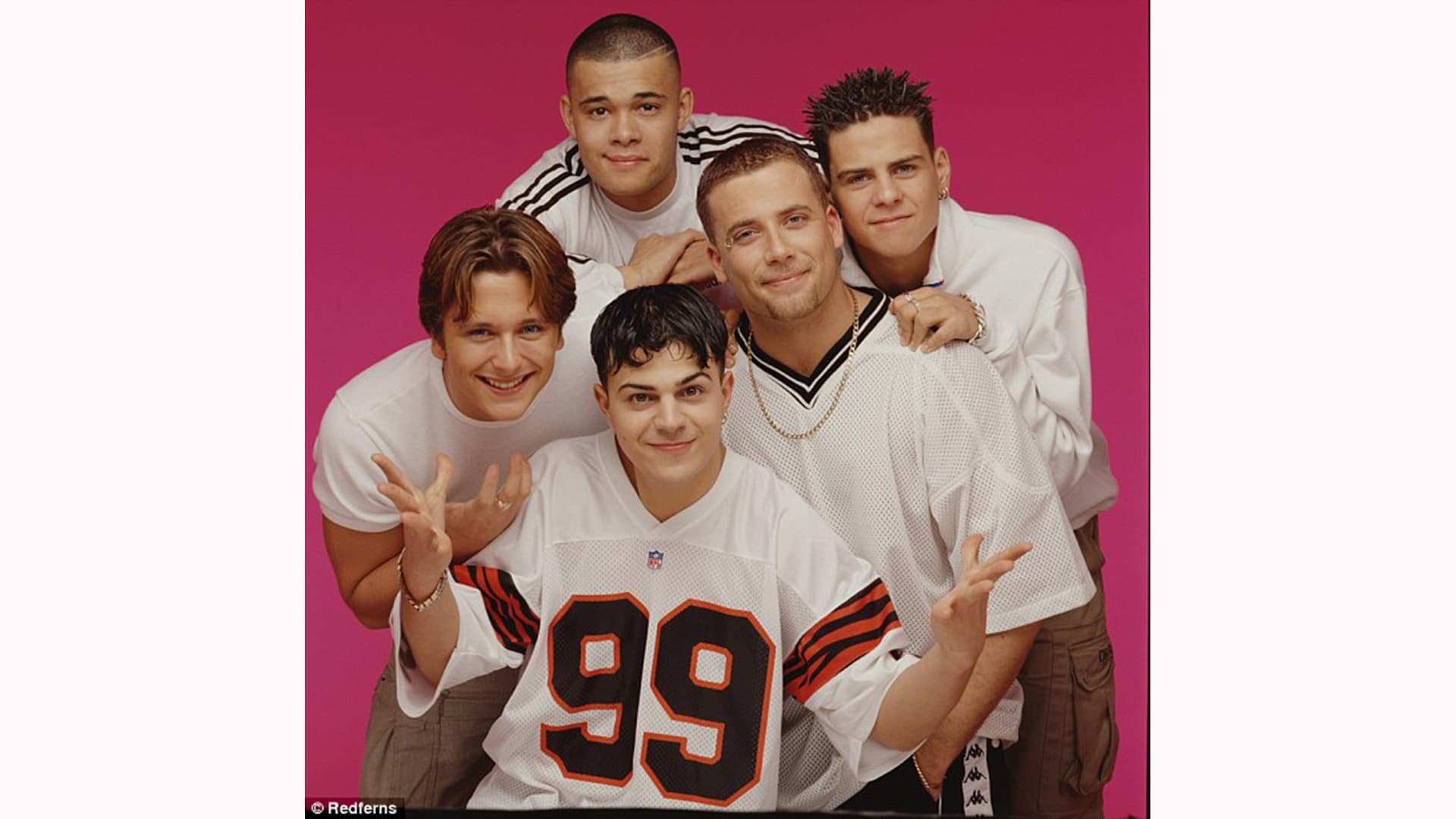
The 1990s are widely regarded as the "best" decade because they represented a unique cultural equilibrium—the "sweet spot" between the tactile, analog world and the dawn of the digital revolution. This era produced timeless classics in film, music, and technology that defined a generation’s identity through tangible social connections and groundbreaking creative shifts before the total saturation of the smartphone era.
The Digital Dawn: Why the 90s Technical Transition Was Unique
To understand why the 90s were the best nostalgic memories timeless classics, one must first examine the technological landscape of the decade. Unlike the hyper-connected world of 2026, the 1990s featured a slow-burn introduction to the digital age. This was the era of the "Digital Dawn," where technology enhanced life without dominating every waking second.
In the early 90s, communication still relied heavily on landlines and physical mail. By the mid-to-late 90s, the introduction of the World Wide Web via dial-up modems changed the paradigm. The iconic screech of a 56k modem is a foundational nostalgic memory for many, representing the literal sound of a doorway opening to a new world. This transition allowed for a sense of wonder that has largely vanished in an age of ubiquitous high-speed fiber.
The hardware of the time also carried a physical weight that modern devices lack. We moved from the chunky, top-loading VCRs to the sleek (at the time) silver DVD players. The transition from the SNES to the Sony PlayStation in 1994/1995 marked the shift from 2D sprites to 3D polygons, a leap in graphical fidelity that felt more revolutionary than almost any iterative update seen in the last decade. Because these changes were so visceral, the memories associated with them remain etched in the collective consciousness as "timeless."
Cinematic Masterpieces: The Era of the Blockbuster and the Indie Darling
The 1990s are frequently cited by film historians as one of the strongest decades in cinema history. This was a period where big-budget blockbusters still relied heavily on practical effects, and mid-budget "prestige" films could still dominate the box office.
- The Rise of CGI and Practical Effects: Jurassic Park (1993) remains the gold standard for this balance. Even in 2026, the animatronic T-Rex holds up against modern digital renders because it had physical presence on set. This tangible quality is a core reason why 90s films are considered timeless classics; they feel "real" in a way that entirely green-screened productions often do not.
- The Indie Revolution: The 90s saw the emergence of directors like Quentin Tarantino, whose Pulp Fiction (1994) redefined narrative structure. Meanwhile, the "Disney Renaissance" produced hits like The Lion King (1994) and Beauty and the Beast (1991), which continue to be the foundational stories for children even thirty years later.
- The Birth of Pixar: Toy Story (1995) didn't just change animation; it changed how we tell stories about the inanimate world. The fact that these films are still being re-watched and analyzed in 2026 proves their status as enduring cultural landmarks.
These films weren't just content to be consumed; they were events. In the 90s, you couldn't "wait for it to hit streaming." You went to the theater, or you waited months to rent the physical tape at Blockbuster, creating a shared communal experience that fueled long-lasting nostalgia.
The Sound of a Generation: From Grunge to the Pop Explosion
Music in the 90s was characterized by its radical diversity and the death of the "monoculture" as we knew it. The decade began with the raw, distorted guitars of Seattle’s Grunge scene. Nirvana’s Nevermind (1991) essentially killed 80s "hair metal" overnight, ushering in an era of authenticity and "slacker" culture that resonated with Gen X and early Millennials.
However, the 90s were not just about angst. The mid-to-late 90s saw a massive explosion in various genres:
- Hip-Hop’s Golden Age: The 90s produced some of the most influential lyricists in history, including The Notorious B.I.G., Tupac Shakur, and the Wu-Tang Clan. The production styles developed by Dr. Dre and DJ Premier during this time set the blueprint for the next thirty years of urban music.
- The Pop Juggernaut: By 1997, the landscape shifted toward polished, high-energy pop. The Spice Girls, Britney Spears, and Backstreet Boys created a global phenomenon that proved pop music could be both a commercial powerhouse and a defining cultural aesthetic.
- Britpop and Electronic Dance: Overseas, bands like Oasis and Blur defined "Cool Britannia," while the underground rave scene evolved into mainstream electronic acts like The Chemical Brothers and Daft Punk.
The common thread in these musical memories is the medium. Whether it was making a "mixtape" by recording songs off the radio or browsing the aisles of a Tower Records, the act of consuming music was intentional and physical. This intentionality is why these songs are remembered as classics—they weren't just background noise in an algorithm; they were the soundtrack to our lives.
Lifestyle and Fashion: The Aesthetic of Authenticity
Looking back from 2026, 90s fashion has seen more "revivals" than perhaps any other era. This is because 90s style was rooted in a mix of utilitarianism and bold self-expression. From the oversized flannels and combat boots of the grunge era to the neon windbreakers and "mom jeans" of the early 90s, the aesthetic was accessible.
Beyond clothing, the 90s lifestyle was defined by "unplugged" social interaction. This is the era of "latchkey kids" and meeting friends at the mall without the ability to text them every five minutes. There was a requirement for planning and trust. If you said you were meeting at the fountain at 4:00 PM, you had to be there. This lack of constant digital tethering created a sense of freedom that many people in 2026 look back on with profound longing.
The toys of the era—Tamagotchis, Pogs, Beanie Babies, and the original GameBoy—also required physical interaction and shared play. These objects weren't just toys; they were social currency. The "timeless" nature of these memories stems from the fact that they represent a world where we were more present with one another.
Comparison of 90s Icons vs. 2026 Perspectives
The following table illustrates how key pillars of 90s culture have transitioned into the modern day and why they maintain their "classic" status.
| Category | 90s Iconic Entity | 2026 Status / Legacy | Why It Is Timeless |
|---|---|---|---|
| Gaming | Sony PlayStation (1994) | Retro-gaming at an all-time high; PS1 aesthetics used in modern indie games. | Defined the transition to 3D gaming and CD-ROM media. |
| Television | Friends / Seinfeld | Consistently in the top 10 most-streamed shows globally. | Captures a "pre-cellphone" social dynamic that feels cozy and aspirational. |
| Technology | The Walkman / Discman | Vinyl and cassette revival; "Luddite" tech movements. | Represents a time when music was a physical possession, not a subscription. |
| Fashion | Grunge (Flannel/Denim) | Mainstream "Vintage" staple in 2026 luxury and street fashion. | Emphasizes comfort, durability, and "anti-fashion" sentiment. |
| Film | Jurassic Park (1993) | Seen as the peak of "Physical/Digital" hybrid filmmaking. | Proved that spectacle could be grounded in tangible reality. |
The Psychology of Nostalgia: Why We Can’t Let Go
Why do we insist the 90s were the best? Psychologically, nostalgia acts as a "stabilizing force." In 2026, we live in a world of rapid AI advancement, climate uncertainty, and digital fatigue. The 90s represent the last decade of "perceived" simplicity. It was a time of relative economic prosperity in the West, the end of the Cold War, and a general optimism about what the "Year 2000" would bring.
Furthermore, the 90s are the "childhood" or "young adulthood" of the people currently in positions of cultural influence. This means the movies, music, and styles being produced today are often filtered through a 90s lens. This isn't just a refusal to move on; it's an acknowledgement that the 90s created a template for modern entertainment that has yet to be surpassed in terms of pure, relatable human connection.
The "timelessness" of 90s classics is also due to their quality. Because the barrier to entry for creating a movie or recording an album was much higher than it is today, there was a more rigorous vetting process. The "classics" survived because they were built to last, both technically and emotionally.
Frequently Asked Questions
Why is 90s nostalgia stronger than 80s or 70s nostalgia in 2026?
The 90s represent the final era before the internet fundamentally changed human psychology and social structures. While the 70s and 80s are nostalgic, the 90s offer a bridge—enough technology to feel modern (computers, video games), but not enough to feel overwhelming (no social media, no smartphones). It feels reachable yet distinct from the current digital exhaustion.
What are considered the "Big Three" 90s TV shows for nostalgia?
While subjective, Friends, Seinfeld, and The X-Files are generally considered the "Big Three." Friends provides social comfort, Seinfeld provides observational humor that remains relevant, and The X-Files captured the decade's unique fascination with conspiracy and the unknown.
Did 90s fashion really come back in 2026?
Yes, but with a modern twist. In 2026, we see "Neo-90s" styles where the silhouettes (baggy jeans, crop tops, bucket hats) are identical to 1996, but the fabrics are more sustainable and tech-integrated. The core "look" remains popular because it prioritizes a relaxed, effortless vibe that contrasts with the "filtered" perfection of the 2010s.
What made 90s video games "timeless classics"?
The limitations of the hardware forced developers to focus on gameplay mechanics and art direction rather than just "realism." Games like The Legend of Zelda: Ocarina of Time or Final Fantasy VII had to tell epic stories with limited pixels, leading to iconic character designs and memorable music that remain recognizable even to those who didn't play them in the 90s.
How can I experience 90s nostalgia today?
Engaging with 90s culture in 2026 is easier than ever. You can utilize specialized streaming "90s channels," visit retro-gaming arcades which have seen a massive resurgence, or collect physical media like vinyl and VHS. Many people also adopt "digital minimalism," mimicking the 90s lifestyle by setting specific times to check emails or using "dumb phones" to regain that sense of presence.
Embracing the 90s Legacy in a Modern World
The best way to honor the "timeless classics" of the 90s is not just to consume the media, but to adopt the mindset. The 90s were about exploration, physical connection, and a balanced relationship with technology. In 2026, as we navigate an increasingly complex digital landscape, looking back at the 90s provides a roadmap for a more grounded existence.
Whether you are re-watching The Matrix for the tenth time or finally buying that vintage 1990s mountain bike, the goal is the same: to tap into an era where things felt "built to last." The 90s weren't just a decade; they were a testament to human creativity at the edge of a new frontier. By preserving these nostalgic memories, we keep a piece of that "Digital Dawn" alive, ensuring that the best of the 90s continues to inspire future generations.