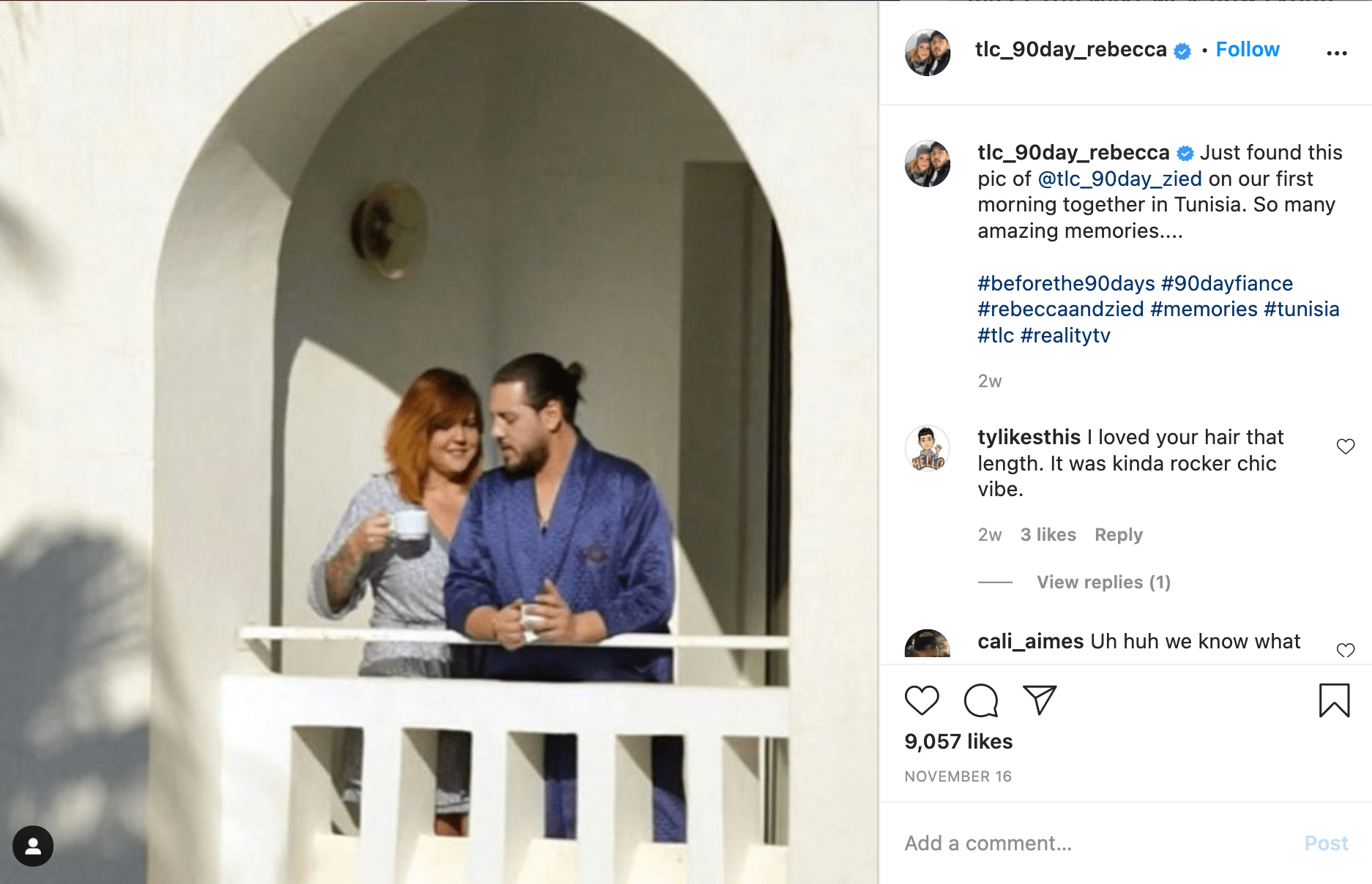
Zied Hakimi and Rebecca Parrott stand out as one of the most resilient couples in the history of TLC's 90 Day Fiancé franchise. By prioritizing clear compromise, respecting religious boundaries, and actively working through substantial age and cultural gaps, they successfully transitioned from a chaotic reality television courtship into a stable, lasting marriage.
The Journey of Zied Hakimi and Rebecca Parrott: From Screen to Stability
The story of Zied Hakimi and Rebecca Parrott began online when the two connected on Facebook. At the time, Rebecca—a private investigator and restaurant manager based in Georgia—was recovering from three previous divorces, including one with a Moroccan ex-husband. Zied, a young media production graduate living in Tunis, Tunisia, was more than 20 years her junior. When their relationship was first broadcast on Season 3 of 90 Day Fiancé: Before the 90 Days, viewers and cast members alike expressed deep skepticism regarding their long-term viability.
Despite intense emotional turbulence, cultural friction, and logistics challenges, the pair navigated the complex K-1 visa process. Zied relocated to the United States during Season 8 of the flagship 90 Day Fiancé series. Facing an extraordinarily tight deadline brought on by the onset of Ramadan and strict visa rules, Zied and Rebecca officially married in April 2020 in North Georgia.
Rather than succumbing to the reality TV breakdown that affects many cross-border couples, Zied and Rebecca built a quiet, enduring partnership. Their evolution demonstrates that high-profile romantic success relies less on effortless compatibility and more on a shared commitment to problem-solving.
Overcoming Structural Hurdles: Age Gaps, Past Marriages, and Cultural Differences
Intercultural relationships often fail when partners underestimate the structural friction created by differing backgrounds, generational viewpoints, and past emotional baggage. Zied and Rebecca faced three primary structural hurdles during their journey, each requiring a distinct strategy to overcome.
- Structural Relationship Hurdles
- Generational & Age Disparity (22-Year Gap)
- Cultural & Religious Alignment (Ramadan Constraints)
- Past Trauma & External Skepticism (Prior Divorces)
Generational Disparity and Social Stigma
With a 22-year age gap, Rebecca and Zied faced social stigma from multiple directions. Rebecca worried about visible signs of aging and fought insecurities regarding whether Zied would eventually want children or seek a younger partner. Zied had to adjust to a partner who had adult children near his own age, while Rebecca had to avoid stepping into an overly managerial or motherly role in Zied's life.
To bridge this gap, both partners had to abandon expectations of standard life-stage symmetry. Zied learned to validate Rebecca’s emotional concerns, while Rebecca resisted the urge to control Zied's choices as he integrated into American society.
Navigating Strict Cultural and Religious Boundaries
Zied is a practicing Muslim from a traditional North African household, whereas Rebecca was raised in a Western environment with standard American social habits. Early in their courtship, tension surfaced over modest clothing choices, alcohol consumption, and physical intimacy—especially in public spaces or during religious holidays.
The defining test of their cultural compromise occurred during the K-1 visa window. Zied expressed that living together unmarried during the holy month of Ramadan went against his religious beliefs. Despite logistical difficulties and friction with Rebecca's family, Rebecca agreed to accelerate their marriage timeline so Zied could remain faithful to his religious practices.
Managing Past Relationship Trauma and Skepticism
Rebecca carried deep emotional wounds from a previous marriage to an immigrant from North Africa, which made her overly hypervigilant toward potential red flags. Her friends and family—particularly her daughter Tiffany and son-in-law—frequently voiced concern that Zied might be using Rebecca for a green card.
Overcoming this required Zied to display consistent patience and transparency, while Rebecca had to learn not to punish Zied for the actions of her past partners.
5 Core Relationship Lessons from Zied and Rebecca
Analyzing Zied and Rebecca’s relationship reveals concrete, repeatable principles for couples navigating significant cultural, age, or geographical differences.
1. Prioritize Cultural Boundaries Over Convenience
When conflict arises between personal convenience and a partner's deeply held religious or cultural values, prioritizing those values builds long-term trust. Rebecca's willingness to adjust their wedding plans to accommodate Ramadan sent a clear signal to Zied that his religious identity was valued and protected within their home.
2. Communicate Insecurities Without Placing Blame
Rebecca frequently expressed anxiety over her age and physical appearance. Rather than burying these feelings or attacking Zied out of defensiveness, she spoke openly about her insecurities. Zied routinely responded with simple, consistent validation—often using his widely recognized catchphrase, "so much beautiful"—reassuring her without becoming defensive.
3. Establish Clear Boundaries with Outside Skeptics
Family members and friends often express skepticism under the guise of protection. While Rebecca initially allowed her family to interrogate Zied, she eventually set firm boundaries, requiring her adult children to treat Zied with respect once he arrived in Georgia. Real-life couples must present a united front against external criticism to preserve marital trust.
4. Adapt Roles to Support Work and Resettlement Transitions
Moving to a new country on a K-1 visa places the immigrant partner in a position of enforced dependency while awaiting employment authorization. During Zied’s mandatory waiting period before receiving his work permit, the couple developed routines to prevent boredom, isolation, and resentment. Once Zied was authorized to work, he took an active job in retail and sales, restoring balance to their household dynamics.
5. De-escalate Conflict Through Temperament Control
Despite moments of high stress, Zied consistently maintained a calm, steady demeanor during arguments. Controlling emotional outbursts prevents small disagreements over culture or scheduling from escalating into irreparable marital damage.
Strategic Breakdown: Navigating High-Stakes Relationship Friction
The following matrix illustrates the specific friction points faced by Zied and Rebecca, the exact methods they used to address them, and actionable advice for real-world couples facing similar situations.
| Relationship Friction Area | Zied & Rebecca's Tactical Approach | Practical Takeaway for Intercultural Couples |
|---|---|---|
| Religious Obligations vs. Legal Deadlines | Accelerated wedding schedule to finalize the marriage prior to Ramadan. | Respect non-negotiable cultural or religious windows, even if it requires altering logistical plans. |
| Generational & Age Insecurities | Open discussions regarding body image, aging, and life milestones without assigning blame. | Normalize transparent conversations about age-related fears rather than projecting them onto your partner. |
| Family & Social Skepticism | Set firm boundaries with adult children and friends regarding disrespect or invasive questioning. | Protect your partner from external family hostility by establishing a strict united front early on. |
| Immigration Adjustment & Dependency | Developed home routines during the work authorization wait; supported job seeking once cleared. | Plan for the emotional toll of temporary financial dependence during visa processing. |
| Communication & Language Barriers | Used plain-language messaging, translation software when necessary, and emotional reassurance. | Simplify dialogue during complex arguments to ensure both partners understand intent over word choice. |
Frequently Asked Questions About Zied and Rebecca
Are Zied and Rebecca still together?
Yes, Zied Hakimi and Rebecca Parrott remain married. After tying the knot in April 2020, they established a stable life together in Georgia, frequently sharing updates about their home, joint projects, and travels.
What is the age difference between Rebecca and Zied?
There is a 22-year age gap between Rebecca Parrott and Zied Hakimi. Rebecca was born in 1971, while Zied was born in 1993.
Why was marrying before Ramadan so critical for Zied?
In Islamic tradition, cohabiting with a member of the opposite sex without being married is considered improper, a status heightened during the holy month of Ramadan. Zied felt strongly that living in the same home as Rebecca while unmarried during Ramadan violated his religious beliefs, prompting them to marry sooner than initially planned.
How did Zied handle the transition to living in the United States?
Zied faced initial challenges including language barriers, social isolation, and an inability to work legally while awaiting his employment authorization card. He managed this period by building local connections, learning driving skills, and eventually securing employment in retail furniture sales once his work permit was approved.
What visa type did Zied use to move to the United States?
Zied entered the United States on a K-1 nonimmigrant visa, which requires foreign fiancés of U.S. citizens to marry their sponsor within 90 days of arrival.
Building a Resilient Intercultural Partnership
Translating Zied and Rebecca’s relationship journey into actionable self-improvement requires a systematic approach to cross-cultural romance. Couples navigating similar structural hurdles should execute the following steps:
- Establish Non-Negotiable Values Early: Sit down with your partner to identify religious, cultural, or familial boundary lines that cannot be compromised.
- Designate a Visa and Logistics Roadmap: If dealing with international immigration, outline clear timelines for legal applications, legal marriage, and job authorization, factoring in buffer time for religious holidays or unexpected delays.
- Audit External Influences: Identify friends or family members whose skepticism threatens the health of the partnership, and set firm, clear boundaries regarding their behavior.
- Practice Intentional De-escalation: When language or cultural barriers distort a conversation's intent, pause the debate and focus on basic, clear emotional validation before resuming discussions.
By moving past superficial differences and focusing on shared commitment, respect, and emotional maturity, cross-cultural couples can build a stable, long-lasting relationship outside the spotlight.