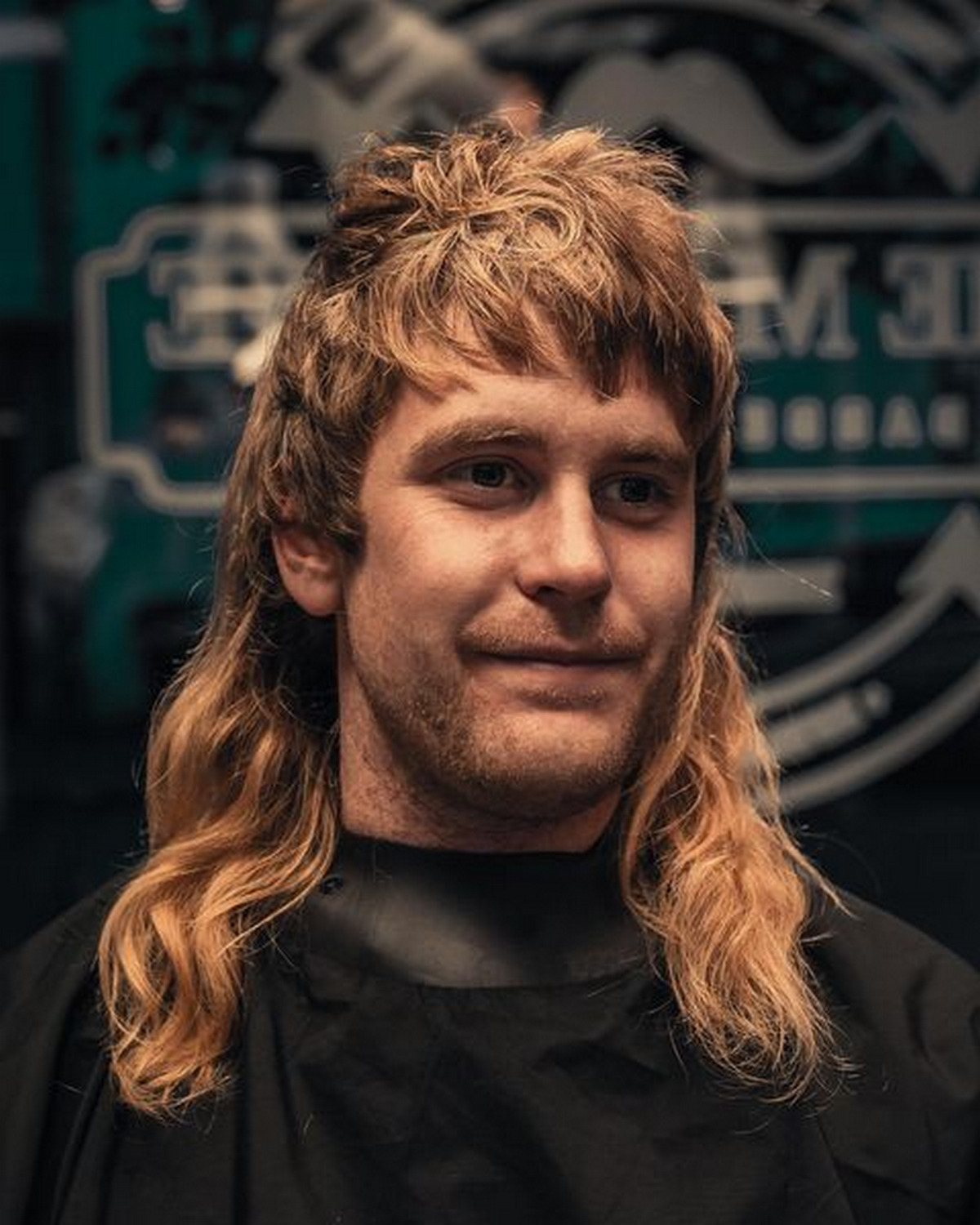
80s rockstar hair represents one of the most visually distinctive movements in music and fashion history, characterized by extreme volume, heavy backcombing, chemical perms, and aerosol lacquers. Defined by glam metal, hard rock, and new wave artists, these iconic styles reflected the larger-than-life stage personas, theatrical defiance, and MTV-driven aesthetic that dominated the 1980s entertainment landscape.
The Cultural Impact of 1980s Rock Hair Culture
The explosion of hair metal and hard rock in the 1980s transformed hair from a personal grooming choice into a primary instrument of artistic branding. Driven by the visual medium of MTV, launched in 1981, bands no longer relied solely on audio recordings to reach global audiences. A group’s visual identity became as critical as their guitar riffs, and nothing communicated theatrical rebellion faster than gravity-defying hair.
The aesthetic grew out of late-1970s glam rock (pioneered by artists like David Bowie and Marc Bolan) and the raw energy of punk rock. However, 1980s rock musicians pushed these foundations to unprecedented heights. Stadium rock venues required visual elements that could be perceived from hundreds of feet away, compelling performers to maximize their physical footprint through padded leather shoulders, bright stage lighting, and massive, aerosol-sculpted hair.
Gender norms in fashion were also challenged during this era. Male rock stars embraced cosmetics, lace, spandex, and intricate hair care routines previously associated with female beauty culture. This blending of hyper-masculine bravado with theatrical, feminine grooming created a distinct visual language that dominated pop culture for over a decade.
Iconic 80s Rockstar Hairstyle Breakdown
Different sub-genres within 1980s rock developed distinct variations of high-volume hair. Understanding these core styles requires examining their technical cuts, maintenance needs, and key practitioners.
80s Rock Hair Spectrum:
- Glam Metal Mane
- Extreme Teasing
- Permed Roots
- Max Hairspray
- Feathered Mullet
- Short Top/Front
- Long Cascading Back
- Layered Side Wings
- Sleaze Rock Shag
- Layered Texture
- Bandanas & Caps
- Natural/Matte Finish
The Glam Metal Teased Mane
The quintessential "big hair" of the decade was defined by uniform root elevation, soft perms, and extensive backcombing. Bands operating on Los Angeles's Sunset Strip—such as Poison, Mötley Crüe, Ratt, and Cinderella— popularized this high-maintenance look.
- Structure: Long layers cut throughout the interior to reduce weight, allowing the hair to expand laterally and vertically.
- Key Artists: C.C. DeVille (Poison), Mick Mars (Mötley Crüe), Tom Keifer (Cinderella).
- Technique: Hair was often chemically permed to create an underlying wave structure, then systematically backcombed from the crown to the tips before being frozen in place with high-hold lacquers.
The Feathered Rock Mullet
Combining executive business neatness with wild stage length, the rock mullet became the definitive crossover style of the middle-to-late 1980s. Unlike standard working-class mullets, the rockstar variation prioritized feathered side wings, crown height, and long, cascading rear tendrils.
- Structure: Short to mid-length layers at the front and sides, feathered backward away from the face, paired with un-trimmed length extending past the shoulders at the nape.
- Key Artists: Jon Bon Jovi (mid-80s era), Joe Elliott (Def Leppard), Eddie Van Halen.
- Technique: Radial blow-drying with round brushes pushed the front and side layers backward to create soft, wing-like waves, while the back was left loose or conditioned for wave definition.
The Sleaze Rock Shag and Bandana Stack
As the decade progressed toward the late 1980s, a gritty, blues-infused hard rock counter-movement emerged. Styles shifted away from polished, sprayed coiffures toward darker, more textured, and slightly unkempt silhouettes.
- Structure: Heavily razored, uneven layers with face-framing fringe, frequently combined with headwear.
- Key Artists: Axl Rose and Slash (Guns N' Roses), Michael Monroe (Hanoi Rocks).
- Technique: Less reliance on aerosol sprays and more emphasis on texturizing waxes, pomades, and physical accessories like folded bandanas, top hats, or leather caps to hold the crown down while letting long layers flare outward.
The New Wave and Gothic Spiked Crest
Outside the heavy metal sphere, post-punk, new wave, and gothic rock musicians established an alternative approach to high-volume hair based on geometry, asymmetry, and sharp vertical lines.
- Structure: Asymmetrical undercuts, extreme side-swept bangs, or uniform vertical spikes.
- Key Artists: Robert Smith (The Cure), Billy Idol, Steve Stevens.
- Technique: Heavy application of strong-hold styling gels and freeze-glazes applied directly to wet hair, which was then dried upside down or pulled straight upward to achieve solid structural integrity.
Essential Styling Techniques of the 1980s
Achieving authentic 80s rockstar volume required precise techniques designed to alter the structural integrity of natural hair shafts.
1. Chemical Perming (The Base)
Chemical perming served as the foundation for most male and female rock hair in the 80s. Alkaline perms (using ammonium thioglycolate) were applied using medium-to-small curling rods to break and reform the hair’s disulfide bonds. This process provided permanent texture, porosity, and internal friction, making smooth hair coarse enough to hold dramatic volume.
2. Teasing and Backcombing (The Engine)
Backcombing (or teasing) was the primary mechanism for creating height. Stylists and musicians took small, horizontal sections of hair (roughly one inch thick), held them taut away from the scalp, and repeatedly pushed fine-toothed rat-tail combs from the mid-shaft back down toward the roots. This created a dense, tangled mat of hair at the base, which supported the smoother outer layers draped over it.
3. Thermal Crimping (The Texture)
Hair crimping irons featured serrated heating plates that pressed micro-zigzag waves into straight hair. Crimping served two distinct purposes:
- Full-head crimping: Created an expanded, electric, diffuse silhouette typical of artists like Heart's Ann and Nancy Wilson.
- Root crimping: Applied exclusively to the bottom two inches of hair near the scalp to act as a hidden structural scaffold, lifting the hair without requiring external teasing.
4. Over-Direction Blow-Drying
To maximize root lift before styling, hair was washed, treated with volumizing mousse, and blow-dried against its natural growth direction. Performers regularly dried their hair completely upside down, using high-heat settings to set the root follicle angles upward before applying cold shots to seal the cuticle.
Technical Comparison of 80s Rock Hairstyles
The following table breaks down the technical attributes, structural requirements, and modern adaptability of the decade's core rock styles.
| Hairstyle Variant | Primary Hair Type Required | Key Technical Process | Key Styling Products Used | Structural Hold Level | Modern Replicability |
|---|---|---|---|---|---|
| Glam Metal Mane | Medium to Thick (Permed or Curly) | Root perming, extensive backcombing, canopy smoothing | High-VOC aerosol hairspray, volumizing mousse | Extreme (Rigid) | Low (Requires modification to avoid hair damage) |
| Feathered Rock Mullet | Straight to Wavy | Layered crown cutting, directional round-brushing | Medium-hold spray, blow-dry cream | Medium (Flexible) | High (Modern wolf cuts and shags borrow directly from this) |
| Sleaze Rock Shag | Medium to Coarse (Any texture) | Razor cutting, texturizing interior layers | Texturizing pomade, dry shampoo, matte clay | Low to Medium (Pliable) | High (Fits current textured layer trends) |
| Goth/New Wave Spikes | Fine to Medium (Straight) | Gravity-defying vertical pulling, root locking | Extreme-hold gel, freezing spray, hair glue | Extreme (Rigid) | Moderate (Popular in punk and alternative subcultures) |
Styling Products: Then vs. Now
The chemistry of hair care has evolved substantially since the 1980s. Understanding the differences between vintage products and modern formulations allows for the recreation of retro styles without causing long-term mechanical or chemical damage to the hair.
The 1980s Arsenal
- High-VOC Aerosols: 1980s hairsprays contained high concentrations of volatile organic compounds (VOCs) and fast-evaporating alcohols. Brands like Aqua Net provided a fast-drying, plastic-like film over the hair shaft, effectively gluing strands into a rigid, wind-proof matrix.
- Heavy Alkaline Perms: Vintage perm solutions operated at high pH levels (8.5 to 9.5), which opened the hair cuticle forcefully. While effective for tight curl creation, this damaged the hair's protein structure over time.
- Alcohol-Based Gels: Early styling gels relied heavily on synthetic polymers dissolved in denatured alcohol, which dried out the scalp and left visible flake residue when manipulated after drying.
Modern Alternatives
- Dry Texturizing Sprays & Sea Salt Sprays: Modern texturizers utilize micro-fine minerals (such as zeolite or silica) to create surface friction between strands without sticking them together in a hard shell.
- Root-Lifting Powders: Micro-powders applied directly to dry roots absorb oils and provide instant, reworkable volume that mimics the lift of backcombing without damaging the cuticle layer.
- Acidic-Balanced Perms and Bond Builders: Contemporary perm formulations operate at lower pH levels, often integrated with bond-building treatments (such as bis-aminopropyl diglycol dimaleate) to preserve structural integrity during wave creation.
- Flexible-Hold Lacquers: Modern sprays use adjustable polymers that offer strong hold while allowing the hair to be brushed out without snapping fragile ends.
Step-by-Step: Recreating an 80s Rock Style Today
Recreating a high-volume 80s rock aesthetic using modern, hair-safe techniques requires a structured approach to preparation, texturizing, and setting.
Step-by-Step Recreation Process:
- Prep & Dry
- Volumizing Mousse
- Upside-down Dry
- Build Base
- Thermal Crimping or Powder Lift
- Section & Tease
- Targeted Backcombing at Crown & Roots
- Sculpt Shape
- Directional Brushing
- Tame Flyaways
- Smooth Outer Layer
- Position Accessories
- Final Lock
- Flexible Spray
- Cold Air Set
Step 1: Prep and Thermal Blow-Dry
- Wash hair with a clarifying or volumizing shampoo to remove oils and heavy silicone residues that weigh down roots. Skip heavy conditioners on the crown; apply lightweight conditioner only to the mid-shafts and ends.
- Apply a generous amount of volumizing mousse from roots to tips on damp hair.
- Flip head upside down and blow-dry on medium heat, pushing the hair away from the scalp with your fingers. When 90% dry, switch to a round brush at the crown, pulling hair upward perpendicular to the scalp to set root direction.
Step 2: Establish Interior Structure
- Separate the top canopy of hair (the top half-inch that will remain smooth on surface view) and clip it aside.
- Working on the exposed interior sections, apply a small amount of root-lifting texturizing powder directly to the first inch of hair nearest the scalp.
- Option A (Non-Heat): Use a rat-tail comb to backcomb the root area. Insert the comb 2 inches from the scalp and push down gently in three short, firm strokes. Repeat across interior sections.
- Option B (Heat-Based): Use a micro-crimping iron on the bottom one inch of interior root sections only. Crimp once near the scalp to create hidden expansion.
Step 3: Shaping and Smoothing
- Unclip the top canopy layer and lay it over the backcombed/crimped interior scaffold.
- Lightly brush the surface layer with a natural boar-bristle brush to smooth out any visible tangles, ensuring the underlying teasing remains intact beneath.
- For a rock mullet or shag aesthetic, use a flat iron or curling wand on the outer ends to flip the side layers outward and face-framing fringe inward.
Step 4: Setting and Finishing
- Mist the entire style from 10 to 12 inches away using a high-hold, flexible aerosol hairspray. Avoid spraying closer, as wet droplets can collapse the volume.
- Blast the styled hair with cold air from a hairdryer for 10 seconds to set the shape.
- If incorporating accessories (such as a bandana or hat), place them carefully over the crown before final misting, ensuring you do not flatten the volume behind the headband.
Frequently Asked Questions
Did 80s rockstars use perms, or was their hair naturally curly?
While a few musicians had naturally curly or wavy hair, the vast majority of 80s rockstars relied on professional chemical perms. Rod-wrapped alkaline perms provided the tight base curl and rough hair surface necessary to maintain high-volume teasing under hot stage lighting for hours at a time.
How did musicians protect their hair from severe styling damage in the 80s?
Many did not, leading to significant hair breakage, thinning, and chemical burns over time. Musicians managed the cumulative damage by using leave-in protein conditioners, wearing bandanas or hats during off-stage hours, and frequently cutting damaged ends as styles evolved toward shorter shags late in the decade.
What is the difference between an 80s hair metal mullet and a traditional mullet?
A traditional mullet features short, low-volume hair on the top and sides with simple length in the back. An 80s hair metal mullet features significant height at the crown, layered side wings that are blow-dried away from the face, permed texture, and extensive teasing throughout the top sections.
Can fine, straight hair achieve an 80s rockstar look today?
Yes. Fine, straight hair can achieve 80s-style volume by combining lightweight volumizing mousse, root-crimping on interior sections, and modern silica-based texturizing powders. Avoid heavy creams, pomades, or oil-based products, which will quickly flatten fine hair shafts.
How did the grunge movement of the early 1990s affect 80s rock hair?
The rise of grunge and alternative rock in the early 1990s instantly retired the high-volume, lacquered hair aesthetic. Bands like Nirvana, Pearl Jam, and Soundgarden rejected theatrical stage grooming in favor of un-styled, natural hair, matte textures, and unwashed thrift-store aesthetics, causing hair metal styles to drop out of mainstream fashion almost overnight.
Bringing the 80s Aesthetic into Contemporary Styling
Recreating 80s rockstar hair in a modern context works best when combining historical shapes with contemporary textures. Rather than adopting an exact, lacquer-frozen glam metal look—which can appear costumey outside of theatrical settings—focus on capturing the structural principles of the era through modern haircut techniques.
Contemporary adaptations include the "shag-mullet" and the "modern wolf cut." Both cuts use heavy interior layering, razored ends, and short crown pieces to encourage natural volume without forcing the hair into rigid shapes with aerosol products. Incorporating modern texturizing sprays, matte clays, and heat protectants allows you to achieve authentic 80s height, movement, and attitude while preserving the long-term health of your hair.