The "737 problem" refers to a complex series of technical, systemic, and cultural failures within the Boeing 737 MAX program that led to two fatal crashes and subsequent manufacturing quality crises. As of 2026, the problem is defined by the industry’s long-term transition from reactive fixes to proactive safety management systems (SMS) and rigorous regulatory oversight.
The Genesis of the Crisis: The MCAS Technical Failure
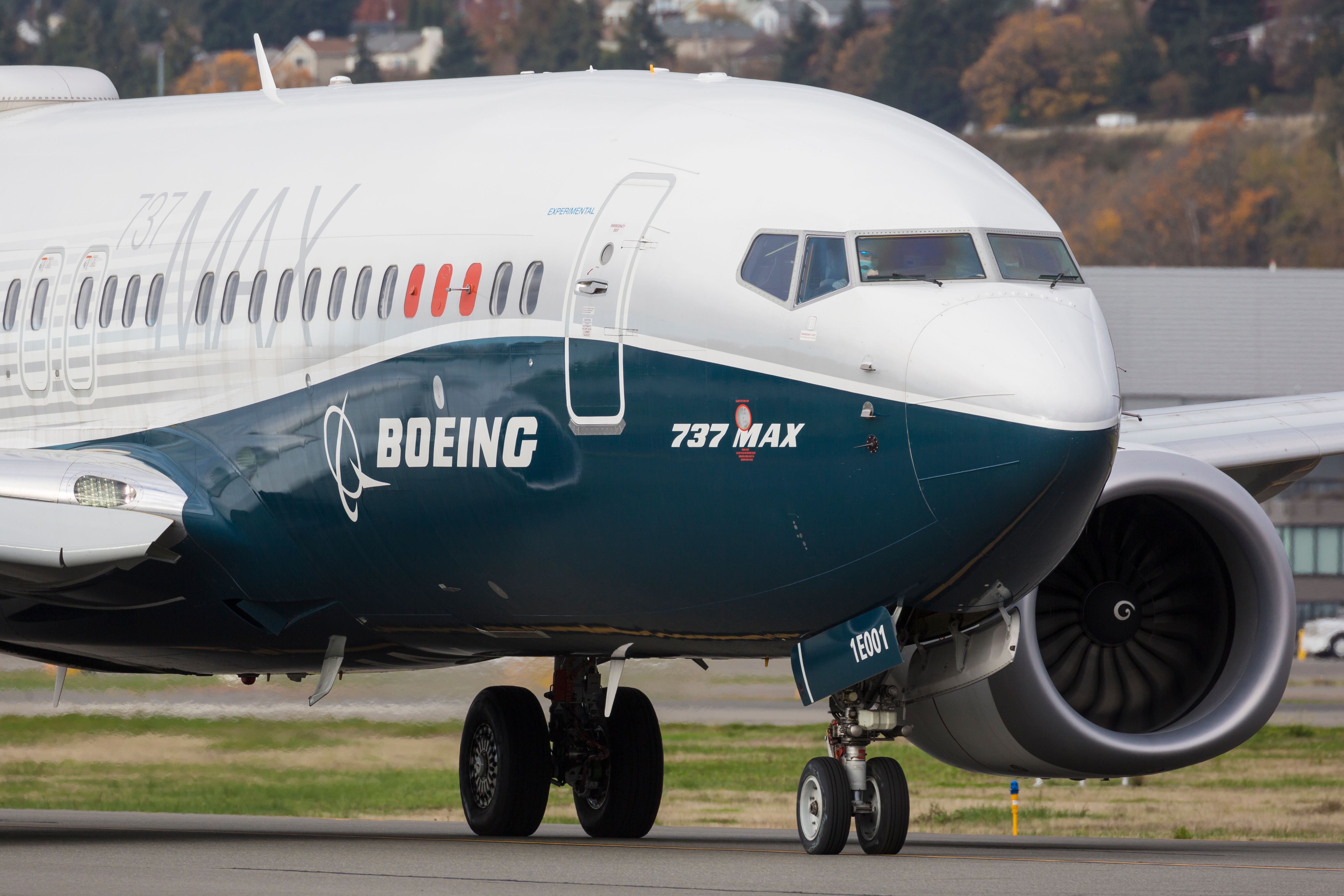
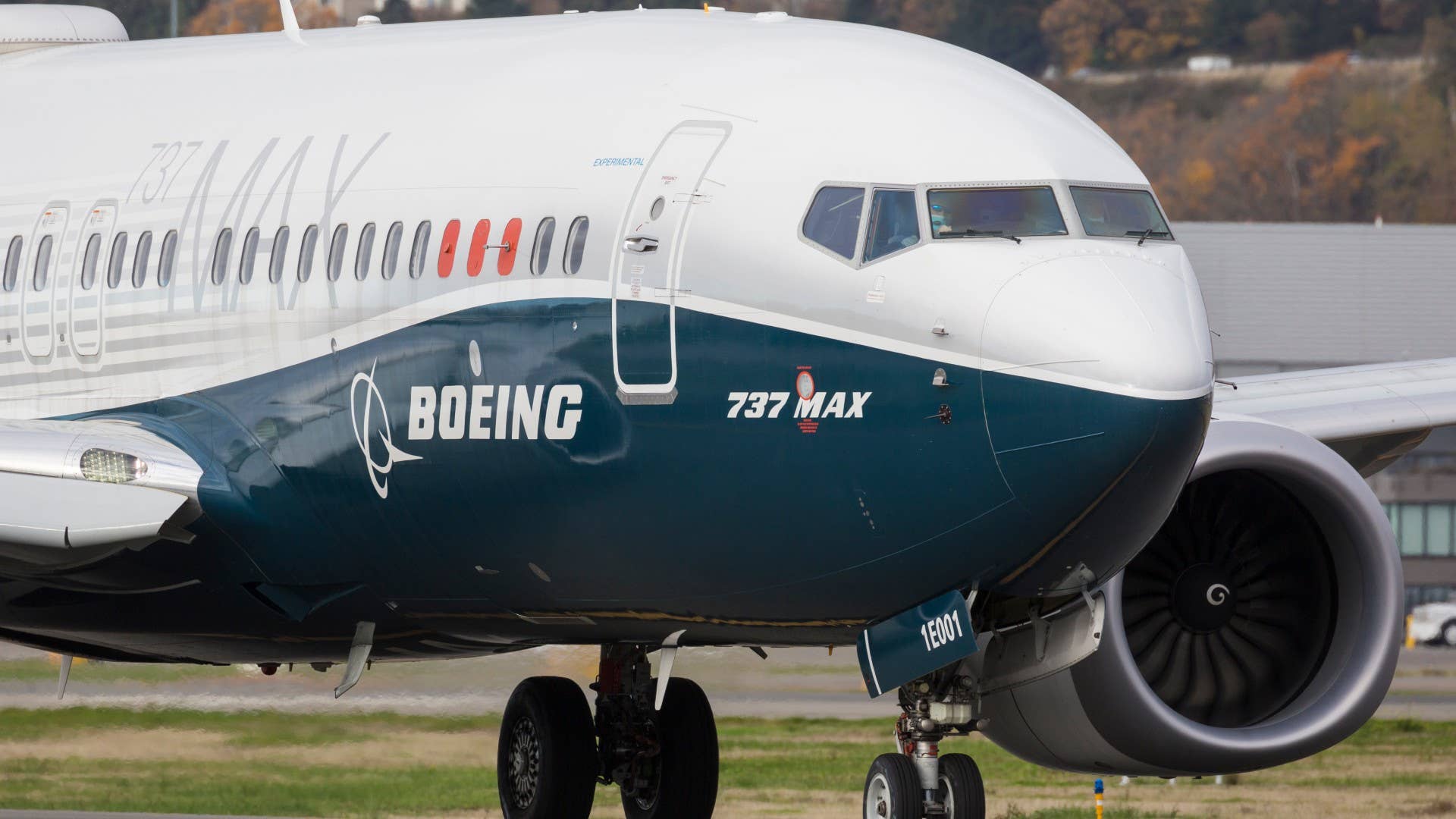
The primary technical "737 problem" began with the development of the 737 MAX, the fourth generation of the Boeing 737 family. To compete with the Airbus A320neo, Boeing equipped the MAX with larger, more fuel-efficient CFM LEAP-1B engines. Because of the 737’s low ground clearance, these engines had to be mounted further forward and higher on the wing than in previous models. This change in placement altered the aircraft's aerodynamics, causing the nose to pitch upward during high-angle-of-attack (AOA) maneuvers.
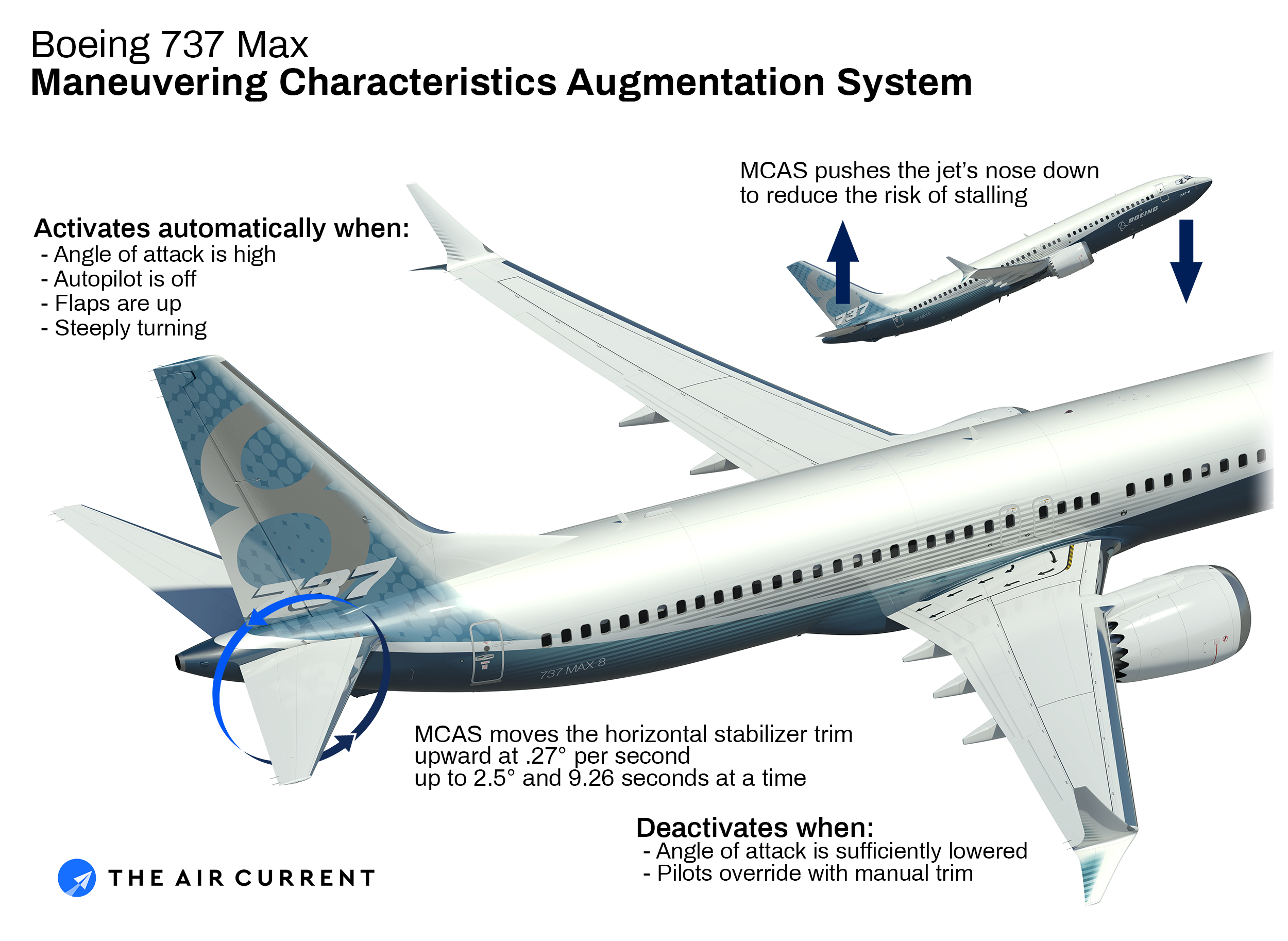
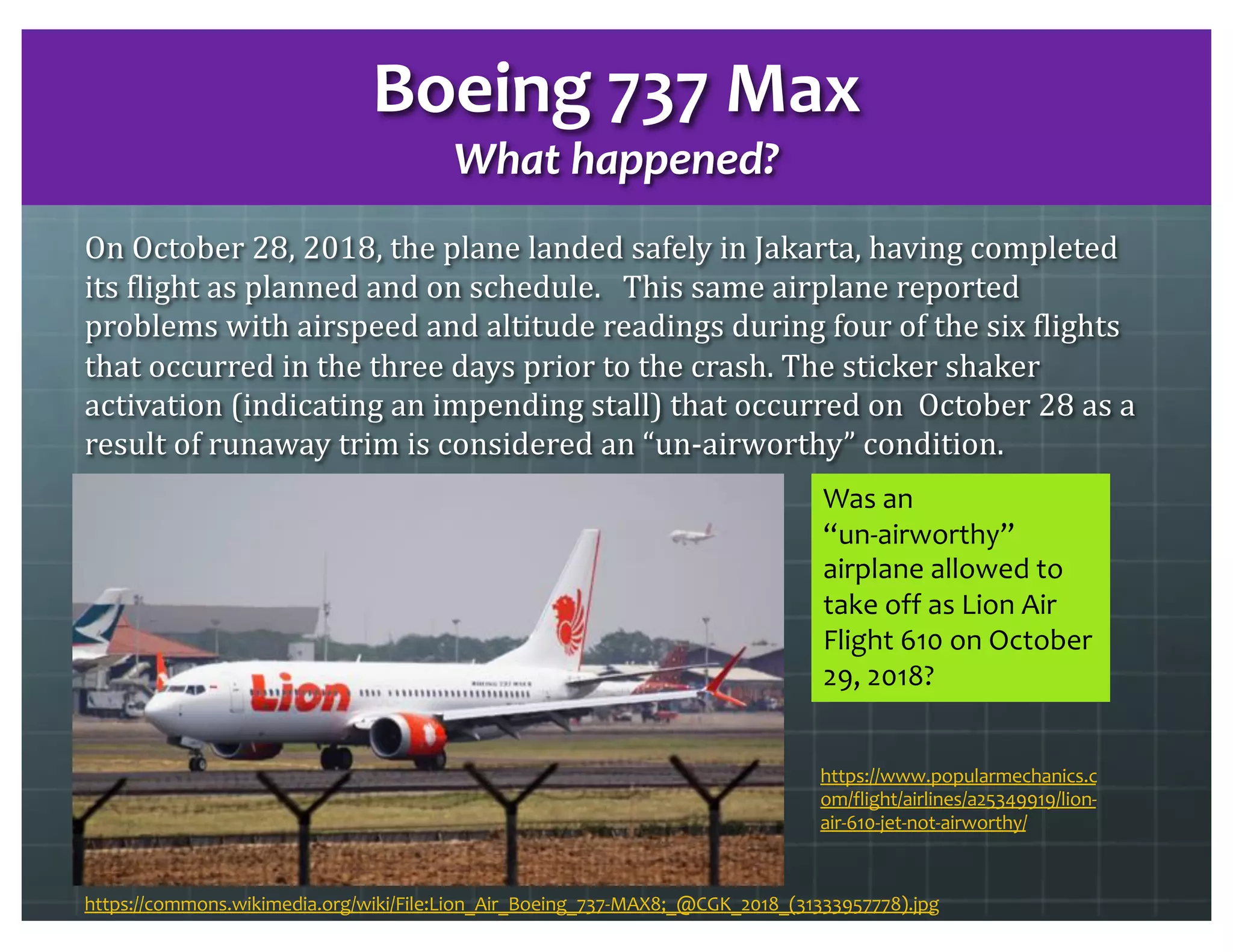
To compensate for this aerodynamic shift and ensure the aircraft handled similarly to the older 737 Next Generation (NG), Boeing developed the Maneuvering Characteristics Augmentation System (MCAS). This software was designed to automatically push the nose down if it detected a stall risk. However, the system’s design contained several critical flaws that led to the crashes of Lion Air Flight 610 in 2018 and Ethiopian Airlines Flight 302 in 2019.
Single Point of Failure
The original MCAS relied on data from a single AOA sensor. If that sensor malfunctioned—providing a "false high" reading—the software would repeatedly activate, forcing the aircraft’s nose down despite the pilots’ efforts to pull up. This violated a fundamental principle of redundant systems in aviation engineering, where critical flight systems should never rely on a single source of data.
Lack of Pilot Awareness and Training
In an effort to minimize pilot training costs and speed up the aircraft’s entry into service, Boeing did not include information about MCAS in the flight manual. Many pilots were unaware the system even existed until after the first crash. This lack of transparency meant that when MCAS malfunctioned, crews were essentially fighting a "ghost in the machine" without a clear understanding of what was counteracting their manual inputs.
Manufacturing Quality and the 2024 Door Plug Incident
While the software issues were addressed through a global grounding and massive updates between 2019 and 2020, a new dimension of the "737 problem" emerged in early 2024. This phase shifted the focus from design flaws to manufacturing and quality control failures.
On January 5, 2024, Alaska Airlines Flight 1282 experienced a mid-air blowout of a Mid-Exit Door Plug (MEDP). The National Transportation Safety Board (NTSB) investigation revealed that the plug, manufactured by Spirit AeroSystems and installed by Boeing, was missing four critical locking bolts required to keep the component in place.
This incident exposed systemic issues in the production line, including:
- Production Pressure: A culture that prioritized delivery schedules over meticulous quality checks.
- Outsourced Component Risks: Heavy reliance on third-party suppliers without sufficient onsite oversight.
- Traveler Documentation Gaps: Instances where work was performed on the aircraft without being properly recorded in the official quality management system.
By 2026, these events have forced Boeing to reintegrate major suppliers and implement "clean-floor" initiatives, where production only proceeds when every component and document is verified as 100% compliant.
Regulatory Shift: From Delegation to Direct Oversight
The "737 problem" also sparked a revolution in how aircraft are certified. Previously, the Federal Aviation Administration (FAA) relied heavily on Organization Designation Authorization (ODA), a system where Boeing employees, acting on behalf of the FAA, performed many of the safety certifications.
The 737 crises revealed that this system created a conflict of interest, where corporate pressure could influence safety decisions. In response, the FAA and international bodies like the European Union Aviation Safety Agency (EASA) have fundamentally altered their relationship with manufacturers.
- Direct FAA Involvement: The FAA has reclaimed direct authority over certain certification tasks that were previously delegated.
- Safety Management Systems (SMS): Manufacturers are now required to implement robust SMS protocols, which treat safety as a continuous, data-driven process rather than a static compliance checklist.
- Whistleblower Protections: New federal laws have strengthened protections for aerospace engineers and mechanics who report safety concerns, ensuring that technical objections reach regulators without fear of corporate retaliation.
Status of the 737 Family in 2026
As of 2026, the 737 MAX fleet is a staple of global short-to-medium haul aviation, but it remains under a microscope. The fleet currently consists of the MAX 8 and MAX 9, which are widely in service, and the MAX 7 and MAX 10, which faced extended certification timelines due to the heightened scrutiny following the earlier "737 problems."
The table below outlines the current status and technical focuses for the 737 family in 2026:
| Variant | Primary Usage | Status in 2026 | Key Technical Focus |
|---|---|---|---|
| 737-7 | Low-demand, long-range routes | Certified; In Service | Finalization of anti-ice system redundancies. |
| 737-8 | Core narrow-body fleet | Fully Operational | Ongoing monitoring of MCAS 2.0 stability. |
| 737-9 | High-capacity domestic | Fully Operational | Enhanced inspection protocols for door plugs. |
| 737-10 | High-density competitor to A321neo | Entering Service | Integration of modern cockpit alerting systems. |
The 737-10, the largest variant, was particularly affected by the "737 problem" legacy. It required a unique landing gear design and updated cockpit alerting systems to meet the more stringent safety standards enacted by the Aircraft Certification, Safety, and Accountability Act.
Pilot Training and the Human-Machine Interface
A critical lesson from the 737 problem was the realization that modern flight decks must be designed around human limitations. In 2026, pilot training for the 737 is significantly more intensive than it was a decade ago.
- Mandatory Simulator Training: Pilots can no longer transition from the 737 NG to the MAX with just a short computer-based course. Full-motion simulator sessions focusing on MCAS failure scenarios, runaway stabilizer trim, and "unreliable airspeed" are now mandatory worldwide.
- Cockpit Alerting Consistency: One of the major criticisms was that the 737's alerting system was a patchwork of lights and sounds developed over 50 years. Recent updates have focused on prioritizing alerts so that pilots are not overwhelmed by "nuisance alarms" during high-stress emergencies.
- Angle of Attack (AOA) Indicators: While previously an optional feature that airlines had to pay extra for, AOA indicators and "AOA Disagree" alerts are now standard equipment on all new 737 aircraft to provide pilots with maximum situational awareness.
Addressing Unresolved Concerns
Despite the technical fixes, the "737 problem" remains a topic of public and professional concern. The "problem" is no longer just about a specific software bug; it is about the long-term reliability of a legacy airframe that has been stretched to its physical and technological limits.
Critics argue that the 737's basic design—dating back to the 1960s—is fundamentally ill-suited for the massive engines and digital flight controls required today. However, Boeing and the FAA maintain that with the 2020-2024 safety enhancements, the 737 MAX is now among the most scrutinized and verified aircraft in history.
The focus for 2026 and beyond is on predictive maintenance. By using real-time data from the aircraft's sensors, airlines can now identify potential mechanical issues before they manifest as flight failures. This shift from "fail and fix" to "predict and prevent" is the ultimate solution to the systemic 737 problem.
FAQ
Is the Boeing 737 MAX safe to fly in 2026?
Yes, the 737 MAX is considered safe to fly by global aviation authorities. After the initial groundings and the 2024 door plug incident, the aircraft underwent more than 20 months of technical review, including flight control software rewrites, wiring harness separations, and manufacturing audits. It is currently one of the most monitored aircraft in the global fleet.
What was the specific software problem with MCAS?
The original MCAS could be triggered by a single faulty AOA sensor, causing it to push the nose down repeatedly in 10-second increments. The updated version (MCAS 2.0) requires data from two sensors, only activates once per event, and can never override the pilot’s ability to pull the aircraft back up using the control column.
How did the 2024 door plug issue change Boeing's manufacturing?
The incident led to a slowdown in production rates mandated by the FAA to ensure quality caught up with volume. Boeing implemented a "Standard Work" protocol, requiring every step of the assembly to be digitally logged and verified by an independent quality inspector before the aircraft moves to the next station on the line.
Why didn't Boeing just build a brand-new plane instead of the MAX?
Designing a "clean-sheet" aircraft costs billions of dollars and takes roughly a decade. Boeing chose to update the 737 because it allowed airlines to maintain "fleet commonality," meaning they could use the same pilots, parts, and maintenance infrastructure, which is significantly cheaper than introducing an entirely new aircraft type.
Does the 737-10 have different safety features?
The 737-10 includes enhanced cockpit alerting systems and a modified landing gear to handle its longer fuselage. It was the last variant to be certified, as it had to meet the highest safety standards established by updated federal laws in the wake of the earlier 737 crises.
Monitoring Future Developments
For travelers and industry professionals, the best next action is to stay informed through official safety bulletins from the FAA (Federal Aviation Administration) and the NTSB (National Transportation Safety Board). Monitoring the "Daily Operations Reports" and "Service Difficulty Reports" provides the most transparent view of how the 737 fleet is performing in real-time. If you are a passenger, you can check your aircraft type during the booking process or via airline apps; however, in 2026, the 737 MAX’s operational record has stabilized to match or exceed its competitors in the narrow-body market.