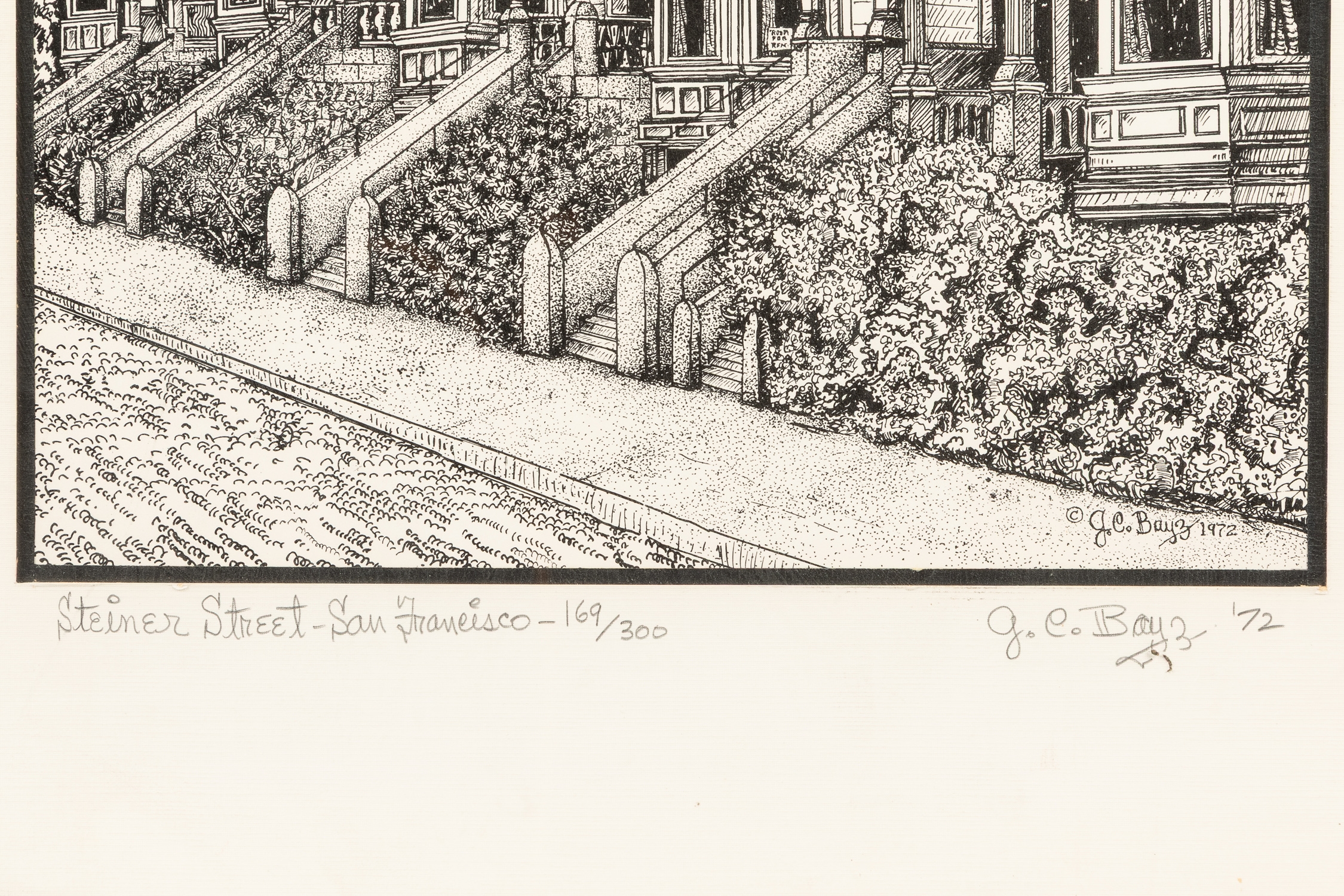
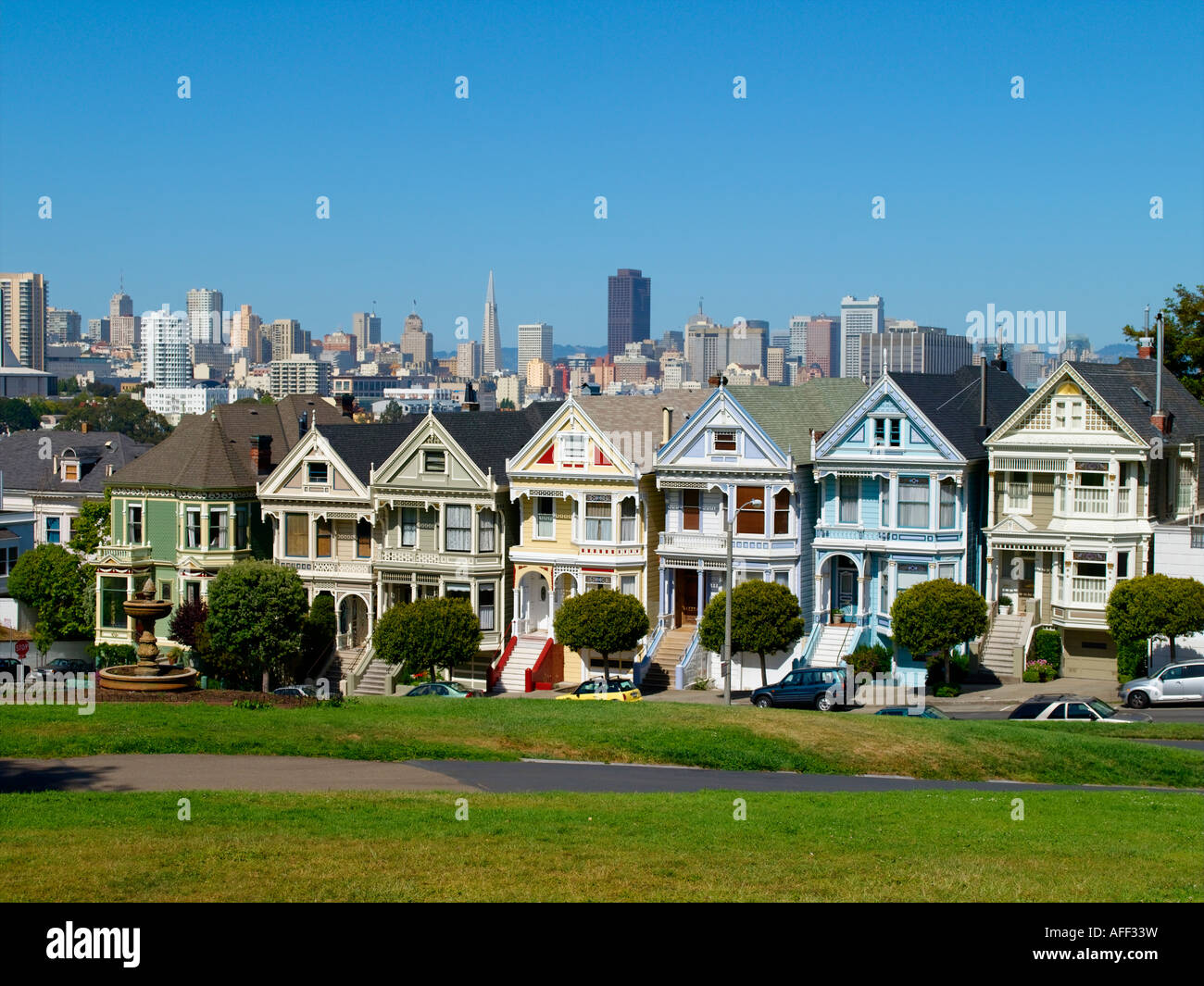
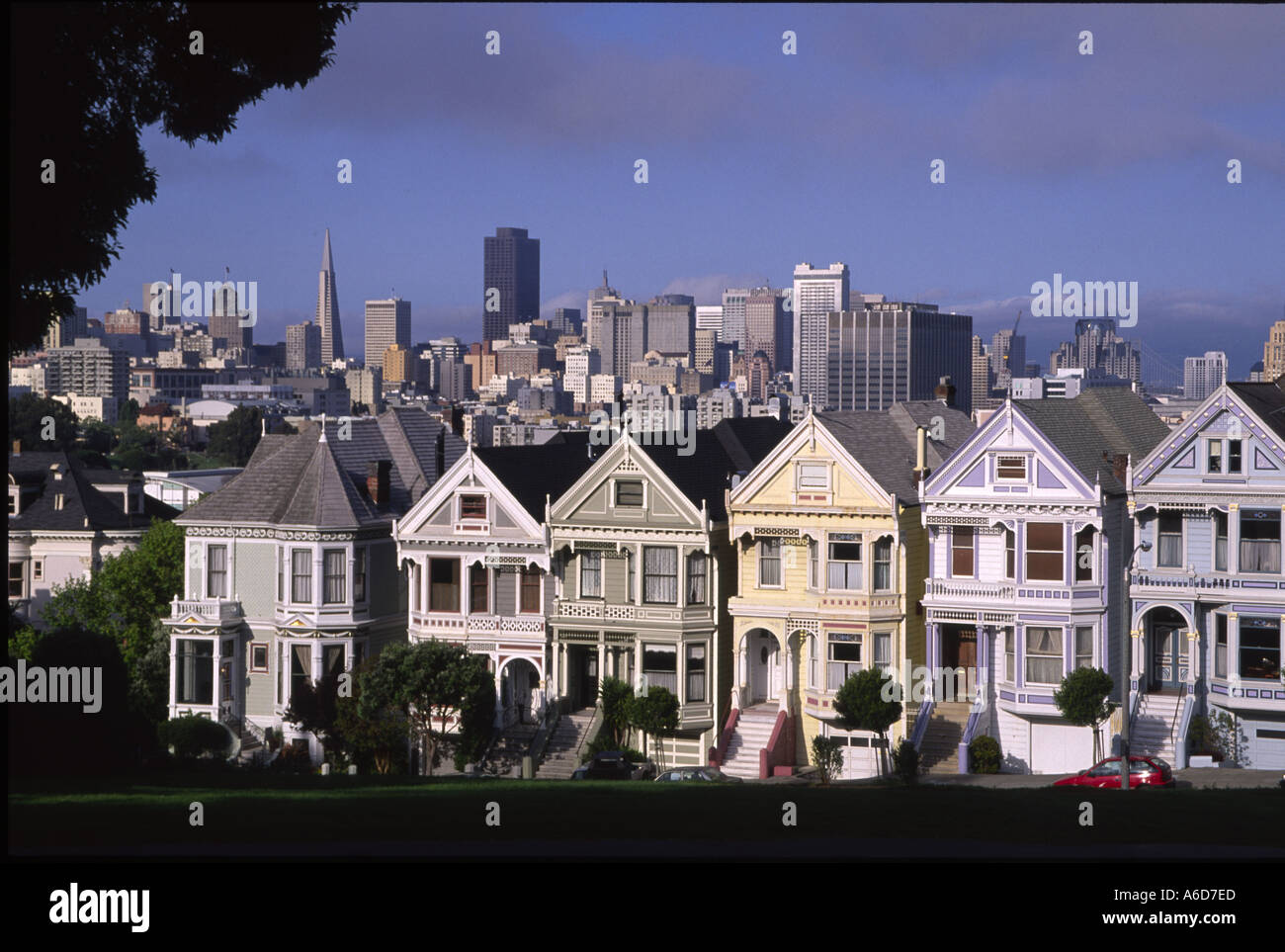
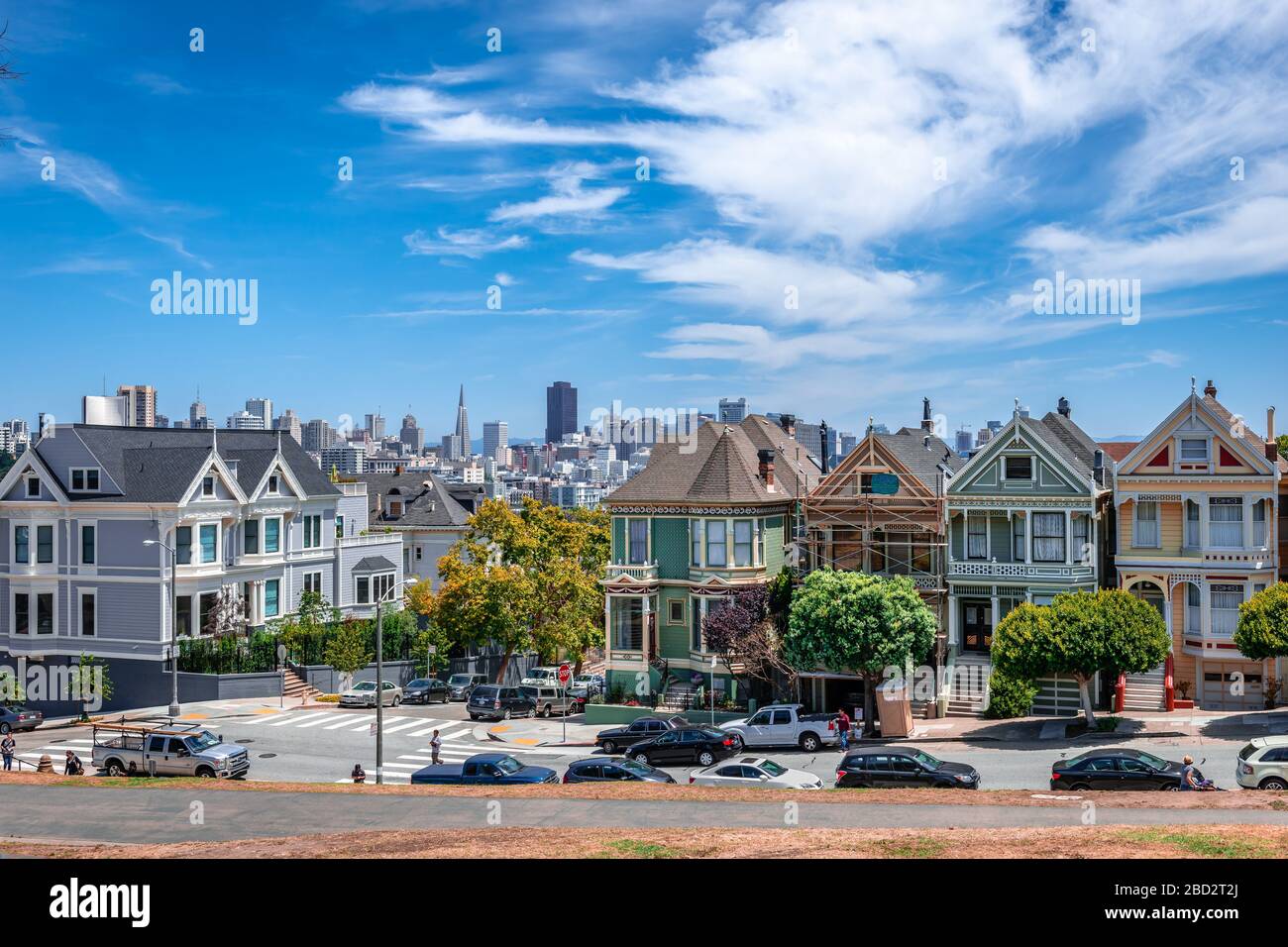
722 Steiner Street is a cornerstone of the famous "Painted Ladies" row, a cluster of Victorian-era homes located in the Alamo Square neighborhood of San Francisco. As a privately owned residence, the property is a landmark of architectural significance, globally recognized for its appearance in historical media and its quintessential role in defining the visual identity of 19th-century San Francisco housing.
The Architectural Significance of Steiner Street
The row of houses along the 700 block of Steiner Street, often referred to as "Postcard Row," represents the pinnacle of the Queen Anne Victorian architectural style that dominated San Francisco’s residential expansion between 1892 and 1896. These structures were designed by Matthew Kavanaugh, a developer and architect who recognized the potential for high-density, high-aesthetic living in the burgeoning Alamo Square district.
The home at 722 Steiner Street is a prime example of the "Painted Lady" aesthetic. The term, popularized by authors Elizabeth Pomada and Michael Larsen in their 1978 book, refers to Victorian and Edwardian houses that have been repainted in three or more colors to embellish or enhance their architectural details. The specific use of high-contrast color palettes—often featuring deep ochres, vibrant blues, and sharp creams—serves to highlight the intricate wooden trim, gables, and spindlework that characterize the facade. This architectural preservation is not merely cosmetic; it acts as a visual record of the late 19th-century building boom in California.
Geographic Context and Alamo Square
Understanding 722 Steiner Street requires an appreciation of the topography and urban planning of San Francisco. The house is situated directly adjacent to Alamo Square Park. This orientation is significant because the elevation of the park provides a natural viewing platform that frames the row of houses against the backdrop of the modern city skyline.
This contrast between the 1890s craftsmanship of the Steiner Street row and the high-rise glass towers of the Financial District creates a unique architectural timeline. For residents and visitors, the area serves as a transition point between the historic Western Addition neighborhood and the more densely developed urban core. The placement of 722 Steiner ensures that it remains one of the most photographed pieces of residential architecture in the United States, largely due to its unobstructed sightline from the park’s eastern ridge.
Practical Considerations for Visitors
It is essential to clarify that 722 Steiner Street is a private residence. Unlike some historical landmarks in San Francisco that offer public tours or museum-style access, the houses on the 700 block of Steiner Street are inhabited by private owners.
Access and Viewing Guidelines
- Public Access: Visitors are welcome to view the exterior of the property from the public sidewalk on Steiner Street or from the vantage point of Alamo Square Park.
- Property Privacy: Trespassing onto the porches, stairways, or private lots of these homes is strictly prohibited. Respecting the privacy of the occupants is a core expectation for all visitors.
- Photography: While photography is permitted from public spaces, drones are subject to strict Federal Aviation Administration (FAA) regulations and San Francisco local ordinances regarding privacy and air safety in urban environments.
- Parking: The Alamo Square area is a high-traffic residential zone. Street parking is limited and heavily enforced. Visitors are encouraged to utilize public transit or ride-share services.
The Cultural Impact of the Iconic Address
The notoriety of 722 Steiner Street is deeply intertwined with its portrayal in popular culture. In the late 20th century, the home—along with the rest of the row—became a permanent fixture in the collective consciousness through film, television, and print media.
The structure’s prominence in media is often attributed to its perfect embodiment of "The San Francisco Look." During the mid-1980s and 1990s, the row became a shorthand for the city itself, appearing in opening credits and establishing shots for various television productions. This saturation in pop culture has cemented the address not just as a piece of real estate, but as a symbolic cultural monument. The historical value of the home is maintained through the San Francisco Landmarks Preservation Advisory Board, which oversees the maintenance of the district’s aesthetic integrity.
Comparison of Historic Residential Landmarks
To understand the position of 722 Steiner Street within the broader scope of San Francisco landmarks, one must look at both the architectural style and the accessibility of these sites.
| Landmark Name | Style | Public Access | Primary Significance |
|---|---|---|---|
| 722 Steiner Street | Queen Anne Victorian | Exterior Only | Iconic "Painted Lady" row |
| Haas-Lilienthal House | Queen Anne Victorian | Guided Tours | Preserved interior/museum |
| Octagon House | Octagonal/Georgian | Limited/Schedule | Rare architectural geometry |
| Spreckels Mansion | French Baroque | Exterior Only | Historic prominence |
This comparison highlights that while 722 Steiner Street offers a superior exterior visual experience, it does not provide the educational interior access that properties like the Haas-Lilienthal House offer. Potential visitors interested in historical interiors should plan their itineraries accordingly.
Frequently Asked Questions
Can I tour the inside of 722 Steiner Street?
No, 722 Steiner Street is a privately owned, single-family residence. There are no interior tours available to the public. The owners maintain the property for private use, and the interior is not accessible for commercial or historical visitation.
What is the best time of day to photograph the house?
Photographers generally find that late afternoon or "golden hour" provides the best lighting. During this time, the sun strikes the front facade from the west, illuminating the intricate colors of the paint and the architectural details of the gables, while creating a dramatic contrast against the city skyline in the background.
Is the Steiner Street row a protected historical site?
Yes, the row of houses at 710–722 Steiner Street is recognized as part of a designated historic district in San Francisco. These structures are protected by local preservation ordinances that prevent significant structural alterations to the exterior, ensuring the character of the street remains consistent with its 19th-century origins.
How do I get to Steiner Street using public transport?
The San Francisco Municipal Railway (MUNI) provides several bus routes that service the Alamo Square area. Lines such as the 21-Hayes frequently stop within a short walking distance of the park. Visitors should check the current MUNI schedules for 2026, as routes are subject to seasonal adjustments and local traffic construction.
Planning Your Visit
When planning a trip to 722 Steiner Street, the most effective strategy is to combine your visit with a broader exploration of the Alamo Square historic district. Rather than making the address a singular destination, consider the park a central node for walking tours that include other notable Victorian architecture in the Western Addition.
Ensure that you observe all posted signage regarding parking and residential privacy. Because the neighborhood is densely populated, local residents rely on limited street parking; utilizing public transit or arriving early on weekday mornings can significantly improve the experience. Always check current weather reports for San Francisco, as the fog—or "Karl"—often obscures the city skyline and can affect the clarity of your photographs or your viewing experience of the iconic houses.