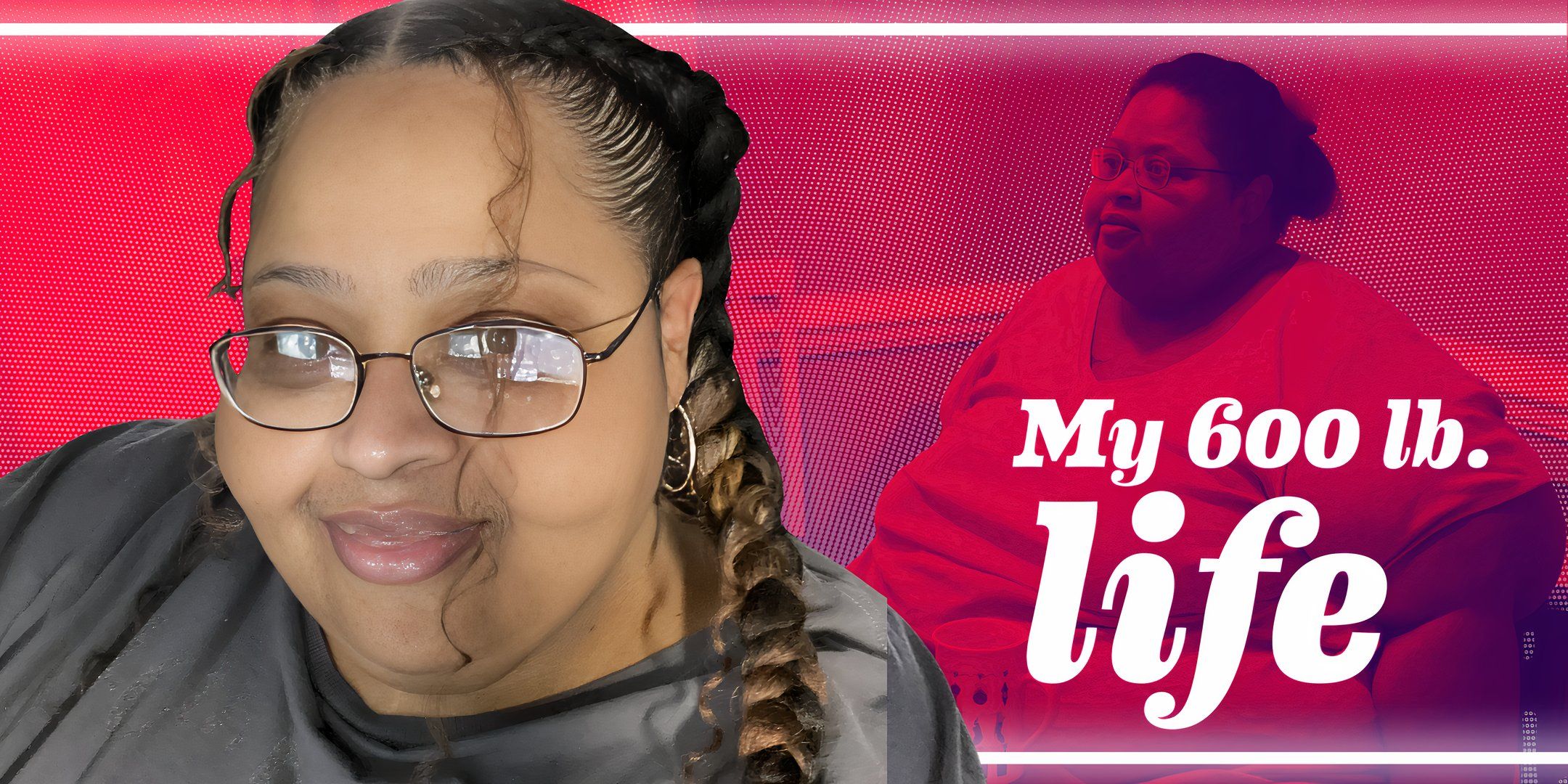
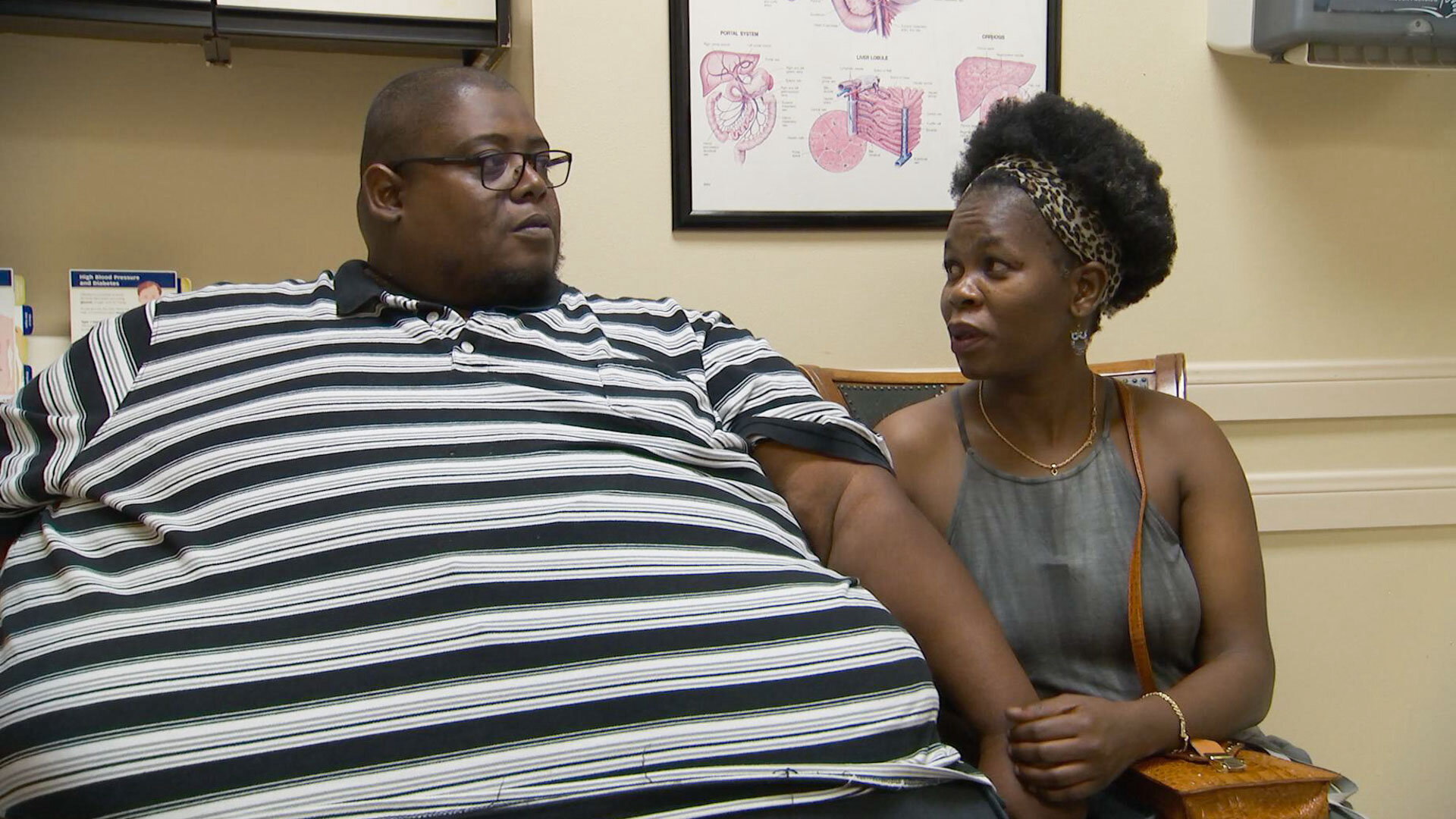
TLC’s reality television show My 600-lb Life chronicles the medical and emotional journeys of individuals living with severe morbid obesity—typically weighing 600 pounds or more—as they attempt to save their lives through bariatric surgery under the care of Houston-based surgeon Dr. Younan Nowzaradan.
The Core Structure of My 600-lb Life: Medical Milestones and Format
Since its debut on TLC in 2012, My 600-lb Life has documented the high-risk efforts of individuals coping with extreme obesity, mobility limitations, and life-threatening comorbidities. Produced by Megalomedia, the show follows participants over a period ranging from one to several years, capturing their initial medical consultations, rigorous lifestyle interventions, surgical procedures, and post-operative recoveries.
The trajectory of a standard episode follows a structured medical framework:
- Initial Assessment and Baseline Evaluation: Participants relocate or travel to Houston, Texas, to undergo extensive physical examinations, blood work, and mobility testing at Dr. Nowzaradan’s clinic.
- Strict Pre-Operative Diet Implementation: Patients are placed on a controlled, low-calorie, low-carbohydrate nutrition plan designed to produce rapid initial weight loss, decrease surgical risk, and reduce liver size prior to operation.
- Psychological Evaluation: Mental health professionals evaluate participants to address underlying emotional trauma, eating disorders, and psychological barriers to long-term compliance.
- Surgical Intervention: Patients who meet weight-loss target thresholds are cleared for bariatric surgery, most commonly a gastric sleeve or Roux-en-Y gastric bypass.
- Post-Surgical Follow-up and Skin Removal: Over the subsequent months, patients adapt to altered digestive anatomy, with eligible candidates later undergoing body contouring and excess skin removal procedures.
While portrayed through a dramatic documentary lens, the series highlights the physiological complexities of treating class III obesity—defined by the World Health Organization as a Body Mass Index (BMI) equal to or exceeding 40 kg/m², though participants on the show frequently exhibit BMIs exceeding 80 kg/m².
Medical Protocols: Diet, Bariatric Surgery, and Psychological Care
The clinical approach depicted on My 600-lb Life centers on aggressive risk mitigation. Patients presenting at 600 pounds face elevated rates of anesthesia complications, cardiovascular strain, pulmonary restriction, and venous insufficiency. Consequently, surgical intervention is rarely the immediate first step.
The Controlled Diet Regimen
Dr. Younan Nowzaradan typically prescribes a high-protein, low-carbohydrate diet restricted to 1,200 calories per day. This regimen serves three primary physiological functions:
- Visceral Fat and Liver Volume Reduction: Rapid calorie restriction decreases glycogen stores and fatty deposits within the liver, improving surgical visualization and lowering the risk of hepatic laceration during laparoscopic procedures.
- Cardiovascular Stabilization: Initial weight loss reduces blood volume demands and systemic vascular resistance, alleviating stress on the heart prior to general anesthesia.
- Behavioral Compliance Testing: Demanding strict adherence upfront tests the patient's capacity to adjust to post-bariatric dietary constraints, where overeating can cause severe mechanical complications.
Surgical Procedures Utilized
Depending on the patient's surgical history, anatomical considerations, and medical risk profile, two primary bariatric operations are performed:
| Feature / Metric | Vertical Sleeve Gastrectomy (VSG) | Roux-en-Y Gastric Bypass (RYGB) |
|---|---|---|
| Surgical Mechanism | Restrictive (resection of stomach tissue) | Restrictive and Malabsorptive (stomach pouch + reroute) |
| Stomach Volume Reduction | Approximately 75% to 80% removed | Small pouch created (~30 mL capacity) |
| Intestinal Rerouting | None | Yes (bypasses duodenum and upper jejunum) |
| Impact on Hunger Hormones | Significant reduction in Ghrelin production | Reduced Ghrelin plus altered incretin (GLP-1/PYY) levels |
| Average Long-term Excess Weight | 50% - 60% excess weight loss | 60% - 70% excess weight loss |
| Common Post-Op Risks | Gastric leak, stricture, acid reflux | Dumping syndrome, marginal ulcer, vitamin deficiencies |
Following successful weight loss stabilization, patients may qualify for excess skin removal surgery (panniculectomy or full-body contouring). Excess skin after massive weight loss can weigh between 20 and 50 pounds, creating severe skin fold dermatitis, chronic infections, and physical mechanical impedance.
Psychological Integration and Behavioral Health
Severe obesity is frequently intertwined with severe psychological trauma, depression, anxiety, and binge eating disorder. The medical protocol shown on the series emphasizes that surgical modification of the gastrointestinal tract does not fix the psychological drivers of disordered eating. Therapy sessions aim to help patients build healthy coping mechanisms, unlearn emotional reliance on food, and process unresolved interpersonal conflicts.
Participant Experiences, Production Realities, and Controversies
While My 600-lb Life offers hope to viewers facing severe obesity, the intersection between medical treatment and reality television production has generated significant discussion and legal scrutiny over the years.
Financial Support and Relocation Assistance
Participating in the program requires participants to relocate to Houston, Texas, to remain near Dr. Nowzaradan’s medical practice. Production covers certain expenses, including an initial appearance fee and assistance with moving costs. Medical procedures performed during filming are generally funded or subsidized through production arrangements and public or private insurance channels.
However, the physical toll of traveling long distances while weighing 600 pounds represents a major barrier. Many subjects require specialized medical transport or modified vans, highlighting the severe infrastructure deficits facing individuals with extreme mobility impairments.
Legal Challenges and Production Scrutiny
Between 2020 and 2022, several former participants and family members of deceased cast members filed lawsuits against the show's production company, Megalomedia. The suits alleged various claims, including:
- Inadequate Psychological Support: Claims that production prioritized dramatic narrative over immediate mental health interventions.
- Financial Misrepresentation: Disputes regarding covered medical expenses and unpaid debts left after filming concluded.
- Staged Scenarios: Allegations that certain high-stress scenes or dietary temptation setups were structured to enhance television narrative.
While many of these lawsuits were subsequently consolidated, dismissed, or settled out of court, they spurred broader industry discussions regarding duty of care and informed consent in medical reality television programming.
Long-Term Outcomes and Realities of Severe Obesity Treatment
The long-term prognosis for individuals starting at 600 or more pounds varies significantly. While the show presents successful transformations where individuals lose hundreds of pounds and regain functional mobility, clinical reality demonstrates that extreme obesity is a chronic, relapsing disease.
Factors Influencing Long-Term Success
- Adherence to Nutritional Guidelines: Maintenance of a reduced-calorie, nutrient-dense diet is mandatory to prevent stretching of the gastric pouch or sleeve over time.
- Psychological Aftercare: Ongoing counseling correlates directly with lower rates of emotional relapse and transfer addiction (such as substance use replacing compulsive eating).
- Physical Rehabilitation: Transitioning from total bed rest to sustained physical activity helps preserve lean muscle mass during extreme calorie deficits.
- Support Network: Family dynamics play a decisive role; enabling behaviors by family members frequently hinder participant progress, whereas structured care networks improve retention and compliance.
Long-Term Complications and Mortality Rates
Due to the extreme systemic burden of morbid obesity, mortality risks remain elevated even after successful weight loss. Cardiovascular disease, pulmonary embolism, severe metabolic dysfunction, and advanced liver disease remain ongoing risks. Several individuals who appeared on the series have passed away years after their episodes aired, often due to pre-existing damage to organ systems caused by decades of severe obesity.
Guidance for Individuals Considering Bariatric Intervention
For individuals seeking substantial weight loss outside the context of a television show, medical experts emphasize standardized, evidence-based care pathways rather than drastic, unmonitored crash diets.
- Consult Primary Care Providers First: Begin with a comprehensive medical assessment, including metabolic panels, cardiac clearance, and endocrine screening.
- Seek Accredited Surgical Centers: In the United States, look for facilities accredited by the American College of Surgeons (ACS) and the American Society for Metabolic and Bariatric Surgery (ASMBS) through the Metabolic and Bariatric Surgery Accreditation and Quality Improvement Program (MBSAQIP).
- Prioritize Comprehensive Teams: High-quality bariatric programs require integrated care teams consisting of a bariatric surgeon, registered dietitian, behavioral therapist, and exercise physiologist.
- Verify Insurance Coverage: Review insurance criteria for bariatric procedures, which typically require documented medical necessity, proof of failed supervised diet attempts, and pre-operative psychological evaluations.
- Establish Long-Term Aftercare: Bariatric surgery is a lifelong management tool requiring continuous nutritional monitoring, vitamin supplementation (such as B12, iron, calcium, and fat-soluble vitamins), and routine follow-up care.
Frequently Asked Questions
What diet plan is used on My 600-lb Life?
Dr. Nowzaradan typically prescribes a customized 1,200-calorie per day diet plan that is low in carbohydrates, low in fat, and high in lean protein. Sugar, processed snacks, high-calorie beverages, and refined carbohydrates are strictly eliminated to induce rapid weight loss and reduce liver size prior to surgery.
Is bariatric surgery safe for individuals weighing over 600 pounds?
While bariatric surgery carries higher risks for individuals with extreme obesity due to cardiovascular stress and anesthesia complications, it is often medically necessary. Performing pre-operative diet regimens to achieve initial weight loss significantly lowers surgical risks before operating.
How much weight do participants need to lose before surgery?
Target weight loss varies per individual based on overall health, starting weight, and medical urgency. Patients are typically asked to lose between 30 and 100 pounds independently over a one- to three-month period to prove dietary compliance and lower operational risk.
What happens if a patient fails to lose weight on the show?
If a patient fails to hit target weight goals, surgery is postponed. Dr. Nowzaradan often orders psychological therapy, inpatient controlled diets, or consultations with dietitians to help the patient address compliance issues before reconsidering surgical eligibility.
Does insurance cover the medical treatments shown on the show?
In real-world settings, major health insurance providers and public programs often cover bariatric procedures if specific medical criteria (such as BMI thresholds and documented comorbidities) are met. On the show, medical costs are managed through a combination of insurance, production subsidies, and participant arrangements.