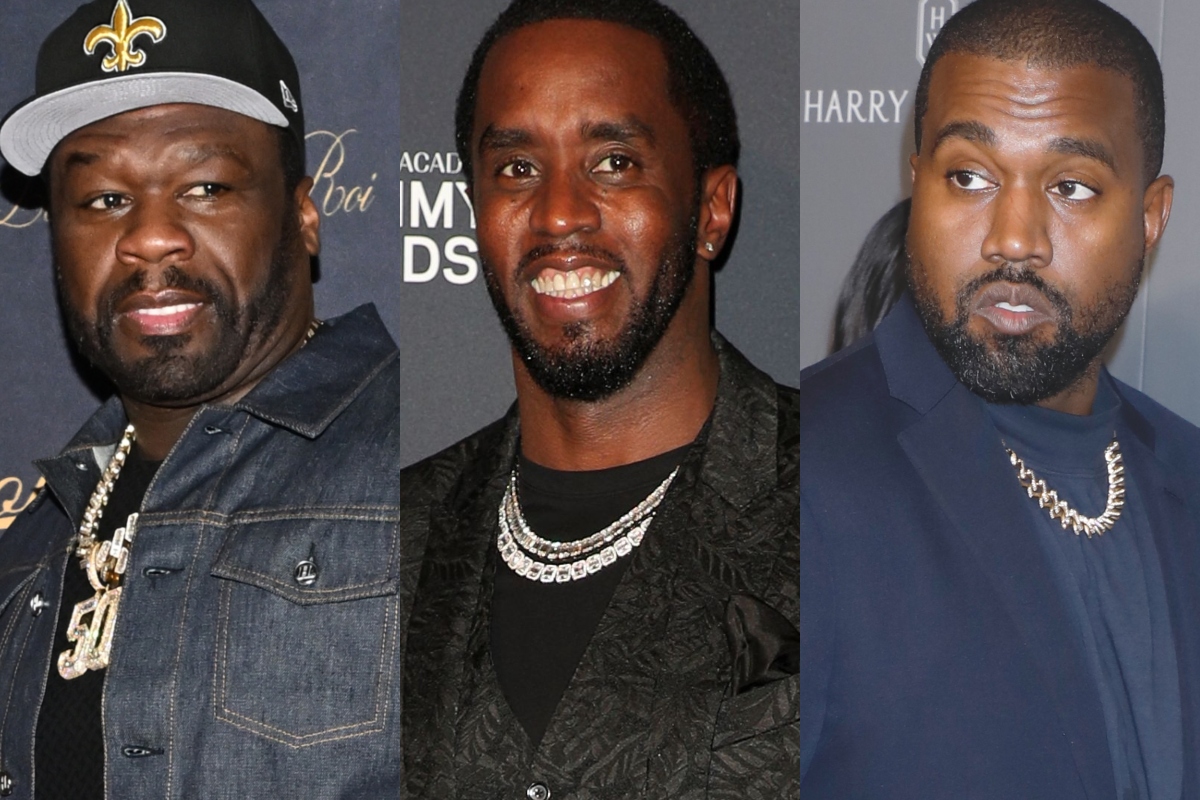
The 2007 sales battle between 50 Cent and Kanye West remains the most influential marketing showdown in hip-hop history. What began as a competitive release date for the albums Curtis and Graduation evolved into a cultural referendum on the direction of rap music, ultimately signaling the end of the "gangsta rap" era and the rise of experimental, melodic hip-hop.
The Origins of the 2007 Sales Battle
In the mid-2000s, 50 Cent was the undisputed heavyweight champion of commercial hip-hop. Following the massive success of Get Rich or Die Tryin’ (2003) and The Massacre (2005), his G-Unit brand was a global powerhouse. Conversely, Kanye West had established himself as a critical darling and a commercial force with a "backpack rapper" sensibility that focused on soul samples and introspective lyricism rather than street violence.
The "beef" was sparked by a scheduling coincidence that was quickly exploited for its narrative potential. Both artists were set to release their third studio albums in September 2007. Originally, 50 Cent’s Curtis was scheduled for a summer release, but after several delays, it landed on September 11. Kanye West’s Graduation was moved from its original late-September slot to the same day.
Rather than viewing the overlap as a risk to sales, both camps—and their respective labels, Interscope (50 Cent) and Def Jam (Kanye)—leveraged the conflict. It wasn't a traditional beef characterized by diss tracks or physical altercations; it was a "sound clash" designed to capture the public's imagination. 50 Cent, ever the master of provocation, leaned into his "bully" persona, while Kanye positioned himself as the creative underdog challenging the status quo.
The Infamous Retirement Bet and Marketing Blitz
As the September 11 release date approached, the rhetoric intensified. The defining moment of the pre-release hype occurred when 50 Cent famously declared that if Kanye West outsold him in the first week, he would effectively retire from releasing solo music.
"If Kanye West sells more records than 50 Cent on September 11, I’ll no longer write music. I won’t put out anymore solo albums," 50 Cent told SOHH.com during the height of the promotion. While he later walked these comments back, calling them a marketing ploy to "raise the stakes," the statement successfully turned a standard album cycle into a high-stakes sporting event.
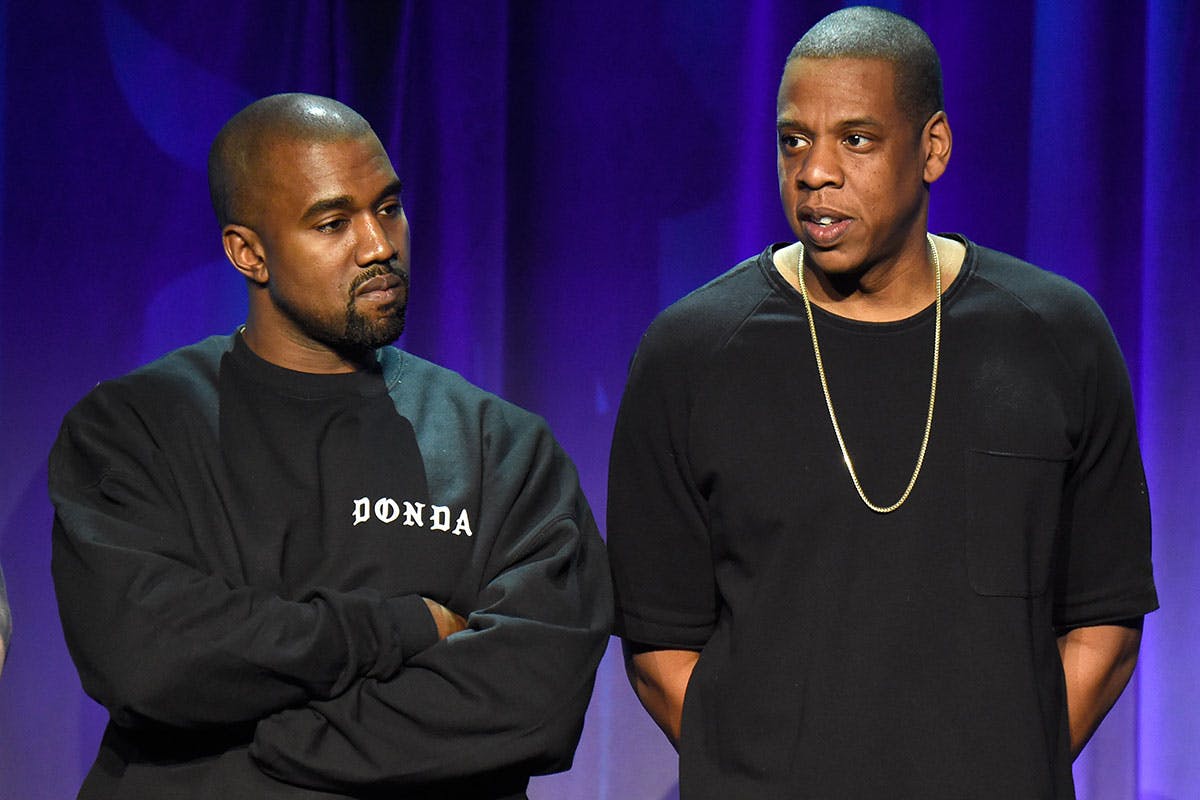
The media coverage was relentless. The two appeared together on the cover of Rolling Stone and shared a stage at the MTV Video Music Awards. This was "friendly" competition in the sense that no blood was spilled, but the industry understood that the soul of the genre was on the line. 50 Cent represented the "street" establishment that had dominated the charts since the late 90s. Kanye represented a new, more eclectic future that wasn't afraid to embrace electronic music, high fashion, and vulnerability.
A Comparison of Sound: Curtis vs. Graduation
To understand why the results shook the industry, one must look at the sonic DNA of both projects. Curtis was an attempt by 50 Cent to refine the formula that made him a star. It featured heavy production from Dr. Dre and Timbaland, with a focus on club anthems and "tough guy" narratives. However, critics argued that the formula was becoming stale. Singles like "Ayo Technology" (featuring Justin Timberlake) were hits, but they felt like calculated attempts to maintain pop relevance rather than organic artistic evolution.
In contrast, Graduation felt like a leap forward. Kanye West moved away from the "chipmunk soul" of his first two albums and toward a stadium-status sound. He drew inspiration from house music, indie rock, and synthesizers. The lead single, "Stronger," which famously sampled Daft Punk, became a global phenomenon that bridged the gap between hip-hop and the burgeoning EDM scene.
Statistical Comparison: The 2007 Showdown
| Feature | 50 Cent: Curtis | Kanye West: Graduation |
|---|---|---|
| Label | Interscope / G-Unit / Shady | Def Jam / Roc-A-Fella |
| Lead Single | "I Get Money" / "Ayo Technology" | "Stronger" / "Can't Tell Me Nothing" |
| First Week Sales (US) | ~691,000 | ~957,000 |
| Production Style | Gritty, G-Funk influenced, Synth-pop | Electronic, Stadium Rock, Soul-sampling |
| Critical Reception | Mixed (Metacritic: 58) | Highly Positive (Metacritic: 79) |
| Guest Features | Akon, Justin Timberlake, Mary J. Blige | T-Pain, Lil Wayne, Mos Def |
The Aftermath: September 2007 Results
When the Nielsen SoundScan numbers were finalized a week after the release, the results were definitive. Kanye West’s Graduation sold 957,000 copies in its first week, while 50 Cent’s Curtis sold 691,000. In any other week, 691,000 would have been a massive triumph, but in the context of the head-to-head battle, it was a clear defeat for 50 Cent.
The victory wasn't just a win for Kanye; it was a win for a different archetype of a rapper. It proved that an artist didn't need a "tough" image to dominate the charts. This opened the door for a generation of artists like Drake, J. Cole, and Kid Cudi, who prioritized melody and emotional transparency over street-level posturing. 50 Cent did not retire, as he had promised, but his grip on the mainstream charts began to loosen as he pivoted more toward his business ventures, including his successful Vitamin Water deal and his eventual transition into television production with the Power universe.
Long-Term Impact on Hip-Hop Industry Strategy
The 50 vs. Kanye battle changed how record labels approached album releases. It proved that "manufactured" rivalry could drive physical sales in an era where digital piracy was beginning to decimate the industry. Before 2007, labels typically avoided releasing two major stars on the same day to prevent "cannibalizing" sales. After 2007, the industry realized that a competitive narrative could actually expand the total market share by turning a purchase into a "vote" for a specific movement.
Furthermore, this event marked the decline of the "Interscope Era" of dominance. For years, the Jimmy Iovine-led label had a stranglehold on the charts with artists like Eminem, 50 Cent, and The Game. Kanye’s win signaled a shift toward the more artist-centric, genre-bending approach that would define the 2010s. It validated the idea that hip-hop was no longer a subculture but a global pop phenomenon that could incorporate any sound—from Daft Punk to Steely Dan.
Subsequent Interactions and Modern Status (2026 Perspective)
Looking back from 2026, the animosity between 50 Cent and Kanye West has largely evaporated, replaced by a mutual respect for each other’s longevity. Over the years, they have occasionally traded barbs on social media, but these interactions lack the competitive fire of 2007. 50 Cent has often praised Kanye’s genius while critiquing his erratic public behavior, and Kanye has acknowledged 50's influence on the business side of the rap game.
In the current landscape, both artists are viewed as legends of a bygone era. 50 Cent is now more recognized as a media mogul and executive producer than a touring rapper. Kanye West, despite his numerous controversies, remains a foundational figure in modern music production. Their 2007 battle is taught in marketing courses and music history classes as the moment hip-hop grew out of its adolescent obsession with "hardness" and entered its experimental adulthood.
Frequently Asked Questions
Did 50 Cent actually retire after losing to Kanye West?
No, 50 Cent did not retire. While he famously claimed he would quit solo music if Kanye outsold him, he later clarified that the statement was intended to generate hype. He released several projects after 2007, including Before I Self Destruct (2009) and Animal Ambition (2014), though his focus eventually shifted toward television and business.
Why did Kanye West win the sales battle?
Kanye West’s victory is largely attributed to the crossover appeal of his single "Stronger" and a general shift in consumer taste. Graduation appealed to a broader demographic, including pop and indie music fans, whereas Curtis was seen as a continuation of a gangster rap sound that was beginning to feel repetitive to the mainstream audience.
Was the beef between 50 Cent and Kanye West real?
The "beef" was primarily a marketing-driven competition rather than a personal feud. Both artists and their labels saw the benefit of a head-to-head battle to boost sales. While there was genuine competitive tension, there was never any reported violence or deep-seated hatred between the two.
What are the best tracks to listen to from this era?
To understand the rivalry, listeners should compare "Stronger" and "Can't Tell Me Nothing" from Kanye’s Graduation with "I Get Money" and "Ayo Technology" from 50 Cent’s Curtis. These tracks perfectly encapsulate the two different directions hip-hop was pulled toward in 2007.
How did the battle affect the future of G-Unit?
The loss to Kanye West is often cited as the beginning of the decline for the G-Unit brand's musical dominance. While members like Lloyd Banks and Tony Yayo continued to release music, the collective never regained the "bulletproof" aura they held from 2003 to 2006.
Revisiting the Classics: A Recommended Action
To truly appreciate the magnitude of this timeline, music fans should conduct a "back-to-back" listening session of both Graduation and Curtis. Start with Curtis to understand the pinnacle of the mid-2000s street-rap sound, then move to Graduation to hear the exact moment the genre pivoted toward the future. For those interested in the business side, the 2007 Rolling Stone cover story remains the definitive contemporary account of how these two icons orchestrated the biggest showdown in the history of the Billboard 200.