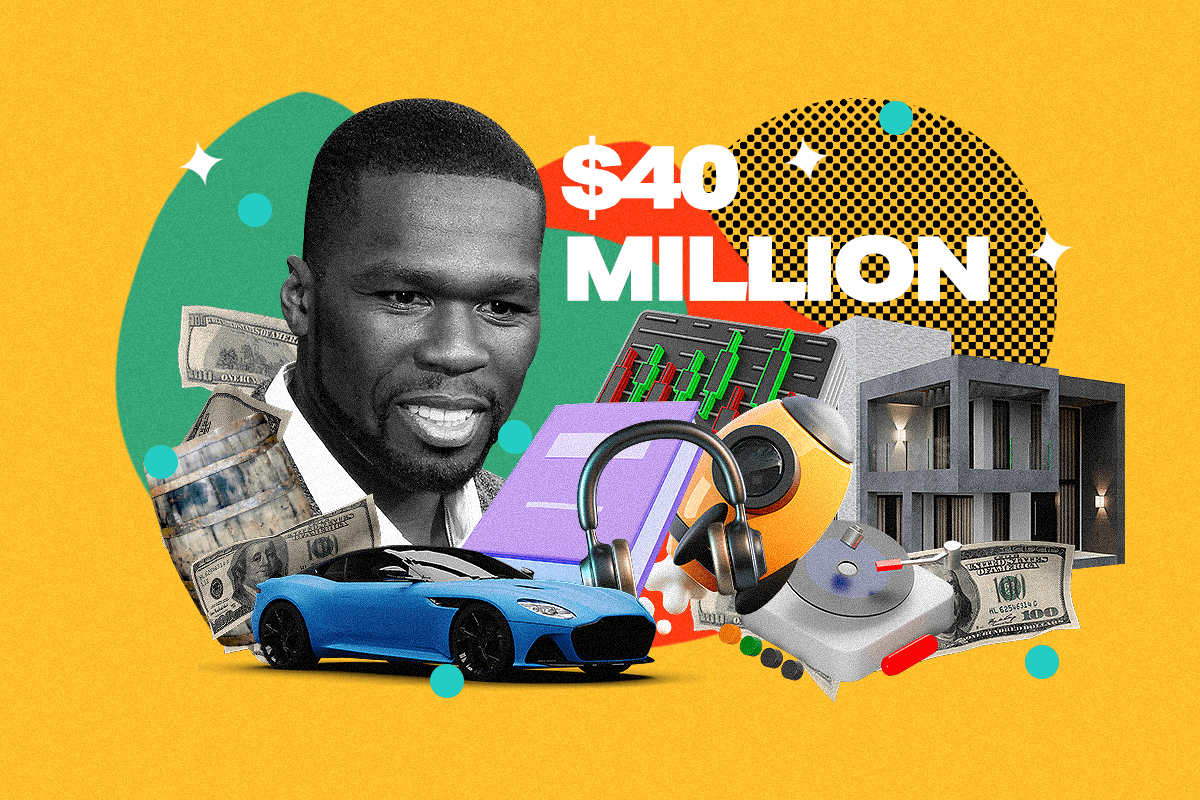
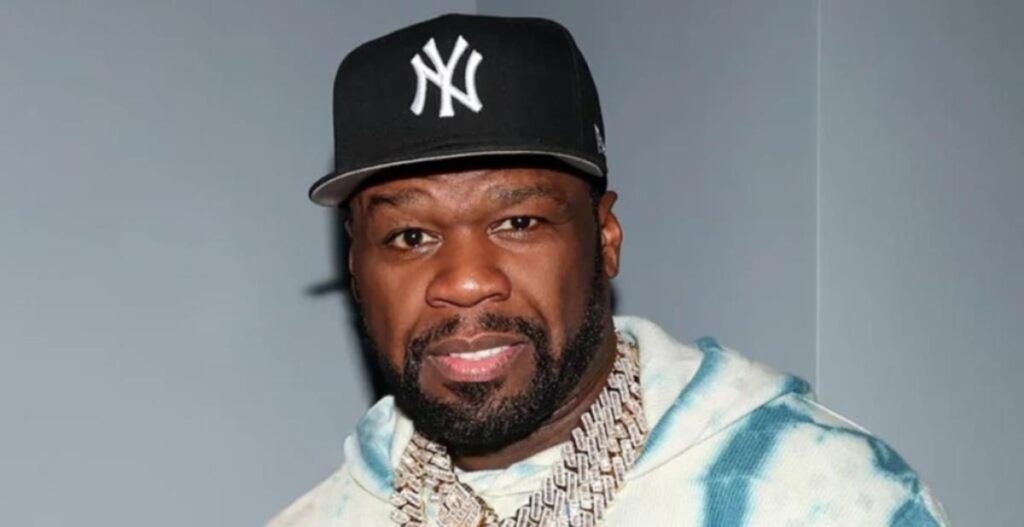
As of 2026, 50 Cent’s verified net worth is estimated to be between $40 million and $50 million. While this figure is lower than his 2015 peak of $155 million, it represents a resilient financial recovery following a strategic Chapter 11 bankruptcy. His current wealth is driven by massive television production deals, spirit brands, and global touring.
The Foundations of the Jackson Empire: Music and Early Branding
Curtis "50 Cent" Jackson did not just enter the music industry; he disrupted it with a business-first mindset that was rare in the early 2000s. After signing a $1 million joint deal with Eminem’s Shady Records and Dr. Dre’s Aftermath Entertainment in 2002, Jackson released Get Rich or Die Tryin’. The album sold 12 million copies within its first year, providing the initial liquidity required to launch his broader corporate interests.
Unlike many of his peers who relied solely on performance fees and royalties, Jackson immediately leveraged his celebrity to create "G-Unit" as a multi-vertical brand. This included G-Unit Records, which signed artists like Lloyd Banks and Young Buck, and G-Unit Clothing. In 2003, he entered a joint venture with Marc Ecko (founder of Ecko Unltd.) to produce G-Unit Footwear and Apparel. At its peak, the clothing line was generating over $100 million in annual retail sales. By selling his stake in the clothing brand back to Ecko in later years, Jackson demonstrated an early ability to exit investments at their valuation ceiling.
The Vitaminwater Windfall: A Masterclass in Sweat Equity
The most significant contributor to 50 Cent’s historical wealth was his partnership with Glacéau, the parent company of Vitaminwater. In 2004, rather than accepting a standard celebrity endorsement fee, Jackson negotiated for a minority equity stake (estimated at 10%) in exchange for the rights to his name and the development of the "Formula 50" flavor.
When Coca-Cola acquired Glacéau for $4.1 billion in 2007, Jackson’s equity stake resulted in a payout estimated between $60 million and $100 million after taxes. This deal remains a landmark case study in "sweat equity," where a celebrity provides marketing value in exchange for ownership rather than a fixed salary. This single transaction elevated him from a wealthy musician to a legitimate titan of industry, setting the stage for his subsequent diversified investments in technology, mining, and consumer electronics.
Strategic Bankruptcy: The 2015 Financial Pivot
In July 2015, 50 Cent made headlines by filing for Chapter 11 bankruptcy protection in the U.S. Bankruptcy Court for the District of Connecticut. This move followed a series of legal setbacks, including a $7 million judgment for a sex tape lawsuit involving Lastonia Leviston and a $17.2 million judgment related to a failed headphone venture with Sleek Audio.
To the public, the filing suggested Jackson was "broke." However, from a technical financial perspective, Chapter 11 is a reorganization strategy used by wealthy individuals and corporations to stay legal proceedings and restructure debt. At the time of the filing, Jackson reported assets between $10 million and $50 million, but acknowledged his liabilities were in a similar range.
In 2017, Jackson was discharged from bankruptcy ahead of schedule after paying off $22 million in debt. He funded this payoff through a combination of insurance settlements and the liquidation of non-core assets. This period was a critical turning point; it allowed him to "clean the slate" and refocus his capital on the emerging television and film market, which would become the backbone of his 2026 valuation.
The Television Empire: G-Unit Film & Television
If Vitaminwater was 50 Cent’s first act, his second act has been defined by his dominance in cable television. In 2014, he executive produced and starred in Power on the Starz network. The show became a cultural phenomenon, leading to one of the most lucrative deals in premium cable history.
In 2018, Jackson signed a four-year developmental deal with Starz estimated to be worth up to $150 million. This agreement birthed the "Power Universe," including spin-offs like Power Book II: Ghost, Power Book III: Raising Kanan, and Power Book IV: Force. Even after the expiration of his exclusive Starz deal, Jackson maintained ownership of his intellectual property and transitioned into a non-exclusive partnership model.
In 2024 and 2025, Jackson expanded his production footprint by opening G-Unit Studios in Shreveport, Louisiana. This massive physical production facility serves as a hub for his own projects and offers third-party production services, creating a steady stream of commercial real estate income and production tax credits. By 2026, his role as a television mogul provides more consistent cash flow than his music catalog, which he has managed to keep largely intact despite industry trends of selling off publishing rights.
Sire Spirits and Modern Revenue Streams
A significant portion of Jackson’s current wealth is tied to Sire Spirits, the umbrella company for his liquor brands: Le Chemin du Roi (champagne) and Branson Cognac. Similar to his Vitaminwater strategy, Jackson has integrated these products into the lifestyle branding of his television shows and music tours.
Sire Spirits has secured high-profile multi-year partnerships with professional sports teams, including the Houston Texans, the Sacramento Kings, and the Indiana Pacers. These deals involve branding the stadium bars and exclusive pouring rights, which stabilize the brand’s valuation by ensuring high-volume, institutional sales. Financial analysts suggest that Sire Spirits is being positioned for a future acquisition by a major conglomerate like Diageo or LVMH, which would potentially provide Jackson with another nine-figure exit.
| Revenue Source | Period of Dominance | Estimated Financial Impact | Primary Business Logic |
|---|---|---|---|
| Music Sales & Royalties | 2003–Present | $50M+ (Cumulative) | High-margin intellectual property ownership. |
| Vitaminwater (Glacéau) | 2004–2007 | $100M (Exit Payout) | Equity-for-endorsement "Sweat Equity" model. |
| G-Unit Clothing/Footwear | 2003–2008 | $100M+ (Retail Rev) | Celebrity-driven lifestyle brand licensing. |
| Starz/Television Deal | 2014–2026 | $150M+ (Contractual) | Executive producer fees and IP ownership. |
| Sire Spirits (Branson/Roi) | 2018–2026 | $20M+ (Annual Rev) | Direct-to-consumer and institutional partnerships. |
| Real Estate & Studios | 2024–Present | Multi-Million (Asset) | Diversification into physical infrastructure. |
Investment Philosophy: The "50 Cent" Methodology
Jackson’s ability to maintain a net worth in the tens of millions despite a public bankruptcy stems from a specific investment philosophy. He avoids passive investments where he has no control. Instead, he focuses on associative value. Whether it is a headphone brand (SMS Audio) or a liquor brand, he utilizes his social media reach—which exceeds 30 million followers—as a "free" marketing engine to drive demand.
Furthermore, Jackson has been vocal about his use of debt and legal structures. He famously said, "Business is like a game of chess." By utilizing the legal protections of the corporate world, he has protected his personal assets from the volatility of his various business ventures. His 2026 portfolio is leaner than his 2015 portfolio, focusing on high-growth areas like digital streaming and luxury spirits rather than the fragmented consumer electronics market.
Frequently Asked Questions
Was 50 Cent ever a billionaire?
No, 50 Cent was never officially a billionaire. At his financial peak around 2015, Forbes estimated his net worth at $155 million. While he has generated over a billion dollars in total revenue across his various brands, his personal net worth—after taxes, management fees, and legal settlements—never reached the billion-dollar threshold.
How did the 2015 bankruptcy affect his career?
The 2015 bankruptcy was largely a legal maneuver to manage debt and court-ordered judgments. It did not significantly damage his career; in fact, it coincided with the rise of his television empire. The bankruptcy allowed him to restructure his finances and pay off $22 million in debt over five years, which he completed ahead of schedule in early 2017.
Does 50 Cent own his masters?
50 Cent owns a significant portion of his music catalog, though the "masters" for his earliest albums (Get Rich or Die Tryin' and The Massacre) were originally owned by Interscope/Aftermath/Shady. However, through his own G-Unit Records, he maintains ownership and control over his later independent releases and the catalogs of the artists he signed.
How much does he make from the Power universe?
While exact figures are private, Jackson’s initial deal with Starz was reported to be worth $150 million over four years. In 2026, he continues to earn millions annually through executive producer fees, royalties, and licensing for the four existing shows in the Power franchise, as well as new projects like BMF (Black Mafia Family).
What is 50 Cent's most profitable business deal?
The Vitaminwater (Glacéau) deal remains his most profitable single transaction. By taking equity instead of cash, he earned an estimated $100 million when Coca-Cola bought the company in 2007. This deal is frequently cited by Harvard Business School and other institutions as a premier example of celebrity brand integration.
Practical Takeaway: Evaluating the Diversified Asset Model
For those analyzing 50 Cent’s wealth as a blueprint for modern entrepreneurship, the key takeaway is the importance of asset diversification. Jackson’s net worth is not tied to a single bank account but is distributed across intellectual property (music and film), physical assets (G-Unit Studios), and consumer goods (Sire Spirits).
By 2026, his financial health is predicated on recurring revenue rather than one-time payouts. For individuals looking to build long-term wealth, the "Jackson Model" suggests that moving from a service-based income (performing) to an ownership-based income (equity and IP) is the only way to sustain a high net worth through market fluctuations and legal challenges. Monitoring the performance of Sire Spirits and his Louisiana studio expansion will be the primary indicators of whether his net worth trends upward toward his previous record highs in the coming decade.