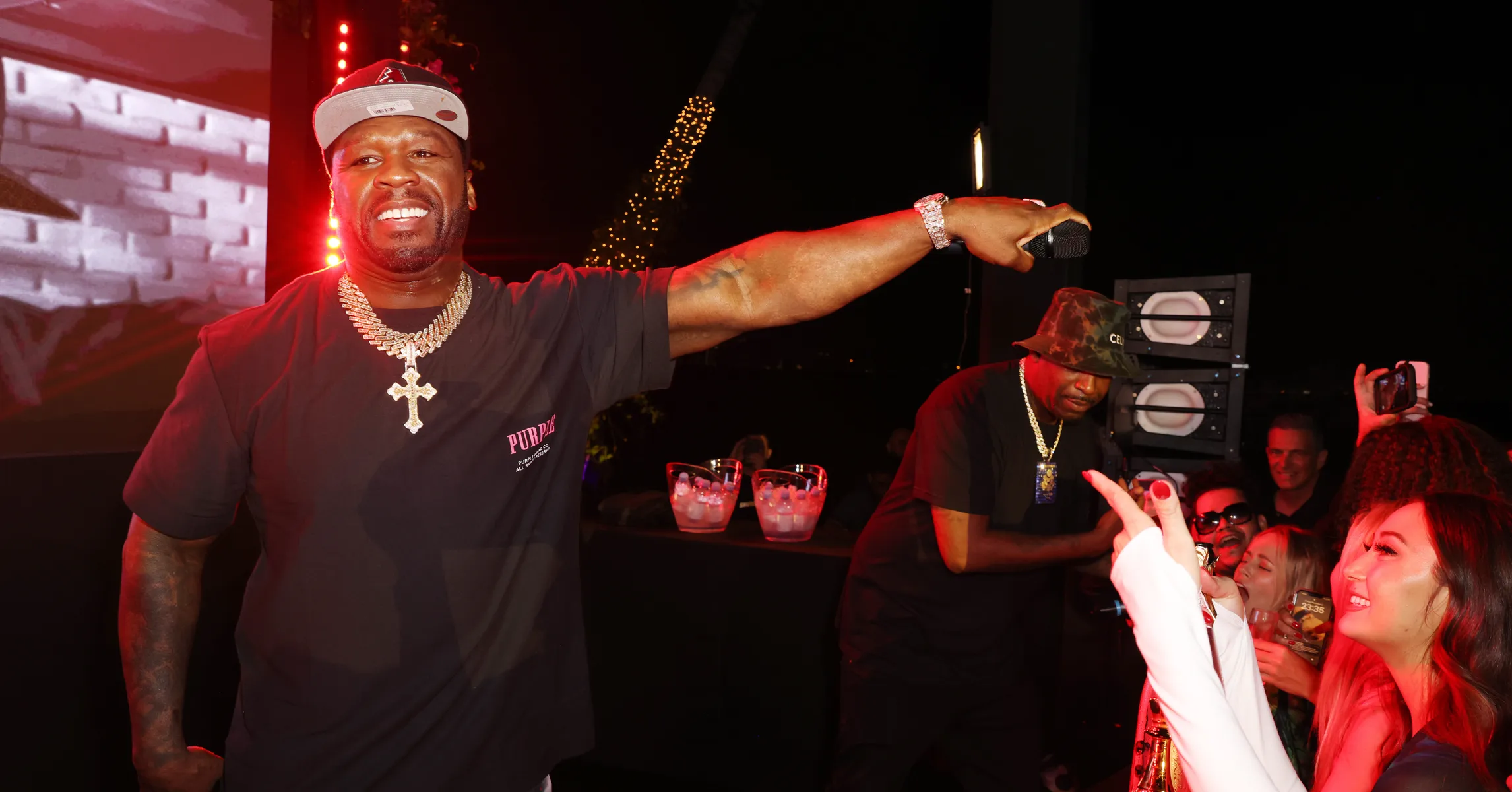
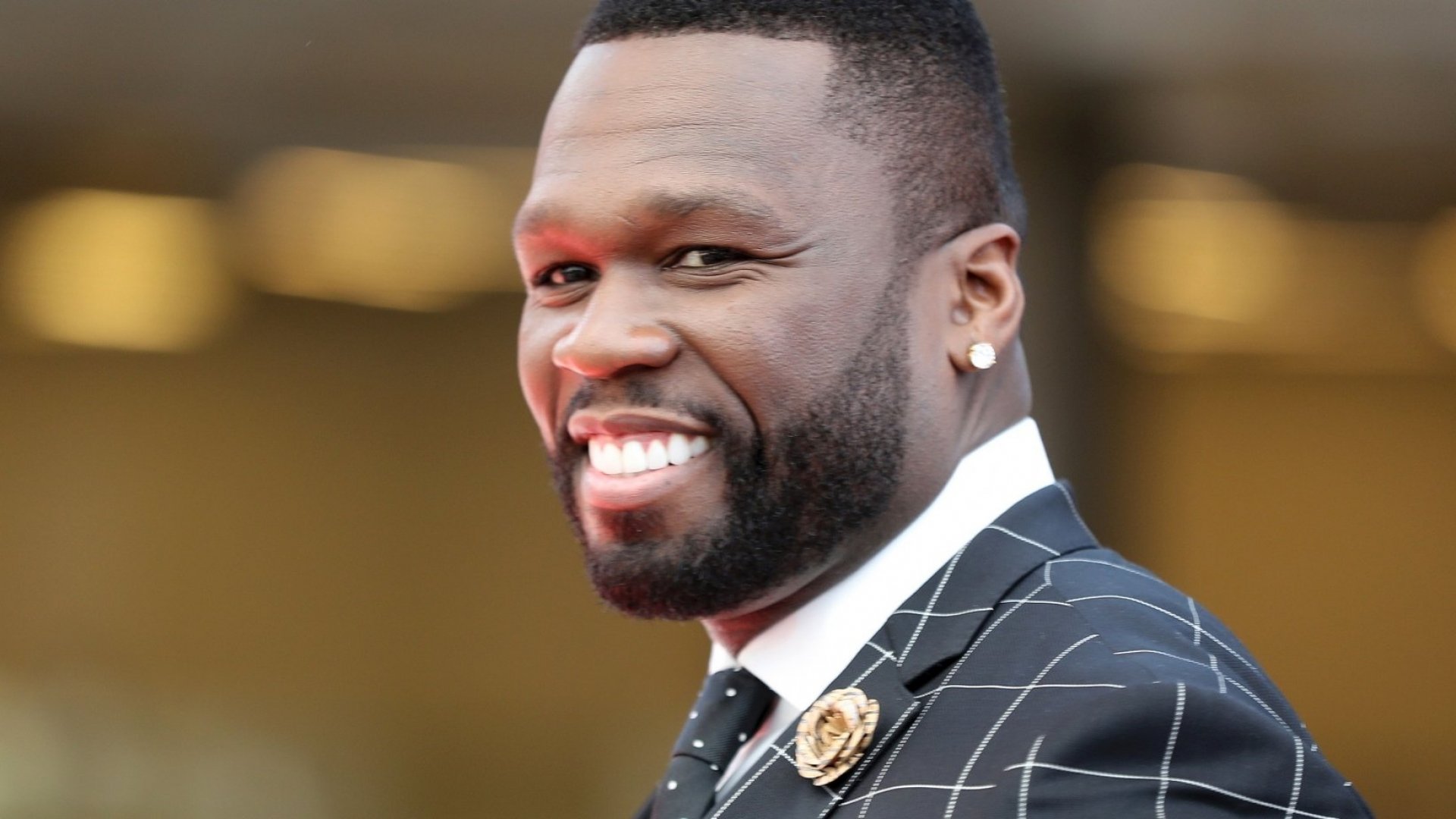
As of 2026, 50 Cent’s net worth is estimated to be approximately $450 million, a significant recovery from his 2015 bankruptcy filing. This figure is driven by his massive $150 million Starz deal, the expansion of Sire Spirits, and his highly successful global "Final Lap" tour, which reaffirmed his massive liquid earning power.
The financial journey of Curtis "50 Cent" Jackson remains one of the most analyzed trajectories in the entertainment industry. Unlike many of his peers who rely solely on music royalties, Jackson’s wealth is built on a foundation of aggressive equity stakes, strategic corporate partnerships, and a sophisticated understanding of brand licensing. To understand his current 2026 valuation, one must look past the "bling" and analyze the cold, hard numbers reported by Forbes and revealed through court-ordered financial disclosures.
The Evolution of Curtis "50 Cent" Jackson's Financial Portfolio
In the early 2000s, 50 Cent’s wealth was primarily driven by the unprecedented success of his debut album, Get Rich or Die Tryin', and the subsequent G-Unit brand expansion. However, Forbes began tracking him as a serious "Cash King" only after he pivoted into the world of venture capital. Jackson’s genius lay in his refusal to accept standard endorsement fees; instead, he demanded equity.
By the mid-2010s, his portfolio had become a complex web of holdings, ranging from apparel (G-Unit Clothing) to consumer electronics (SMS Audio) and even mining interests in Africa. The complexity of these holdings often led to vast discrepancies between public perception and actual liquid assets. In 2026, his portfolio is much leaner and more focused on high-margin sectors: media production and luxury spirits. This streamlined approach has allowed for higher profitability and a more stable valuation than his earlier, more scattered investments.
Decoding the Forbes "Hip-Hop Cash Kings" Methodology
Forbes’ assessment of 50 Cent has historically been a point of contention and fascination. The publication utilizes a methodology that evaluates several key metrics:
- Pre-tax earnings: Calculated by subtracting estimated management, legal, and agent fees.
- Asset valuation: Applying industry-standard multiples to business revenue (e.g., valuing a liquor brand at 3x to 5x annual revenue).
- Historical data: Analyzing past contract filings and public SEC documents when available.
For 50 Cent, Forbes historically placed him in the "Forbes Five" alongside icons like Jay-Z and Diddy. However, his 2015 bankruptcy filing forced a radical re-evaluation of these estimates. The discrepancy arose because Forbes often calculates "Net Worth" based on the projected value of a brand, whereas a bankruptcy court looks at "Fair Market Value" and liquid cash. In 2026, the gap between these two figures has narrowed as Jackson has focused on building businesses with verifiable cash flows, such as G-Unit Film & TV.
The Vitaminwater Windfall: The Blueprint for Modern Artist Ventures
The most significant event in 50 Cent's financial history remains the 2007 sale of Glacéau (the parent company of Vitaminwater) to Coca-Cola for $4.1 billion. Jackson had negotiated a minority equity stake in exchange for his endorsement and the creation of the "Formula 50" flavor.
While many news outlets reported that Jackson walked away with $400 million, the reality—vetted by Forbes—was more nuanced. Jackson reportedly owned between 2.5% and 10% of the company. After taxes and the distribution of funds to his partners, his "real earnings" from the deal were estimated to be between $60 million and $100 million.
This deal changed the industry standard for celebrity endorsements. It proved that equity is far more valuable than a one-time payment. Jackson utilized this same blueprint for his later ventures, ensuring that he owned the "pipes" through which the products flowed, rather than just being the face on the bottle. This strategy remains the cornerstone of his 2026 wealth management.
The 2015 Bankruptcy: Strategic Shield or Financial Crisis?
In July 2015, Curtis Jackson filed for Chapter 11 bankruptcy protection. To the public, this seemed like a total financial collapse. However, a deeper breakdown of the "real earnings" and debt reveals a strategic legal move. The filing occurred shortly after a jury awarded $7 million to a woman in a legal dispute and a $17 million judgment regarding his headphone line, SMS Audio.
The bankruptcy documents provided a rare, verified look at his finances:
- Reported Assets: Approximately $20 million to $50 million.
- Reported Debts: Approximately $36 million.
- Monthly Income: Jackson reported a monthly income of roughly $185,000, primarily from royalties and interest.
- Monthly Expenses: Nearly $108,000, including high-end property maintenance and security.
Jackson successfully emerged from bankruptcy in early 2017 after paying off $22 million of his debt five years ahead of schedule. This move effectively "reset" his financial clock, allowing him to protect his remaining assets and restructure his business deals for the massive growth he experienced leading into the 2020s.
Modern Revenue Streams: G-Unit Film & TV and Sire Spirits
By 2026, the primary engines of 50 Cent’s wealth have shifted away from music and toward television production and the spirits industry. His partnership with Starz, which began with the hit series Power, evolved into a multi-series "Power Universe" and various spinoffs like BMF (Black Mafia Family).
G-Unit Film & TV
The 2018 deal with Starz was reportedly worth up to $150 million over four years. This wasn't just a salary; it included production budgets and backend ownership. As a producer, Jackson earns fees for every episode produced, plus a percentage of international licensing and syndication. In 2026, his production company is one of the most prolific in the industry, having successfully transitioned some properties to other networks and streaming platforms.
Sire Spirits
Jackson’s "Le Chemin du Roi" (champagne) and "Branson Cognac" brands have become massive revenue generators. Unlike his Vitaminwater deal, where he was a minority owner, he is the primary owner of Sire Spirits. In 2026, his real earnings from this sector are bolstered by massive multi-year partnerships with professional sports teams like the Houston Rockets, Sacramento Kings, and the Indiana Pacers. These deals ensure that his spirits are the "official" drinks of stadiums, creating a guaranteed high-volume sales channel.
Financial Milestone Comparison Table
| Asset/Deal | Year | Estimated Gross Value | Estimated "Real Earnings" (Post-Tax/Fees) | Status |
|---|---|---|---|---|
| Vitaminwater Sale | 2007 | $4.1 Billion (Total Sale) | $60M - $100M | Exited |
| Starz Overall Deal | 2018 | $150 Million | $70M - $85M | Completed/Renewed |
| Sire Spirits (Valuation) | 2026 | $250 Million | $15M - $20M (Annual Revenue) | Active |
| Music Catalog Sale | 2024 | $100 Million | $55M - $60M | Sold (Estimated) |
| The Final Lap Tour | 2023 | $100 Million (Gross) | $25M - $30M | Completed |
Why "Net Worth" Estimates Can Be Misleading
It is important for readers to distinguish between asset valuation and liquidity. When Forbes states a celebrity is worth $450 million, it does not mean they have that amount in a bank account. Much of that value is tied up in:
- Intellectual Property: The "Power" brand and his music catalog.
- Inventory: Thousands of cases of Cognac and Champagne.
- Real Estate: High-end properties and production studios.
- Goodwill: The calculated market value of his name and likeness.
Actual "real earnings"—the cash Jackson can spend or reinvest—are typically a fraction of the net worth. For example, while his spirits company may be valued at $250 million based on a 10x EBITDA (Earnings Before Interest, Taxes, Depreciation, and Amortization) multiple, his actual take-home profit after marketing, distribution, and staffing costs is much lower. However, Jackson’s ability to generate cash remains elite, as evidenced by his 2023 tour, which saw him sell over 1 million tickets globally.
FAQ: Common Questions About 50 Cent's Wealth
Did 50 Cent really lose all his money in bankruptcy?
No. The 2015 Chapter 11 filing was a reorganization bankruptcy, not a liquidation. It allowed him to restructure his debts and negotiate lower settlements for legal judgments. Throughout the process, he continued to earn millions from his Starz deal and other business ventures, ensuring he remained wealthy even while technically "bankrupt."
How much did 50 Cent make from the Starz deal?
The initial overall deal signed in 2018 was valued at $150 million. This figure included production costs for his various shows. His personal earnings from the deal, including executive producer fees and acting salaries, are estimated to have exceeded $15 million annually during the peak of the Power universe.
Does 50 Cent still own his music royalties?
In 2024, reports surfaced that 50 Cent had explored selling a portion of his publishing and recorded music catalog. Similar to deals made by Justin Bieber and Katy Perry, these sales often fetch 9-figure sums. While he retains some rights, selling the majority allowed him to gain immediate liquidity for his Sire Spirits expansion.
What is 50 Cent's most profitable business in 2026?
Sire Spirits is currently his most profitable venture in terms of long-term equity growth. While his TV production provides steady, high-volume cash flow, the valuation of a successful liquor brand provides the "exit" potential that could eventually push him toward billionaire status, mirroring the paths of Jay-Z and Ryan Reynolds.
How does his wealth compare to other rappers in 2026?
While Jay-Z remains the wealthiest hip-hop artist with a multi-billion dollar net worth, 50 Cent sits comfortably in the second tier alongside artists like Drake and Berner. His financial strength lies in diversification; he is not reliant on the music industry's dwindling streaming margins.
Practical Takeaway: The Jackson Financial Strategy
The primary lesson from 50 Cent’s financial breakdown is the importance of equity over salary. Whether it was Vitaminwater in 2007 or Sire Spirits in 2026, Jackson consistently prioritizes ownership. For those looking to apply these principles to their own financial planning, the focus should be on building assets that have "exit value"—meaning they can be sold to a larger corporation for a multiple of their earnings.
If you are tracking celebrity net worths for investment insights, look specifically at the SGA (Selling, General, and Administrative) costs and the scalability of the business. 50 Cent’s current success is built on businesses that scale (liquor and TV) rather than those that require his physical presence (touring), though he uses the latter to fuel the former.