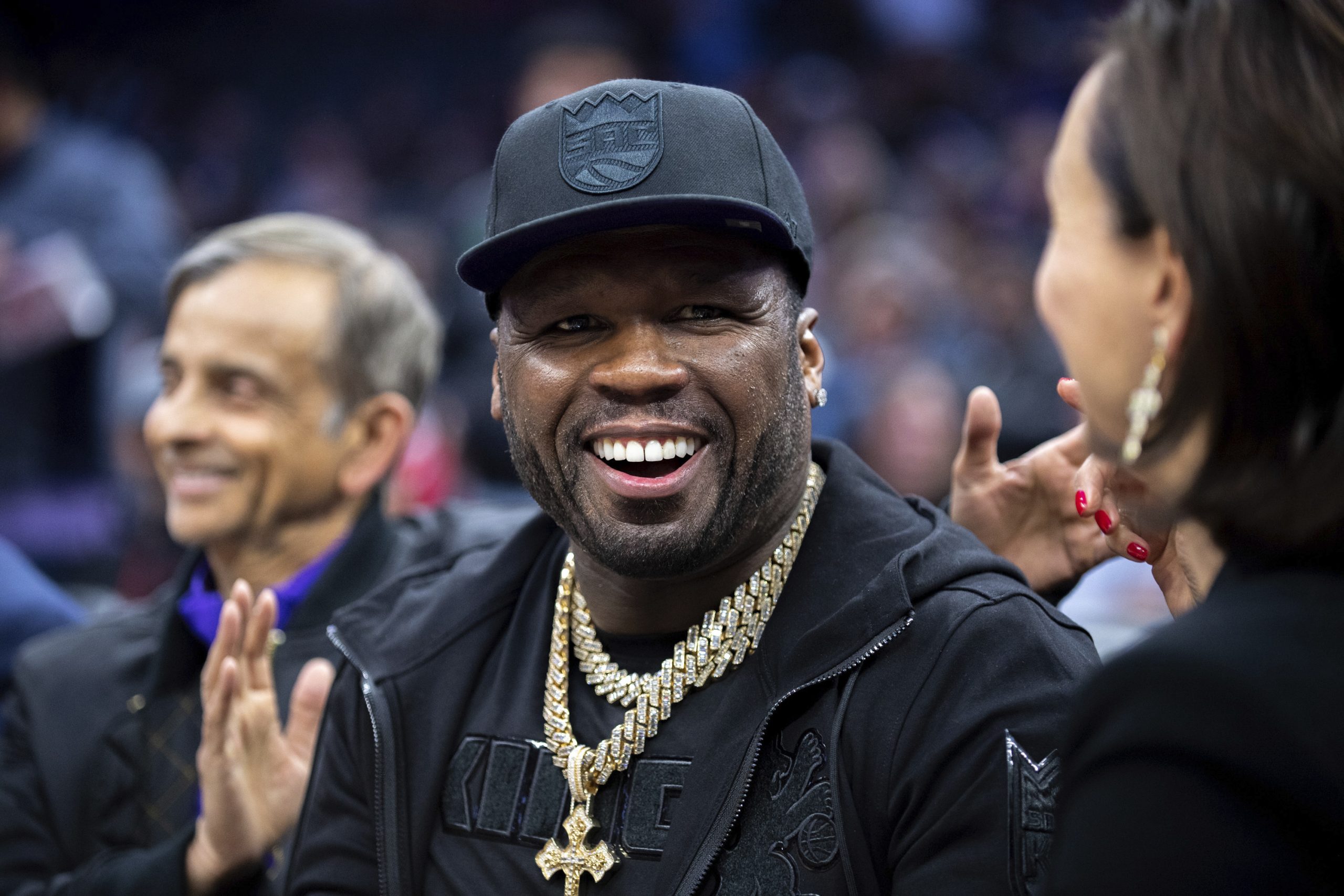
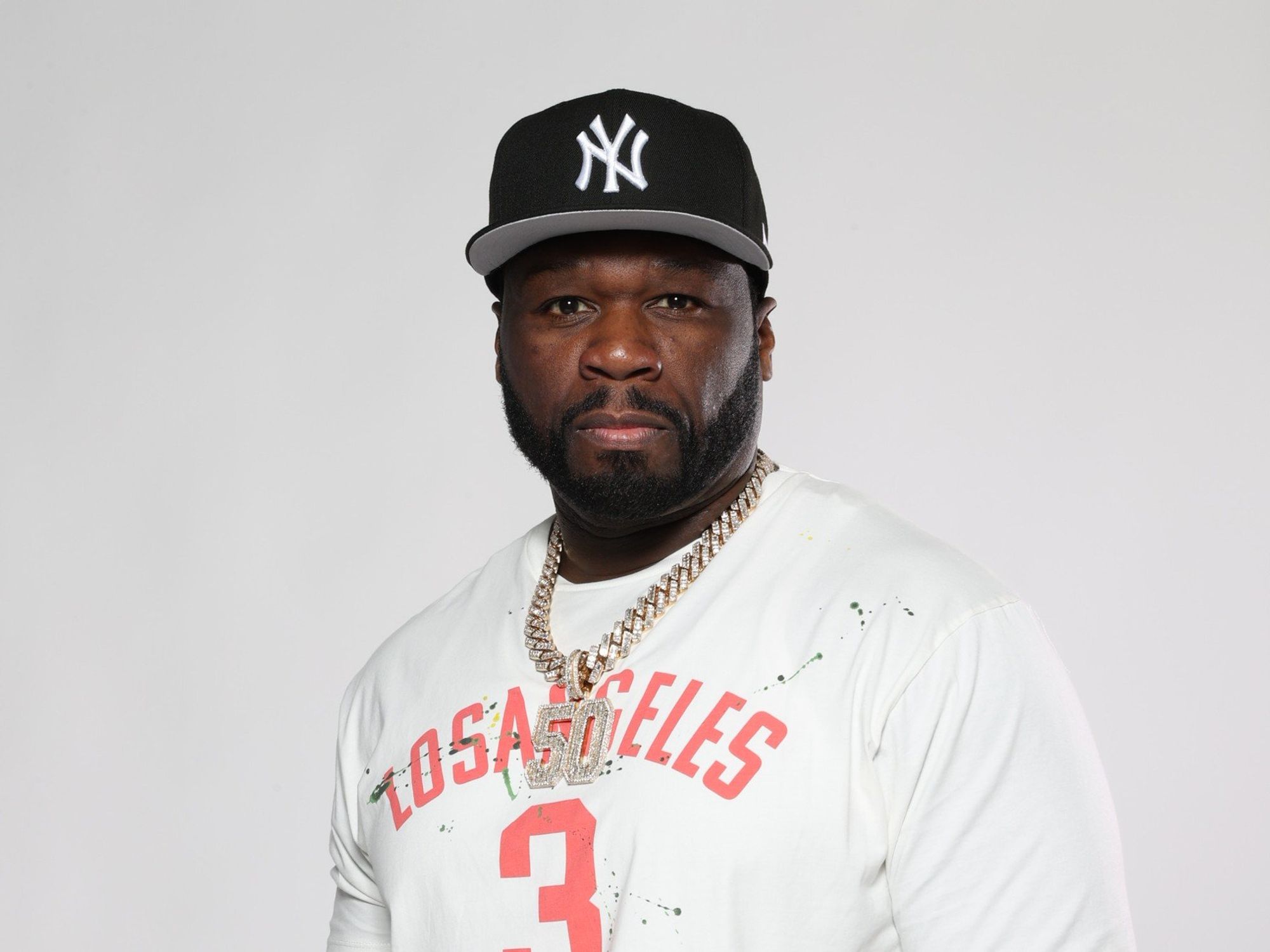
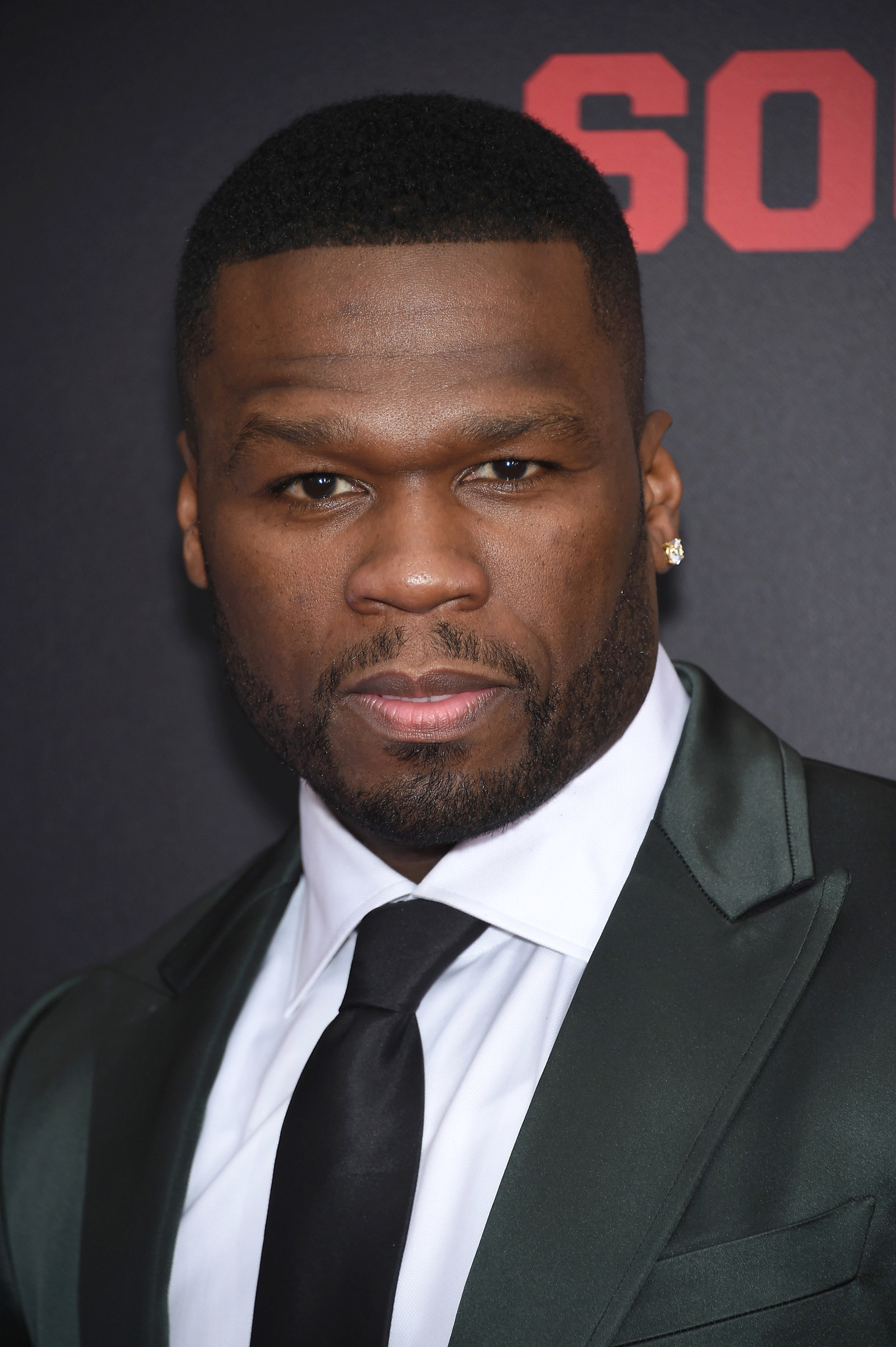
Curtis "50 Cent" Jackson III is an American rapper, actor, television producer, and entrepreneur who fundamentally reshaped the business model of hip-hop stardom. Rising from Queens, New York, to global dominance with his 2003 debut album Get Rich or Die Tryin', Jackson transitioned his musical success into lucrative corporate equity investments, successful television franchises, and independent media production.
Early Life, Street Roots, and the Musical Awakening
Curtis James Jackson III was born on July 6, 1975, and raised in the South Jamaica neighborhood of Queens, New York City. Raised primarily by his mother Sabrina, who died when he was eight years old, Jackson was subsequently cared for by his grandmother. Navigating the severe economic hardships of Queens during the height of the 1980s crack epidemic, Jackson entered street trade during his early youth while simultaneously discovering a passion for boxing and hip-hop culture.
Jackson's transition from the streets to the recording studio began in the late 1990s when he was introduced to Jam Master Jay of Run-D.M.C. Jam Master Jay taught Jackson how to structure songs, write hooks, and format records, helping him produce an early unreleased project. By 1999, Jackson signed with Columbia Records and recorded his planned debut album, Power of the Dollar. The underground release featured the controversial single "How to Rob," in which Jackson cheekily detailed how he would rob prominent figures in the music industry. The track generated massive industry buzz, signaling the arrival of an uninhibited, highly strategic new voice.
Jackson’s rapidly rising trajectory hit a catastrophic roadblock on May 24, 2000. Outside his grandmother's house in South Jamaica, an gunman targeted Jackson, shooting him nine times at point-blank range with a 9mm handgun. Hits to his hand, hip, legs, chest, and face left him severely injured and required a thirteen-day hospital stay alongside months of intensive physical rehabilitation. The incident altered his vocal timbre, giving his voice a distinct, resonant slur that later became one of his most recognizable sonic signatures. Dropped by Columbia Records in the aftermath of the shooting, Jackson moved to Canada to record a relentless stream of underground mixtapes, pioneered alongside his DJ, Sha Money XL, and his G-Unit crew members Lloyd Banks and Tony Yayo.
Musical Breakthrough: Get Rich or Die Tryin' and the G-Unit Era
Jackson’s underground mixtape run, particularly 50 Cent Is the Future and Guess Who's Back?, caught the attention of Eminem in 2002. Eminem flew Jackson to Los Angeles to meet Dr. Dre, leading to a joint venture deal between Shady Records, Aftermath Entertainment, and Interscope Records. Jackson received a $1,000,000 advance, setting the stage for one of the most explosive album launches in music history.
In February 2003, 50 Cent released his official major-label debut, Get Rich or Die Tryin'. Lead by the record-breaking single "In da Club"—which topped the Billboard Hot 100 chart—and supporting hits such as "21 Questions" and "P.I.M.P.," the album sold over 872,000 copies in its first week. It quickly attained multi-platinum status, ultimately selling over 14 million copies worldwide. The project's unique blend of dark, street-tested narratives, melodic hooks, and polished West Coast/East Coast production redefined mainstream rap aesthetics for the decade.
Key Early Album Releases: - Power of the Dollar (Recorded 1999, Columbia Records) - Get Rich or Die Tryin' (2003, Shady/Aftermath/Interscope) - The Massacre (2005, Shady/Aftermath/Interscope) - Curtis (2007, Aftermath/Interscope) - Before I Self Destruct (2009, Aftermath/Interscope)
Jackson capitalized on his momentum by establishing G-Unit Records in 2003 under Interscope. He launched the careers of G-Unit group members, including Lloyd Banks, Young Buck, and Tony Yayo, alongside signing outside talent such as The Game. In 2005, Jackson released his second studio album, The Massacre, which achieved first-week sales exceeding 1.1 million copies—solidifying his status as a dominant hitmaker. Subsequent studio albums, including Curtis (2007) and Before I Self Destruct (2009), maintained strong commercial viability while Jackson progressively shifted his focus toward equity investments and Hollywood film production.
Corporate Entrepreneurship: The Vitaminwater Windfall and Equity Deals
While many hip-hop artists of his era relied on traditional endorsement deals involving flat fees for promotional appearances, 50 Cent pioneered taking substantial equity stakes in emerging consumer brands. His most famous venture involved Energy Brands, the parent company of Vitaminwater (Glacéau).
In 2004, after noticing Jackson consuming flavored water during press appearances, Energy Brands offered him an endorsement deal. Jackson negotiated for an equity stake in the company—estimated between 2.5% and 10%—in exchange for introducing his customized flavor, "Formula 50," and promoting the brand across his music videos and public appearances.
When The Coca-Cola Company acquired Energy Brands in May 2007 for $4.1 billion in cash, Jackson's equity stake yielded an estimated pre-tax payout of $100 million to $150 million. This landmark transaction transformed standard celebrity marketing dynamics, demonstrating that equity participation offered far greater upside than conventional sponsorship checks.
Beyond beverage investments, Jackson expanded his corporate footprint across several verticals:
- Sire Spirits: Jackson founded Sire Spirits, taking full control of luxury lifestyle spirits including Le Chemin du Roi Champagne and Branson Cognac. Through strategic partnerships with major professional sports franchises (including NBA, NFL, and MLB venues), Jackson secured premium placement for his brands in major arenas across the United States.
- Apparel & Consumer Electronics: In 2003, Jackson partnered with Reebok to launch the G-Unit Clothing Company and G-Unit Sneakers, generating tens of millions in retail sales. Later, he launched SMS Audio, a high-end consumer headphone brand, acquiring established manufacturer Sync by 50 to compete directly in the premium audio space.
- Literary & Media Holdings: Jackson authored several books, including his autobiography From Pieces to Weight (2005) and the business strategy guide The 50th Law (2009), co-authored with Robert Greene.
Television and Film Executive Empire: G-Unit Film & Television
Recognizing the shifting dynamics of the entertainment industry, Jackson systematically expanded into visual media. Although he began as an actor—starring in the semi-autobiographical film Get Rich or Die Tryin' (2005) and action titles like Southpaw (2015) and Den of Thieves (2018)—his most lasting impact came as an executive producer and television creator.
In 2014, Jackson executive-produced and co-starred in the crime drama series Power on the Starz network. Created by Courtney A. Kemp, Power became a ratings juggernaut, drawing record viewership for Starz and transforming the platform's digital subscriber base. The series ran for six successful seasons, establishing Jackson as an executive capable of crafting compelling, highly rated television programs tailored to underserved audiences.
Following the success of the original series, Jackson brokered an extensive overall deal with Starz, developing the interconnected Power Universe:
- Power Book II: Ghost – Continuing the story of Tariq St. Patrick balancing higher education and criminal networks.
- Power Book III: Raising Kanan – A prequel series focusing on the early life and upbringing of Jackson’s character, Kanan Stark, in 1990s South Jamaica, Queens.
- Power Book IV: Force – Centered on fan-favorite character Tommy Egan navigating the Chicago underworld.
Jackson further expanded his television footprint by executive producing BMF (Black Mafia Family) for Starz, which dramatizes the real-life story of brothers Demetrius and Terry Flenory. To centralize his media slate, Jackson announced the development of G-Unit Studios, a physical film and television production facility based in Shreveport, Louisiana, designed to house independent feature films, unscripted TV series, and scripted programming.
Financial Navigation: Chapter 11 Reorganization and Recovery
Jackson’s financial trajectory includes one of the most high-profile corporate restructuring cases in entertainment history. In July 2015, Jackson filed for personal Chapter 11 bankruptcy protection in the United States Bankruptcy Court for the District of Connecticut.
The filing was triggered by accumulated legal liabilities rather than true operational insolvency. Key liabilities included a $7 million civil court judgment regarding an unreleased private video and a $17 million arbitration award stemming from a design dispute with audio manufacturer Sleek Audio over undeveloped headphones. The bankruptcy process allowed Jackson to consolidate his debts, freeze ongoing interest accumulation, and reorganize his personal and corporate finances under court supervision.
Summary of 50 Cent’s Reorganization Plan: - Filing Date: July 2015 (Chapter 11 Bankruptcy) - Total Reported Liabilities: ~$36 Million - Total Reported Assets: ~$20 Million (at time of filing) - Reorganization Outcome: $23+ Million repayment plan approved in 2016 - Plan Completion: Discharged early in February 2017 after full payout
In February 2017, federal bankruptcy judge Ann Nevins officially discharged Jackson’s Chapter 11 case after he paid off over $22 million in debt early, utilizing a combination of cash reserves, asset sales, and a legal malpractice settlement payout. The successful reorganization restored Jackson’s financial solvency and preserved his core underlying IP, music publishing rights, and brand equity, laying the groundwork for his ongoing television and spirits ventures.
Overview of 50 Cent’s Business and Media Ventures
The following table breaks down the primary business ventures, media platforms, and financial stakes associated with Curtis "50 Cent" Jackson across his career:
| Venture / Brand | Industry Sector | Jackson’s Primary Role | Commercial Impact & Strategic Significance |
|---|---|---|---|
| Get Rich or Die Tryin' | Recorded Music | Lead Artist / Songwriter | Multi-platinum debut; over 14 million copies sold globally; established global brand identity. |
| Vitaminwater (Glacéau) | Beverage / CPG | Equity Investor / Endorser | Negotiated early equity for "Formula 50"; yielded ~$100M+ payout during Coca-Cola's $4.1B purchase. |
| G-Unit Film & Television | Media & TV Production | Founder / Executive Producer | Produced hit franchises Power, Power spin-offs, and BMF; drove record subscriber growth for Starz. |
| Sire Spirits | Luxury Beverages | Founder / Owner | Owns Le Chemin du Roi Champagne and Branson Cognac; multi-year stadium partnerships across North America. |
| G-Unit Clothing / Reebok | Fashion & Apparel | Brand Owner / Partner | Generated over $80 million in retail sales during peak mid-2000s streetwear popularity. |
| SMS Audio | Consumer Electronics | Founder / Majority Owner | Acquired Sync by 50 to manufacture wireless audio hardware; distributed internationally. |
| G-Unit Studios | Film Infrastructure | Founder / Operator | Production hub established in Shreveport, Louisiana, for independent film and scripted television projects. |
Key Business Strategies Behind 50 Cent's Success
Jackson’s career offers several critical business insights for media executives, artists, and brand builders:
1. Demand Equity Over Flat Fees
Rather than accepting standard endorsement checks that limit upside potential, Jackson repeatedly prioritized equity stakes. His Vitaminwater partnership demonstrated that taking early-stage equity in high-growth consumer packaged goods can produce wealth far exceeding typical artist compensation schedules.
2. Maintain Control of Narrative and IP
When major labels or traditional networks hesitated to fund or market his projects, Jackson built independent distribution channels. From releasing underground mixtapes to secure leverage with Interscope, to building executive production credits on Power, he consistently sought direct operational control over his media properties.
3. Turn Personal Adversity into Brand Equity
Jackson turned high-profile challenges—including surviving nine gunshots and navigating complex legal disputes—into key elements of his public persona. His transparent approach to business, legal battles, and corporate restructuring strengthened his personal brand as a resilient, pragmatically minded entrepreneur.
4. Cross-Promote Ecosystem Brands
Jackson effectively leverages his media channels to drive sales across his consumer goods portfolio. A typical G-Unit Film & Television production features organic product placement for Sire Spirits brands, while his social media channels serve as direct marketing tools for his entertainment and spirit ventures.
How to Explore 50 Cent’s Creative and Executive Catalog
For fans, creators, and entertainment executives looking to study or engage with Jackson's work, the following practical steps offer a structured roadmap:
- Analyze the Music Catalog: Listen to Get Rich or Die Tryin' (2003) and The Massacre (2005) alongside the early G-Unit mixtapes (50 Cent Is the Future) to understand his songwriting structure, melodic hooks, and mixtape marketing strategy.
- Study the Television Franchises: Watch the original Power series (Seasons 1–6) followed by Power Book III: Raising Kanan to analyze how Jackson and his co-creators expanded a single drama into a multi-series television universe.
- Review the Business Literature: Read The 50th Law, co-authored with Robert Greene, for an in-depth look at Jackson's philosophies on fearlessness, corporate strategy, authority, and market adaptability.
- Examine Corporate Equity Models: Study the structure of the 2004 Glacéau/Vitaminwater equity deal as a case study in celebrity venture capital and brand building.
Frequently Asked Questions
What is 50 Cent's real name and how did he get his stage name?
50 Cent’s real name is Curtis James Jackson III. He adopted the stage name "50 Cent" as a metaphor for change, taking inspiration from Kelvin Martin, a 1980s Brooklyn robber known by the nickname "50 Cent." Jackson selected the name because it represented an uncompromising desire to survive and succeed by any means necessary.
How much money did 50 Cent make from the Vitaminwater deal?
While exact figures remain confidential under private equity agreements, industry analysts estimate Jackson earned between $100 million and $150 million pre-tax when The Coca-Cola Company acquired Vitaminwater's parent company, Energy Brands (Glacéau), for $4.1 billion in cash in May 2007. Jackson had negotiated an estimated 2.5% to 10% equity stake in exchange for endorsing the brand and introducing his customized flavor, "Formula 50."
Why did 50 Cent file for Chapter 11 bankruptcy in 2015?
Jackson filed for Chapter 11 bankruptcy in July 2015 primarily to manage sudden legal liabilities rather than structural operational collapse. The filing came after court judgments requiring him to pay over $23 million in damages resulting from personal civil suits and corporate arbitration disputes. Chapter 11 allowed Jackson to freeze litigation, reorganize his debts, and implement a structured payment plan without liquidating his underlying core assets or intellectual property.
What television shows has 50 Cent produced?
Through G-Unit Film & Television, Jackson served as executive producer for the hit Starz drama Power (2014–2020) and its successful spin-offs: Power Book II: Ghost, Power Book III: Raising Kanan, and Power Book IV: Force. He also executive produces the crime drama series BMF (Black Mafia Family) and has produced unscripted projects and specials across various network and streaming platforms.
What is G-Unit Studios?
G-Unit Studios is an independent media and television production hub spearheaded by Jackson. Located in Shreveport, Louisiana, the facility was designed to host soundstages, production offices, and editing suites to support feature film development, television series, and unscripted content under Jackson’s independent production umbrella.