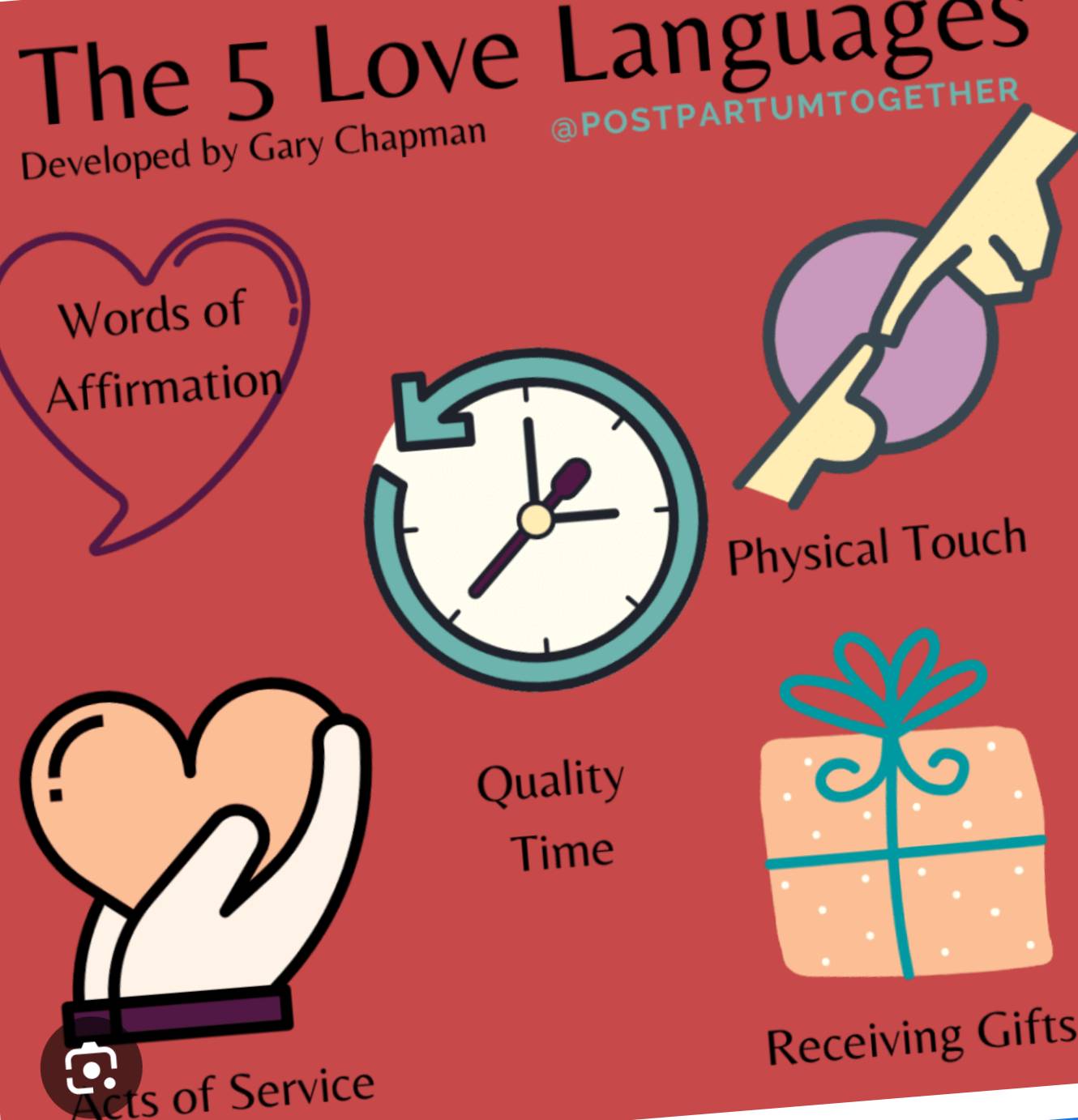
Unlocking deeper connections requires moving beyond surface-level interactions to embrace emotional attunement, radical vulnerability, intentional presence, shared meaningful rituals, and consistent self-awareness. By prioritizing these five pillars, individuals can transform fleeting moments into lasting bonds, fostering psychological safety and profound intimacy in any relationship—whether romantic, platonic, or familial—starting right now.
Mastering Emotional Attunement Through Active Listening
Emotional attunement is the process by which we align our internal state with that of another person. It is more than just hearing words; it is the ability to sense the subtle shifts in a partner’s mood, tone, and body language. In 2026, where digital communication often strips away these non-verbal cues, the practice of intentional, face-to-face attunement has become a vital skill for maintaining healthy relationships.
To master attunement, one must practice "Active-Constructive Responding." This involves greeting a partner’s positive news with genuine enthusiasm and follow-up questions, rather than passive or dismissive comments. Research from the Gottman Institute suggests that "turning toward" your partner’s bids for connection—those small requests for attention or affirmation—is the single most significant predictor of relationship longevity. When you ignore these bids, you inadvertently create a "death by a thousand cuts" for the relationship’s intimacy.
Deepening a connection through listening also requires the suspension of judgment. When a loved one expresses pain or frustration, the natural impulse is often to offer solutions. However, true connection usually requires validation first. By saying, "I can see why that made you feel overwhelmed," you create a safe harbor for their emotions. This validation lowers their cortisol levels and builds a bridge of trust that allows for more complex problem-solving later.
Practicing Radical Vulnerability to Foster Trust
Vulnerability is often misinterpreted as weakness, yet it is the primary engine of intimacy. In the context of 2026’s social landscape, where many curate "perfect" lives through augmented reality and social platforms, showing your true, unpolished self is a radical act of love. Radical vulnerability involves sharing your fears, shames, and unmet needs without the guarantee of a specific outcome.
According to Dr. Brené Brown’s extensive research on shame and connection, vulnerability is the birthplace of love, belonging, and joy. To unlock deeper connections, you must be willing to be "seen" in your entirety. This doesn't mean oversharing trauma on a first date; rather, it means incrementally revealing your internal world as trust is built. It is the courage to say, "I’m feeling a bit insecure today," or "I really value our time together, and I’m afraid of losing it."
When you model vulnerability, you give the other person permission to do the same. This creates a reciprocal loop of honesty that dissolves the barriers of "performance" that plague many modern relationships. Without this transparency, connections remain transactional and surface-level. To practice this today, identify one "soft" emotion you are feeling—sadness, fear, or longing—and share it with someone you trust, focusing on your internal experience rather than external circumstances.
Implementing Digital Boundaries for Intentional Presence
By 2026, the proliferation of wearable technology and ambient AI has made "presence" more difficult than ever to maintain. Intentional presence is the commitment to being fully "in the room" with another person, free from the distractions of notifications and background processing. This form of presence acts as a powerful signal that the other person is your highest priority in that moment.
The concept of "Technostress" has become a major barrier to intimacy. When one partner looks at a device while the other is speaking, it triggers a physiological rejection response. To unlock deeper connections, couples and friends must establish "device-free zones" or "sacred hours." For example, making the dinner table a phone-free environment or agreeing to leave devices in another room during the first 30 minutes after returning home from work.
Beyond just putting away devices, presence involves "attentional focus." This means maintaining eye contact, using open body language, and practicing mindfulness during interactions. When you are fully present, you are able to catch the "micro-expressions" that convey deep-seated feelings. This level of focus is rare and, therefore, incredibly valuable. It communicates a level of respect and care that no text message or digital interaction can replicate.
Establishing Rituals of Connection and Shared Meaning
Shared meaning is the glue that holds long-term relationships together. It is the "culture" of the relationship—the unique set of symbols, stories, and rituals that belong only to you and the other person. Rituals of connection provide a predictable structure for intimacy, ensuring that connection isn't left to chance or "when we have time."
Rituals can be small or large. A morning coffee together, a weekly "state of the union" meeting to discuss relationship health, or an annual trip to a specific location can all serve as rituals. These practices create a sense of belonging and stability. In 2026, as the world feels increasingly volatile, these rituals act as anchors. They remind both parties of their shared identity and shared goals.
To develop shared meaning, consider the following categories of intimacy:
| Type of Intimacy | Focus Area | Example Ritual |
|---|---|---|
| Emotional | Sharing feelings and support | Nightly "Highs and Lows" check-in |
| Intellectual | Sharing ideas and growth | Reading the same book and discussing it |
| Physical | Non-sexual and sexual touch | 20-second hug upon arriving home |
| Experiential | Doing activities together | Monthly "New Skill" date night |
| Spiritual | Sharing values and purpose | Volunteering together for a cause |
By intentionally building rituals across these categories, you ensure that the relationship grows in multiple dimensions simultaneously. This prevents the "roommate syndrome" where couples become efficient co-habitants but lose their romantic and intellectual spark.
Developing Self-Awareness and Emotional Regulation
You cannot connect deeply with another person if you are disconnected from yourself. Deep connections are often hindered by our own "internal working models"—the subconscious blueprints for relationships we developed in childhood. Self-awareness involves recognizing your triggers, your attachment style, and the ways you might push people away when you feel vulnerable.
Emotional regulation is the partner to self-awareness. It is the ability to manage your emotional responses so that they don't overwhelm the connection. For instance, when a conflict arises, an unregulated person might resort to "stonewalling" or "criticism." A self-aware person recognizes the physiological signs of being "flooded" (increased heart rate, shallow breathing) and asks for a temporary break to calm down before continuing the conversation.
In 2026, many people utilize mindfulness tools and biofeedback to monitor their stress levels. Using these tools to become more aware of your emotional state allows you to show up more authentically in your relationships. When you take responsibility for your own triggers, you stop blaming your partner for your internal discomfort. This shift from "You made me feel..." to "I am feeling... and I need..." is one of the most powerful ways to unlock a deeper, more mature level of love.
Frequently Asked Questions
How long does it take to build a deep connection?
There is no fixed timeline, but research suggests that meaningful intimacy requires consistent quality time. A study from the University of Kansas indicates it takes about 50 hours of time together to move from acquaintance to casual friend, and over 200 hours to become a "close friend." In 2026, the quality of that time—defined by presence and vulnerability—is more important than the raw number of hours.
Can deep connections be built in long-distance relationships?
Yes, deep connections are possible regardless of physical distance, provided there is a commitment to "shared reality." This involves frequent, varied communication that goes beyond updates on daily tasks. Using immersive technology available in 2026, such as spatial video or synchronized activities, can help bridge the gap, but the foundation remains emotional transparency and the establishment of digital rituals.
What is the biggest barrier to intimacy today?
The primary barrier to intimacy in 2026 is often "distracted exhaustion." Between the demands of a high-speed professional world and the constant pull of digital entertainment, many people lack the cognitive and emotional bandwidth to engage deeply with others. Overcoming this requires intentional "down-regulation"—choosing to simplify one's life to make room for the slow, often inefficient process of building love.
Is it possible to rebuild a connection that has gone cold?
Rebuilding connection is possible through a process called "Relational Repair." This starts with acknowledging the distance without casting blame. Both parties must commit to the five ways outlined above, particularly focusing on "turning toward" bids for connection and re-establishing rituals. It requires patience, as trust and intimacy are rebuilt in small increments rather than through grand gestures.
How do I know if a connection is worth deepening?
A connection is worth deepening if it provides a sense of "Mutual Expansion." This means that being with the person makes you feel more like your best self, and you feel a genuine curiosity about their internal world. If the relationship is consistently draining, lacks reciprocity, or requires you to hide your true self to maintain peace, it may not be a healthy candidate for deeper intimacy.
Initiating the "First 15" Practice
To begin unlocking deeper connections today, implement the "First 15" rule. This involves dedicating the first 15 minutes of your time together—whether it’s after work, upon waking up, or meeting for a date—entirely to your partner or loved one without the interference of technology or external tasks. Use this time for eye contact, physical touch, or a simple "How are you really doing?" check-in. This small, consistent investment creates a transition period that signals to your nervous system that you are in a safe, connected space, paving the way for profound intimacy to flourish naturally.