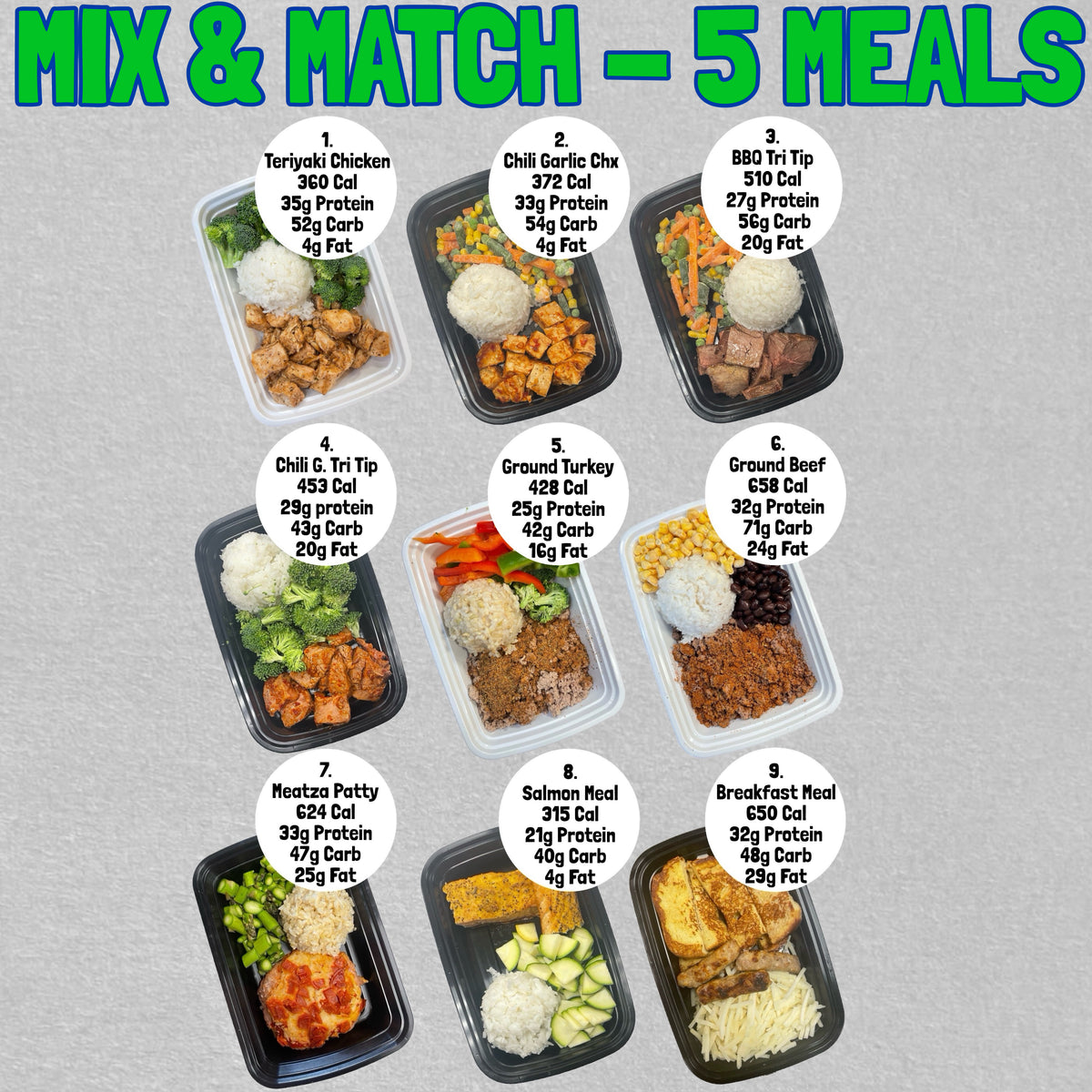
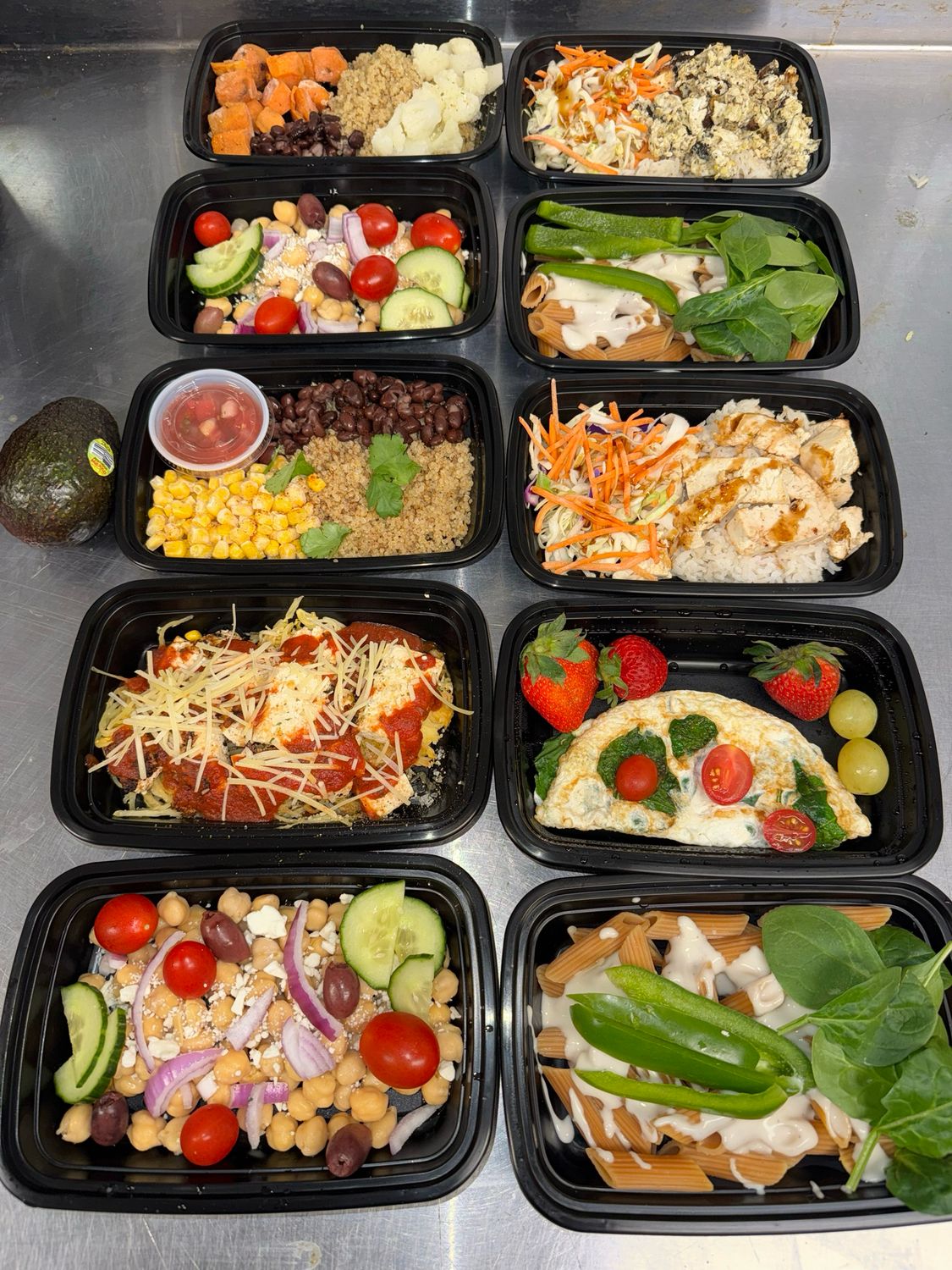
A 5-meal daily plan is a nutritional strategy centered on consuming five smaller, nutrient-dense meals spaced evenly throughout the waking hours, typically every three to four hours. This approach aims to stabilize blood sugar levels, manage hunger hormones, and provide a consistent stream of energy for physical and cognitive tasks throughout the day.
Understanding the Science Behind 5 Meals a Day
The concept of eating five meals a day, often categorized as a "grazing" pattern, differs significantly from the traditional "three square meals" approach. In 2026, nutritional science emphasizes the importance of metabolic flexibility and the management of glycemic variability. When you consume large meals with long gaps in between, the body often experiences significant spikes and subsequent crashes in blood glucose. These fluctuations trigger the release of insulin to manage the sugar spikes, which can eventually lead to insulin resistance if the pattern is extreme and persistent.
By shifting to a 5-meal structure, you essentially provide the body with a "trickle-feed" of nutrients. This smaller, more frequent intake prevents the dramatic rise in blood glucose. Furthermore, eating more frequently can influence the Thermic Effect of Food (TEF). TEF is the energy required for digestion, absorption, and disposal of nutrients. While the total TEF for 2,000 calories is generally the same whether eaten in two or five sittings, the 5-meal approach keeps the digestive system active and can help maintain a slightly higher basal metabolic rate throughout the day for some individuals.
Another critical biological component is the regulation of hunger hormones: ghrelin and leptin. Ghrelin, the "hunger hormone," rises when the stomach is empty. By eating every three to four hours, you preemptively suppress ghrelin before it reaches levels that lead to "hunger-driven" overeating or poor food choices. Simultaneously, smaller portions help maintain sensitive leptin signaling, which tells the brain when the body has sufficient energy stores.
Benefits of a Frequent Eating Schedule
Transitioning to a 5-meal plan offers several physiological and psychological advantages, particularly for those with high-performance lifestyles or those struggling with traditional dieting fatigue.
Enhanced Satiety and Appetite Control
The primary benefit reported by individuals on a 5-meal plan is the elimination of "hangry" episodes. When the body knows another meal is coming in just a few hours, the psychological urge to binge during any single meal is significantly reduced. This makes it easier to practice portion control without feeling deprived. It also reduces the likelihood of late-night snacking, as the final meal of the day is usually timed to provide enough satiety to last until sleep.
Steady Energy for Cognitive Function
The brain relies almost exclusively on glucose for fuel. A sharp drop in blood sugar—often occurring four to five hours after a large meal—can lead to "brain fog," irritability, and decreased productivity. A 5-meal plan provides the brain with a steady supply of fuel, which is particularly beneficial for professionals and students who require sustained focus during the mid-morning and mid-afternoon slumps.
Support for Muscle Preservation
For those engaged in resistance training or athletic pursuits, a 5-meal plan is superior for Muscle Protein Synthesis (MPS). The body can only process a certain amount of protein for muscle repair at one time. By spreading protein intake across five meals (e.g., 20–30 grams per meal), you maintain a "positive nitrogen balance" throughout the day. This is more effective for building or maintaining lean muscle mass than consuming a single large protein-heavy meal at dinner.
How to Structure Your 5-Meal Day
Implementing this plan requires a shift in how you define a "meal." In this context, a meal is not a multi-course event but a balanced combination of macronutrients. A typical schedule in 2026 might look like the following:
- Meal 1 (Breakfast): 7:00 AM – Focus on fiber and protein to break the overnight fast.
- Meal 2 (Mid-Morning): 10:30 AM – A lighter meal, often focusing on healthy fats and vitamins.
- Meal 3 (Lunch): 1:30 PM – A balanced meal with complex carbohydrates for afternoon energy.
- Meal 4 (Late Afternoon): 4:30 PM – Often a "pre-commute" or "pre-workout" meal to prevent the evening energy crash.
- Meal 5 (Dinner): 7:30 PM – A focus on lean protein and vegetables to support overnight recovery.
To succeed, you must ensure that the total caloric intake of these five meals does not exceed your daily energy expenditure. If your target is 2,000 calories, each meal should average approximately 400 calories. This prevents the 5-meal plan from becoming a "five full dinners" trap, which would lead to unwanted weight gain.
5-Meal Plan vs. Traditional 3-Meal Strategy
Deciding which strategy fits your lifestyle depends on your metabolic health, activity level, and personal schedule. Below is a comparison of the two approaches based on 2026 health standards.
| Feature | 5-Meal Plan (Frequent) | 3-Meal Plan (Traditional) |
|---|---|---|
| Blood Sugar Stability | High; minimal fluctuations. | Moderate; peaks and valleys after large meals. |
| Hunger Management | Superior; preemptive eating prevents binging. | Challenging; long gaps increase ghrelin. |
| Preparation Time | High; requires more planning/meal prep. | Low; fewer sessions in the kitchen. |
| Digestive Ease | High; smaller loads are easier to process. | Moderate; large meals can cause bloating. |
| Muscle Synthesis | Optimized; consistent amino acid supply. | Sub-optimal; long periods without protein. |
| Social Compatibility | Moderate; requires eating during work hours. | High; aligns with standard social breaks. |
Essential Nutritional Requirements for Success
For a 5-meal plan to be effective, the quality of the food is just as important as the frequency. Simply eating five small portions of processed food will not yield the desired metabolic benefits.
Prioritizing Protein
Every one of the five meals should contain a protein source. This is non-negotiable for metabolic health. Protein has the highest thermic effect and provides the greatest satiety. Excellent sources include eggs, Greek yogurt, chicken breast, tofu, lentils, and white fish. Aim for 20 to 30 grams per sitting to maximize muscle protein synthesis.
Incorporating Complex Carbohydrates
Avoid simple sugars and refined flours, which cause the very insulin spikes the 5-meal plan is designed to prevent. Instead, choose low-glycemic carbohydrates such as quinoa, sweet potatoes, steel-cut oats, and berries. These provide sustained energy release.
Healthy Fats and Micronutrients
Include healthy fats like avocado, nuts, seeds, and olive oil, but do so sparingly as they are calorie-dense. These fats slow down the digestion of carbohydrates, further stabilizing blood sugar. Additionally, ensure that at least three of the five meals contain a significant portion of leafy greens or cruciferous vegetables to meet fiber and micronutrient needs.
Common Pitfalls and How to Avoid Them
The most common reason people fail with a 5-meal plan is a lack of preparation, leading to "convenience eating."
- Treating Meals as Snacks: There is a temptation to use pre-packaged "protein bars" or chips for the mid-morning and mid-afternoon meals. These are often high in sodium and artificial sweeteners. Treat these slots as "mini-meals" consisting of whole foods.
- Caloric Creep: It is easy to accidentally eat 500–600 calories per meal if you aren't careful. Using a food scale or tracking app, even temporarily, can help you calibrate what a 400-calorie meal actually looks like.
- Dehydration: Sometimes the body confuses thirst with hunger. Because you are eating more frequently, you might forget to drink enough water. Aim for a glass of water with every meal to aid digestion and maintain hydration.
- Rigidity: Life happens. If you miss your 10:30 AM meal, do not double the portion at 1:30 PM. Simply resume the schedule. The goal is consistency over the long term, not perfection in a single day.
Adapting the Plan for Different Lifestyles
Not everyone’s 5-meal plan will look the same. An office worker’s needs differ greatly from those of an endurance athlete.
For the Sedentary Professional
If you spend most of your day at a desk, your 5-meal plan should lean heavily on high-volume, low-calorie foods. Think large salads with lean protein or vegetable-based soups. This allows you to eat frequently without exceeding your caloric limit. The mid-afternoon meal is your most important tool to avoid the vending machine or the "after-work" binge.
For the Active Athlete
Athletes may need to increase the caloric density of their five meals. This might involve adding more healthy fats or larger portions of complex carbohydrates, particularly in the meals surrounding their training sessions. For this group, the 5-meal plan is less about weight control and more about fueling performance and recovery.
For the Shift Worker
Shift workers often struggle with circadian rhythm disruptions that affect metabolism. A 5-meal plan can provide a sense of structure. By eating small amounts throughout the shift, they can avoid the heavy, lethargic feeling that follows a large meal during "biological night," making it easier to stay alert and productive.
Is eating 5 meals a day better for weight loss than 3 meals?
Not necessarily. Weight loss is fundamentally driven by a caloric deficit. However, many people find it easier to maintain a deficit on a 5-meal plan because it prevents extreme hunger, which often leads to overeating. If you eat 2,500 calories across 5 meals but only burn 2,000, you will still gain weight.
Can I do Intermittent Fasting and a 5-meal plan together?
Yes, but the window becomes compressed. You could consume your five meals within an 8-hour window (e.g., eating every 90 minutes to 2 hours). However, this may be difficult for digestion. Most people choose one or the other based on whether they prefer the "fullness" of large meals or the "steady energy" of frequent eating.
What if I don't have time to cook five times a day?
Meal prepping is essential. Most practitioners of the 5-meal plan cook in bulk once or twice a week. They portion out their meals into containers that can be easily reheated or eaten cold. This reduces the daily time commitment to minutes rather than hours.
Will eating 5 times a day "damage" my metabolism?
No. There is a common myth that frequent eating "stokes the metabolic fire," and another myth that it "wears out the pancreas." Neither is true for healthy individuals. The body is highly adaptable. The most important factor is the total nutrient profile and caloric load over a 24-hour period.
Practical Steps to Start Your 5-Meal Journey
To transition successfully to a 5-meal plan, do not attempt to change everything overnight. Start by splitting your current lunch or dinner in half and eating the second portion three hours later. This introduces your digestive system to the increased frequency without requiring a complete overhaul of your grocery list.
Once you are comfortable with the timing, focus on the "mini-meal" concept. Invest in high-quality portable containers and plan your meals at least 24 hours in advance. By removing the decision-making process during the day, you reduce the risk of falling back into old habits. Monitor your energy levels and mood over a two-week period; most individuals find that by the tenth day, their body has adjusted to the new rhythm, resulting in more stable energy and a more controlled appetite.