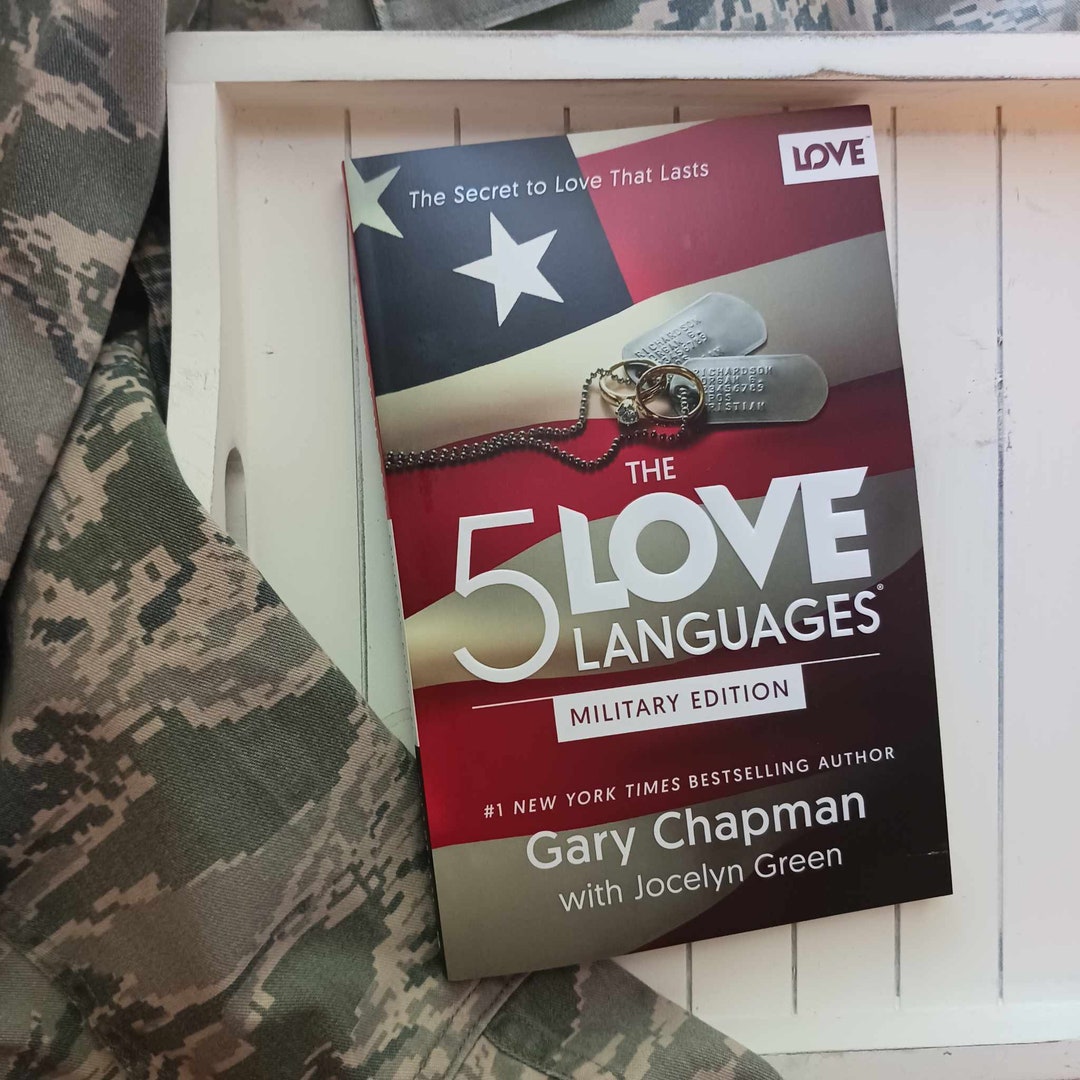
Military couples can maintain emotional intimacy during deployment by adapting Dr. Gary Chapman’s 5 Love Languages—Words of Affirmation, Acts of Service, Receiving Gifts, Quality Time, and Physical Touch—to fit the constraints of distance and restricted communication. By identifying a partner’s primary language and utilizing creative, mission-compatible strategies, couples can bridge the geographical gap and foster long-term relationship resilience.
The Foundation of Love Languages in Military Life
The concept of the "5 Love Languages," originally pioneered by Dr. Gary Chapman, suggests that individuals have specific ways they prefer to receive and express love. In a civilian context, these are often practiced through daily proximity. However, for military families in 2026, the deployment cycle introduces significant "friction points" that can drain what Chapman calls the "emotional love tank." When a service member is stationed overseas or on a sub-surface vessel, the standard methods of showing affection are often stripped away, leading to feelings of isolation or neglect.
Understanding these languages is not merely a relationship exercise; it is a vital component of mission readiness. A service member who feels emotionally secure and connected to their home front is better equipped to focus on their duties. Conversely, a spouse at home who feels appreciated and supported is more resilient against the stressors of solo parenting, household management, and the anxiety of a partner in a combat zone. Aligning these languages requires intentionality, moving beyond "going through the motions" to specific, high-impact actions that resonate with a partner’s unique emotional needs.
Words of Affirmation: Bridging the Distance with Communication
For many military spouses and service members, Words of Affirmation are the primary vehicle for emotional stability. This language focuses on spoken or written praise, appreciation, and encouragement. During deployment, communication is often the only bridge available, making this language particularly potent. However, the challenge lies in the quality and frequency of that communication, especially during "blackout" periods or when bandwidth is limited.
To effectively use Words of Affirmation, couples should move beyond generic "I love you" messages. Specificity is key. A service member might describe exactly what they miss about their partner’s character, while the spouse at home might detail how much they appreciate the service member’s dedication to their family’s future. In 2026, digital tools allow for voice memos and recorded videos, which carry the emotional weight of a partner’s tone and inflection—something text-based messages lack.
Writing remains a cornerstone of this language. Handwritten letters serve as tangible artifacts that can be reread during difficult moments when the internet is down. These "low-tech" solutions provide a sense of permanence that digital messages cannot replicate. For the partner whose language is Words of Affirmation, receiving a letter that details their strengths and the impact they have on the family can sustain them for weeks.
Acts of Service: Supporting the Home Front and the Front Lines
Acts of Service involves doing things you know your partner would like you to do. You seek to please them by serving them. For military couples, deployment physically prevents many traditional acts of service, such as cooking a meal or fixing a leaky faucet. This requires a shift in perspective: service becomes about easing the mental and logistical load of the other person.
For the deployed service member, Acts of Service might involve handling administrative tasks from afar. This could include managing the family budget, scheduling recurring maintenance for the home or vehicles, or organizing grocery deliveries for the spouse. By taking these responsibilities off the "home front" partner’s plate, the service member demonstrates active care despite the distance.
For the spouse at home, service often manifests in the preparation of care packages or the meticulous management of the household so the service member doesn't have to worry about "home problems" while on mission. It is a common mistake to think that service is only physical; in a military context, service is often about protection and peace of mind. Relieving a partner of a specific worry is one of the most profound acts of service possible during a deployment.
Quality Time: Navigating Time Zones and Limited Bandwidth
Quality Time is about giving someone your undivided attention. In a world of 24/7 connectivity, military couples often fall into the trap of "distracted communication"—texting throughout the day while multitasking. For a partner who values Quality Time, this can feel hollow. The goal during deployment is to create "shared experiences" that transcend the miles.
In 2026, many couples utilize synchronized activities to foster a sense of togetherness. This might involve:
- Reading the same book: Discussing a chapter a week via email or video call.
- Watch parties: Using streaming platforms to watch a movie "together" while on a voice call.
- Shared devotionals or journals: Completing a daily prompt and sharing reflections.
The challenge of Quality Time is often the time zone difference. Successful couples often establish a "ritual" time, even if it is only 15 minutes, where both parties agree to be fully present without distractions. It is the quality of the presence, not the duration, that refills the love tank for those who speak this language. If a video call is not possible, a detailed "day in the life" email can provide a sense of shared reality that keeps the couple's lives intertwined.
Receiving Gifts: The Power of Tangible Reminders
For some, a gift is a visual representation of love. It says, "He was thinking of me" or "She remembered me." In the military, the "care package" is the gold standard for this love language, but it can be refined to be more impactful. A gift does not need to be expensive; it needs to be meaningful and reflective of the recipient’s interests.
For the deployed partner, "Open When" letters are a hybrid of Words of Affirmation and Receiving Gifts. These are envelopes marked for specific occasions—"Open when you’re having a bad day," "Open when you’ve reached the halfway mark," or "Open on our anniversary." These provide the partner with a tangible gift they can hold, which is vital in a sterile military environment.
Spouses at home can also receive gifts through pre-planned deliveries. Before deploying, a service member might arrange for flowers to be delivered on a specific date or hide small notes and gifts around the house for the spouse to find later. These "hidden treasures" serve as a constant reminder of the service member’s presence and thoughtfulness, effectively bridging the gap between their departure and their return.
Physical Touch: Maintaining Intimacy Without Proximity
Physical Touch is arguably the most difficult love language to translate during deployment. The lack of a partner’s physical presence—a hug, a hand-hold, or simply sitting side-by-side—can be deeply painful for those who prioritize this language. To survive a long-term separation, couples must find "proxies" for physical touch.
One effective strategy is the use of transitional objects. This includes clothing that smells like the partner (often preserved in vacuum-sealed bags) or shared blankets. In 2026, technology like long-distance touch lamps or haptic feedback wearable devices allows partners to send a "tap" or a "vibration" to each other’s wrist, providing a small but significant physical sensation of connection.
Furthermore, Physical Touch can be addressed through "self-care" that mimics the soothing nature of a partner's touch, such as weighted blankets or professional massages. While these are not replacements for a spouse, they help regulate the nervous system, which often becomes frayed during the high-stress period of deployment. Upon reintegration, couples who prioritize physical touch should prioritize "skin-to-skin" contact and proximity to quickly rebuild the physical bond that was paused during the mission.
Deployment Strategy Comparison Table
The following table outlines how each love language can be adapted from "normal" life to the "deployment" phase and the subsequent "reintegration" phase.
| Love Language | Standard Expression | Deployment Adaptation | Reintegration Focus |
|---|---|---|---|
| Words of Affirmation | Daily compliments | "Open When" letters, voice notes | Focused verbal appreciation |
| Acts of Service | Household chores | Managing bills/logistics from afar | Gradually resuming shared duties |
| Quality Time | Date nights, walks | Synced movies, shared reading | Tech-free undistracted dates |
| Receiving Gifts | Occasional surprises | Personalized care packages | Tangible welcome-home tokens |
| Physical Touch | Hugs, intimacy | Scented clothing, haptic tech | High-frequency physical proximity |
Reintegration: Resetting the Love Languages
The return from deployment, often called the "reintegration phase," is a period of high vulnerability. Many couples assume that the relationship will naturally "snap back" to how it was before. However, both partners have changed. The spouse at home has become more independent, and the service member has been immersed in a completely different reality.
During this time, the love languages often need to be "re-learned." A partner who primarily valued Acts of Service might find that their spouse’s new independence makes them feel unneeded. Conversely, the service member might feel overwhelmed by the sudden physical proximity after months of isolation.
It is recommended that couples retake the 5 Love Languages assessment shortly after the homecoming. This provides a neutral framework to discuss how their needs have evolved. Reintegration is about negotiation. It involves deciding how to merge the independent routines developed during deployment back into a cohesive partnership, using the love languages as a guide to ensure both partners feel seen and valued during the transition.
Common Reintegration Challenges
- Overstimulation: The "Physical Touch" partner may want constant closeness, while the returning service member may need space to decompress.
- Role Confusion: The "Acts of Service" partner may try to take over tasks that the home-front spouse has mastered, leading to conflict.
- Expectation Gaps: High expectations for a "perfect" homecoming can lead to disappointment if the "Quality Time" isn't as seamless as imagined.
Frequently Asked Questions
Can your primary love language change during a deployment?
Yes, it is common for a person's primary love language to shift based on their environment and what they feel most deprived of. A spouse who usually values Acts of Service may find that Words of Affirmation become their primary need when they are physically alone and need verbal reassurance of their partner’s commitment.
How do we handle "Radio Silence" or "Blackout" periods?
During periods where communication is prohibited for operational security (OPSEC), preparation is essential. Using "Open When" letters or pre-recorded videos allows the partner to receive Words of Affirmation or Gifts even when active communication is impossible. Establishing these "reservoirs" of love before the blackout helps prevent the "love tank" from hitting empty.
What if my partner and I have the same love language?
While having the same love language can make it easier to understand each other's needs, it can also lead to a "double deficit" during deployment. For example, if both partners value Physical Touch, the separation may be doubly difficult. In these cases, it is even more important to utilize transitional objects and haptic technology to bridge the gap.
How can we involve children in these love languages during deployment?
Children also have love languages. For a child who values Quality Time, the deployed parent can record themselves reading a bedtime story. For a child who values Receiving Gifts, small "surprises" can be mailed home. Involving children in the process of sending love to the deployed parent (like helping with a care package) also teaches them healthy ways to express affection across distances.
Is professional counseling necessary to align these languages?
While many couples successfully navigate these languages on their own, resources like Military OneSource offer free counseling and relationship coaching. These professionals are trained in the specific nuances of military life and can help couples translate the 5 Love Languages into a sustainable "battle plan" for their relationship.
Taking the Next Steps Toward Connection
To begin aligning your communication and care, start with a "Pre-Deployment Audit." Sit down with your partner and discuss which love languages feel the most "full" and which feel "empty." Use the results of the 5 Love Languages quiz as a baseline, but be prepared for those needs to fluctuate as the deployment progresses.
Develop a Communication Agreement that outlines how each language will be addressed. This might include a schedule for care packages (Gifts), a dedicated time for "presence" (Quality Time), and a commitment to sending at least one encouraging text or email daily (Words of Affirmation). By treating relationship maintenance with the same level of discipline and planning as a military operation, couples can ensure that their bond survives—and even thrives—through the challenges of 2026 and beyond.