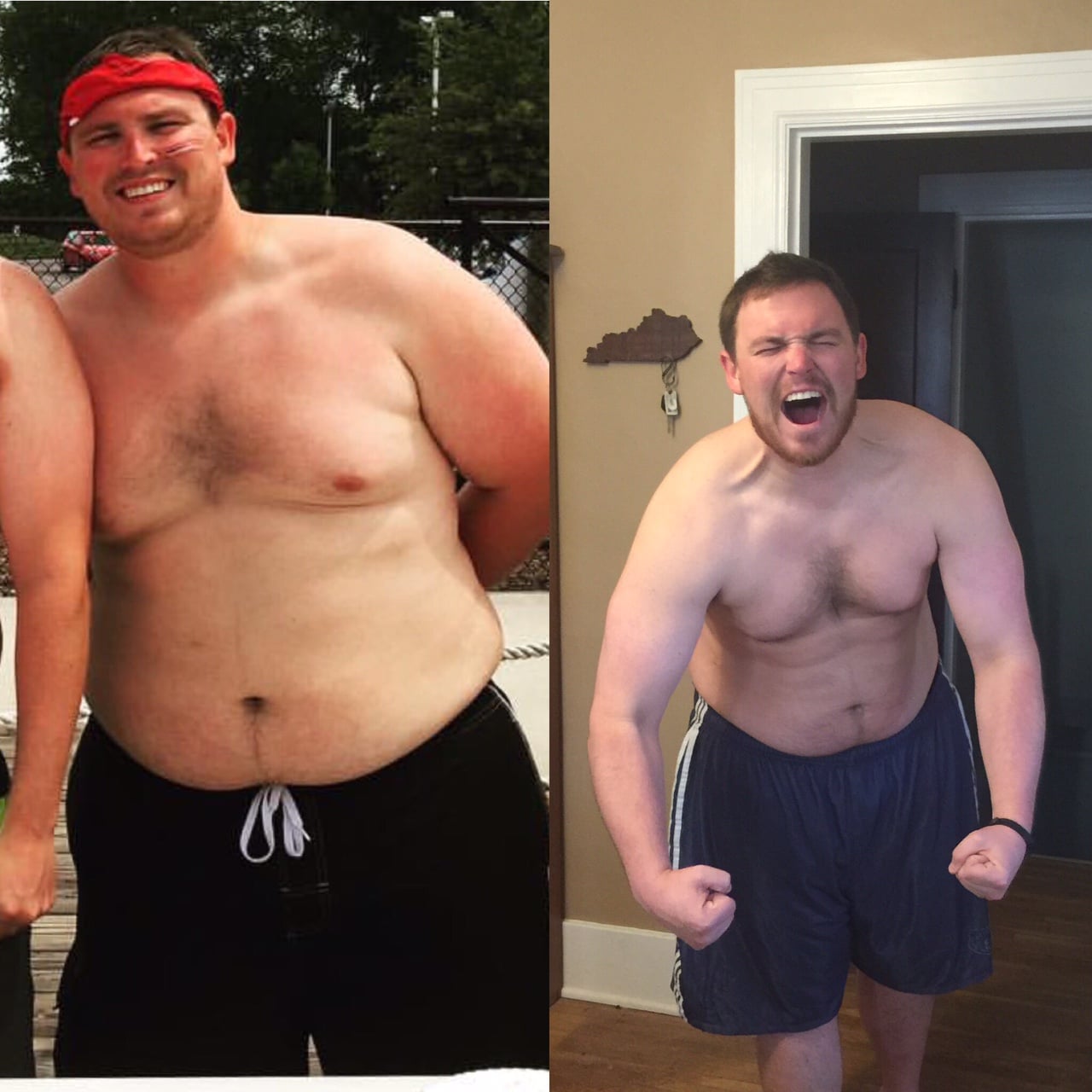
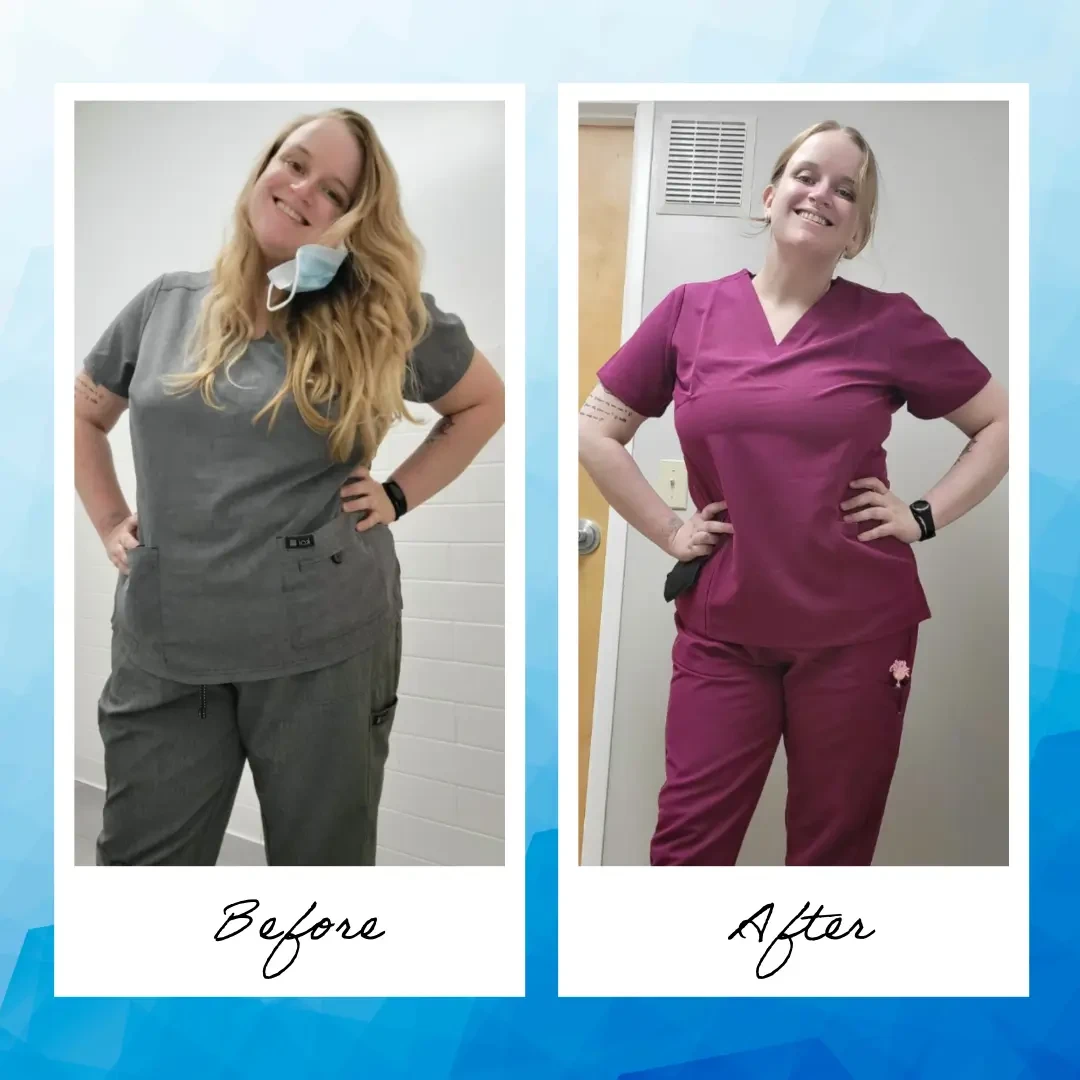
Losing 40 pounds is a significant physiological milestone that typically results in a reduction of 2 to 4 clothing sizes, a marked decrease in systemic inflammation, and a visible transformation in facial structure and body composition. For most individuals, achieving this result safely requires a timeframe of 20 to 40 weeks, depending on the starting body mass index (BMI) and adherence to a sustained caloric deficit.
The Biological Timeline of a 40-Pound Transformation
Understanding the timeframe for a 40-pound weight loss is critical for setting realistic expectations. As of 2026, clinical guidelines from organizations like the Centers for Disease Control and Prevention (CDC) continue to recommend a gradual weight loss rate of 1 to 2 pounds per week. This rate is prioritized because it is more likely to result in long-term maintenance rather than the "yo-yo" effect often seen with crash dieting.
To lose 40 pounds, a person must create a cumulative deficit of approximately 140,000 calories (based on the traditional estimation of 3,500 calories per pound of fat). At a rate of 1.5 pounds per week, the transformation takes roughly 27 weeks. During the first few weeks, many individuals notice a rapid drop—often 5 to 10 pounds—which is largely attributed to the depletion of glycogen stores and the subsequent release of associated water weight.
Following the initial "water drop," weight loss typically stabilizes. This middle phase is where the true body recomposition occurs. By week 15, metabolic adaptations begin to surface, where the body becomes more efficient, potentially slowing the rate of loss. This is why a 40-pound journey is rarely linear; it is a series of steady declines punctuated by brief plateaus as the body recalibrates to its new mass.
Visual Changes: The "Paper Towel Effect" and Body Composition
One of the most frequent questions regarding a 40-pound loss is how it will physically change one’s appearance. This is best explained by the "Paper Towel Effect." Imagine a roll of paper towels. Removing 10 sheets from a full roll is barely noticeable. However, removing 10 sheets from a roll that is already half-empty creates a significant change in the roll's diameter.
For someone starting at 300 pounds, a 40-pound loss is a 13.3% reduction in body weight. For someone starting at 200 pounds, it is a 20% reduction. The visual impact is more profound the closer one gets to their ideal body weight.
Facial "Gains" and Jawline Definition
The face is often the first place where a 40-pound transformation becomes undeniable. As subcutaneous fat diminishes, the underlying bone structure—specifically the jawline and cheekbones—becomes more prominent. This effect, often termed "face gains" in fitness communities, occurs because the face holds relatively small amounts of fat compared to the abdomen or thighs; thus, even small losses are magnified.
Changes in Clothing Size
Generally, losing 10 to 15 pounds results in the loss of one clothing size. A 40-pound loss can shift a person’s wardrobe by 3 to 4 full sizes. This transformation often necessitates a complete change in internal posture as well; as the "spare tire" or abdominal visceral fat decreases, the center of gravity shifts, often relieving lower back tension and allowing for a more upright gait.
Health and Metabolic Milestones
While the "before and after" photos capture the external change, the internal biological results of losing 40 pounds are often more consequential. According to research cited by the National Institutes of Health (NIH), losing even 5% to 10% of total body weight can significantly improve cardiovascular health.
Cardiovascular and Blood Pressure Improvements
Carrying 40 extra pounds puts significant strain on the heart, which must pump blood through an expanded network of capillaries to reach adipose tissue. A 40-pound reduction can lead to a drop in systolic blood pressure by as much as 10–20 mmHg. Furthermore, the reduction in total body volume decreases the peripheral resistance the heart must overcome, directly lowering the risk of hypertensive heart disease.
Insulin Sensitivity and Diabetes Risk
Weight loss is a primary intervention for reversing pre-diabetes or managing Type 2 diabetes. Adipose tissue, particularly visceral fat (fat stored around organs), is metabolically active and secretes pro-inflammatory cytokines that contribute to insulin resistance. Losing 40 pounds—especially if a significant portion is from the midsection—restores the body’s ability to utilize glucose efficiently, often allowing individuals to reduce or eliminate dependency on certain medications under medical supervision.
Joint Health and Mobility
From a mechanical perspective, every pound lost removes approximately four pounds of pressure from the knee joints during daily activities. A 40-pound loss, therefore, removes 160 pounds of force from the knees with every step. This leads to a drastic reduction in chronic joint pain and a lower long-term risk of developing osteoarthritis.
Nutritional Strategies for a Sustainable 40-Pound Loss
Achieving a 40-pound transformation requires a transition from "dieting" to "metabolic management." As of 2026, the focus has shifted away from restrictive elimination diets toward high-protein, volume-centric eating patterns that preserve lean muscle mass.
The Role of Protein and Muscle Preservation
A common mistake in large-scale weight loss is losing muscle alongside fat. If 10 of the 40 pounds lost are muscle, the individual's basal metabolic rate (BMR) will drop significantly, making maintenance difficult. To prevent this, a protein intake of 0.8 to 1 gram per pound of goal body weight is recommended. Protein has a high thermic effect of food (TEF), meaning the body burns more calories digesting it than it does fats or carbohydrates.
Caloric Deficit Calculation
To maintain a steady 40-pound trajectory, one must calculate their Total Daily Energy Expenditure (TDEE). A 500-calorie daily deficit results in approximately 1 pound of loss per week. However, as the weight drops, the TDEE also drops. A person who is 40 pounds lighter requires fewer calories to exist. Successful "after" results are maintained by those who periodically recalculate their caloric needs every 10 pounds lost.
| Metric | Start (Example) | Midway (20 lbs lost) | Target (40 lbs lost) |
|---|---|---|---|
| Weight | 220 lbs | 200 lbs | 180 lbs |
| Estimated TDEE | 2,400 kcal | 2,250 kcal | 2,100 kcal |
| Daily Caloric Goal | 1,800 kcal | 1,750 kcal | 1,600 kcal |
| Approx. Waist Size | 38 inches | 35 inches | 32 inches |
| Blood Pressure | 135/85 mmHg | 125/80 mmHg | 115/75 mmHg |
The Role of Physical Activity in Shaping the "After" Result
While weight loss is primarily driven by nutrition, the aesthetic and functional "after" result of a 40-pound transformation is dictated by physical activity. Without resistance training, a 40-pound loss can sometimes lead to a "skinny fat" appearance, where the individual is smaller but lacks muscle tone and skin elasticity.
Resistance Training vs. Cardio
Cardiovascular exercise (running, swimming, cycling) is excellent for heart health and increasing the caloric deficit. However, resistance training (weightlifting, bodyweight exercises) is what shapes the body. By stressing the muscles, the body is signaled to prioritize burning fat stores rather than breaking down muscle tissue for energy. Incorporating strength training at least 3 days a week during the transformation process ensures that the "after" result features a higher metabolic rate and improved physical definition.
NEAT: The Secret to Consistency
Non-Exercise Activity Thermogenesis (NEAT) includes all the calories burned through movement that is not intentional exercise, such as walking to the car, cleaning, or fidgeting. For many who successfully lose 40 pounds, increasing their daily step count to 8,000–10,000 is more impactful than an hour at the gym. NEAT is easier to sustain over the 20–40 week period required for a 40-pound loss than high-intensity interval training.
Psychological Impacts and Behavioral Shifts
The "before and after" of a 40-pound journey is as much mental as it is physical. Significant weight loss often triggers a shift in self-perception and social dynamics.
Body Dysmorphia and the Mental Lag
It is common for the mind to "lag" behind the body. Even after losing 40 pounds, many individuals still perceive themselves as their "before" weight. This phenomenon can make it difficult to appreciate progress. Documenting the journey through non-scale victories (NSVs)—such as fitting into an old pair of jeans or having more energy to play with children—is vital for psychological health.
Overcoming the Plateau
Almost every 40-pound transformation encounters a plateau. This usually occurs around the 20-pound mark. Biologically, this is often "metabolic adaptation," where the body becomes more efficient at the lower weight. Psychologically, this is the "boring middle" where initial motivation wanes. Overcoming this requires a focus on discipline rather than motivation, often necessitating a small adjustment in calories or an increase in physical activity.
Addressing Loose Skin and Aesthetic Concerns
A concern for many losing 40 pounds is the potential for loose skin. The extent of loose skin depends on several factors:
- Age: Younger skin has more collagen and elastin, allowing it to "snap back" more effectively.
- Rate of Loss: Gradual loss (1–2 lbs/week) gives the skin more time to adapt to the shrinking body volume.
- Genetics: Individual skin elasticity varies.
- Hydration and Nutrition: Proper hydration and micronutrient intake (Vitamin C, Zinc) support skin health.
While 40 pounds is often the threshold where skin elasticity is tested, it is rarely enough weight to cause the severe hanging skin associated with 100+ pound losses. Building muscle underneath the skin can help "fill out" the areas, making the skin appear tighter and more toned.
Frequently Asked Questions
How many clothing sizes do you lose with 40 pounds?
Most people lose 3 to 4 clothing sizes. This is because a standard clothing size is usually tied to a 10–12 pound weight shift or a 1–2 inch change in waist circumference. The exact number depends on your height; a shorter person may see a more dramatic change in sizes than a very tall person.
Will I have loose skin after losing 40 pounds?
At 40 pounds, most individuals do not experience significant loose skin, especially if the loss is gradual. Factors like age, smoking history, and sun exposure play a role in skin elasticity. Staying hydrated and incorporating strength training to maintain muscle volume are the best ways to minimize skin laxity during the process.
How long does it take to lose 40 pounds safely?
The safest and most sustainable timeframe is 20 to 40 weeks. While it is possible to lose weight faster through extreme restriction, those methods often lead to significant muscle loss and a higher likelihood of regaining the weight. Aiming for 1 to 1.5 pounds per week is the "gold standard" for long-term success.
Can you lose 40 pounds with just diet?
Yes, weight loss is fundamentally a result of a caloric deficit, which can be achieved through diet alone. However, combining diet with exercise—specifically resistance training—ensures that the weight lost is primarily fat rather than muscle, leading to a much healthier and more aesthetically pleasing "after" result.
What is the most noticeable change after 40 pounds?
The most noticeable changes are usually "face gains," improved energy levels, and a significant reduction in joint pain. Many people also report improved sleep quality and a reduction in snoring, as weight loss reduces pressure on the airways.
Designing Your Sustainable 40-Pound Roadmap
To move from the "before" to the "after," you must view the process as a lifestyle redesign rather than a temporary fix. Start by establishing your baseline TDEE and reducing your daily intake by 500 calories. Focus on whole, single-ingredient foods that provide high satiety, such as lean meats, cruciferous vegetables, and complex carbohydrates.
Simultaneously, implement a walking habit and at least two days of full-body resistance training. Track your progress not just with the scale, but with weekly photos and measurements. Remember that the "after" phase is a permanent commitment to the habits that created the results. The goal is not just to reach the 40-pound milestone, but to build a body and a set of behaviors that make it impossible to return to the "before" state.