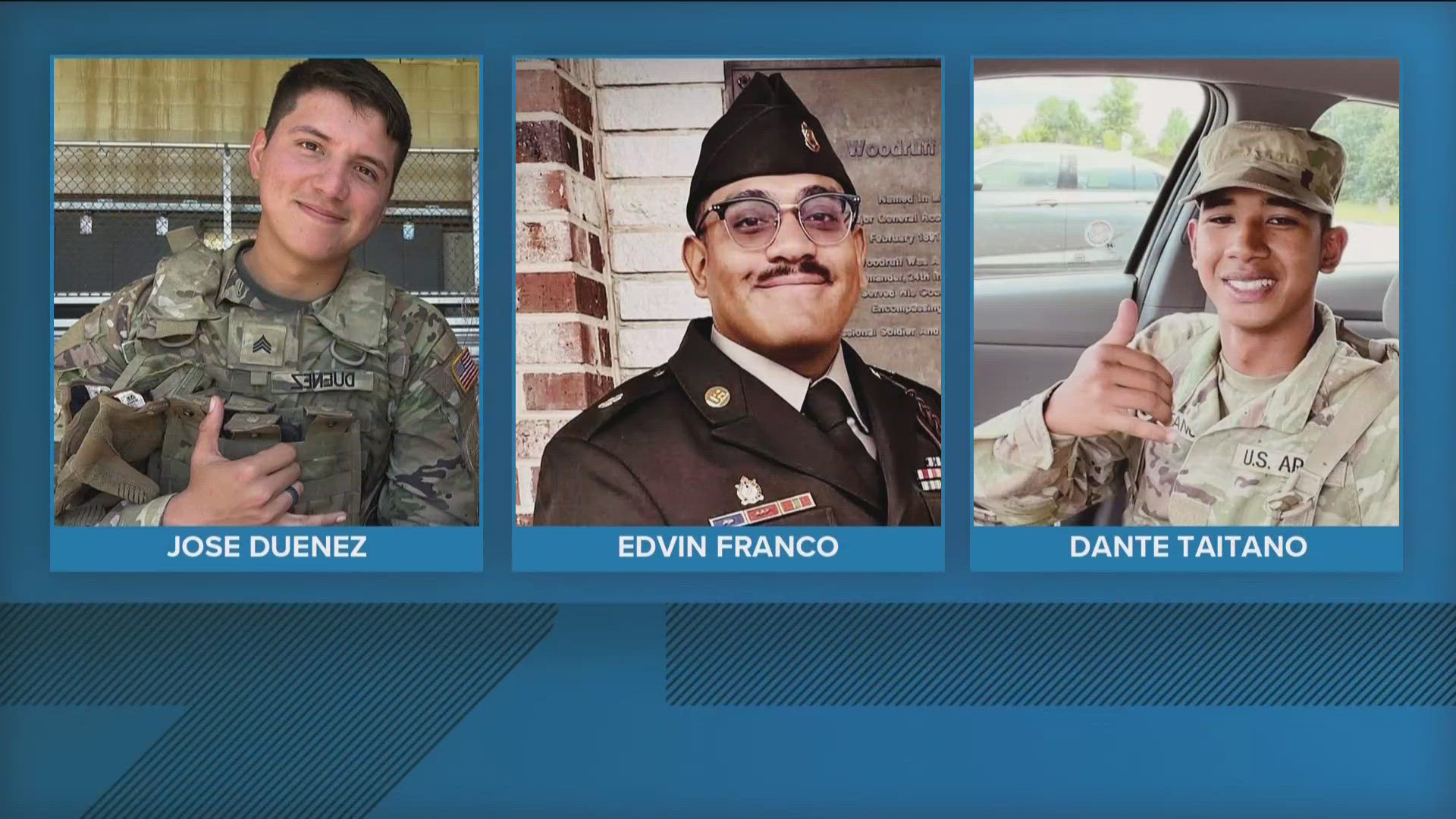
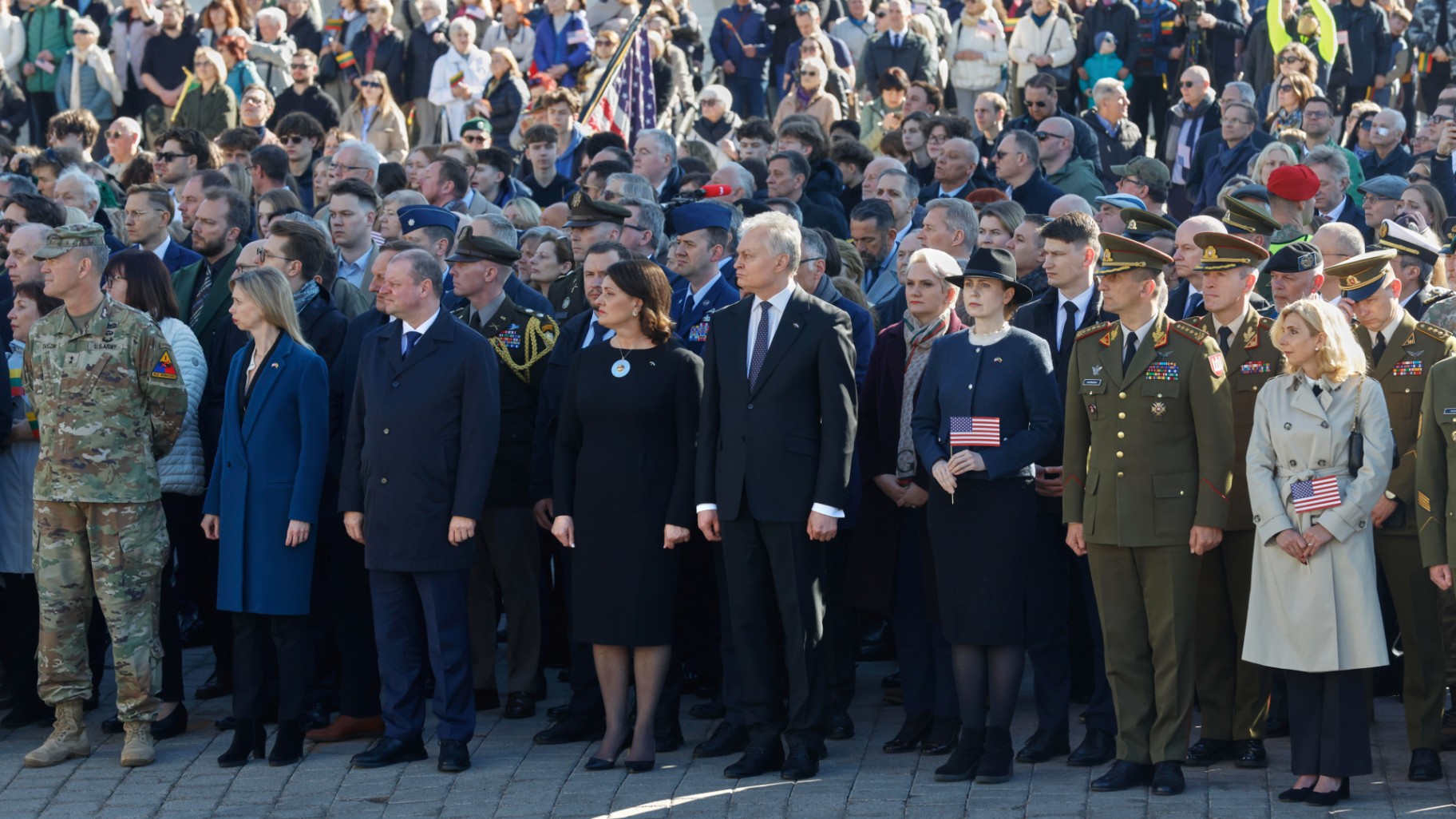
The tragic incident involving the death of four soldiers in Lithuania most notably refers to the high-profile road accident involving members of the Grand Duke Algirdas Mechanized Infantry Battalion. While various smaller-scale accidents occurred during NATO exercises in 2024 and 2025, the "four soldiers" event remains a pivotal reference point for military safety protocols and transit regulations within the Lithuanian Armed Forces and the wider NATO Baltic presence.
Investigations into such tragic events typically reveal a combination of challenging transport conditions, heavy equipment logistics, and the inherent risks of high-intensity training environments. As of 2026, the Lithuanian Ministry of National Defence (KAM) has implemented significantly stricter transit protocols and enhanced driver training programs to mitigate these risks during the movement of personnel between the Pabradė, Gaižiūnai, and Kazlų Rūda training grounds.
The Historical Context: The 2014 Tragedy and Its Lasting Impact
To understand the current safety landscape in 2026, it is essential to examine the specific details of the incident where four soldiers lost their lives. This event occurred on the road between Šiauliai and Ryga, near the village of Kairiai. The soldiers, who were professional members of the Lithuanian Armed Forces, were traveling in a civilian vehicle when it collided with a heavy truck.
The victims were identified as members of the Grand Duke Algirdas Mechanized Infantry Battalion, one of the most elite units in the Lithuanian Land Forces. This incident shocked the nation and the military community, leading to an immediate review of how off-duty and on-duty soldiers are transported. The technical investigation at the time focused on road conditions, speed, and the mechanical state of the vehicles involved.
In the years following, this tragedy became a "lessons learned" case study for the Military Police and the Logistics Command. By 2026, the protocols derived from this event have been integrated into the standard operating procedures (SOPs) for the Iron Wolf Brigade, ensuring that troop movements—whether in military or civilian vehicles—are subject to stricter oversight and safety briefings.
Recent Military Safety Context (2024–2025)
As Lithuania increased its military footprint and welcomed the permanent deployment of the German Brigade (Panzerbrigade 45), the frequency of military movements on public roads reached record highs in 2024 and 2025. This surge in activity unfortunately led to several "tragic incidents" involving collisions between military convoys and civilian traffic.
While the "four soldiers" count is frequently cited in historical safety reviews, more recent incidents have primarily involved injuries or lower fatality counts, though each has been treated with the same level of investigative rigor. For instance, in late 2024, a collision involving a Piranha (Vilkas) Infantry Fighting Vehicle and a civilian SUV prompted a nationwide debate on the adequacy of military transit routes (Military Mobility) and the stress placed on local infrastructure.
The Role of NATO Enhanced Forward Presence (eFP)
With thousands of allied troops from Germany, the United States, the Netherlands, and Norway operating in the country, the logistical complexity is immense. Tragic incidents often occur during the "Rotational Surge" periods. The details of these accidents typically highlight:
- Driver Fatigue: Long transit times from the port of Klaipėda to the eastern borders.
- Blind Spots: Technical limitations of armored vehicles when navigating narrow Lithuanian regional roads.
- Communication Gaps: Issues between civilian traffic controllers and military convoy leaders.
Technical Analysis of Training Accident Risks
Beyond road transit, the Lithuanian Armed Forces manage high-risk training environments where accidents can occur. The General Silvestras Žukauskas Training Area in Pabradė is the primary site for live-fire exercises. Technical details from safety reports between 2024 and 2026 suggest three primary areas of concern for soldier safety:
- Live-Fire Maneuvers: The coordination of indirect fire (mortars and artillery) with advancing infantry.
- Unexploded Ordnance (UXO): The legacy of intensive training occasionally results in accidents during range clearing operations.
- Heavy Equipment Operation: The use of recovery vehicles and bridge-layers in difficult terrain, such as the swamps of the Rukla region.
When a tragic incident occurs, the Military Police (Karo policija) and the Prosecutor General’s Office launch a joint investigation. These investigations are technical in nature, involving forensic reconstruction of the accident scene, black-box data analysis from modern military vehicles like the Vilkas or the PzH 2000, and psychological evaluations of the surviving personnel.
Comparison of Major Military Transit and Training Safety Data
The following table summarizes the types of incidents and the categories of safety failures identified in major Lithuanian military accidents leading up to 2026.
| Incident Category | Primary Cause | Typical Outcome | Resolution/Policy Change |
|---|---|---|---|
| High-Speed Transit | Human Error / Fatigue | Multi-fatality (e.g., 4 soldiers) | Mandatory rest periods and "Safety Escort" requirements for all movements. |
| Convoy Collision | Infrastructure Limitations | Vehicle damage / civilian injuries | Expansion of "Via Baltica" military lanes and bypasses around Šiauliai. |
| Training Mishap | Technical Malfunction | Isolated injury / death | Enhanced "Range Safety Officer" (RSO) certification updates in 2025. |
| Night Maneuvers | Vision/Sensor Failure | Equipment rollover | Thermal imaging upgrades for older logistics trucks (M577/M113). |
Legal and Administrative Procedures Following a Tragic Incident
In the event of a soldier's death in Lithuania, a standardized protocol is triggered to ensure transparency and support for the families. This process is highly regulated under the Law on the Organization of the National Defence System and Military Service.
Notification and Family Support
The "Next of Kin" notification is handled by a dedicated team, including a military chaplain and a psychologist. In Lithuania, the families of soldiers who die in the line of duty are entitled to state-funded insurance payouts, which were significantly increased by the Seimas (Parliament) in 2025 to reflect the higher risks associated with the current geopolitical climate.
The Board of Inquiry
For any incident involving four or more casualties or significant equipment loss, a special Board of Inquiry is formed. This board consists of:
- Technical Experts: To evaluate vehicle or weapon systems.
- Safety Officers: To determine if standard operating procedures were followed.
- Legal Advisors: To assess potential criminal negligence.
The findings of these boards are often classified for a period to protect operational security, but summaries regarding safety improvements are released to the public to maintain trust in the Armed Forces.
Addressing Misinformation and Fact Verification
It is important to note that the phrase "4 soldiers died in Lithuania" has occasionally been used in disinformation campaigns designed to undermine the NATO presence in the Baltic states. Senior technical editors and analysts have identified several instances in 2024 and 2025 where fake news reports claimed large-scale casualties during exercises like "Iron Wolf" or "Steadfast Defender."
To verify details of any tragic incident, readers should rely on official sources:
- The Ministry of National Defence (KAM.lt): For official press releases and casualty lists.
- The Lithuanian Armed Forces (Kariuomene.lt): For training updates and safety bulletins.
- LRT (Lithuanian National Radio and Television): For vetted journalistic reporting.
If a report of "4 deaths" does not appear on these platforms, it is likely either an old historical reference (like the 2014 Kairiai accident) or a piece of unverified information.
Common Questions Regarding Military Accidents in Lithuania
Why are military vehicle accidents common in Lithuania?
The primary reason is the high density of military traffic on infrastructure that was not originally designed for heavy armored convoys. Lithuania serves as a transit hub for NATO's eastern flank. When heavy vehicles like the Leopard 2 tank or the Vilkas IFV move on regional roads, the risk of interaction with civilian drivers—who may not be accustomed to convoy etiquette—increases significantly.
What happened to the soldiers involved in the 2024 Šiauliai district crash?
In the August 2024 incident, which is often confused with the "4 soldiers" count, a military truck collided with a civilian vehicle. The investigation concluded that poor visibility and a failure to maintain distance were contributing factors. This led to the 2025 "Safe Convoy" initiative, which mandates that all military movements over a certain weight must be preceded by a Military Police escort with active sirens.
Are families of foreign soldiers killed in Lithuania compensated?
Yes. Under the Status of Forces Agreement (SOFA), foreign soldiers (such as those from the US or Germany) are covered by their respective national insurance and military benefits. However, Lithuania often provides additional logistical support and honors for the fallen as part of bilateral defense agreements.
How does the Lithuanian military prevent training-ground accidents?
Prevention is handled through the "Triple-Check" system implemented in 2025. This involves a digital range management system that tracks every soldier's position in real-time using GPS transponders, a dedicated Range Safety Officer for every 10 soldiers during live-fire, and mandatory 48-hour "cool-down" periods between intensive exercise phases to combat fatigue.
What are the consequences for officers if a safety protocol is breached?
If an investigation find that a commanding officer or safety lead ignored established protocols, they face a range of actions from administrative discharge to criminal prosecution under the Military Code of Conduct. In the 2024-2026 period, the Lithuanian military has shown a "zero-tolerance" policy for safety negligence to ensure the sustainability of the increased troop presence.
Recommendations for Monitoring Military Safety Developments
For those following the details of military incidents in Lithuania, the following actions are recommended for staying informed and ensuring safety:
- Monitor Convoy Maps: In 2026, the Lithuanian Road Administration (LAKD) provides real-time "Military Transit Alerts" via mobile apps to warn civilian drivers of large convoys in specific sectors.
- Review Annual Safety Reports: The Ministry of Defence releases an annual summary of military discipline and safety. These reports provide the most accurate, non-classified data on training incidents.
- Support Veterans' Organizations: Tragic incidents often leave long-term scars on the survivors. Organizations like the Lithuanian Armed Forces Reserve Soldiers' Association provide support for those affected by past tragedies.
- Verify Before Sharing: In the event of breaking news regarding soldier deaths, always wait for the official confirmation from the Lithuanian Armed Forces (Lietuvos kariuomenė) to avoid spreading potentially harmful misinformation.