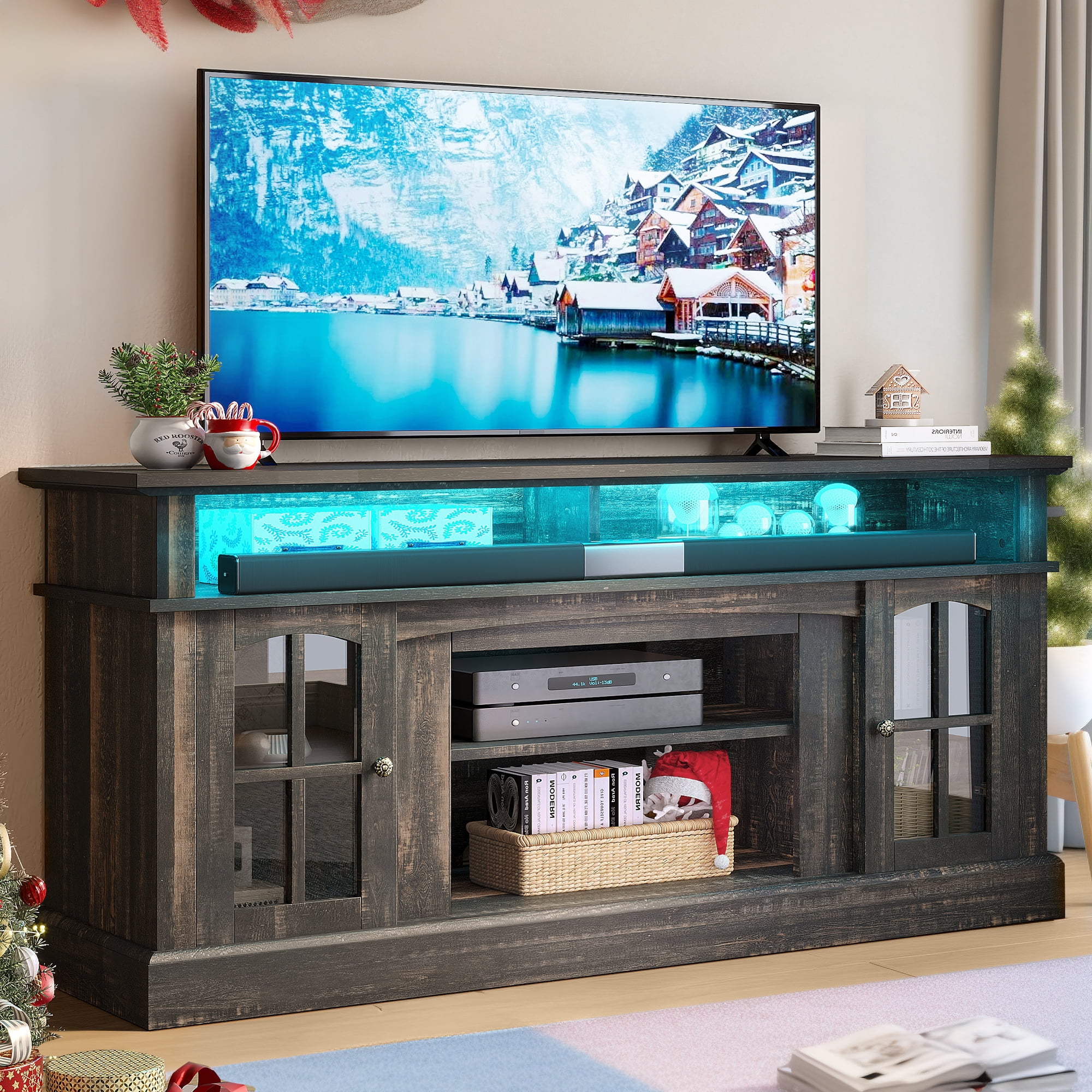
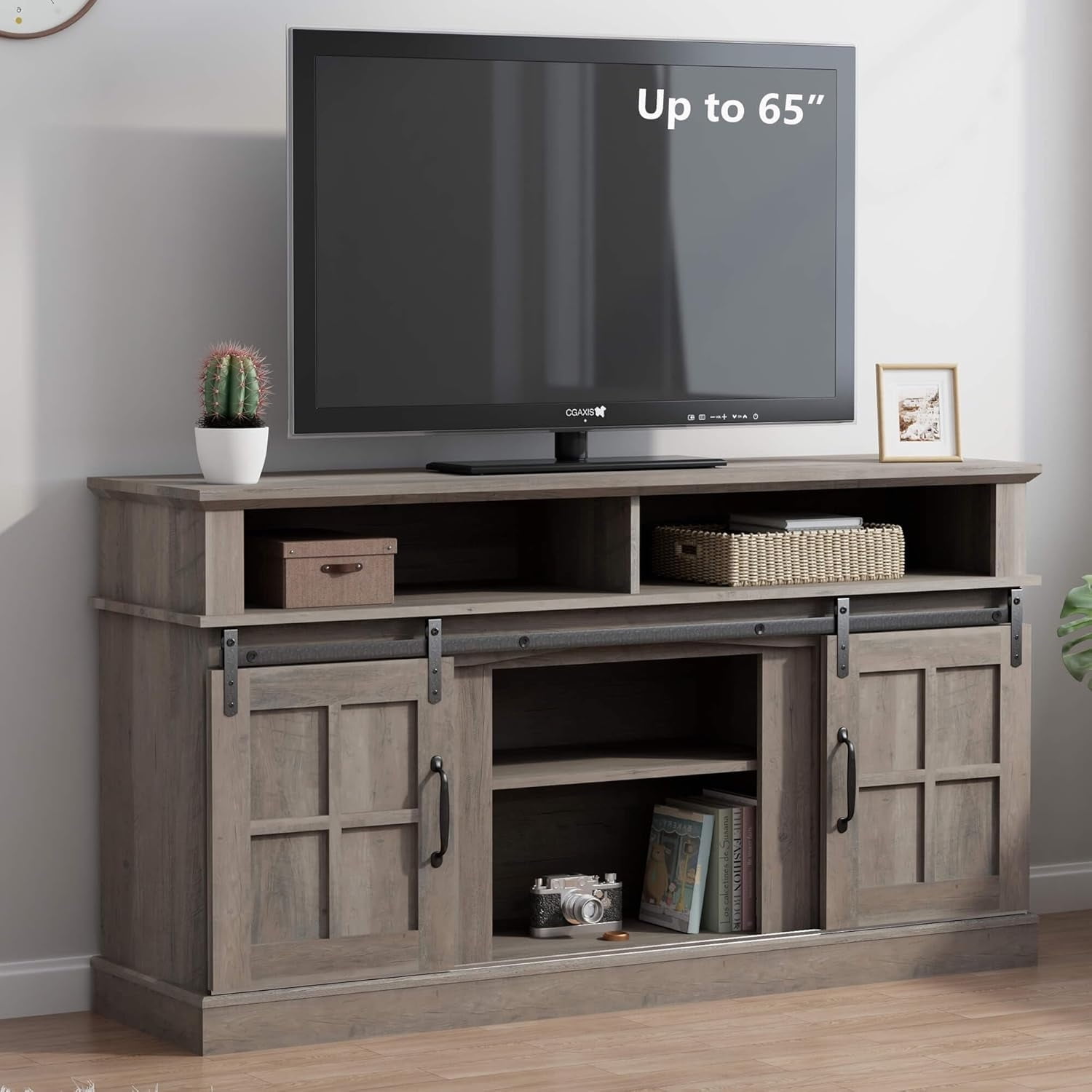
A 3ft TV stand, typically measuring approximately 36 inches in width, is the ideal furniture solution for compact living spaces, bedrooms, and home offices. Designed to support televisions ranging from 32 to 43 inches, these units balance structural stability with a small footprint, providing essential storage and cable management without overwhelming a room's layout.
In the interior design landscape of 2026, the shift toward "intentional minimalism" has cemented the 3ft TV stand as a staple for urban dwellers and those optimizing secondary viewing areas. While larger media consoles often dominate living room discussions, the 36-inch segment offers a unique blend of versatility and efficiency. Selecting the right model requires an understanding of weight distribution, material durability, and the specific dimensional relationship between the stand and the television it supports.
Understanding Dimensions and TV Compatibility
The most common mistake when purchasing a 3ft TV stand is confusing the diagonal screen size of a television with its actual physical width. A "3ft" stand provides exactly 36 inches of horizontal surface area. To ensure a safe and aesthetically pleasing setup, the physical width of the TV should ideally be equal to or less than the width of the stand.
For instance, a standard 40-inch TV usually has a physical width of approximately 35 inches. This fits perfectly on a 3ft stand with half an inch of clearance on either side. However, a 43-inch TV often measures around 37 to 38 inches in width. Placing a 43-inch screen on a 36-inch stand results in "overhang," where the edges of the TV extend past the furniture. While structurally possible if the TV's legs are centrally located, overhang increases the risk of the TV being bumped and creates a top-heavy visual that can make a small room feel cluttered.
Furthermore, the depth of the stand is equally critical. Most 3ft units range from 12 to 16 inches in depth. You must verify that the TV’s pedestal or "duck-foot" legs fit entirely within this depth to prevent the device from tipping forward or backward.
Material Selection and Structural Integrity in 2026
As of 2026, material science in furniture manufacturing has pivoted toward high-density engineered composites and sustainable hardwoods. When evaluating a 3ft TV stand, the material dictates both the maximum load capacity and the longevity of the piece.
Solid Hardwoods
Acacia, oak, and walnut remain premium choices for 3ft stands. Solid wood offers superior screw-holding power, which is essential if the stand includes drawers or heavy-duty hinges. In 2026, consumers prioritize FSC-certified (Forest Stewardship Council) woods, ensuring that the small-space furniture is environmentally responsible.
High-Density Fiberboard (HDF) and MDF
Most affordable 3ft stands utilize Medium-Density Fiberboard (MDF) or High-Density Fiberboard (HDF) with a laminate or wood veneer. While these are cost-effective, it is vital to check the thickness of the top panel. A 3ft stand made of thin MDF may sag over time if supporting an older, heavier LED model. Look for units with a reinforced central support or a top panel thickness of at least 18mm.
Metal and Industrial Glass
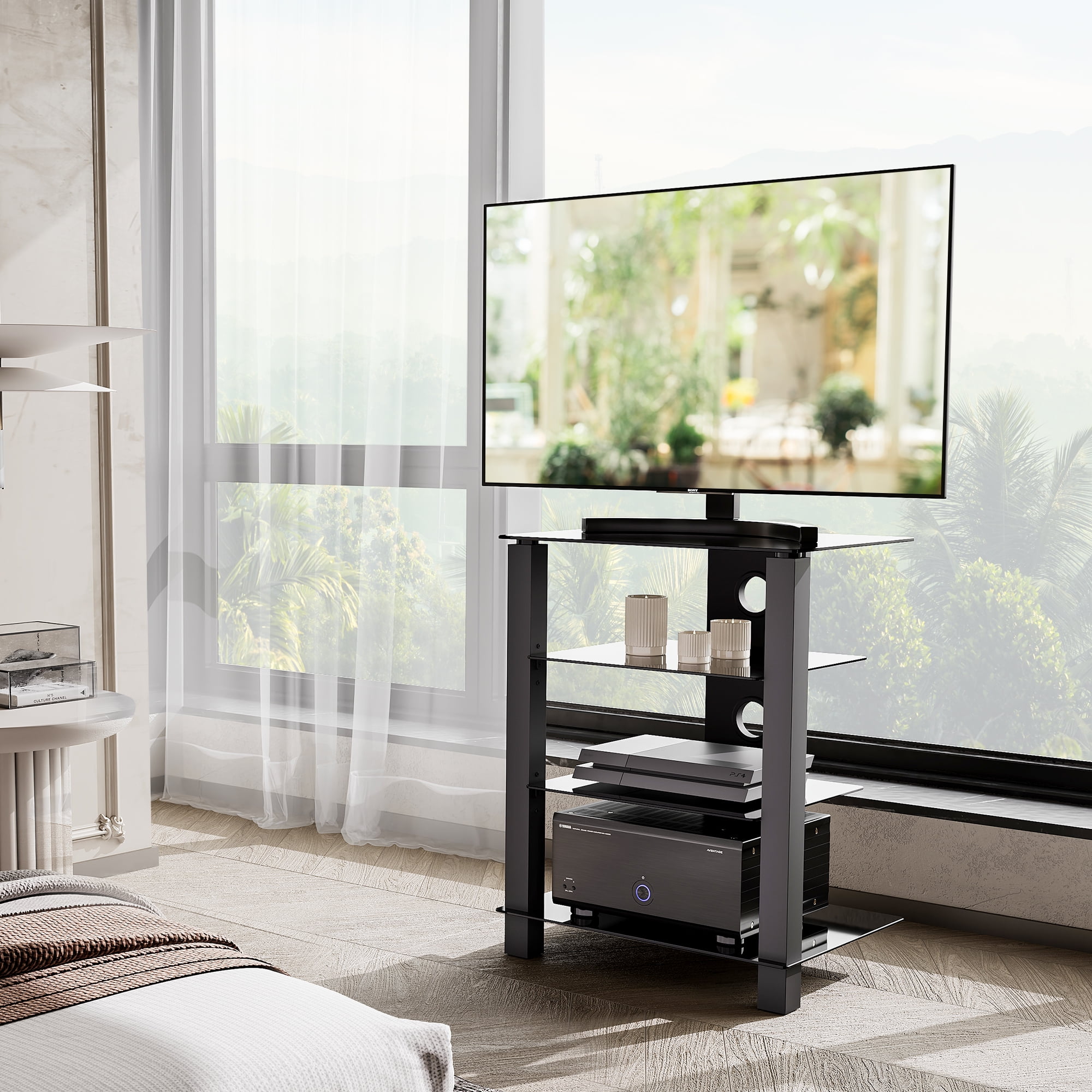
Metal frames, often paired with tempered glass or reclaimed wood shelves, are popular in "industrial-chic" designs. These are particularly useful in small spaces because their open-frame nature allows light to pass through, making the room feel larger. However, tempered glass must be rated for the specific weight of your TV; standard 2026 safety guidelines suggest glass thickness of at least 6mm to 8mm for media applications.
Technical Specifications and Load Bearing
Before finalizing a purchase, you must verify the weight capacity of the unit. Although modern OLED and QLED televisions are lighter than their predecessors, a 40-inch TV can still weigh between 15 and 25 pounds. If you plan to store heavy gaming consoles, soundbars, or book collections on the lower shelves, the cumulative weight can quickly exceed the limits of a budget-friendly stand.
| Feature | Compact Laminate Stand | Solid Wood Console | Metal & Glass Unit |
|---|---|---|---|
| Typical Width | 35.5" - 36" | 36" | 36" |
| Weight Capacity | 35 - 50 lbs | 75 - 100 lbs | 40 - 60 lbs |
| Storage Type | Closed Cabinets | Drawers & Shelves | Open Tiered Shelving |
| Best For | Dorms & Apartments | Permanent Bedrooms | Modern Living Rooms |
| Durability | Moderate | High | Moderate (Glass Risk) |
Safety is paramount, especially with narrower furniture. Because a 3ft stand has a smaller base of support than a 6ft console, it is more susceptible to tipping if a child climbs on it or if the floor is uneven. In 2026, many manufacturers include anti-tip kits as a standard safety feature. We highly recommend anchoring any 36-inch stand to the wall, particularly if it stands taller than 24 inches.
Optimized Storage and Cable Management
The primary challenge of a 3ft TV stand is maximizing utility within a limited volume. Effective stands in 2026 focus on "intelligent storage" solutions that accommodate modern peripheral devices.
- Cable Pass-Throughs: Ensure the back panel has pre-drilled, reinforced holes. In 3ft stands, space is tight; without proper cable routing, wires can bunch up behind the unit, pushing it away from the wall and creating an unsightly gap.
- Adjustable Shelving: Since media players, mesh Wi-Fi routers, and gaming consoles vary in height, adjustable shelves allow you to customize the internal vertical space. This prevents "dead space" where a small device sits on a large shelf.
- Ventilation: Electronics generate heat. Closed-cabinet 3ft stands should have either slatted doors or ventilated back panels to prevent hardware from overheating in the confined space.
- Hidden Compartments: Many 2026 designs feature "flip-down" fronts that look like drawers but act as platforms for controllers or remote controls, keeping the visual profile clean.
Styling a 3ft Stand in Small Interiors
A 3ft TV stand is more than just a utility piece; it is often the focal point of a small room. To prevent the stand from looking like a "box in a corner," consider the following design principles:
- The Rule of Thirds: If the stand is 36 inches wide, try to keep the TV centered, leaving small "zones" on either side for a single decorative object, such as a small succulent or a ceramic tray. Over-decorating a small stand makes the TV area look cluttered.
- Vertical Integration: Since you are limited horizontally, use the wall space above the TV. Floating shelves or framed art can draw the eye upward, making the 3ft stand feel like part of a larger, integrated wall unit.
- Leg Height: Stands with "tapered legs" or "hairpin legs" create a sense of floor continuity. When you can see the floor beneath the furniture, the room feels significantly less cramped. This is a hallmark of Mid-Century Modern styling that remains highly relevant in 2026.
Common Mistakes to Avoid
When shopping for or assembling a 3ft TV stand, avoid these frequent pitfalls:
- Ignoring the Height of the Viewing Angle: The height of a 3ft stand can vary from "low-profile" (16 inches) to "chest-height" (30 inches). Your eyes should be level with the middle of the TV screen when seated. A stand that is too high for a sofa setup will cause neck strain.
- Neglecting Footprint Clearance: Remember to account for the swing of cabinet doors. In a tight bedroom, a 3ft stand with swinging doors might hit the foot of the bed. In such cases, sliding doors or open shelving are superior choices.
- Forgetting the Power Strip: Many people forget that a TV, soundbar, and console require at least three power outlets. Look for stands that have a recessed area in the back to house a power strip, keeping the floor clear of "cable nests."
Frequently Asked Questions
Can I put a 50-inch TV on a 3ft stand?
Technically, you can if the TV has a center pedestal stand that fits within the 36-inch width and the weight does not exceed the stand's limit. However, it is not recommended. A 50-inch TV is roughly 44 inches wide, meaning it will overhang the stand by 4 inches on each side. This creates a significant safety hazard and a poor visual balance.
Is a 3ft TV stand too small for a living room?
For a large, open-concept living room, a 3ft stand usually looks undersized. However, for a "snug" or a dedicated media nook in a studio apartment, it is perfectly appropriate. If you feel it looks too small, you can flank the stand with tall indoor plants or floor lamps to extend the visual width of the entertainment zone.
What is the best height for a 3ft TV stand in a bedroom?
Bedrooms typically require taller stands because the viewing angle from a bed is higher than from a sofa. A 3ft stand for a bedroom should ideally be between 25 and 32 inches tall so that the screen is visible over the elevation of your feet and blankets.
Are "floating" 3ft TV stands safe?
Floating stands (wall-mounted) are safe provided they are anchored directly into wall studs. In 2026, wall-mounted 36-inch units are popular for their "zero-footprint" look. However, you must ensure the wall bracket is rated for both the weight of the stand and the weight of the TV combined.
Final Recommendation for Buyers
When selecting a 3ft TV stand, prioritize structural stability and cable management over purely aesthetic features. For the best longevity, look for a unit with a weight capacity of at least 50 lbs and a depth of 14-16 inches. If you are furnishing a high-traffic area or a home with children, ensure the unit is compatible with wall-anchoring hardware. By measuring your TV's physical width—not its diagonal screen size—before you buy, you can ensure a professional-looking setup that maximizes your available square footage while providing a secure home for your electronics.