The 300th episode represents a rare and prestigious milestone in the television industry, signaling a show's enduring cultural impact and commercial viability. In 2026, reaching this mark typically requires roughly 14 to 15 seasons of consistent production on a standard broadcast schedule. It serves as a testament to a program's ability to retain an audience through changing media landscapes and cast rotations.
Why the 300th Episode is a Rare Milestone
In the current era of television, reaching a 300th episode is an achievement that places a series within an elite tier of media history. While the "100-episode mark" was traditionally the gold standard for off-network syndication, the 300th episode signifies something far deeper: generational longevity. To understand the gravity of this number, one must look at the sheer logistical and creative endurance required to reach it.
For a scripted series to hit its 300th episode, it must survive several "extinction events." First, it must navigate the precarious first three seasons where most shows are canceled. Second, it must survive the departure of original cast members, which often occurs around the seven-year mark when initial contracts expire. Finally, it must remain relevant to advertisers and viewers in an increasingly fragmented market. In 2026, where streaming platforms often favor shorter eight-to-ten episode seasons, the 300-episode milestone is becoming even more exclusive, largely reserved for long-running procedurals, animated staples, and daytime dramas.
The math behind the milestone is grueling. On a traditional broadcast network schedule of 22 episodes per year, a show must stay on the air for nearly 14 years without a significant hiatus. This requires a production machine that functions with high efficiency, a writing room capable of generating thousands of pages of dialogue without repeating core tropes, and a fan base that views the characters as a permanent fixture in their lives.
Narrative Tropes and Storytelling in Milestone Episodes
When a show reaches its 300th episode, the creative team typically treats the installment as a "love letter" to the long-term audience. These episodes rarely focus solely on advancing a seasonal plot; instead, they often pause to reflect on the show’s history, themes, and legacy. Several narrative strategies are commonly employed to mark the occasion.
The Return of Legacy Characters
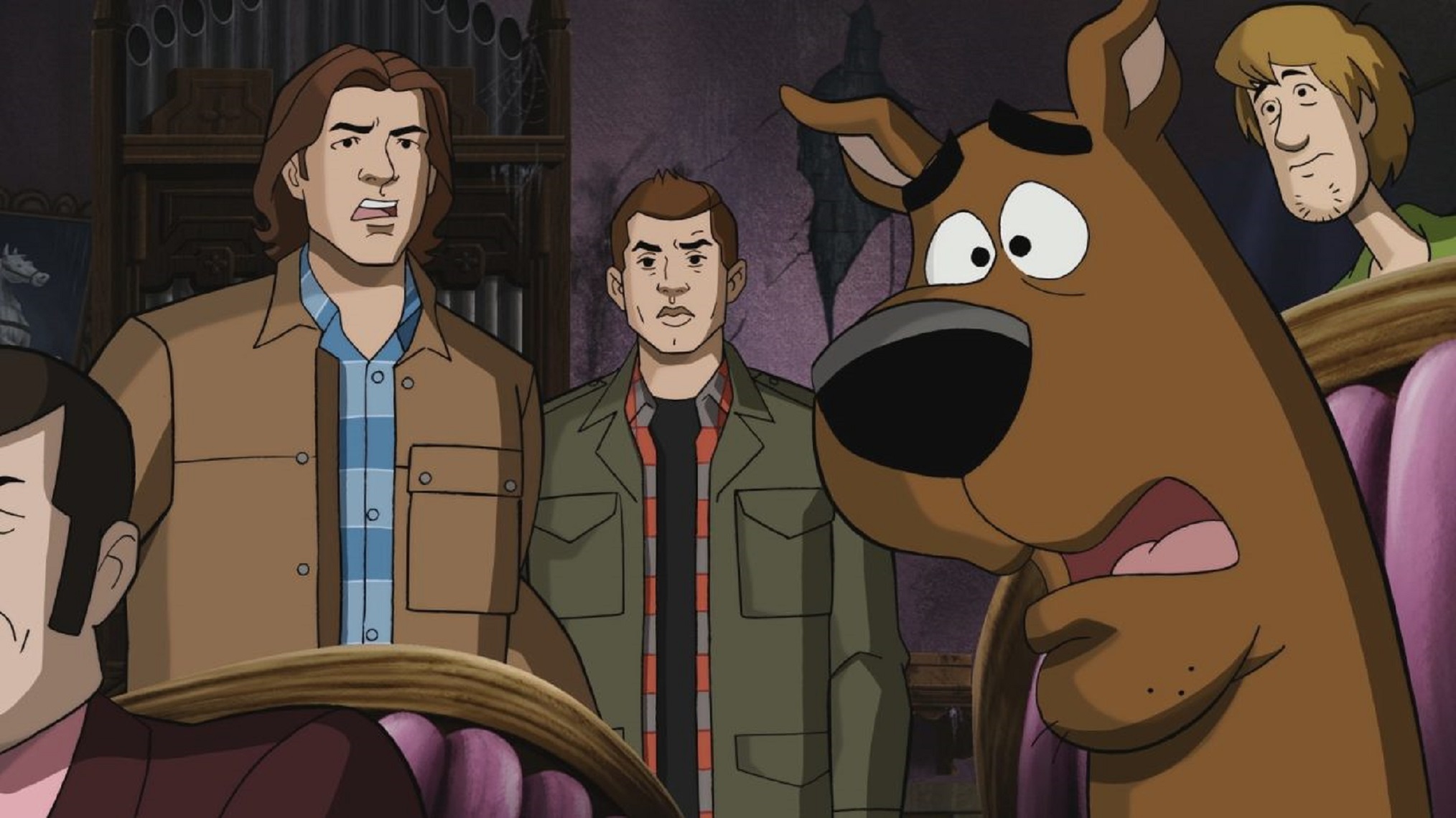
One of the most effective ways to celebrate a 300th episode is the return of "ghosts" or former series regulars. This provides a sense of closure or nostalgia for fans who have followed the show since the pilot. For example, when Supernatural reached its 300th episode, "Lebanon," it featured the return of Jeffrey Dean Morgan as John Winchester, providing a poignant family reunion that felt earned after over a decade of storytelling.
Meta-Commentary and Fan Service
Milestone episodes often lean into "meta" territory, acknowledging the show's own tropes or the dedication of the fandom. Writers might include Easter eggs from the first season, recreate iconic shots, or even have characters reflect on how much they have changed. These episodes function as a shared experience between the creators and the viewers, acknowledging that the show has become more than just a television program—it is a community.
High-Stakes Emotional Payoffs
Rather than a standard "case of the week," the 300th episode often resolves a long-standing emotional arc. It might involve a wedding, a major revelation about a character’s past, or a shift in the status quo that sets the stage for the show's final act. The goal is to make the episode feel "special" while maintaining the DNA that made the show successful in the first place.
The Economics of the 300-Episode Library
Beyond the creative accolades, the 300th episode is a massive financial victory for the production studio and the network. In 2026, the value of a "deep library" cannot be overstated. As streaming services compete for subscriber retention, a series with 300+ episodes is an incredibly valuable asset for several reasons.
- Binge-Watching Longevity: A 300-episode series provides roughly 225 hours of content (assuming 45-minute episodes). This keeps a subscriber engaged with a platform for months, significantly reducing "churn" rates.
- Syndication Revenue: While the initial 100 episodes allow for syndication, a 300-episode package allows local stations or cable networks to air the show multiple times a day without repeating the same episode for nearly a year. This "stripping" potential maximizes advertising revenue.
- Global Licensing: Procedurals like NCIS or Grey's Anatomy translate well across cultures. A 300-episode catalog is a turnkey solution for international broadcasters looking to fill large programming blocks with proven, high-quality content.
The cost of producing a 300th episode is often significantly higher than a pilot, primarily due to "salary creep." By season 14 or 15, lead actors and executive producers often command massive per-episode fees. However, the risk is mitigated because the audience size is predictable, and the secondary market value of the library continues to grow with every new hour produced.
Notable Shows in the 300-Episode Club
The list of scripted prime-time series that have surpassed 300 episodes is surprisingly short, emphasizing the difficulty of the feat. Below is a look at some of the most prominent members of this club as of 2026.
| Series Title | Genre | Year Reached 300th Episode | Key Theme of 300th Episode |
|---|---|---|---|
| The Simpsons | Animated Comedy | 2003 | Satire of the show's own longevity |
| Law & Order: SVU | Crime Procedural | 2012 | A callback to the first-ever case |
| Grey's Anatomy | Medical Drama | 2017 | Tribute to the original "intern" cast |
| NCIS | Action Procedural | 2016 | Investigation into a massive conspiracy |
| Supernatural | Fantasy/Horror | 2019 | Emotional closure for the Winchester family |
| South Park | Animated Satire | 2019 | Reflection on the "Tegridy" era and censorship |
These shows represent different genres, but they share a common thread: a formula that allows for infinite variation. Procedurals and episodic comedies are statistically more likely to reach the 300th episode than highly serialized "prestige" dramas, which often conclude their stories within five to seven seasons to maintain narrative tension.
The Shifting Landscape: Will We See New 300-Episode Shows?
As we look at the television landscape in 2026, a critical question arises: is the era of the 300-episode scripted show coming to an end? The industry has moved toward "Peak TV," characterized by high-budget, short-order seasons. Shows on platforms like Netflix, Disney+, or HBO Max often produce only 8 to 10 episodes per season. At that rate, a show would need to stay on the air for 30 years to reach episode 300—a feat that is nearly impossible in the fast-paced digital world.
Consequently, the 300-episode mark is becoming a legacy achievement for traditional broadcast networks (ABC, CBS, NBC, and FOX). These networks still rely on the 22-episode model to fill their linear schedules. However, even these networks are beginning to experiment with shorter seasons. The transition toward streaming-first strategies means that future 300-episode milestones may be limited to unscripted content, such as reality competitions or talk shows, where production costs are lower and volume is higher.
Common Challenges for Aging Productions
Reaching 300 episodes is not without its creative and logistical hurdles. Shows that have survived this long often face specific "aging" problems that younger series do not.
Creative Burnout and Repetition
By the 300th episode, writers have explored almost every conceivable combination of character conflict. The challenge is to avoid "jumping the shark"—a term used when a show resorts to outlandish or improbable plot twists to maintain interest. Maintaining the "voice" of the show while evolving with the times is a delicate balancing act.
Cast Turnover and "Ship of Theseus" Paradox
Many shows reach episode 300 with few, if any, of the original cast members remaining. This creates a "Ship of Theseus" scenario: is it still the same show if all the parts have been replaced? Law & Order: SVU and Grey's Anatomy have successfully navigated this by centering the show around one or two "anchor" characters while cycling in fresh faces to keep the dynamics new.
Rising Production Costs
As a show ages, it becomes more expensive. Not only do salaries increase, but long-running shows often have larger crews and more complex production requirements. Networks must constantly weigh the prestige of a 300-episode series against the cost-efficiency of launching three or four newer, cheaper shows.
Navigating the Legacy of Long-Running Series
For fans and creators alike, the 300th episode is more than just a number; it is a celebration of a shared journey. If you are a fan of a series approaching this milestone, or a creator looking to build a lasting legacy, consider the following actions:
- For Fans: Use the lead-up to the 300th episode to revisit early seasons. Many 300th episodes are filled with subtle callbacks that are only satisfying if the early lore is fresh in your mind.
- For Content Creators: Study the "milestone formula." Analyze how successful shows balance fan service with plot progression in their hundredth-interval episodes. It provides a masterclass in audience management.
- For Industry Analysts: Watch the "tail" of these shows on streaming platforms. The 300th episode often triggers a spike in viewership for the entire series, as the milestone generates press coverage and social media buzz.
The 300th episode remains one of the few remaining "event" moments in linear television. While the medium continues to evolve, the respect afforded to a series that has stayed relevant for 300 hours of television remains a constant in the industry.
FAQ
How many years does it take to reach 300 episodes?
On a standard U.S. broadcast network schedule of 22 episodes per season, it takes approximately 13.6 years. If a show produces fewer episodes (such as 10-13 per season), it can take 23 to 30 years to reach the same milestone.
What is the most-watched 300th episode in history?
While exact ratings vary by era, long-running sitcoms from the "Big Three" era (ABC, CBS, NBC) typically hold the highest viewership numbers. However, in terms of modern impact, The Simpsons episode "Barting Over" (Episode 300) and Grey's Anatomy's "Who Lives, Who Dies, Who Tells Your Story" are among the most culturally discussed milestones.
Do streaming shows ever reach 300 episodes?
It is extremely rare. Because streaming services prefer shorter seasons (8-12 episodes), a scripted streaming series would need to run for decades to hit 300. Most "long" streaming shows end between 50 and 100 episodes. Unscripted streaming content (like talk shows or daily news programs) is more likely to reach this mark.
What happens to a show after its 300th episode?
Many shows enter a "legacy phase" after episode 300. The focus shifts toward maintaining a steady audience rather than seeking massive growth. These shows often become "utility players" for networks—reliable performers that can be moved to different time slots to bolster struggling nights.
Is the 300th episode usually the series finale?
Rarely. Reaching 300 episodes is such a significant financial investment that networks usually want to keep the "cash cow" running as long as possible. A 300th episode is almost always a celebration designed to propel the show into even more seasons, rather than a conclusion.