A 3/4-inch hose is a high-capacity fluid delivery tool defined by its 0.75-inch internal diameter, engineered to provide significantly higher water volume than standard consumer-grade hoses. It is primarily used in commercial landscaping, agriculture, and industrial settings where maximum gallons per minute (GPM) are required to fill large tanks or power heavy-duty irrigation systems.
While the average residential user often relies on a 5/8-inch hose, moving to a 3/4-inch diameter is the most effective way to reduce friction loss and increase flow efficiency. In 2026, as water management becomes increasingly critical for both large-scale agriculture and professional property maintenance, understanding the technical specifications and mechanical advantages of the 3/4-inch hose is essential for optimizing fluid transfer systems.
The Physics of Hose Diameter: Why 3/4-Inch Matters
The primary reason for selecting a 3/4-inch hose over narrower alternatives is the relationship between diameter and flow capacity. In fluid dynamics, the cross-sectional area of a hose determines the volume of liquid that can pass through at a given pressure. Because the area of a circle is calculated as $\pi r^2$, a relatively small increase in diameter leads to a substantial increase in volume.
A 3/4-inch hose has a cross-sectional area of approximately 0.44 square inches, whereas a standard 5/8-inch hose has an area of roughly 0.31 square inches. This 20% increase in diameter results in nearly 45% more internal volume. In practical terms, if a 5/8-inch hose delivers 10 to 12 gallons per minute (GPM), a 3/4-inch hose under the same municipal water pressure can deliver between 20 and 25 GPM, depending on the length of the run.
Furthermore, friction loss is the "enemy" of water pressure. As water travels through a hose, it rubs against the interior walls, creating resistance that drops the pressure at the nozzle. A wider 3/4-inch hose reduces this resistance significantly. This makes it the preferred choice for long-distance runs—such as 100 feet or more—where a narrower hose would result in a weak, ineffective stream of water at the discharge end.
Technical Specifications and Material Composition
Choosing the right 3/4-inch hose requires an understanding of materials, as the weight and rigidity of a larger diameter hose can make it difficult to maneuver. In 2026, manufacturers have refined material blends to balance durability with flexibility.
Professional-Grade Rubber
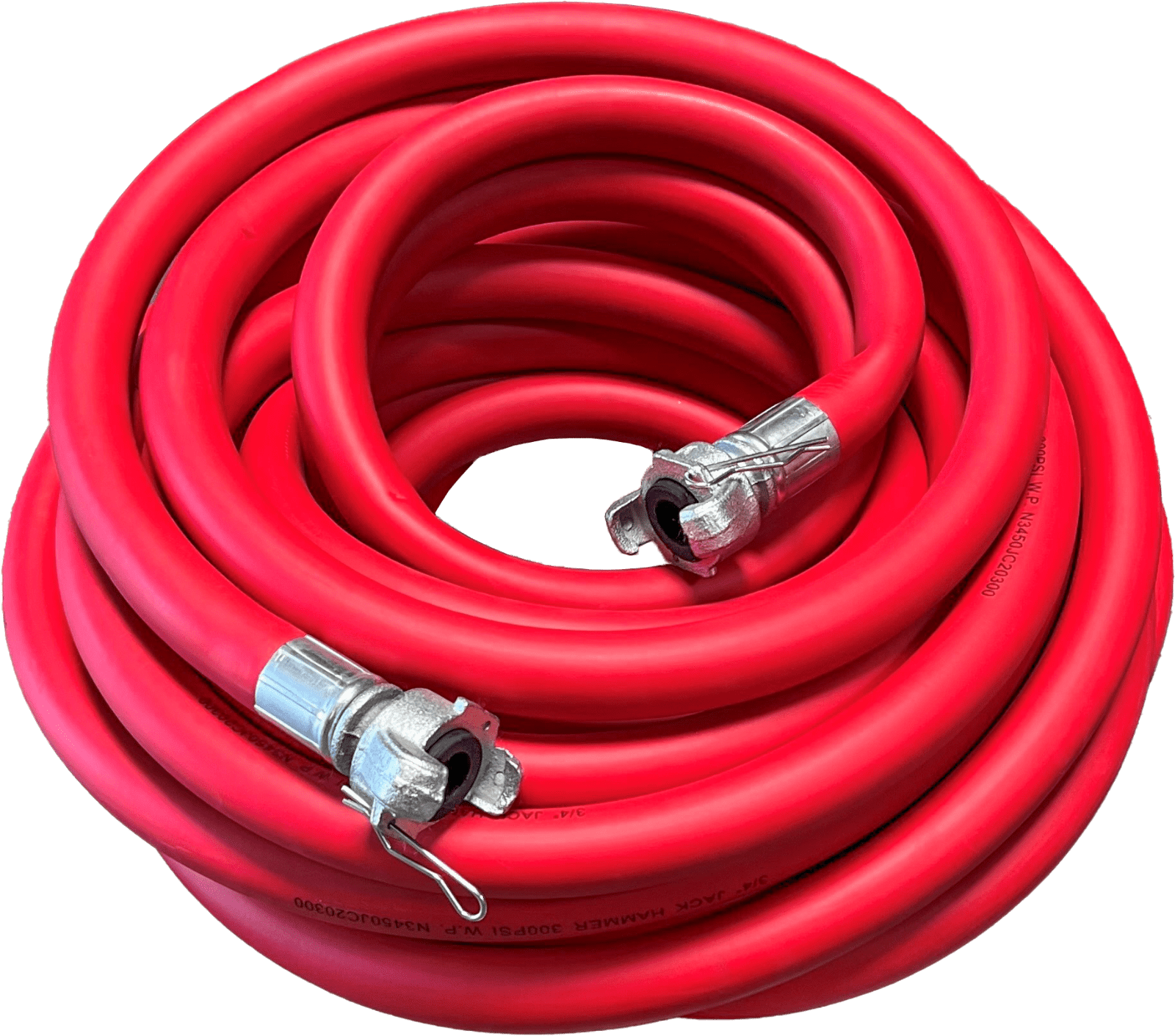
Heavy-duty EPDM (Ethylene Propylene Diene Monomer) rubber remains the gold standard for 3/4-inch hoses used in construction and commercial nurseries. Rubber hoses are highly resistant to UV degradation and ozone, and they remain flexible in extreme temperatures ranging from -40°F to 180°F. Their primary drawback is weight; a 100-foot 3/4-inch rubber hose can weigh upwards of 30 pounds when empty, and significantly more when filled with water.
Polyurethane and Hybrid Polymers
For users who need high flow but require easier portability, hybrid polymers and polyurethane 3/4-inch hoses offer a lightweight alternative. These hoses are engineered to be "kink-resistant," utilizing a specialized memory-free material that prevents the hose from looping over itself. While lighter than rubber, high-quality hybrids still maintain high burst pressure ratings, often exceeding 400 PSI.
Reinforced Braiding
Because 3/4-inch hoses carry a higher volume of water, they are often subject to internal surges. Quality hoses feature multi-layer reinforcement, typically consisting of a polyester or nylon mesh braid between the inner tube and the outer cover. This reinforcement prevents the hose from expanding or "ballooning" under pressure, which is critical when the hose is used as a supply line for a pressure washer or an industrial pump.
Comparison: 3/4-Inch vs. 5/8-Inch Hoses
| Feature | 5/8-Inch Hose | 3/4-Inch Hose |
|---|---|---|
| Primary Use | General residential gardening | Commercial, agricultural, pool filling |
| Flow Rate (GPM) | 9 – 12 GPM (approx.) | 20 – 25+ GPM (approx.) |
| Friction Loss | Moderate to High | Very Low |
| Weight per 50ft | 7 – 10 lbs | 12 – 18 lbs |
| Fittings | 3/4" GHT (Standard) | 3/4" GHT or 1" NPS/NPT |
| Ideal Run Length | Up to 50 feet | 50 to 250 feet |
| Best Application | Hand watering, car washing | Irrigation, supply lines, farm use |
Coupling Systems and Thread Standards
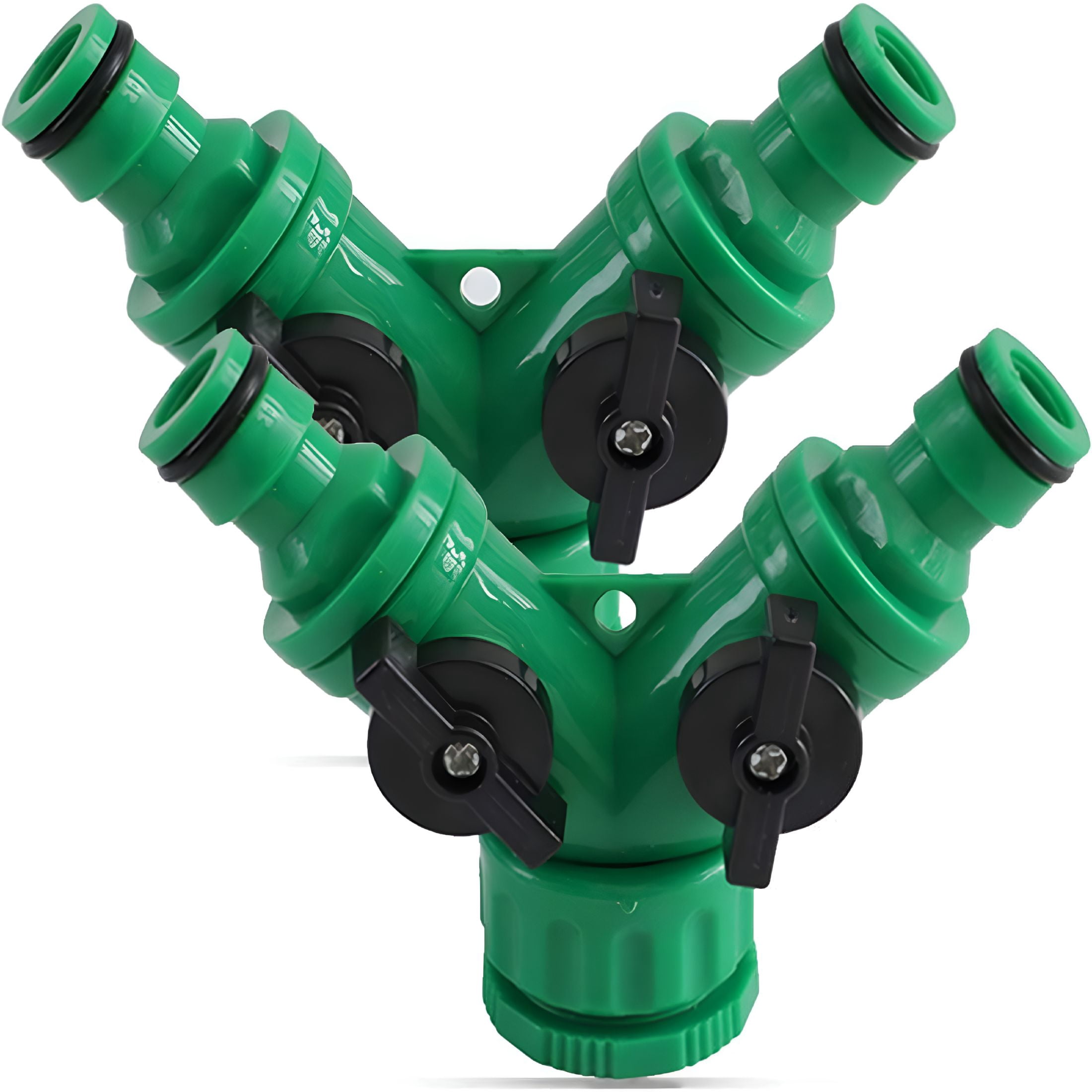
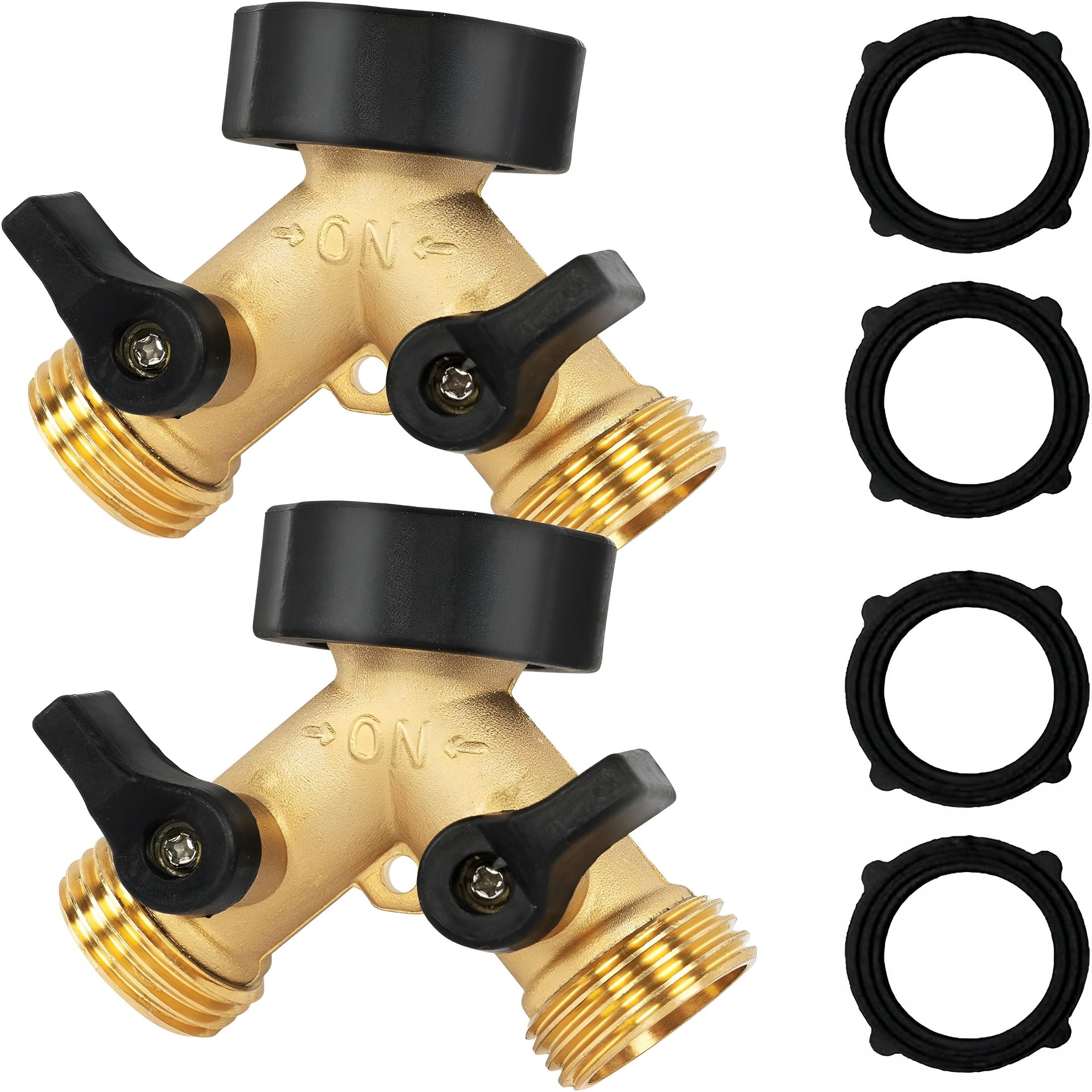
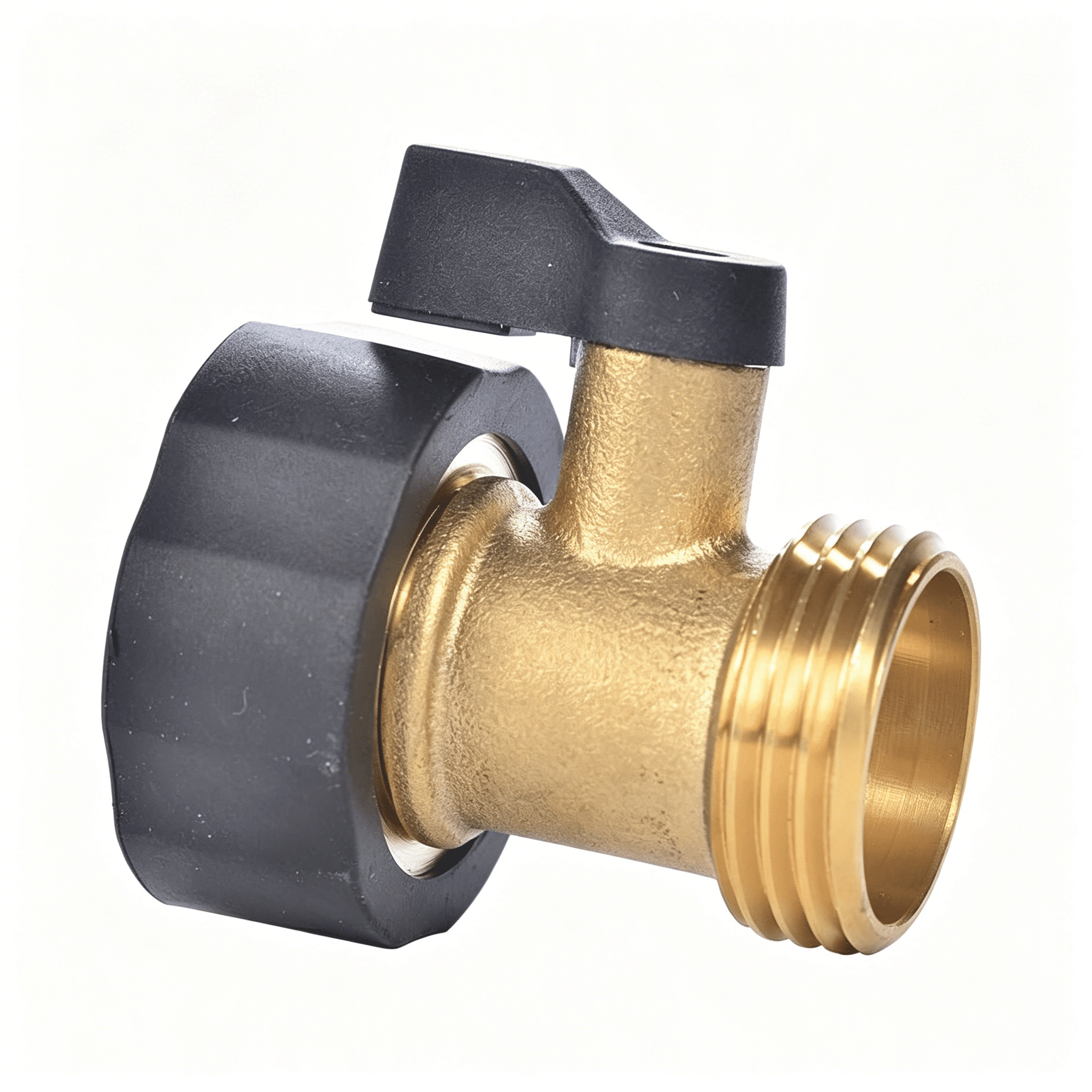
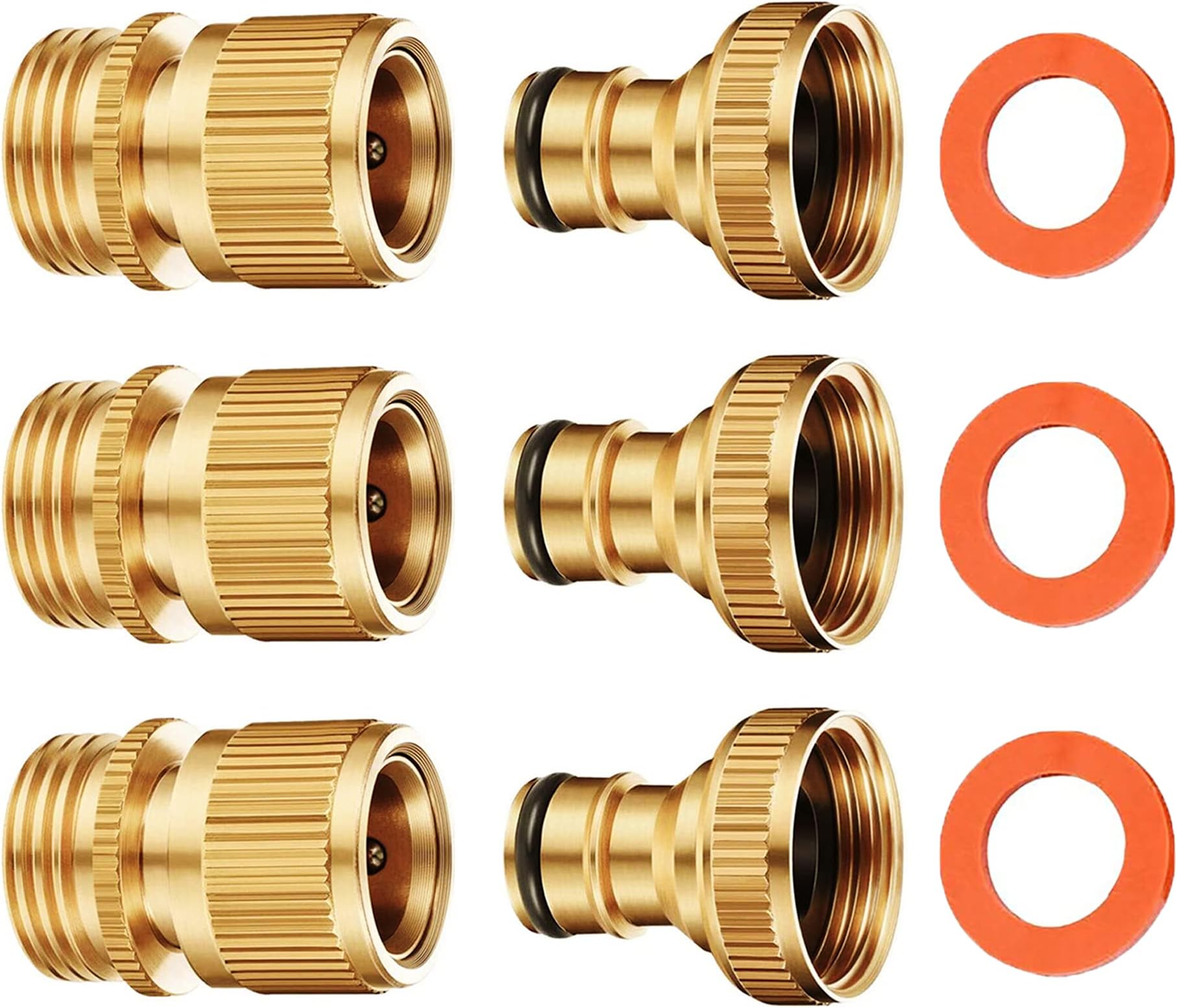
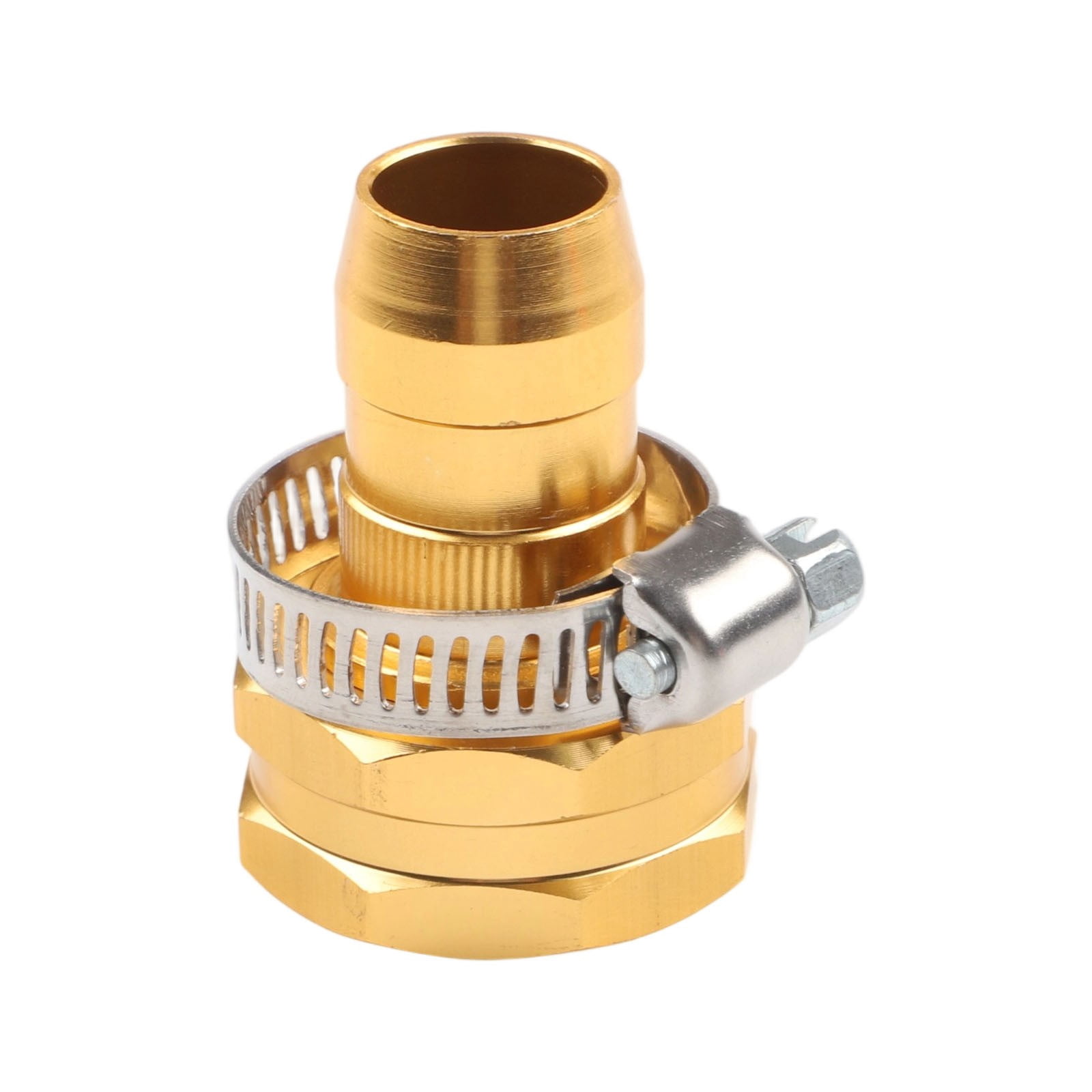
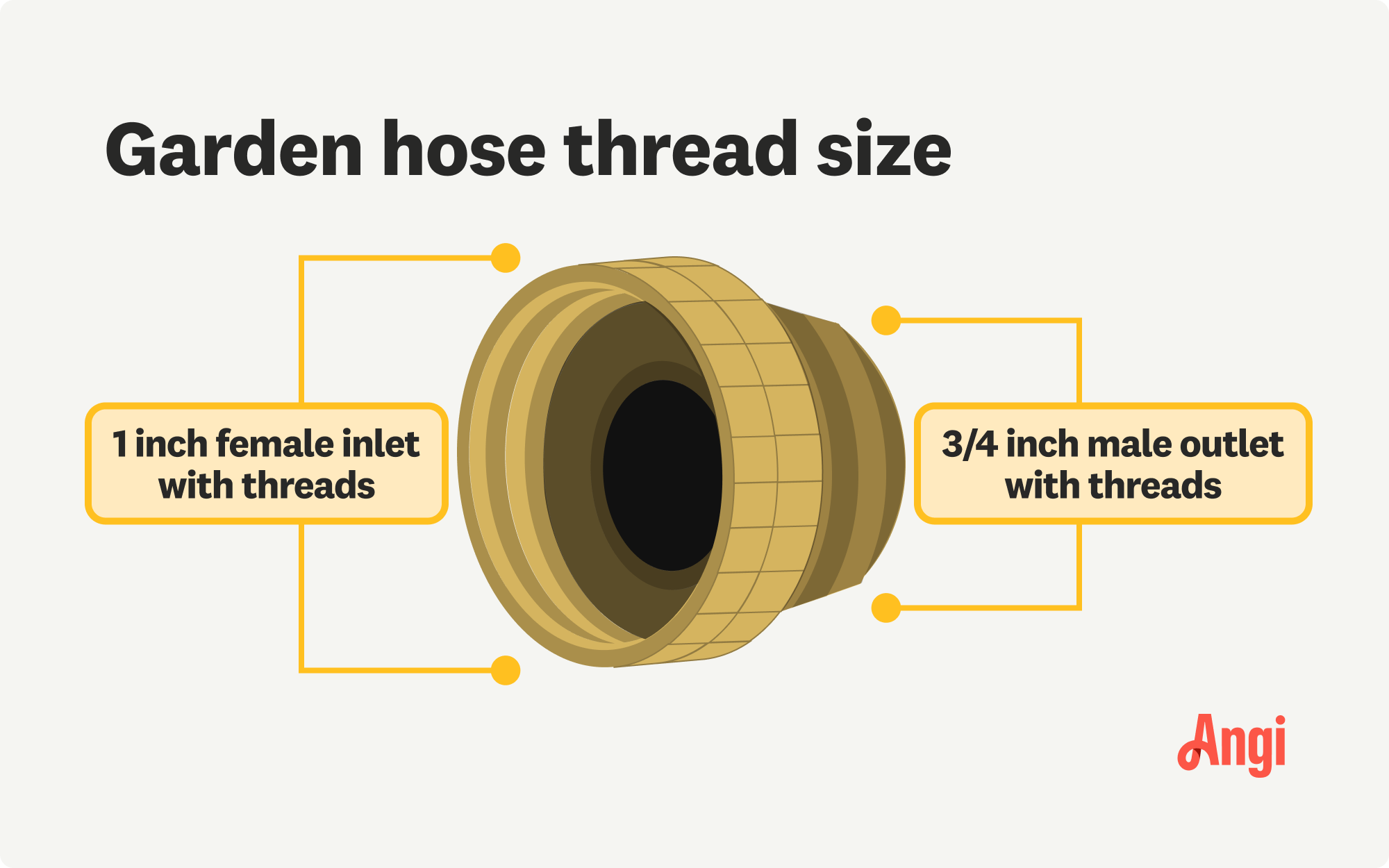
A common point of confusion regarding the 3/4-inch hose is the coupling size. In the United States and Canada, the standard garden hose thread is known as GHT (Garden Hose Thread). Almost all 3/4-inch hoses intended for utility or garden use come equipped with 3/4-inch GHT fittings. This means that despite the larger internal diameter of the hose, it will still screw onto a standard outdoor faucet (sillcock).
However, in industrial or high-pressure applications, you may encounter NPT (National Pipe Thread) or NPS (National Pipe Straight) fittings. If you are purchasing a 3/4-inch hose for an air compressor or an industrial chemical sprayer, it is vital to verify the thread type. GHT is a parallel thread with a gasket for sealing, while NPT is a tapered thread that relies on the threads themselves (often with PTFE tape) to create a seal. Forcing an NPT fitting onto a GHT faucet will damage the threads and cause immediate leaking.
In 2026, "crush-proof" nickel-plated brass couplings have become the industry standard for 3/4-inch hoses. These are designed to withstand being run over by heavy machinery or equipment without deforming, ensuring that the connection remains watertight throughout the hose's lifespan.
Primary Applications for High-Volume Hoses
Large-Scale Irrigation and Nurseries
For commercial nurseries or homeowners with expansive lawns, a 3/4-inch hose is a necessity. Many high-impact sprinklers and oscillating irrigation systems require a specific GPM to reach their advertised radius. A 5/8-inch hose often starves these sprinklers of the volume they need, resulting in poor coverage. The 3/4-inch hose ensures the sprinkler head operates at peak efficiency.
Pool and Tank Filling
Filling a 20,000-gallon swimming pool with a standard hose can take days. By switching to a 3/4-inch hose, you effectively double the speed of delivery. This is also applicable in agricultural settings for filling livestock troughs or water trailers, where time efficiency is linked to operational costs.
Pressure Washer Supply Lines
High-performance pressure washers (4.0 GPM and higher) require a steady supply of water to the pump. If the supply hose is too narrow or too long, the pump may experience cavitation—a phenomenon where air bubbles form due to insufficient water volume. Cavitation can destroy a pressure washer pump in minutes. A 3/4-inch hose is the recommended supply line for any professional-grade pressure washing rig to ensure the pump is never "starved" for water.
Maintenance and Storage for Longevity
Because 3/4-inch hoses are more expensive than standard models, proper maintenance is vital to protect the investment. The increased weight of the hose puts additional stress on the couplings, so it is important to avoid pulling the hose by the nozzle or sprayer.
- UV Protection: Even UV-stabilized rubber will eventually degrade if left in the scorching sun for years. When not in use, store the hose in a shaded area or a hose reel box.
- Winterization: In cold climates, water left inside a 3/4-inch hose can freeze and expand. Due to the larger volume of water, the outward force is significant and can easily split the inner lining or pop the couplings. Always drain the hose completely before the first frost.
- Coiling Technique: Large diameter hoses are prone to "kink memory." To avoid this, use the "over-under" coiling method or a heavy-duty hose reel specifically rated for 3/4-inch diameters. Standard plastic reels designed for 5/8-inch hoses often buckle under the weight of a 3/4-inch hose.
- Gasket Inspection: Check the rubber washers (O-rings) inside the female coupling annually. A high-flow hose will leak significantly if the seal is degraded, wasting water and reducing the pressure at the nozzle.
Troubleshooting Common 3/4-Inch Hose Issues
The most common issue users face with a 3/4-inch hose is a perceived drop in pressure. It is important to distinguish between flow and pressure. While a 3/4-inch hose provides more flow (volume), the static pressure is determined by your home's plumbing. If you have low municipal water pressure, a 3/4-inch hose will not "increase" that pressure; it will simply allow more of the existing water to reach the end of the hose without being lost to friction.
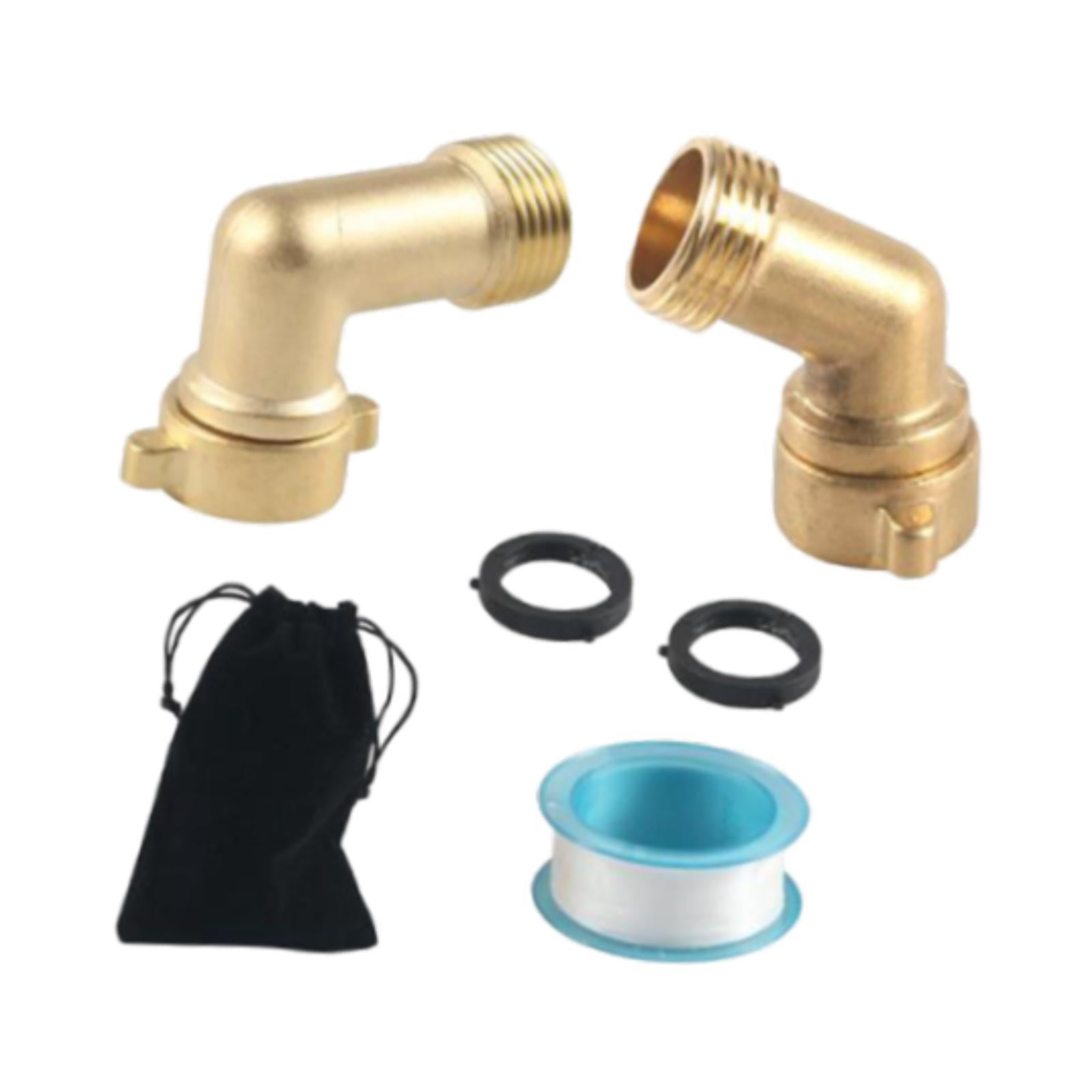
Another frequent problem is coupling leakage. Because 3/4-inch hoses are heavy, the weight of the hose often pulls down on the faucet. This leverage can cause the threads to loosen or the gasket to sit unevenly. Using a "hose protector" or a 45-degree brass elbow at the faucet can relieve this strain and prevent leaks.
FAQ
Can I use a 3/4-inch hose on a standard outdoor faucet?
Yes. Standard outdoor faucets (spigots) in North America use a 3/4-inch Garden Hose Thread (GHT). Even though the hose itself has a 3/4-inch internal diameter, the couplings are designed to fit these standard residential and commercial outlets.
Is a 3/4-inch hose too heavy for regular gardening?
For small flower beds or light watering, a 3/4-inch hose may be unnecessarily heavy and cumbersome. It is best suited for tasks where high water volume is required or where the hose must stay in a fixed position (like a sprinkler supply). If you must move the hose frequently, consider a hybrid polymer version to reduce weight.
Does a 3/4-inch hose increase water pressure?
No, a hose cannot increase the pressure provided by your water source. However, it preserves pressure better than a thinner hose by reducing friction loss. Over a long distance, a 3/4-inch hose will deliver water at a higher pressure at the nozzle than a 5/8-inch hose would.
What is the burst pressure of a 3/4-inch hose?
The burst pressure varies by material. Standard utility hoses usually have a burst rating of 200–300 PSI. Heavy-duty commercial or "contractor" grade 3/4-inch hoses typically have a burst pressure of 400–600 PSI, allowing them to handle the surges common in industrial environments.
Are all 3/4-inch hoses "lead-free" and safe for drinking?
Not all of them. Many heavy-duty rubber hoses contain chemicals or lead in the brass fittings that are not safe for human consumption. If you need a 3/4-inch hose for an RV, boat, or filling drinking water tanks, look for a "Drinking Water Safe" label, which indicates the hose is made of FDA-sanctioned materials and lead-free fittings.
Strategic Recommendation for Selection
When selecting a 3/4-inch hose in 2026, the decision should be driven by the distance of the water run and the required GPM of your equipment. For most professional applications, a high-visibility, heavy-duty rubber hose is the best investment due to its longevity and resistance to the elements. If you are a homeowner looking to fill a pool or run a large sprinkler system, a hybrid polymer 3/4-inch hose offers the best balance of high-flow performance and manageable weight. Always ensure that your fittings are made of machined brass rather than stamped aluminum to prevent galvanic corrosion and ensure a lifetime of reliable connections.